Is Gothenburg Cheap or Expensive? What a Trip to Sweden's Second City Really Costs
Gothenburg is cheaper than Stockholm but still a Nordic city. Real prices for trams, Liseberg, museums, food and the archipelago, with what is genuinely free.
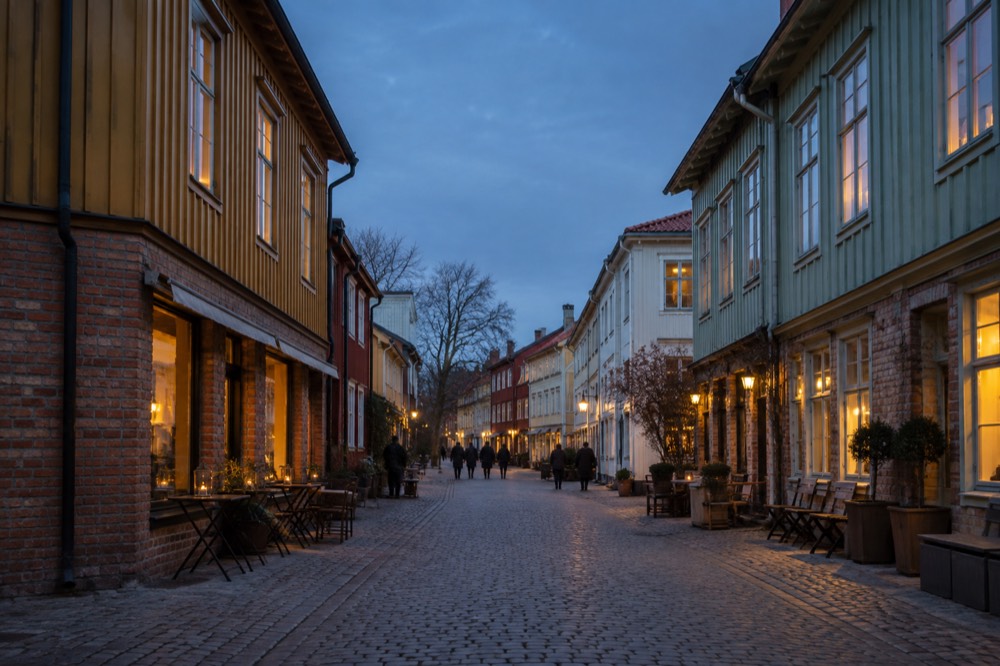
Gothenburg has a reputation problem on both sides. Some visitors arrive braced for Scandinavian prices and are surprised by how much they can do for nothing. Others arrive expecting a budget city and get stung by a 95 kr amusement park ticket that does not include a single ride. The honest answer is that Gothenburg, Sweden is a mid-priced Nordic city: cheaper than Stockholm on most measures, cheaper than Oslo on almost all of them, and structured so that the biggest costs, transport and attractions, have unusually cheap workarounds. This page prices the city out using published fares and ticket pages, not anecdotes, and flags the traps where the sticker price is not the real price.
Is Gothenburg Expensive Compared to Stockholm and Oslo?
Gothenburg is expensive by European standards but is the cheapest of the three big Scandinavian city-break destinations on most day-to-day costs. Hotel and restaurant prices run below Stockholm's, alcohol is priced by the same national Systembolaget rules everywhere in Sweden, and the city's biggest attractions include genuinely free ones, Slottsskogen's park and zoo among them. A visitor who uses the trams and the archipelago ferries on ordinary tickets spends far less than the guidebook image of Scandinavia suggests.
The comparison with Stockholm is the one most people ask for, and Gothenburg wins it on most counts. The city is smaller, the hotel stock is cheaper for equivalent quality, and the attraction list leans heavily on things that cost nothing: the Haga wooden quarter, the Göta älv waterfront, Klippan's old harbour village, and Slottsskogen, where the park and its free zoo charge no entry at all. Stockholm's headline attractions, the Vasa Museum and Skansen, both charge, so a family day out in Gothenburg can undercut the capital simply by walking.
Against Oslo the gap is wider still. Norway's prices sit above Sweden's across the board, and Gothenburg's position as Sweden's second city keeps its costs below the capital's. Göteborg & Co reported over 6 million commercial guest nights in 2025, a record, with international guests up about 15% year on year, which tells you the city is popular without having priced itself into the boutique tier.
None of this makes Gothenburg cheap in absolute terms. A single tram ticket is 38 kr. A one-day Liseberg entry-and-rides ticket starts at 365 kr online. A day of eating and drinking out adds up the way it does anywhere in the Nordics. The point is that the city has a cheap floor underneath it, and most of this page is about how to stand on it. For a wider sense of what the city offers at that floor, see what Gothenburg is known for.
What Does a Day in Gothenburg Actually Cost?
A day's cost is set almost entirely by three choices: transport, attraction and dinner. A 24-hour Zone A transport ticket is 125 kr and covers trams, buses and the archipelago ferries. Attraction entry runs from nothing at Slottsskogen to 75 kr at Göteborgs konstmuseum to 365 kr for Liseberg with rides. A restaurant dinner is the swing item, and it is the one line where a budget day and a splurge day differ most.
Those figures come from published prices, not guesses. Västtrafik's fare table puts a 24-hour Zone A ticket at 125 kr, covering trams, buses and the archipelago ferries. Göteborgs konstmuseum charges 75 kr for a day ticket, free for anyone under 20. Liseberg's own price page lists entry from 95 kr and entry plus unlimited rides from 365 kr online, and the entry-only ticket buys zero rides, which is the single most common budgeting mistake in the city. Universeum prices dynamically with a booked time slot, so there is no fixed adult price to quote; the venue states that on-site admission is the online price plus 30 kr.
| Cost item | Published price | Where it comes from |
|---|---|---|
| Single tram ticket, 1 zone, adult | 38 kr | Västtrafik fare table |
| 24-hour Zone A ticket (trams, buses, archipelago ferries) | 125 kr | Västtrafik |
| Slottsskogen park and zoo | Free | Göteborgs Stad |
| Göteborgs konstmuseum day ticket | 75 kr, free under 20 | goteborgskonstmuseum.se |
| Liseberg entry only (no rides) | from 95 kr online | liseberg.se |
| Liseberg entry + unlimited rides | from 365 kr online | liseberg.se |
| Liseberg ride pass alone (no entry) | from 310 kr online | liseberg.se |
| World of Volvo exhibition ticket | from 120 SEK online | worldofvolvo.com |
| Southern archipelago ferries | covered by an ordinary Zone A ticket | Västtrafik network map |
Two things bend a day's total hard. First, the free layer: Slottsskogen, Haga, the waterfront and the free tip-based walking tours mean a genuinely cheap day is real, not aspirational. Second, the pass question: if your plan stacks three or more paid attractions, an attraction pass can undercut individual tickets, and if it does not, it does not. The listings below cover both the pass route and the two cheapest structured days out in the city.
The amphibious bus tour, rated 4.7 from 4,326 reviews on the listing and priced from $36 per person, is the classic paid sightseeing spend: one ticket, one hour, the city from land and water. The Majorna walk is the opposite, a free, tip-based GuruWalk, and it is the single best budget instrument in the city. Run your paid and free days against each other honestly and the average drops fast.
How Much Is Food and Drink in Gothenburg?
Eating out is where Gothenburg feels most expensive: a restaurant dinner is the biggest single line in most daily budgets, a beer with dinner adds Nordic bar pricing on top, and a cafe fika with a cinnamon bun and coffee is the one cheap pleasure that structures the day. The counterweights are strong: supermarket food is reasonable, beer up to 3.5% ABV is sold in ordinary supermarkets, and the city's food halls, Feskekôrka among them, let you eat well at counter prices instead of table prices.
Swedish alcohol law sets the hard boundary. Alkohollag (2010:1622) defines beer over 2.25% but not over 3.5% ABV as folköl, sold in supermarkets; anything stronger, plus all wine and spirits, is sold only by Systembolaget, the state monopoly. That is why the supermarket shelf version of a familiar beer brand often tastes weaker than expected: it is a 3.5% reformulation of the same beer. Planning around it, buying stronger beer and wine at Systembolaget before a picnic or island day, is standard local practice and saves real money against bar prices.
Feskekôrka, the fish church, reopened in 2024 as a food hall with fish counters and five restaurants rather than the old counters-only setup, so it now spans the whole range from a cheap shrimp sandwich to a full dinner. Saluhallen and the city's other halls work the same way. The food Gothenburg is famous for skews to seafood, and seafood at a counter is one of the better value-for-money meals in the city.
Fika, the coffee-and-bun break, is the cheap pleasure that structures a Swedish day. A cardamom bun and filter coffee costs a fraction of a restaurant main even in the tourist core of Haga, where the famous cafés line the cobbled street. If you want the full cultural context before ordering, what fika means in Sweden covers the ritual and the etiquette.
Is Public Transport in Gothenburg Expensive?
No, and it is the strongest value in the city. A single Zone A adult ticket is 38 kr, a 24-hour Zone A ticket is 125 kr, and that same ordinary ticket covers the trams, the buses and the ferries out to the car-free southern archipelago islands, which are inside the city's own Zone A. There is no rail link to Landvetter Airport, but the Vy flygbussarna coach covers the run to Göteborg Centralstation in 20 minutes.
The archipelago clause is the one to internalise. Västtrafik's own network map shows the Saltholmen ferry lines as part of the tram-and-boat network, and the islands, Styrsö, Brännö, Donsö, Vrångö and the rest, sit in Zone A. A 125 kr day ticket therefore buys a tram to Saltholmen, a ferry out to sea, island hopping between boats, and the tram back. That is a full day of sightseeing for the price of a beer and a half at a restaurant, and it is why the answer to whether the Gothenburg archipelago is worth visiting is usually yes on cost grounds alone.
One warning about discounts. A temporary state subsidy currently halves Västtrafik's 30-day period tickets, Zone A adult from 890 kr down to 445 kr. It does not cover the 24-hour and 72-hour day tickets a visitor actually buys. Do not read a headline about half-price transport and budget 63 kr for your day ticket; the day ticket is still 125 kr.
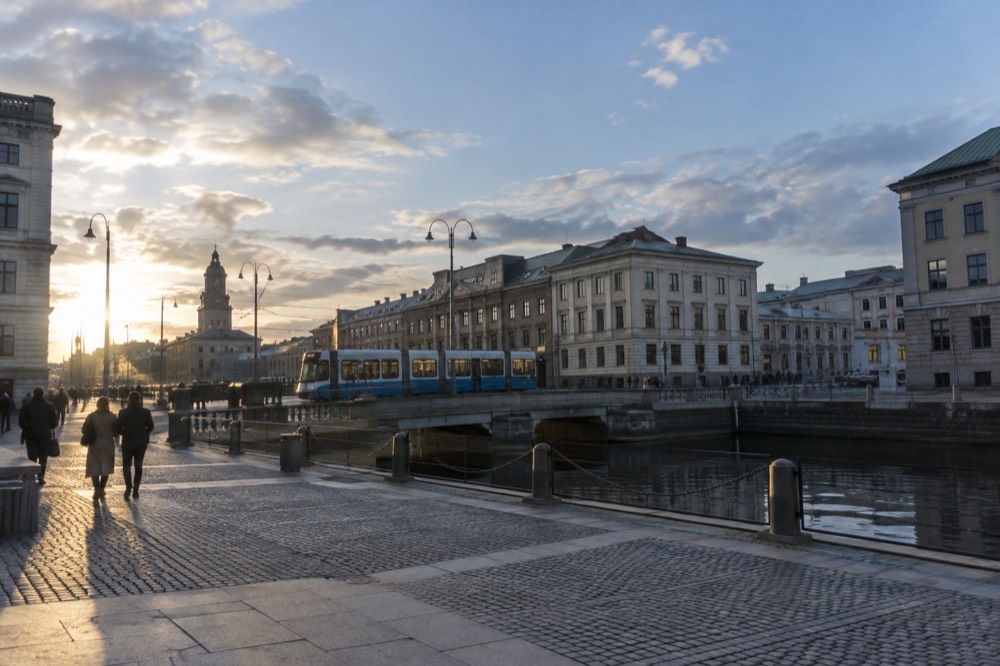
The tram network itself, 12 lines and 188 km of single track as of Göteborgs Spårvägar's 2022 annual report, carried 126 million journeys in 2025, and frequency makes it a genuine replacement for taxis rather than a supplement. Pay by app or card, and remember you do not tap out: how to pay for the tram in Gothenburg has the mechanics.
What Is Free in Gothenburg?
More than most Nordic cities: Slottsskogen park and its zoo charge nothing, the Haga old quarter, Klippan and the Göta älv waterfront are free to walk, the Botanical Garden asks a voluntary contribution rather than a fixed ticket, and four tip-based GuruWalk walking tours cost nothing up front. The paid attractions are the exception list, not the rule: Liseberg, Universeum, World of Volvo and the konstmuseum all charge, and the konstmuseum closes for a rebuild in 2028 and reopens in 2032.
Slottsskogen is the anchor. A large park on the ridge west of the centre, it holds a free zoo with Nordic animals, open space, and the kind of view over the city that other places put behind a funfare. The Botanical Garden nearby asks for a voluntary entry contribution rather than selling a fixed ticket, so it is neither simply free nor simply paid; pay what you think the visit is worth.
The free walking tours deserve specific honesty about what they are. They run on GuruWalk, a platform separate from this site's tour listings, they are free and tip based, and the guides, the gurus, work for tips. The Majorna walk, rated 4.77 from 234 reviews, covers the second-hand quarter's history and culture in about 90 minutes. Naming GuruWalk and the guru structure is the point: these are not our tours, and the tip expectation is real even though the sticker price is zero.
The museum layer is more mixed. Göteborgs konstmuseum charges 75 kr, free under 20 and free for students, and includes the Hasselblad Center, but it closes in 2028 and will not reopen until 2032, with intermittent blasting near the building already flagged by the museum itself for sensitive visitors. World of Volvo, which replaced the old Volvo Museum after that closed permanently in December 2023, sells exhibition tickets from 120 SEK online. Universeum is dynamically priced with a booked slot. There is no free museum day to lean on; if a plan depends on one, the plan is wrong.
Is Liseberg Expensive for What You Get?
Liseberg is mid-priced for a major amusement park but its pricing is split, and the split catches people. Entry alone starts at 95 kr online and includes no rides. A ride pass alone starts at 310 kr and includes no entry. The combined entry-and-rides ticket starts at 365 kr. Children under 110 cm enter free. Evening tickets from 18:00 start at 275 kr combined, and Liseberg is not sold on any booking platform, only its own site.
The 95 kr trap deserves its own sentence: that ticket gets you through the gate and onto nothing. Liseberg's own price page states that the ride pass does not include entry, and that entry does not include rides. Budget the combined 365 kr figure for a real riding day, or go in knowingly at 95 kr for the atmosphere, the gardens and the food stalls.
The calendar matters as much as the price. The 2026 season runs 18 April to 20 September for summer, Halloween from 2 October to 1 November, and the Christmas market from 14 November to 23 December. Between those windows, roughly 21 September to 1 October and 2 to 13 November, plus late December to mid-April, the park is shut, and a winter visitor budgeting for Liseberg is budgeting for a closed gate. Whether the park justifies its price against Copenhagen's Tivoli is its own question, covered in is Liseberg or Tivoli better.
The [Go City](https://gocity.tpk.ro/HQKyKKW4) All-Inclusive Pass, from $56 per person on the listing and rated 3.8 from 238 reviews, is the arithmetic play for a stacked itinerary. It covers 20-plus attractions in 1 to 5 day durations. The honest framing: if your plan includes three or more of its attractions, run the numbers against individual tickets; if it includes one or two, the pass is a donation. Note that the old Göteborg City Card no longer exists, and the Go City product is a different thing on different terms, so do not carry the old card's assumptions, including transport inclusion, over to it.
When Is Gothenburg Cheapest to Visit?
The cheapest window is spring, and the data is unambiguous: April is the driest month of the year at 51.3 mm over 8.2 wet days, against October's 102.9 mm, and April sits before peak summer hotel pricing. The sea is warmer in September, 16.7 C, than in June, 16.2 C, so early autumn beats early summer for swimming, and February is the coldest month for both air and sea, 2.7 C water at the Vinga station.
That rainfall picture comes from SMHI's 1991-2020 normals for station Göteborg A, and it kills the city's most repeated myth on the way: SMHI does not call Gothenburg Sweden's rainiest city, and the national maxima sit in the western highlands and the mountains, not here. Gothenburg's 912 mm a year over about 127 wet days is wet, roughly one day in three, but October, after the tourists leave, is the wettest month, and April is the dry window.
Daylight shapes value too. The US Naval Observatory puts 21 December at 6 h 32 m of daylight against 18 h 06 m on 21 June. A winter trip is cheap in money and expensive in darkness. A September trip is the sleeper deal: warm sea, post-peak prices, and the Christmas market still two months away. The full seasonal breakdown is in the best time to visit Gothenburg, and the question of how many days in Gothenburg is enough sets the denominator for every daily budget.
The free GuruWalk tour in that band is the budget traveller's daily anchor: book a place, walk Majorna or the hidden-corners route, tip what the walk was worth. Against a 365 kr Liseberg day, the contrast is the whole cost story of the city in two line items.
Common Questions About the Cost of Visiting Gothenburg
Is Gothenburg cheaper than Stockholm?
On most day-to-day costs, yes. Hotel rates and restaurant prices generally run below the capital's, the attraction list includes more genuinely free entries, such as Slottsskogen's park and zoo, and the tram-and-ferry network keeps transport costs low. Alcohol costs the same everywhere in Sweden because it is set by the same Systembolaget monopoly.
How much is a beer in Gothenburg?
Bar prices vary by venue, so check the menu rather than trusting a guidebook figure. The structural fact is fixed by law: supermarket beer up to 3.5% ABV is the cheap option, and anything stronger, plus all wine and spirits, is sold only at Systembolaget, the state monopoly, under Alkohollag (2010:1622).
Is the Gothenburg archipelago expensive to visit?
No. The southern islands are areas of Gothenburg in Zone A, and an ordinary Västtrafik ticket covers the tram to Saltholmen and the ferries out. A 125 kr 24-hour ticket covers a full day of island hopping. The islands are also car-free, so there is no parking or car-hire cost to add.
Is Gothenburg cheap or expensive for tourists?
Mid-priced by Nordic standards and expensive by continental European ones. A budget day built on free parks, a tip-based walking tour and supermarket food keeps costs low, because the transport ticket is 125 kr and the biggest attractions include free ones. A day with Liseberg rides and a restaurant dinner costs multiples of that. The city supports both budgets.
Does the Gothenburg city card still exist?
The old Göteborg City Card no longer exists. Go City now sells a Gothenburg pass in Essentials and All-Inclusive forms, covering attractions over 1 to 5 days. It is a different product on different terms, so do not assume anything the old card included, including transport, carries over.
What is free in Gothenburg?
Slottsskogen park and its zoo, the Haga old quarter, the Göta älv waterfront and Klippan all cost nothing to walk. The Botanical Garden asks a voluntary contribution rather than a fixed ticket. Four tip-based GuruWalk walking tours are free up front, and the archipelago islands themselves cost only the ferry ticket to reach.
The short version of this whole page: Gothenburg rewards a plan. Arrive with one, use the 125 kr day ticket, walk the free quarters, and the city is one of Western Europe's better-value city breaks. Arrive without one and buy every ticket at the gate, and it is every bit the expensive Scandinavia of the guidebooks. More on what the city actually offers is in is Gothenburg in Sweden worth visiting, and the planning basics live on Gothenburg Travel Guide.