What Is the Best Time to Visit Gothenburg, Sweden?
The best time to visit Gothenburg, Sweden, month by month: real SMHI rainfall and temperature data, sea temperatures, Liseberg season dates and the daylight swing, so you can pick your dates with facts instead of cliches.
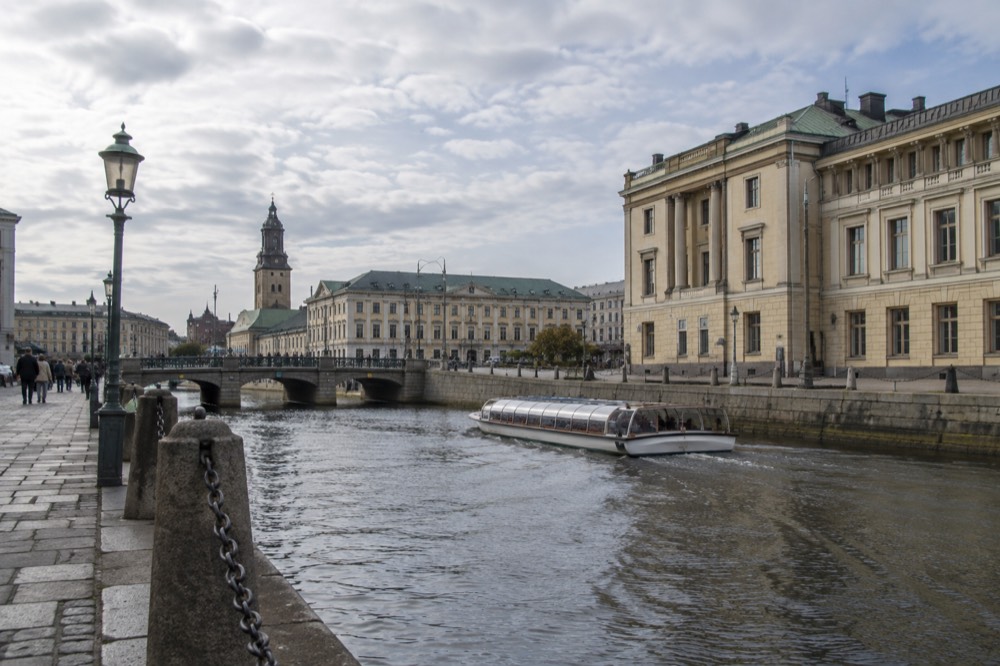
Gothenburg, Sweden's second city, sits at 57.7 degrees north where the Göta älv meets the Kattegat, and its climate behaves like a coastal city rather than the drizzle-soaked caricature that travel writers keep recycling. The Swedish weather service SMHI, using its 1991-2020 normals measured at station Göteborg A, records 912 mm of precipitation a year spread across 127 wet days. That is roughly one day in three, which is wet, but it is not the permanent grey curtain of the guidebook cliche, and SMHI's own national data does not call Gothenburg Sweden's rainiest city at all. The rain is not evenly spread either. October, after most tourists have gone home, is the wettest month at 102.9 mm, while April, at 51.3 mm, is the driest month of the entire year.
That single mismatch, wettest autumn against driest spring, is the fact most visitors plan against wrongly. The rest of this page works through the year with the actual numbers: temperatures, daylight, sea conditions for the archipelago, and the season calendar of Liseberg, the amusement park that anchors most family trips and shuts completely for a third of the year. If you are weighing Gothenburg against the capital, is Gothenburg in Sweden worth visiting covers the case for the city itself.
What Is the Best Time to Visit Gothenburg?
The best time to visit Gothenburg is late May through early September, with the sweet spot in late August and early September, when the sea is at its warmest, crowds thin after the school holidays, and rainfall sits below its October peak. For dry weather specifically, April is the statistically driest month at 51.3 mm, and for Christmas atmosphere, late November into December delivers Liseberg's market. Avoid late October if rain will ruin your trip: at 102.9 mm it is the wettest month of the year.
Notice what that answer does not say. It does not name July. July has the warmest air, a mean of 18.3 C in SMHI's normals, but it also carries 81.3 mm of rain and the peak of the tourist season. August is nearly as warm on land at 17.7 C and warmer in the water, and September keeps 14 C air with only 80 mm of rain, a figure that surprises people who assume autumn means a soaking. The best-time question is really several questions wearing one coat, and the rest of this page splits them out.
There is also a scheduling fact that outranks weather for many travellers: Liseberg. The park's own calendar shows a summer season running 18 April to 20 September, a Halloween season from 2 October to 1 November, and a Christmas market from 14 to 23 December. Between those windows the park is closed, roughly 21 September to 1 October, 2 to 13 November, and from 24 December until mid-April. A family arriving in late January finds the city's biggest single attraction shut, whatever the weather is doing.
What Does Gothenburg Weather Actually Do Month by Month?
Gothenburg's mean air temperature runs from 0.8 C in January to 18.3 C in July, with the warm shoulder months of June at 15.7 C and September at 14.0 C, according to SMHI's 1991-2020 normals for station Göteborg A. Rainfall swings from 51.3 mm in April to 102.9 mm in October, and wet days per month range from 8.2 in April to 13.3 in December, so the driest and sunniest-planning months are late spring and high summer, not autumn.
The table below is the full SMHI monthly picture, and it is worth reading closely because it contradicts two common assumptions. First, that Gothenburg rains all year at the same grey rate: the spread between April and October is a factor of two. Second, that summer is the wet period: July's 81.3 mm is middling, and the genuinely soggy months are October, November and December.
| Month | Mean air temp (C) | Precipitation (mm) | Days with >=1 mm rain |
|---|---|---|---|
| January | 0.8 | 83.0 | 11.5 |
| February | 0.7 | 61.0 | 9.7 |
| March | 3.0 | 54.0 | 8.8 |
| April | 7.7 | 51.3 | 8.2 |
| May | 12.4 | 54.3 | 8.8 |
| June | 15.7 | 73.7 | 10.0 |
| July | 18.3 | 81.3 | 9.8 |
| August | 17.7 | 92.8 | 11.9 |
| September | 14.0 | 80.0 | 10.8 |
| October | 9.0 | 102.9 | 12.6 |
| November | 5.1 | 84.7 | 12.0 |
| December | 2.1 | 93.0 | 13.3 |
Source: SMHI 1991-2020 normals, station Göteborg A (71420), published at SMHI's normals page.
Two readings of that table matter for planning. April combines the lowest rainfall with the fewest wet days, and a 7.7 C mean means spring is genuinely arriving, with the city's parks, including the free zoo at Slottsskogen, waking up. August looks wet on paper at 92.8 mm, but those millimetres often arrive as heavier showers around warm spells rather than the all-day drizzle of November, and the sea temperature, covered below, peaks that month. If your trip is built around being outdoors on the water rather than dodging showers between museums, August and September beat the raw rainfall column.
Sightseeing tours run all year regardless, and the boat-and-bus options in the city are built for exactly this variable weather.
Is Summer the Best Time to Visit Gothenburg?
Summer is the most reliable season for warmth and the only one with genuinely long days, with July air at 18.3 C and 18 hours 6 minutes of daylight on 21 June, but it is also the busiest and not the driest. Late June through July brings 73.7 to 81.3 mm of rain, and the sea does not reach its own peak of 18.6 C until August, so if you want to swim in the archipelago, August beats July.
The daylight numbers deserve their own paragraph because they change what a day can hold. On 21 June the sun is up from 04:11 to 22:17 local time, and civil twilight runs from 02:58 to 23:30, leaving only about three and a half hours of true night. That is an 11 hour 34 minute swing from the winter solstice, when 21 December offers just 6 hours 32 minutes of daylight between 08:54 and 15:26. A summer day in Gothenburg can absorb a morning museum, an afternoon ferry to the southern archipelago, an evening swim and a late dinner in daylight. A December day cannot, and that arithmetic, not temperature alone, is the real difference between the seasons.
Summer is also when the calendar fills up. Liseberg's summer season runs 18 April to 20 September, and the park reports roughly 2.5 million guests to the park itself in 2025, concentrated in these months. The archipelago ferries run at full frequency, the canal boats run their full schedules, and outdoor seating along the Linnégatan strip fills from afternoon into the bright evening. The trade-off is crowds and prices. Gothenburg & Co, the city's tourism body, reported over 6 million commercial guest nights in 2025, a record year, with international guest nights up about 15 percent in the first ten months, so the peak season is getting busier, not quieter.
For a first visit built around the headline sights, a sightseeing tour that works in any weather is a sensible anchor for a summer day.
Should You Visit Gothenburg in Spring or Autumn Instead?
Spring, especially April and May, is Gothenburg's statistically driest window, with 51.3 mm and 54.3 mm of rain and only about eight wet days each, while early autumn, September in particular, offers 14 C air and sea water at 16.7 C that is warmer than June's 16.2 C. Late October and November are the riskiest months, with October the wettest of the year at 102.9 mm and daylight shrinking fast toward the December floor.
April in Gothenburg is an under-used window. The rainfall table above shows it as the driest month on both measures, and 7.7 C is cold-lunch weather rather than picnic weather, but the city's outdoor life starts anyway: Trädgårdsföreningen, the Garden Society, comes into bloom, and Liseberg opens its summer season on 18 April. May, at 12.4 C with only slightly more rain, is arguably the best pure-weather month of the year for walking the city, and the crowds have not arrived yet.
September is the insider's month for the water. SMHI's oceanographic archive at Vinga, the archipelago lighthouse station, built from tens of thousands of quality-controlled hourly observations, shows the sea peaking in August at 18.6 C and holding 16.7 C through September, which is warmer than June's 16.2 C. The air peaks in July but the sea runs about six weeks behind, which means a September swim off Vrångö or Brännö is warmer than a June one. Almost nobody books on that basis, and almost everybody should. The islands are a tram and ferry ride from the centre on an ordinary Västtrafik Zone A ticket, so a warm-sea day costs nothing extra to reach.
Is Winter a Bad Time to Visit Gothenburg?
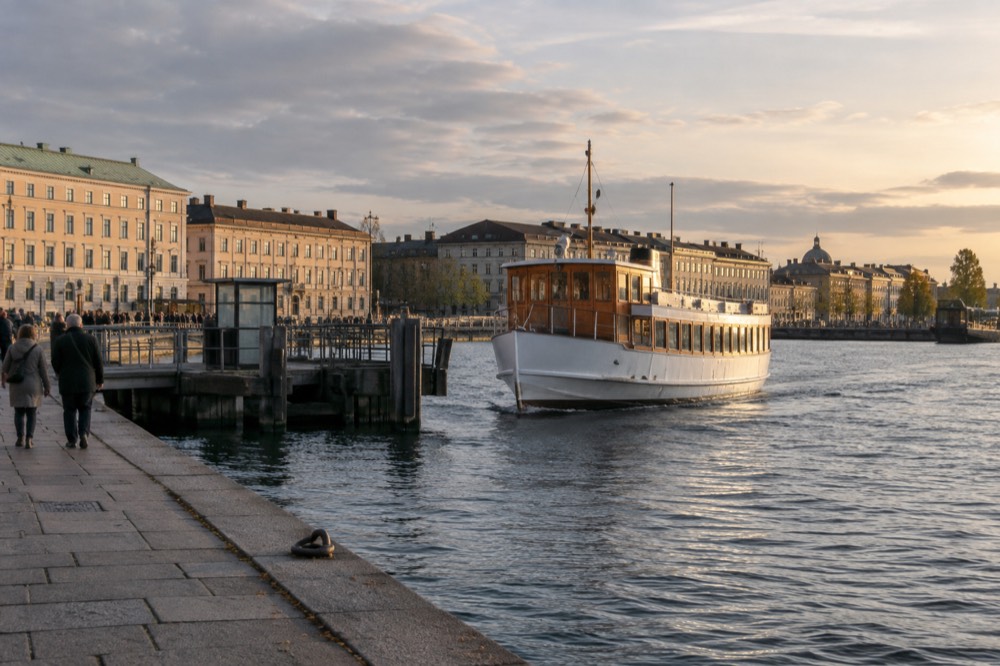
Winter in Gothenburg is dark, with only 6 hours 32 minutes of daylight on 21 December, and cold at 0.8 to 2.1 C mean air temperature, but the sea never drops below a February mean of 2.7 C and the city compensates with Liseberg's Christmas market from 14 to 23 December, saunas, and museums. It is a bad month for island swimming and a good one for fika, galleries and the Christmas atmosphere, provided you arrive before 23 December when the market closes.
The darkness is the honest cost. On the shortest day the sun rises at 08:54 and sets at 15:26, and civil twilight extends usable light only from about 08:03 to 16:17. That is roughly eight hours of grey light for everything you want to do outdoors. Against that, Gothenburg's indoor life is strong: Göteborgs konstmuseum holds about 70,000 works and around a quarter of a million visitors a year, though note its own published plan to close for a rebuild in 2028 and reopen in 2032, Universeum is open every day of the year from 10:00 to 18:00, and Feskekôrka, the fish church turned food hall, reopened in 2024 with fish counters and five restaurants under its rebuilt roof.
February is the month the sea hits its floor. The Vinga data puts February's mean sea temperature at 2.7 C, the coldest of the year, with a recorded low of -1.2 C, legitimately below zero because the brackish Kattegat water does not freeze at 0 C. Cold-water bathers are a real subculture here, and sauna and cold-dip experiences run through the winter, but for everyone else February is a museums-and-coffee month, and the daylight table should warn you off planning long outdoor days.
One more winter fact that catches families out: Liseberg's Christmas market, Jul på Liseberg, runs 14 to 23 December in 2026, and the park then closes until the summer season returns in mid-April, with the new exception that Kaninlandet, the rabbit-themed family land, now opens on winter weekends and school holidays. Anyone promising a child Liseberg in January is promising a closed gate. If you are deciding between the two big Swedish parks at all, is Liseberg or Tivoli better compares them directly.
How Do Rain, Crowds and Events Change the Answer?
Gothenburg's rain is concentrated in autumn, with October, November and December each carrying more rain than any spring month, October at 102.9 mm against April's 51.3 mm, so the wet-weather risk roughly doubles in late autumn compared with spring, while crowds peak in July and August alongside the record 6 million guest nights the city logged in 2025, meaning the quietest pleasant months are May, June and September.
The event calendar nudges specific weeks. The Way Out West festival fills the city in August, the Göteborg Film Festival takes over cinemas in late January and early February, and the Christmas market window in December is both the darkest and the most atmospheric stretch of the year. None of these make the weather better or worse, but they change hotel availability and price, and a festival week can crowd out the very streets you came to see. Check the specific dates for your year before locking in a trip, because festival and market calendars shift annually even when the SMHI rainfall normals never do.
There is also a transport wrinkle worth knowing while you plan. Västtrafik's 30-day period tickets are currently halved by a temporary state subsidy through the end of the year, Zone A adult falling from 890 kr to 445 kr, but that discount does not apply to the 24-hour and 72-hour tickets visitors actually buy, and the 24-hour Zone A ticket remains 125 kr. Do not budget for half-price transport on a short visit, because the visitor tickets are not covered.
For a longer stay that mixes city days with island days, the ferry connections to the archipelago are covered on an ordinary transport ticket, which makes a September visit, warm sea and all, unusually good value. And if you are still deciding how much time to give the city at all, how many days in Gothenburg is enough works through the itineraries. A spring visitor gets the driest streets and the blooming parks, an autumn visitor gets the warmest water and the emptying queues, and both get a city that is easier to move around in than it is at the August peak.
Common Questions About the Best Time to Visit Gothenburg
What is the best time to visit Gothenburg?
Late May through early September overall, with late August and early September the sweet spot: warm air, the warmest sea of the year, and fewer peak-season crowds. For the driest weather, April, at 51.3 mm of rain, is the driest month in SMHI's normals.
What is the rainiest month in Gothenburg?
October, at 102.9 mm across 12.6 wet days, per SMHI's 1991-2020 normals for station Göteborg A. December is close behind at 93.0 mm. Note that Gothenburg is not Sweden's rainiest city, a cliche SMHI's own national data does not support.
When can you swim in the Gothenburg archipelago?
August and September. Sea temperature at the Vinga station peaks at 18.6 C in August and holds 16.7 C in September, which is warmer than June's 16.2 C. The sea runs about six weeks behind the air, which peaks in July.
Is Gothenburg worth visiting in winter?
Yes, with expectations set. Daylight bottoms out at 6 hours 32 minutes on 21 December, but the Christmas market at Liseberg runs 14 to 23 December, museums and food halls are fully open, and sauna and cold-dip culture is at its peak. Liseberg then closes until mid-April apart from winter weekends in Kaninlandet.
What is the driest month in Gothenburg?
April, at 51.3 mm of rain over 8.2 wet days, the lowest on both measures in SMHI's 1991-2020 normals. May is a close second at 54.3 mm and is warmer, at a 12.4 C mean against April's 7.7 C.
How many hours of daylight does Gothenburg get?
Between 6 hours 32 minutes on 21 December and 18 hours 6 minutes on 21 June, a swing of 11 hours 34 minutes. In June, civil twilight leaves only about three and a half hours of true night.
The short version: come in late August or September if the water matters, April or May if dry walking weather matters, and December only with the Christmas market and the short days priced into your plans. Whatever month you pick, Gothenburg Travel Guide has the neighbourhood, transport and food pages to build the rest of the trip around.