Money, Cards and Cash in Gothenburg: What Actually Works in Sweden's Cashless City
Gothenburg runs on cards and Swish, and a growing list of venues refuse cash outright. Here is what that means for your wallet, your bank fees and your plans.
Short answer
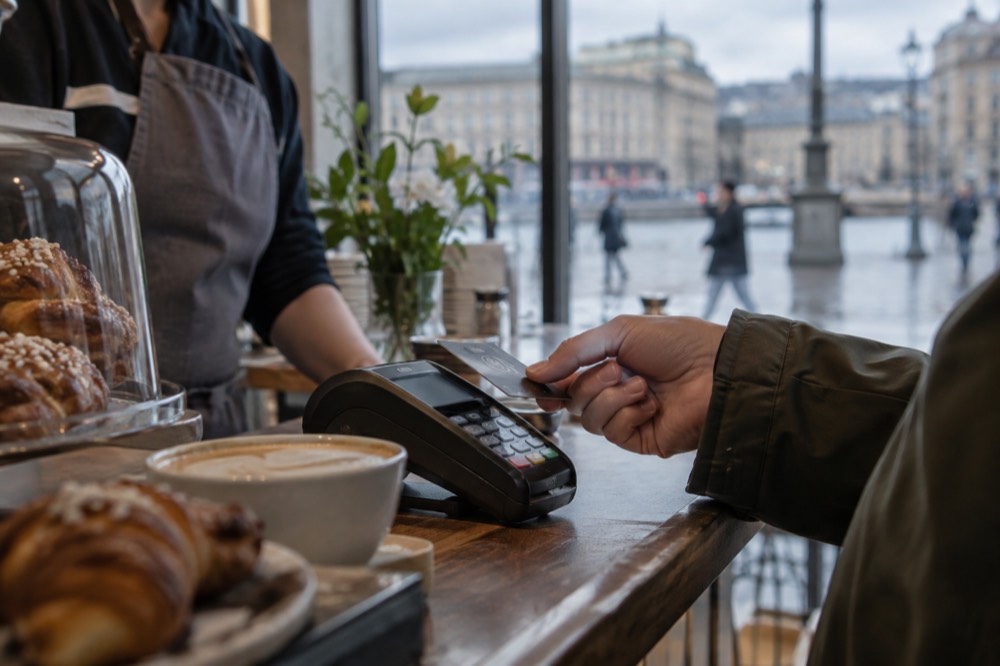
Bring a card, not cash. Gothenburg is one of Europe's most cashless cities: trams, museums, cafes and even some bars take card only, and several venues, including Universeum and Göteborgs konstmuseum, refuse notes and coins entirely. A contactless debit or credit card with no foreign transaction fee covers almost every payment situation, with a phone wallet as backup.
Sweden has spent two decades dismantling cash, and Gothenburg, the country's second city, shows it more visibly than almost anywhere. Göteborgs Spårvägar counted 126 million tram journeys in 2025, and every one of them was paid for with a card, an app or a Västtrafik period card, because the ticket machines and app are the only ways to buy a fare. Universeum's own visit page states the venue is card only. Göteborgs konstmuseum says the same: card or Swish, nothing else. If your travel budget still assumes a pocket of notes, this is the page that corrects it, and it covers the rest of the money picture too: what everyday things cost, how tipping works, why the beer in the supermarket tastes weaker than the label, and whether a [sightseeing pass](https://gocity.tpk.ro/HQKyKKW4) beats paying one admission at a time.
Is Gothenburg Really Cashless, and Do You Need Swedish Kronor?
You can visit Gothenburg without ever handling a Swedish banknote, and in a growing number of places you have no choice: Universeum, Göteborgs konstmuseum and the tram system's own ticket channels all refuse cash. Cash is still legal tender in theory, but finding a place that must accept it is harder than finding one that will not. Bring a card and a phone wallet, and treat physical kronor as a backup.
The direction of travel is one-way. Riksbanken, the Swedish central bank, has tracked the collapse of cash payments for years, and the practical result on the ground in Gothenburg is that cash acceptance is now the exception. The venues that state it explicitly are the ones visitors actually go to: Universeum's ticket page says the science centre is cashless, and the art museum's visit page lists card and Swish as its only payment methods. Small kiosks and market stalls are the last holdouts, and even they usually carry a card terminal the size of a matchbox.
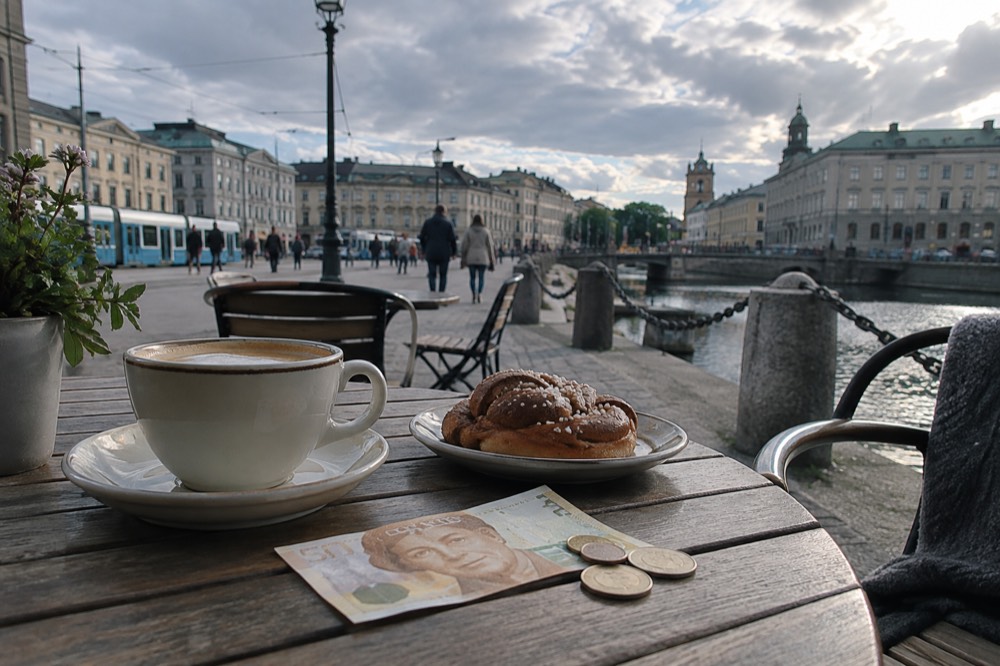
There are two honest exceptions worth planning around. First, tips at some casual spots and a few flea-market stalls in Majorna still prefer cash, though a card terminal is nearly always produced if you ask. Second, if your bank charges a fixed fee per foreign transaction, a handful of small purchases can add up, which is a card problem, not a cash problem. For everything else, the Gothenburg Travel Guide money rule is simple: if you cannot tap it, phone it, or swipe it, you probably cannot buy it.
| Where you are paying | Cash accepted? | What works instead |
|---|---|---|
| Trams and buses (Västtrafik app, machines, shops) | No | Card in app or at machine, contactless |
| Universeum | No, card only | Card, phone wallet |
| Göteborgs konstmuseum | No, card or Swish | Card, phone wallet |
| Liseberg (gate, rides, food) | Mostly no | Card, phone wallet |
| Supermarkets | Sometimes | Card, phone wallet, Swish |
| Systembolaget | Sometimes | Card, phone wallet |
| Market stalls, flea markets, casual tips | Often | Small cash, or card terminal |
Which Cards and Payment Methods Work in Gothenburg?
Any Visa or Mastercard debit or credit card works essentially everywhere in Gothenburg, including contactless payments and phone wallets like Apple Pay and Google Pay, which run on the same terminals. American Express is widely but not universally taken, and Diners Club is a gamble. The one method you cannot use as a visitor is Swish, Sweden's bank-to-phone payment app, because it requires a Swedish bank account and a Swedish number.
Swish deserves a sentence of explanation because it confuses visitors weekly. It is a direct bank transfer triggered from a phone, and Swedes use it for everything from splitting a restaurant bill to paying a market trader. The app is restricted to Swedish bank accounts, so as a tourist you will watch locals pay by Swish while you use the same terminal with your card. Nothing is closed to you, but the sight of it is a useful reminder of how far the local payment culture has moved past cash.

The fees that matter are yours, not Gothenburg's. A card that charges a foreign transaction fee, typically one to three percent, will quietly tax every coffee and tram ticket, so a fee-free travel card is the single highest-value financial decision for this trip. Dynamic currency conversion, where a terminal offers to charge you in your home currency, appears occasionally at hotel front desks and tourist-facing shops: the rate is always worse than your bank's, and the correct answer is always to pay in Swedish kronor. If you are arriving by plane, the practical first payment of the trip is the airport coach, and the transfer options are covered in detail in [Gothenburg Landvetter Airport to the City Centre](/guides/gothenburg-landvetter-airport-to-the-city-centre/).
What Does Everyday Spending Cost in Gothenburg?
A single tram ticket in Zone A costs 38 kr for an adult and a 24-hour Zone A ticket costs 125 kr, and those two prices are the backbone of every Gothenburg budget. A Liseberg entry ticket starts at 95 kr but includes zero rides, and Universeum has no fixed adult price at all because admission is dynamically priced by time slot, with the on-site price set at the online price plus 30 kr.
The transport numbers come straight from Västtrafik's fare pages, published at vasttrafik.se: a single one-zone adult ticket is 38 kr, two zones 76 kr, three zones 114 kr, and the 24-hour Zone A ticket is 125 kr whether you buy it in the app or a shop. One temporary distortion deserves a warning, because headlines about it travel fast. A state subsidy currently halves every 30-day period ticket, cutting the Zone A adult monthly from 890 kr to 445 kr, but Västtrafik's own discount page makes clear the subsidy applies to period tickets only. The 24-hour and 72-hour tickets a visitor buys are not discounted, so do not build a short-trip budget around a price cut you cannot access. The full fare picture, including how the archipelago ferries sit inside Zone A, is in Getting Around Gothenburg: Trams, Tickets and Zones.
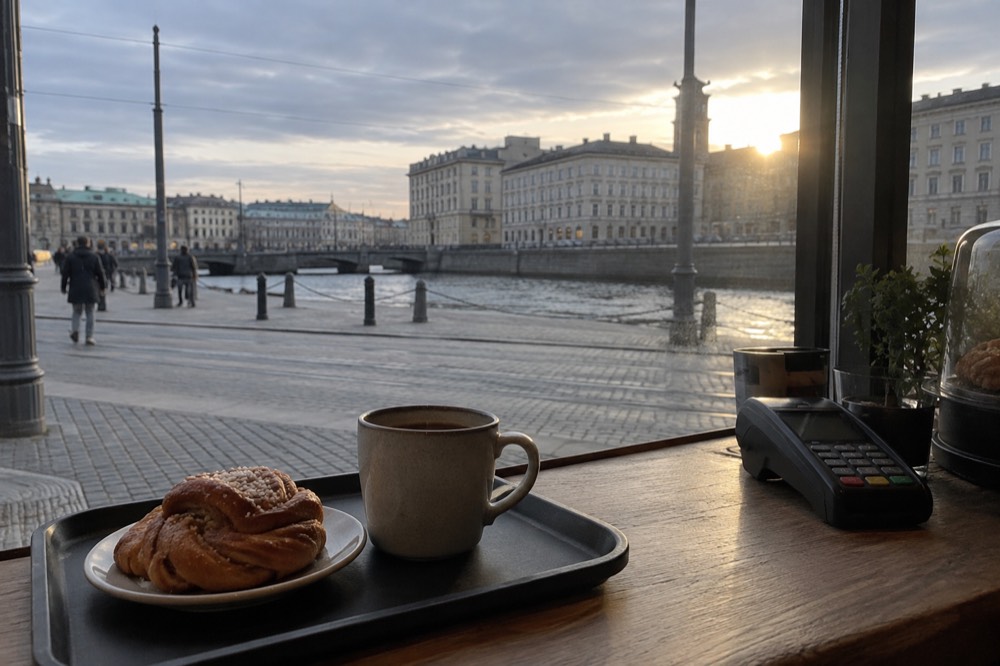
The attraction prices trip people up in a specific way: the headline number is rarely the real one. Liseberg's own ticket page spells it out, entry from 95 kr buys the gate and nothing else, and the ride pass is a separate product from 310 kr, or a combined ticket from 365 kr. Universeum prices dynamically against demand, which means there is no honest fixed adult price to print, only the rule that booking online is 30 kr cheaper than walking up and that busy slots sell out. If you are weighing the full cost of a trip, the deeper comparison of accommodation, food and attraction budgets is in Is Gothenburg Expensive? What a Trip Really Costs.
| Everyday item | Typical price | Notes |
|---|---|---|
| Tram single, Zone A adult | 38 kr | Västtrafik fare page |
| 24-hour Zone A ticket | 125 kr | Covers trams, buses, archipelago ferries |
| Liseberg entry only | from 95 kr | Zero rides included |
| Liseberg entry + ride pass | from 365 kr | Online "from" price |
| Universeum admission | Dynamic | Online price, 30 kr more on site |
| Göteborgs konstmuseum day ticket | 75 kr | Free under 20 |
| World of Volvo exhibition | from 120 kr online | 10% online discount |
Universeum is the one attraction where the payment method and the price interact, because the cheapest admission is the one you book online with a card before you arrive, and the venue then refuses cash at the door anyway. Booking ahead is both the money-saving move and the only realistic one at busy times.
Do You Tip in Gothenburg?
No, tipping is not expected in Gothenburg, and in restaurants service is either already included in the price or added as a clearly labelled line on the bill, so there is no hidden 20 percent decision to make. Rounding up a restaurant bill or leaving small change at a cafe is a friendly gesture, not an obligation, and in taxis the fare on the meter or screen is the fare you pay. Nobody will chase you for a tip, and overtipping can genuinely confuse staff.
The economics behind this are worth knowing. Swedish restaurant prices carry the service in the menu price, backed by proper sector wages, so the American-style tip-as-wage model does not exist here. If a bill shows a service line, it is part of the total, not an addition waiting for your approval. Hotel porters and toilet attendants are the last places where a ten or twenty kronor coin still feels normal, which is one of the few arguments for carrying any cash at all. The wider etiquette picture, including how locals actually behave around paying and rounding up, is covered in the site's guide to Fika in Gothenburg: How It Works and Where to Do It.
Why Is Supermarket Beer Weaker, and How Does Buying Alcohol Work?
Swedish law caps what supermarkets can sell: beer above 3.5% ABV, all wine and all spirits are sold only through Systembolaget, the state-owned retail monopoly, under Alkohollag (2010:1622). Supermarket shelves therefore carry folköl at 3.5% or below, and the shelf version of a familiar brand is often a weaker reformulation of the same beer. Anything stronger requires a trip to Systembolaget, which closes on Sundays and checks ID routinely, so a Saturday visit is the safe plan.
The statute is unambiguous. Chapter 1, section 8 of the alcohol act defines beer over 2.25% but not over 3.5% as folköl and anything over 3.5% as starköl, and chapter 5 restricts retail of spirits, wine and starköl to the wholly state-owned monopoly. The full text is published in the Swedish statute book at riksdagen.se. For a visitor this creates one real planning issue: Systembolaget's hours are limited and Sunday closing is near-universal, so if your trip includes a dinner or a festival weekend, buy on Friday or Saturday. Bars and restaurants are unaffected, they serve full-strength drinks under their own licences, and the craft beer scene is covered in Where to Eat in Gothenburg.
The pricing surprise is the opposite of what most visitors expect. Supermarket folköl is cheap, but a proper starköl at Systembolaget is also cheap by bar standards, because the monopoly's prices are cost-plus-tax rather than market-driven. The expensive beer is the one at the pub, where a pint can cost as much as a full restaurant lunch. Budget accordingly: if you plan to drink, the Systembolaget run is the money-saving move, and the bar is where you pay for the room.
| Product | Where it is sold | Legal basis |
|---|---|---|
| Beer up to and including 3.5% ABV (folköl) | Supermarkets, ordinary shops | Alkohollag 1 kap. 8 § |
| Beer above 3.5% ABV (starköl) | Systembolaget only | Alkohollag 5 kap. 1-2 § |
| All wine | Systembolaget only | Alkohollag 5 kap. 1-2 § |
| All spirits | Systembolaget only | Alkohollag 5 kap. 1-2 § |
| Drinks at or below 2.25% ABV | Anywhere, no restriction | Alkohollag 1 kap. 5 § |
Should You Buy a Go City Pass or Pay per Attraction?
The old Göteborg City Card no longer exists: the official tourism body sells no city card, and the product that replaced it is Go City's Gothenburg pass, which unlike the old municipal card does not include public transport. The All-Inclusive version covers 20+ attractions and the Essentials version covers three attractions from a top-seven list, so the pass pays off only if you genuinely plan to visit three or more paid attractions in a short window.
If your Gothenburg days lean on free sights like Slottsskogen and the archipelago ferries, paying per admission is usually cheaper. The pass question is really an itinerary question. A visitor doing Liseberg, Universeum, the amphibious bus and an archipelago cruise inside two or three days will clear the pass price comfortably. A visitor who spends their days on car-free islands, where the ferry is covered by a 125 kr Västtrafik day ticket anyway, will not. The full attraction-by-attraction break-even analysis, including what the Go City products do and do not cover, is in The Gothenburg City Card: Is It Worth It?, and the free-sightseeing alternative is laid out in Free Things to Do in Gothenburg.
One structural point in the pass's favour: it is booked online before you travel, which means a chunk of your trip budget is settled before you face any card terminal. Against that, the pass excludes the single biggest paid attraction of all, because Liseberg is not sold on any booking platform, its tickets come from liseberg.se or the gate. Weigh the pass against your real list, not against an imagined one.
Where Do You Get Cash and Exchange Money in Gothenburg?
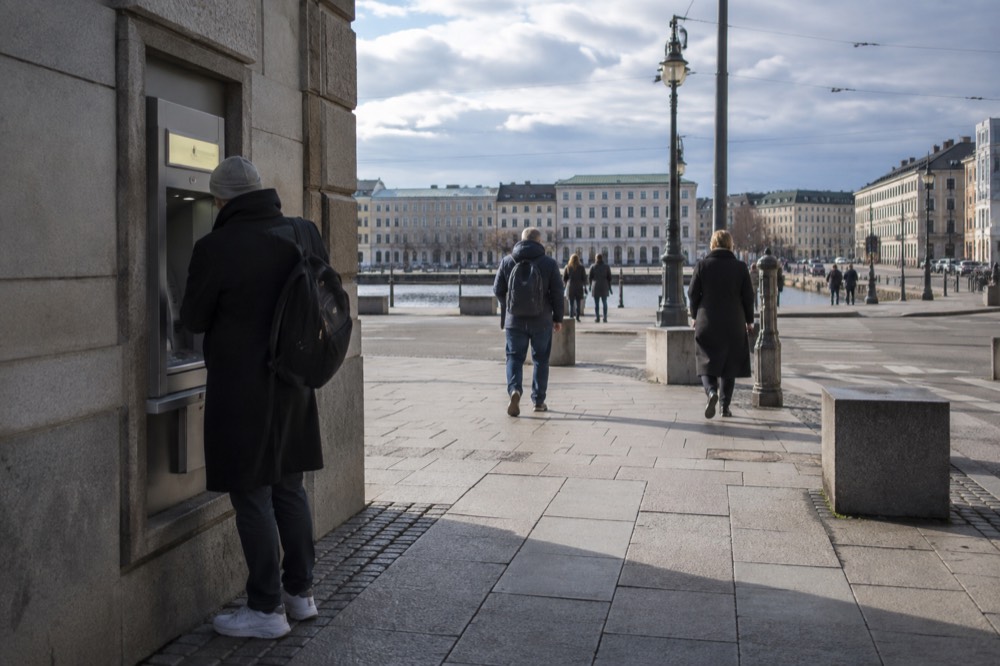
ATMs, marked Bankomat, are widespread in central Gothenburg around Avenyn, Nordstan and Liseberg, and they accept foreign cards for kronor withdrawals, but exchange offices are rare and airport rates are poor, so the cheapest route to Swedish money is almost always a direct card withdrawal or simply paying by card throughout. If you want a small cash buffer, withdraw once from a Bankomat rather than exchanging notes, and skip currency desks at Landvetter entirely except in an emergency.
The reason to carry a little cash at all, given how card-first the city is, is narrow: market stalls, a few flea-market vendors in Majorna, and the occasional tip jar. A few hundred kronor covers those cases. Everything else, hotels, restaurants, museums, transport, is card territory. If your bank charges a fixed fee per withdrawal, take one larger withdrawal instead of several small ones, and check whether your bank has a Swedish partner network before you leave, because per-withdrawal fees are the only way ATMs get expensive here.
A note on kronor psychology: Sweden's prices can look alarming until you stop converting. A 75 kr museum ticket is a modest amount in most visitors' home currencies, and the numbers that feel big, a 365 kr Liseberg day, a 125 kr transport day ticket, are the ones that buy the most. The seasonal timing matters too, because attraction opening calendars and prices shift through the year, and the month-by-month trade-offs are laid out in Best Time to Visit Gothenburg.
How Does Paying Work at Gothenburg's Biggest Attractions?
Liseberg sells entry and rides as separate products, with entry from 95 kr covering no rides at all, and it is not sold on any booking platform, so you buy at liseberg.se or the gate. Universeum is card only, dynamically priced and cashless. Göteborgs konstmuseum takes card or Swish and charges 75 kr for a day ticket with free entry under 20. World of Volvo sells exhibition tickets from 120 kr online.
Every one of these venues will take your foreign card without hesitation, and none of them needs cash. The one attraction that catches budgets sideways is Liseberg, and the reason is the entry/ride split. Visitors see the 95 kr entry price, buy it, and discover inside that every ride is a separate purchase unless they hold an Åkpass. The combined ticket from 365 kr is the product most families actually want. The park's irregular calendar matters as much as its prices: in 2026 the summer season runs 18 April to 20 September, Halloween 2 October to 1 November, and the Christmas market 14 November to 23 December, with the park shut between seasons. The full breakdown lives in Liseberg: Rides, Tickets and When to Go.
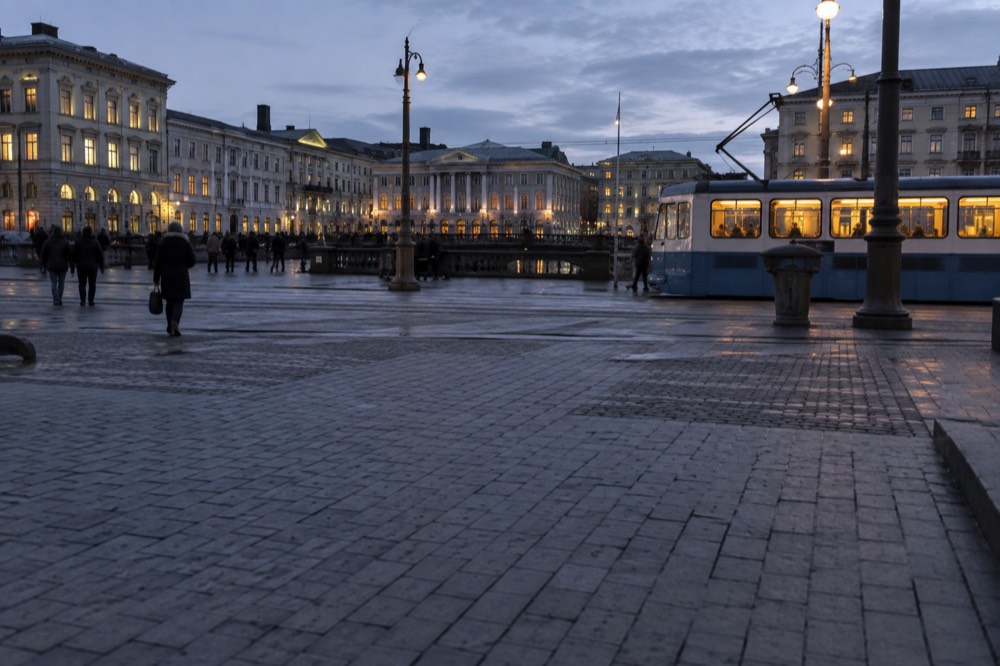
The museum quarter around Götaplatsen is the cheapest paid cluster in the city, and it carries a planning warning most guides miss: Göteborgs konstmuseum is scheduled to close in 2028 and reopen in 2032 for a rebuild, and the museum currently warns of intermittent blasting near the building. Visit while you can. The wider museum landscape, including which venues are free and which charge, is mapped in Gothenburg Museums.
Common Questions About Money, Cards and Cash in Gothenburg
Can I use cash in Gothenburg?
You can try, but you should not rely on it. Universeum and Göteborgs konstmuseum refuse cash outright, the tram system's ticket channels are card and app only, and many cafes display card-only signs. A small amount of kronor is useful for market stalls and casual tips, but a card covers everything else.
Do I need to tip in Gothenburg?
No. Service is included in Swedish prices or added as a labelled line on the bill, and staff are properly paid. Rounding up a restaurant bill is a friendly gesture, not an expectation, and overtipping can confuse people.
Is Swish available to tourists?
No. Swish requires a Swedish bank account and a Swedish phone number, so visitors cannot use it. You will see Swish QR codes at markets and in restaurants, but every one of those sellers also has a card terminal for you.
How much is a tram ticket in Gothenburg?
A single one-zone adult ticket costs 38 kr and a 24-hour Zone A ticket costs 125 kr, per Västtrafik's fare pages. The same Zone A ticket also covers the archipelago ferries from Saltholmen, which makes it one of the best-value transport tickets in Scandinavia.
Why is supermarket beer in Gothenburg weak?
Swedish law limits ordinary shops to beer at 3.5% ABV or below, defined as folköl in Alkohollag (2010:1622). Anything stronger, plus all wine and spirits, is sold only at Systembolaget, the state monopoly, which closes on Sundays.
Should I exchange money before going to Gothenburg?
Generally no. Exchange rates outside Sweden are poor, and the city barely needs cash. Pay by card throughout, and if you want a cash buffer, withdraw kronor once from a Bankomat ATM in the city centre rather than exchanging notes.
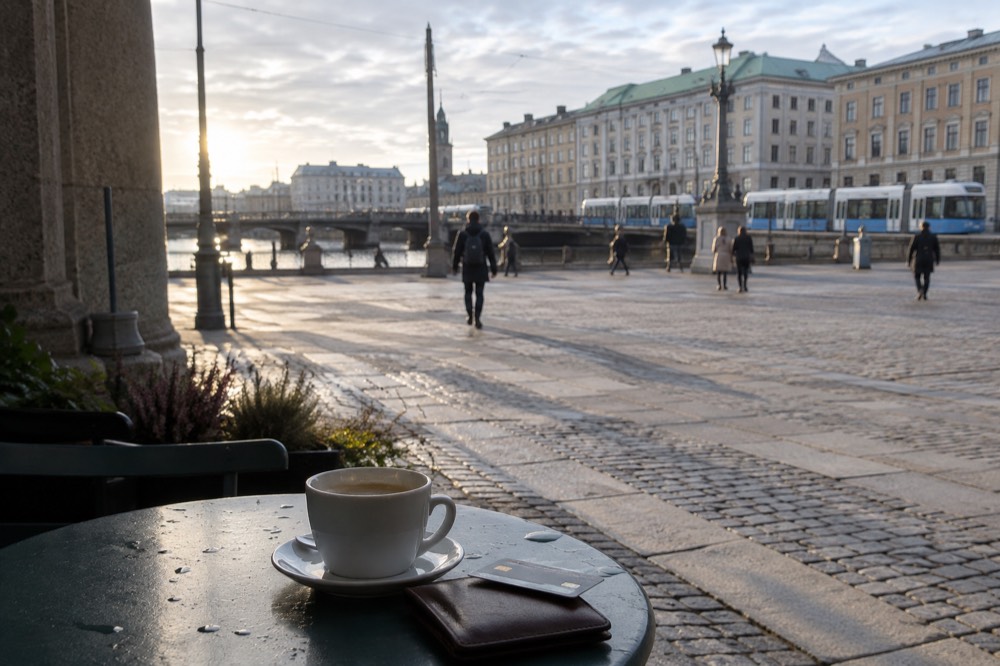
The short version of this whole page: Gothenburg is a card city with a phone-shaped future, and the only real mistakes available to a visitor are carrying cash nobody will take, tipping like you are in a country that expects it, buying weak supermarket beer and calling it Swedish beer, and budgeting for a tram discount that does not apply to visitor tickets. Get the card right before you fly, and the rest of the money side of Gothenburg takes care of itself.