Is Gothenburg Expensive? What a Trip Really Costs
Gothenburg sits in one of Europe's pricier countries, but the numbers that decide your budget are stranger than the headline: a tram-and-ferry day ticket costs 125 kr, Liseberg entry buys zero rides, and the sea is warmer in September than in June.
Short answer
Gothenburg is expensive by European standards but is Sweden's cheaper big city. A 24-hour tram and ferry ticket costs 125 kr, Liseberg entry starts at 95 kr with rides sold separately, and weekday lunch specials commonly run 110-150 kr. The expensive mistakes are specific and avoidable.
Sweden carries a reputation for prices that makes people open a currency app before they open a guidebook. Gothenburg, the country's second city with 613,274 residents at the end of 2025, is genuinely not cheap, but the honest answer is more interesting than that. The city runs on a set of costs that behave unusually: a single day ticket covers trams, buses and the ferries to the car-free archipelago islands, the biggest attraction in the city sells entry and rides separately, and the municipal city card that used to bundle transport no longer exists. Göteborg & Co reported over 6 million commercial guest nights in 2025, a record, which tells you plenty of people find the arithmetic works. This page assembles the real numbers, from the Västtrafik fare table to Liseberg's own price page, so you can build a budget that survives contact with the city.
Is Gothenburg an Expensive City to Visit?
Yes, Gothenburg is expensive by most European standards, but it is the affordable end of Sweden's big cities. A single tram ticket costs 38 kr, weekday lunch specials commonly run 110-150 kr, and hotel rates swing sharply with the season. Against that, the 125 kr 24-hour ticket covers every tram, bus and archipelago ferry in Zone A, and several of the best sights, including Slottsskogen's zoo and the harbour viewpoints, cost nothing at all.
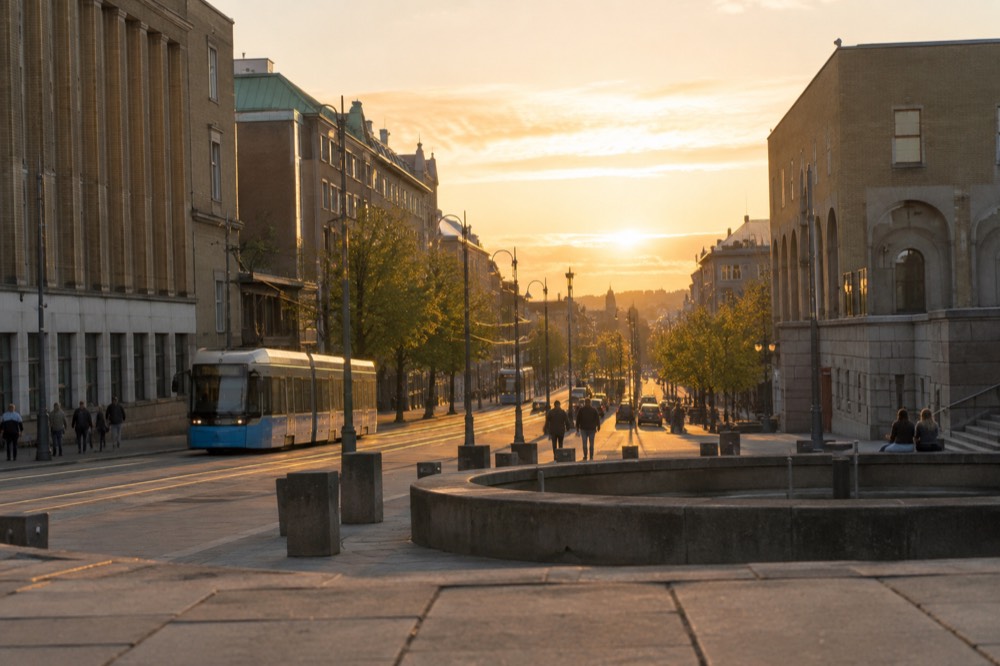
The structure of the city softens the headline rate. Gothenburg's costs concentrate in accommodation and alcohol; almost everything you move through in a day is either cheap or free. The tram network, 12 lines and 188 km of single track as of the 2022 annual report, carried 126 million journeys in 2025, and it reaches nearly everything a visitor wants. Rain does not add cost the way it does in cities built around paid indoor attractions: SMHI's 1991-2020 normals for station Göteborg A put annual rainfall at 912 mm over 127 days, roughly one day in three, and the driest month is April, not a summer month. Pack a shell jacket and the weather stops being a line item.
For a frame of reference on how the city compares to the capital, see Gothenburg or Stockholm: which to visit. The short version: Stockholm runs meaningfully dearer on hotels and food, and Gothenburg's compactness keeps taxi spending near zero.
How Much Does Transport Cost in Gothenburg?
A single adult tram or bus ticket in Zone A costs 38 kr, and the ticket every visitor should actually buy is the 24-hour Zone A ticket at 125 kr, which covers all trams, buses and the archipelago ferries from Saltholmen. Youth fares (7-19) run 29 kr single. There is no rail link to Landvetter Airport; the Vy flygbussarna coach takes 20 minutes to the centre.
Västtrafik's fare table is the backbone of any Gothenburg budget. The zone system is simple: Zone A covers Göteborg, Partille, Mölndal and Öckerö, which includes the southern archipelago islands. That last point is the single best-value fact in the city. Västtrafik's own zone material states you can ride the same ticket from the centre all the way out onto the open sea, so a 125 kr day ticket buys a tram to Saltholmen, the ferry to Styrsö, Brännö, Donsö, Vrångö, Asperö or Köpstadsö, the islands themselves, and the ride home. Vasttrafik's tram, bus and boat network map shows the ferry lines inside the ordinary network, and the single-ticket fare page carries the prices in the table below.
One trap deserves a warning. A temporary state subsidy currently halves every 30-day period ticket, cutting a Zone A adult monthly from 890 kr to 445 kr, but it does not touch the 24-hour and 72-hour day tickets a visitor buys. Do not read "transport is half price in Gothenburg" anywhere and plan around it; your 125 kr day ticket costs 125 kr. The full fare structure is laid out in getting around Gothenburg: trams, tickets and zones.
| Ticket | Adult price | Notes |
|---|---|---|
| Single, 1 zone | 38 kr | Youth 29 kr |
| Single, 2 zones | 76 kr | Youth 58 kr |
| Single, 3 zones | 114 kr | Youth 87 kr |
| 24-hour, Zone A | 125 kr | Same price in app or shop; covers archipelago ferries |
| 30-day, Zone A | 445 kr | Temporarily halved by state subsidy through year end |
Airport transfer is a separate line. Swedavia states the coach journey between Landvetter and central Göteborg takes 20 minutes, and the operator is now branded Vy flygbussarna, not the old Flygbussarna name. There is no train to Landvetter at all, which is itself useful planning information. The full comparison of coach, bus and taxi options is in Gothenburg Landvetter airport to the city centre.
How Much Does Liseberg Cost?
Liseberg entry starts at 95 kr online and buys zero rides: the Åkpass ride pass is sold separately from 310 kr, or combined with entry from 365 kr. Children under 110 cm enter free. The park is also closed for long stretches, running 18 April to 20 September, 2 October to 1 November and 14 November to 23 December in 2026, and shut between those seasons.
The entry/ride split is the cost most visitors get wrong. Liseberg's own price page is explicit that the ride pass includes free rides but the entry ticket does not, so a family that buys 95 kr entries and nothing else has bought a walk through a park they cannot ride in. The evening tickets, valid from 18:00, are the genuine saving: an Entré + Åkpass Kväll starts at 275 kr, 90 kr under the daytime combined price. Liseberg does not sell through any booking platform, so the park's own price page is the only place to buy.
The calendar matters as much as the prices. A visitor arriving in late January or early March finds the biggest attraction in the city closed, and one arriving between 21 September and 1 October finds it shut too, with the autumn Kaninlandet season premiering 26 September as the exception. Details, ride-by-ride pricing and the season calendar are in Liseberg rides, tickets and when to go, and the Halloween and Christmas seasons are covered in Liseberg's seasons: summer, Halloween and Christmas.
How Much Do Museums and Attractions Cost?
The Gothenburg Museum of Art charges 75 kr with free entry for everyone under 20, Universeum is dynamically priced with no fixed published adult rate, World of Volvo tickets start from 120 SEK online, and the old Volvo Museum at Arendal closed permanently in December 2023. A Go City All-Inclusive pass covers 20+ attractions from $56 on our roster, which can undercut individual tickets if you plan to visit three or more big ones.
Museum pricing in Gothenburg is low by the standards of other Nordic capitals, and several entries are free outright. The art museum at Götaplatsen charges 75 kr for a day ticket, students enter free with ID, and the Hasselblad Center is included in the same ticket. Note the planning horizon, though: the museum's own rebuild page states it closes in 2028 and reopens in 2032, and it currently warns of intermittent blasting near the building. Universeum, the science centre, uses demand-based pricing with booked time slots, so there is no fixed adult price to quote; its site states the on-site price is the online price plus 30 kr, which makes booking ahead a real saving rather than a convenience.
The Volvo story is the one stale fact that costs people money. The old Volvo Museum at Arendal closed permanently in December 2023, and every guide still sending readers there is sending them to a shut building. Its successor, World of Volvo, sells exhibition tickets from 120 SEK online, and the factory tour to Torslanda runs from 175 SEK on weekdays. The details are in the Volvo Museum and World of Volvo and World of Volvo.
| Attraction | Entry cost | Free categories |
|---|---|---|
| Göteborgs konstmuseum | 75 kr day ticket | Under 20, students with ID |
| Universeum | Dynamic, book a time slot | Under 3 (free ticket needed) |
| World of Volvo | From 120 SEK online | None published |
| Liseberg (entry only) | From 95 kr | Under 110 cm |
| Slottsskogen park and zoo | Free | Everyone |
| Göteborgs Stad museum district viewpoints | Free | Everyone |
The pass question deserves its own arithmetic. The old Göteborg City Card, which bundled public transport, no longer exists under that name; the current product is Go City's, and unlike the old municipal card it does not include transport. Whether the pass pays off depends entirely on how many paid attractions you stack into its validity window, which is worked through in the Göteborg City Card: is it worth it?.
How Much Does Food Cost in Gothenburg?
Weekday lunch specials in Gothenburg commonly run 110-150 kr and usually include bread, salad and coffee, dinner mains at mid-range restaurants start from around 200 kr with seafood pushing higher, and beer above 3.5% ABV is sold only through Systembolaget, which shapes every drinks budget. Fika, the coffee-and-bun break, is the cheap meal of the day at roughly 50-80 kr for coffee and a cinnamon bun.
Food is where Gothenburg rewards planning without punishing spontaneity. The lunch culture is the structural saving: weekday lunch specials, dagens lunch, are close to universal in the city centre and typically include bread, salad and coffee, which makes lunch the cheap meal and dinner the expensive one. Feskekôrka, the fish-church building on Rosenlundsgatan, reopened in 2024 as a food hall with two fish counters and five restaurants, so a seafood lunch there now spans everything from counter shrimp to sit-down plates. What to eat and where is covered in where to eat in Gothenburg, and the coffee culture gets its own page in fika in Gothenburg: how it works and where to do it.

Alcohol is the budget-breaker, and the reason is statutory. Under Alkohollag (2010:1622), beer over 2.25% but not over 3.5% ABV is folköl and sold in supermarkets; anything stronger, plus all wine and spirits, is sold only by Systembolaget, the state monopoly. Restaurant and bar prices sit on top of that monopoly wholesale cost, so a beer with dinner costs what a supermarket beer costs plus a heavy margin. The practical consequence for a budget: if drinking matters to your trip, budget for it separately, because it is the line that grows fastest. Check the actual menu prices where you eat, since ranges vary by room. The full index of guides sits on Gothenburg Travel Guide.
| Meal or item | Typical range | Notes |
|---|---|---|
| Fika (coffee + bun) | 50-80 kr | The cheap meal of the day |
| Lunch special (dagens lunch) | 110-150 kr | Weekdays, usually includes salad and coffee |
| Dinner main, mid-range | From around 200 kr | Seafood pushes higher; check the room |
| Shrimp sandwich (räkmacka) | 150-250 kr | The city's signature dish |
| Supermarket beer (folköl, up to 3.5%) | 15-25 kr | Anything stronger: Systembolaget only |
| Restaurant beer | 60-90 kr | Check the room; ranges vary |
How Much Does Accommodation Cost in Gothenburg?
Hotel rates in Gothenburg are not published as a single stable figure, but the pattern is well defined: prices swing sharply with the season, rising during Liseberg's summer season, the Way Out West festival in August and the Christmas market weeks, and dropping hardest in the winter low season. The 2025 record of over 6 million guest nights means peak weekends sell out in a city with a finite centre, so the date you choose matters more than the hotel you choose.
Seasonality drives hotel prices harder than in most cities of this size, because the demand peaks are concentrated. Göteborg & Co's 2025 figures showed international guest nights up around 15% year on year, and the record 6 million total guest nights means summer and event weekends sell out early. Compare live rates for your exact dates rather than trusting any single printed number, because the difference between a February weekend and an August one can exceed the cost of a night elsewhere. The neighbourhood choice matters as much as the date: staying near the tram spine in Majorna or Vasastan trades a ten-minute ride for a meaningfully lower rate, and the trade-offs are laid out in where to stay in Gothenburg.
Timing is the other lever. The shoulder months are genuinely quiet: April is the driest month of the year at 51.3 mm against October's 102.9 mm, and the sea reaches its warmest in August at 18.6 C, with September water (16.7 C) warmer than June water (16.2 C). The month-by-month case is made in best time to visit Gothenburg.
What Does a Day in Gothenburg Actually Cost?
A mid-range day in Gothenburg adds up from verified pieces: the 125 kr day transport ticket, a 110-150 kr lunch special, one paid attraction such as the 75 kr art museum or a canal cruise from $28 on our roster, and dinner from around 200 kr. A budget day using free sights, supermarket picnic food and the same 125 kr ticket costs little beyond those pieces, while a full Liseberg day adds 365 kr per person for entry with rides before any food.
The spread is wide because the city allows both ends. The free tier is genuinely substantial: Slottsskogen's zoo and park costs nothing, the hilltop viewpoints at Masthuggskyrkan and Ramberget cost nothing, the Haga quarter's wooden streets cost nothing, and the archipelago islands themselves cost nothing once the ferry is covered by the day ticket. The catalogue is in free things to do in Gothenburg.
| Budget tier | What the day looks like | Cost drivers |
|---|---|---|
| Budget | Day ticket, free sights, fika, supermarket food | 125 kr ticket plus food |
| Mid-range | Day ticket, lunch special, museum or cruise, dinner | Adds attraction entry and a sit-down dinner |
| High | Tours, seafood dinners, Liseberg with rides, event nights | Liseberg combined ticket from 365 kr plus tours and drinks |
Is the Gothenburg Archipelago Expensive?
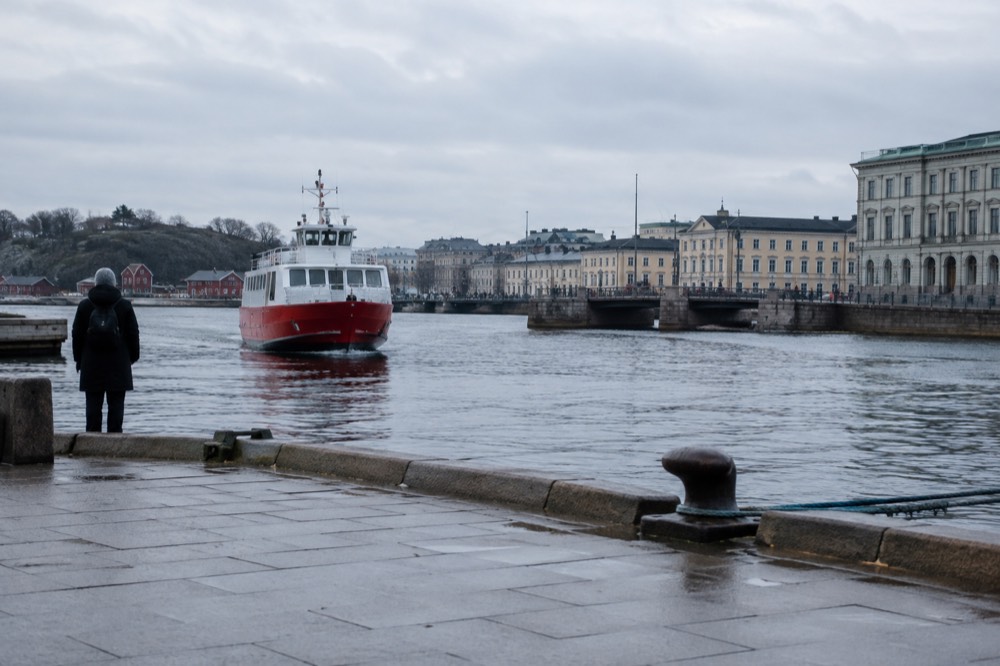
No, the southern archipelago is one of the cheapest island trips in Scandinavia, because the islands are areas of Gothenburg served by ordinary Västtrafik ferries covered by the 125 kr day ticket or even a 38 kr single. Private cars are banned on the islands, so there is no rental car, parking or ferry-fee line in the budget at all.
This is the fact that reorganises a Gothenburg budget. In most archipelagos the boat fare is a special ticket at a special price; here the islands sit in Zone A, the same zone as the city centre, and the ferries carry Västtrafik line numbers. A visitor holding a 24-hour ticket can spend a whole day on Styrsö or Vrångö for the price of the ticket they likely bought anyway. Göteborgs Stad's own study states the islands are protected from car traffic, with only taxi and emergency vehicles on the roads. How the boats work, which island suits which day, and the seasonal timetable quirks are covered in the Gothenburg archipelago, how to get to the Gothenburg archipelago and which Gothenburg archipelago island should you visit.
If you would rather have a guide with the crossing, the guided archipelago cruise runs 2.5 hours from $44 per person, and the operator's live listing carries the current rating of 4.4 from 1,488 reviews. It is a different product from the DIY ferry day, priced accordingly.
What Do Day Trips from Gothenburg Cost?
Day trips are the most expensive line in a Gothenburg budget after accommodation: Marstrand, the Bohuslän coast and Läckö Castle all sit outside the city, and the guided options on our roster run from $148 per person for the Marstrand sailing trip to $515 per person for a private Lake Vänern and Läckö Castle day. Travelling independently by train or bus instead cuts each of these to a fraction of the guided price.
The distinction matters for the budget: the archipelago islands are inside the city and inside Zone A, while Marstrand, the Bohuslän coast, Tjolöholm, Gunnebo, Trollhättan and Läckö are genuine day trips with genuine travel costs. The train-based options, with their fare arithmetic, are worked through in day trips from Gothenburg and day trips from Gothenburg by train.
So Is Gothenburg Worth the Money?
Gothenburg costs roughly what you would expect of Sweden minus the Stockholm premium, and its structure rewards the visitor who buys one 125 kr day ticket, eats the lunch special, times Liseberg deliberately and spends a ferry day in the archipelago. The expensive mistakes are specific and avoidable: paying 95 kr for Liseberg entry without rides, buying a pass for attractions you will not visit, and budgeting for a city card that no longer exists.
The honest summary is that the city is expensive in the ways Sweden is expensive everywhere, and cheap in ways that are specific to Gothenburg. The 2025 record of over 6 million guest nights suggests the value equation holds for a lot of travellers. Whether three days is enough to justify the trip is a separate question, answered in how many days do you need in Gothenburg, and the winter low-season case, when [hotel rates](https://booking.tpk.ro/j05HqmgL) drop hardest, is made in Gothenburg in winter. For the fullest cost comparison against the capital's own prices, see Gothenburg or Stockholm: which to visit.
If sightseeing from the water appeals but a full archipelago day does not fit, the amphibious bus tour is the middle option: it runs one hour from $36 per person, and the operator's live listing currently shows a rating of 4.7 from 4,326 reviews. It is the kind of add-on that makes sense only if it replaces another paid attraction, not if it stacks on top of three of them.
Common Questions About Gothenburg Trip Costs
Is Gothenburg expensive to visit?
Yes by most European standards, but it is the cheaper of Sweden's two big cities. The verified pieces of a day are cheap: the 125 kr transport day ticket, 110-150 kr lunch specials and free sights like Slottsskogen. Hotel rates swing sharply with the season, so compare live rates for your dates.
How much is a day pass in Gothenburg?
A 24-hour Zone A ticket costs 125 kr for an adult, the same price in the app or at a shop, and it covers trams, buses and the archipelago ferries from Saltholmen.
How much does Liseberg cost?
Entry starts at 95 kr online but includes no rides. The ride pass (Åkpass) starts at 310 kr, or entry plus rides together from 365 kr. Evening combined tickets from 18:00 start at 275 kr.
Is food expensive in Gothenburg?
Dinner mains at mid-range restaurants start from around 200 kr, but weekday lunch specials commonly cost 110-150 kr and include salad and coffee. Fika, coffee plus a bun, runs about 50-80 kr.
Why is alcohol so expensive in Gothenburg?
Swedish law restricts retail of anything above 3.5% ABV, plus all wine and spirits, to the state monopoly Systembolaget. Restaurant prices sit on top of that, so a restaurant beer typically costs 60-90 kr.
Is the Gothenburg archipelago free to visit?
The islands are not free, but they are cheap: they sit inside Västtrafik Zone A, so the ordinary 125 kr day ticket or even a 38 kr single covers the ferry. Private cars are banned on the islands, so there are no other transport costs once you are there.