Where to Stay in Gothenburg, Sweden: The Best Neighbourhoods Area by Area
Gothenburg is small enough that almost nowhere is a bad place to sleep, but the district you pick changes the trip: canal-side stone, wooden Haga, student Linné or the boatyards of Majorna.
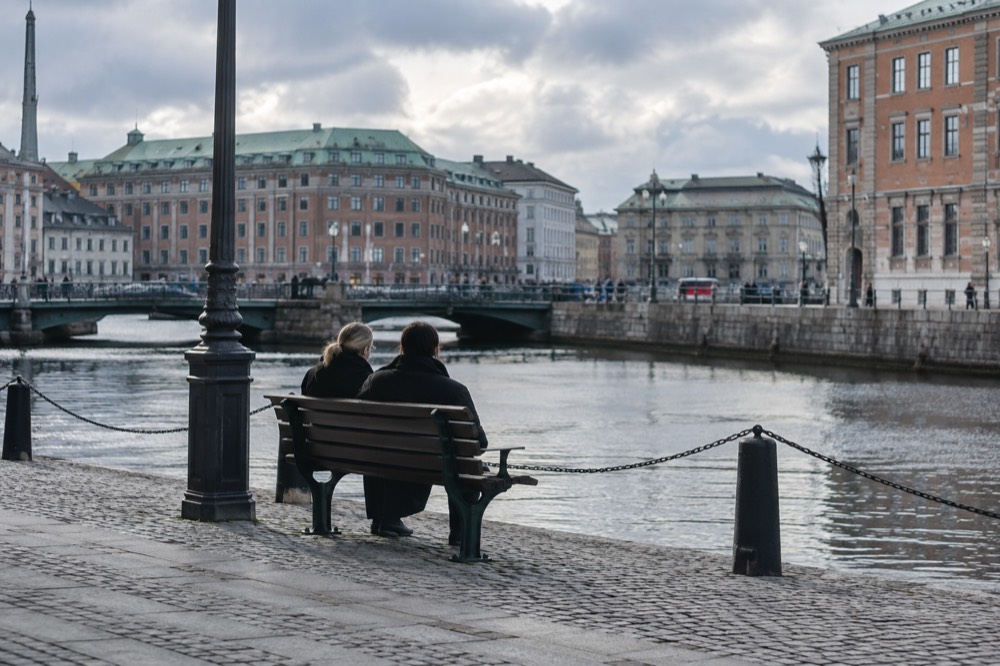
Short answer
For a first visit, stay inside or beside the old town canal ring or around Avenyn: both put you within a short tram ride of everything. For character over convenience, choose Haga or Linné; for harbourside calm, Majorna. The southern archipelago islands are areas of the city themselves, reached on an ordinary Zone A ticket.
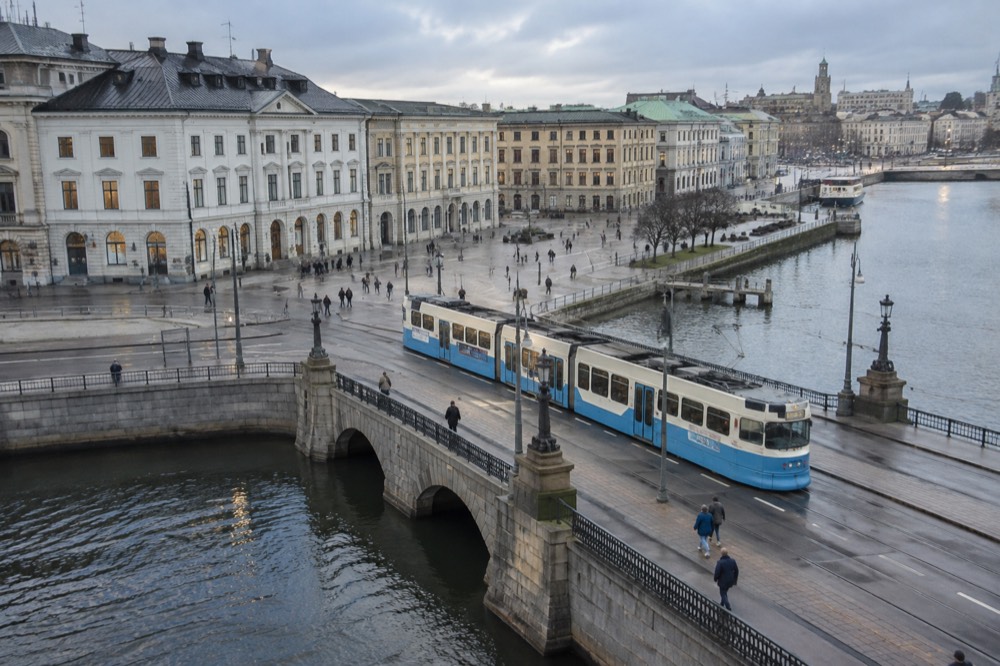
Gothenburg runs on a simple geography: a Dutch-engineered old town inside a moat, a grid of granite and red brick spreading outward from it, and a tram network that stitches the whole city together, 12 lines and 188 kilometres of single track according to Göteborgs Spårvägar's own annual report. That last number matters more than any hotel review. Because the trams reach from Mölndal in the south to Angered in the north and out to Saltholmen in the west, the question of where to stay in Gothenburg is less about distance and more about which district's character you want to wake up in.
This guide walks the city area by area, from the canal ring outward, with the trade-offs spelled out. It also kills a few myths along the way, because accommodation advice for Gothenburg online is full of stale facts: the Volvo Museum at Arendal closed permanently in December 2023, the old Göteborg City Card no longer exists, and SMHI's own data does not support the claim that this is Sweden's rainiest city. If a hotel listing or a blog leans on any of those, treat the rest of its advice with caution.
Which Area of Gothenburg Should You Stay In?
For a first visit of two or three nights, stay in or immediately around the old town canal ring, roughly between Göteborg Centralstation and Kungsportsplatsen: everything walkable is there, and everything not walkable is on a tram. For a longer stay, split your loyalty between character districts: Haga for wooden houses and calm, Linné and the Långgatorna strip for cafés and nightlife, Majorna for second-hand shops and harbour air. Families and Liseberg-focused visitors should look at the Korsvägen end of Avenyn instead.
The canal ring is the argument winner for one simple reason: the Paddan boats leave from it, the main shopping streets open off it, and the Centralstation side puts you on the airport coach route, Vy flygbussarna, which runs Landvetter to Korsvägen to Göteborg C in a stated 20 minutes. Swedavia publishes that timing, and it is the same in both directions.
There is no single "best" district, and anyone who tells you otherwise is selling something. What follows is an honest comparison of the districts visitors actually book.
| District | Character | Best for | Trade-off |
|---|---|---|---|
| Inom Vallgraven (old town) | Canal ring, stone, finance by day | First-timers, short stays | Quiets down at night, pricier |
| Nordstan / Centralstation | Transport hub, shopping mall | Airport arrivals, early trains | Functional rather than charming |
| Avenyn / Götaplatsen | Wide boulevard, museums, nightlife | Nightlife, families near Liseberg | The least "Swedish-feeling" district |
| Haga | Wooden landshövdingehus, cafés | Character seekers, couples | Small hotel stock, books out early |
| Linné / Långgatorna | Student quarter, restaurant strip | Food and bar nights | Noisy on weekends |
| Majorna | Second-hand shops, shipyard heritage | Longer stays, budget travellers | A tram ride from the centre |
| Hisingen (Lindholmen) | Waterfront tech district | Business travellers | Dead on weekends |
One structural fact shapes all of it: Gothenburg recorded over 6 million commercial guest nights in 2025, a record year with the strongest growth in Sweden according to Göteborg & Co's January 2026 press release, and international guest nights grew around 15 percent in the first ten months of the year. Demand is real, and the character districts feel it first. Book Haga or Linné early, especially around events like Way Out West, which the Way Out West festival guide covers in detail, because that weekend empties the city's hotel stock.
If you want to see the districts before committing, the amphibious bus tour is a genuinely efficient way to do it.
Is the Old Town the Best Place to Stay in Gothenburg?
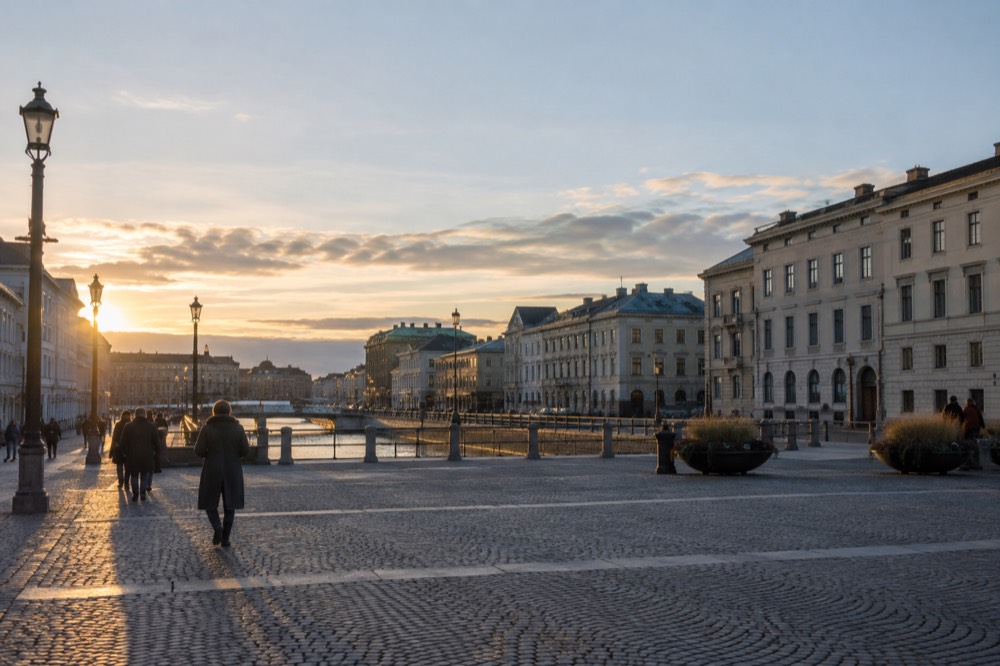
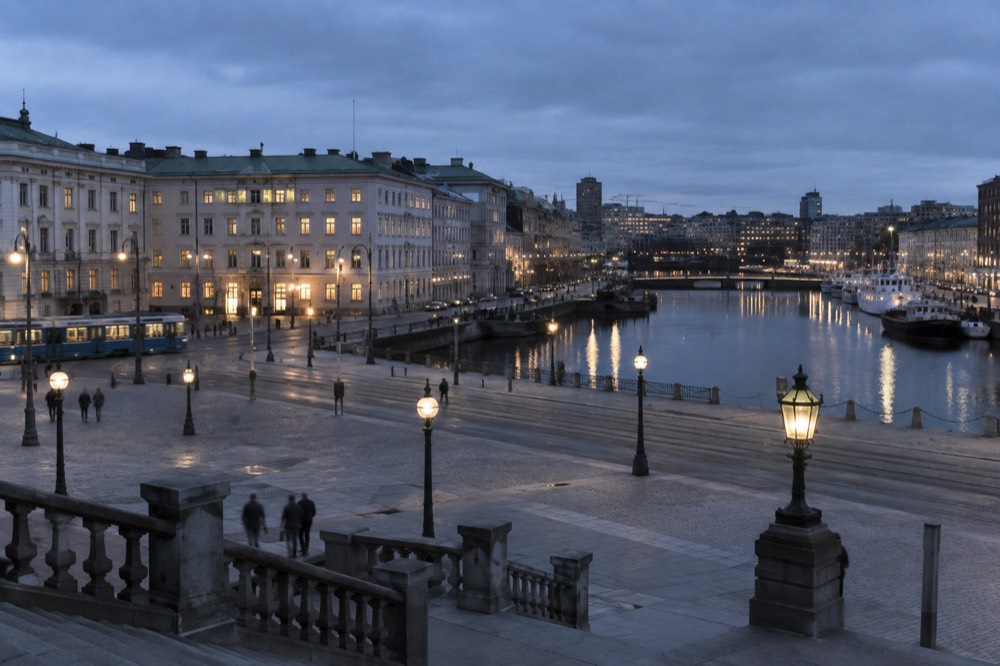
The old town, Inom Vallgraven, is the best base for a first visit of one to three nights: the canal ring puts you within walking distance of the cathedral, the main shopping streets, Feskekôrka and the Paddan boat departure point, while Centralstation and the airport coach terminus sit on its western edge. The trade-off is that it empties in the evening, since it is largely offices and retail, so nightlife means a tram or a walk to Linné or Avenyn.
The district is the moated core the Dutch engineers laid out in the seventeenth century, and it still reads that way: a compact grid inside the surviving canal, with the cathedral and the Vallgraven quarter at its heart. Hotels here are mostly mid-range and business-oriented, with a handful of upmarket options along the water.
The practical advantage is the transport. From the Centralstation edge you can reach, per Västtrafik's fare pages, anywhere in Zone A on a single ticket, and Zone A covers Göteborg, Partille, Mölndal and Öckerö, which includes the southern archipelago ferries. The Centralstation guide explains the station itself; the short version is that everything in the region converges there.
The food situation here changed recently. Feskekôrka, the fish-church-shaped market hall on Rosenlundsgatan, reopened in 2024 as a food hall with two fish counters and five restaurants, not the fish-counter-only building older guides describe. The Feskekôrka guide has the current details. For evening eating, the old town is thinner than its reputation; the where to eat guide points to the stronger districts.
For orientation on day one, the amphibious bus is hard to beat: it drives the streets, then splashes into the harbour, and the listing shows a 4.7 rating from 4,326 reviews over a one-hour run.
Should You Stay Near Avenyn and Götaplatsen?
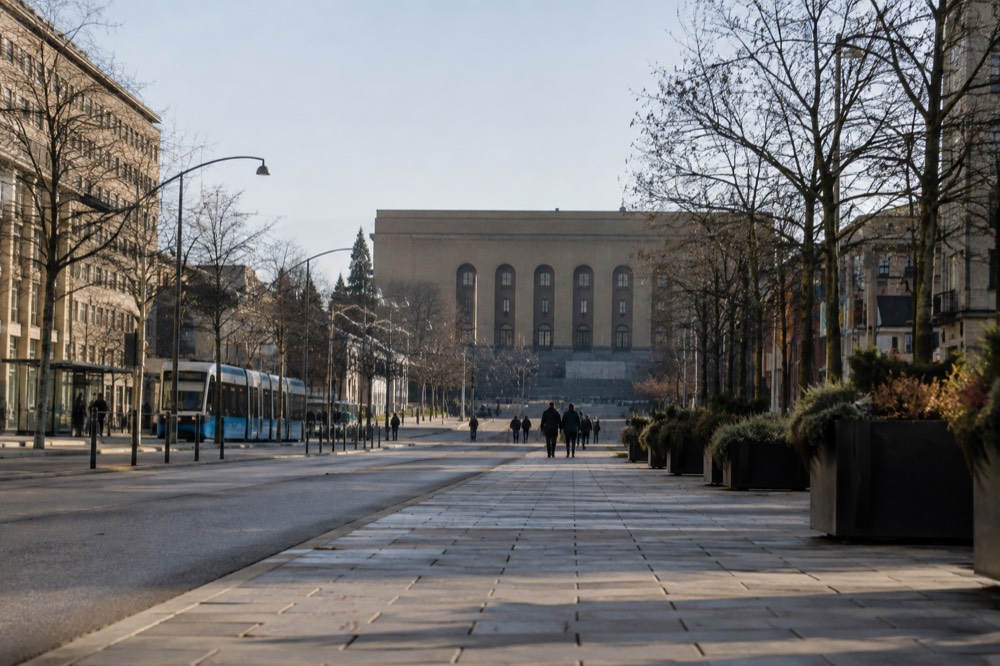
Avenyn is the right choice for visitors whose trip centres on museums, nightlife and Liseberg: the boulevard runs straight down to Götaplatsen with the art museum at its head, Liseberg and Universeum sit within walking distance at the Korsvägen end, and the airport coach stops at Korsvägen on its way into town. The trade-off is that Avenyn is the most generic part of Gothenburg, wide and modern, and it can feel like any European city's main drag.
The museum cluster is the argument. Göteborgs konstmuseum sits at Götaplatsen with around 70,000 works and roughly 250,000 visitors a year, and the Hasselblad Center is included in its admission. One planning note that most guides miss: the museum's own rebuild page states it closes in 2028 and reopens in 2032, and there is intermittent blasting near the building right now. If you are [booking a hotel](https://booking.tpk.ro/j05HqmgL) near Götaplatsen partly for the museum, know the clock is running on that.
Families should look hard at this end of the city. Liseberg's 2026 calendar, published on liseberg.se, runs summer 18 April to 20 September, Halloween 2 October to 1 November, and the Christmas market 14 November to 23 December, with the park shut for the gaps between and from 24 December to mid-April. Entry from 95 kr buys zero rides; entry and a ride pass together start at 365 kr online. The Liseberg rides and tickets guide unpacks all of it. Universeum, next door, is open every day of the year, 10:00 to 18:00, with dynamically priced timed entry and no fixed published adult price.
| Liseberg 2026 season | Dates | Source |
|---|---|---|
| Summer (Lisebergsparken) | 18 April - 20 September | liseberg.se |
| Halloween | 2 October - 1 November | liseberg.se |
| Christmas market | 14 November - 23 December | liseberg.se |
| Closed | 21 Sep - 1 Oct, 2 - 13 Nov, 24 Dec to mid-April | derived from the above |
If the Korsvägen end of Avenyn is starting to look like your base, one hour on the amphibious bus will confirm it: the route passes the boulevard, the museum district and the harbour in a single loop, which is the cheapest reconnaissance a hotel decision ever gets.
The nightlife case for Avenyn is covered in the Gothenburg nightlife guide, though locals will tell you the Långgatorna strip in Linné is where the city actually drinks. They are right, and that is the next district.
Is Haga the Most Characterful Place to Stay in Gothenburg?
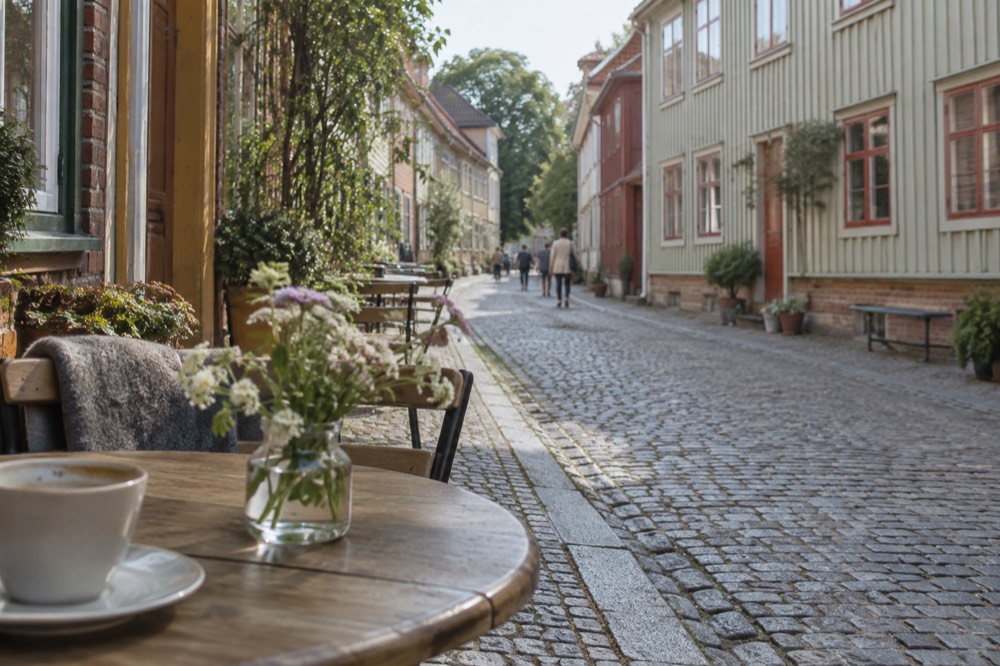
Haga is the district to book when atmosphere matters more than square metres: Sweden's best-preserved wooden-house quarter, with cobbled lanes, landshövdingehus buildings, and the city's most famous cinnamon-bun café at its centre, all a ten-minute downhill walk from the canal ring. The trade-off is a thin hotel supply, mostly small guesthouses and apartments, and it books out early in summer and around Christmas.
Haga was the working-class district outside the old moat; now it is the postcard. The Haga old town guide covers the streets and the history, and the fika guide explains why the queue outside Café Husaren is for giant cinnamon buns, not coffee.
Haga also puts you at the foot of Skansen Kronan, one of the city's hilltop forts, with the viewpoint walk covered in the Skansen Kronan and hilltop forts guide. The climb is short and the panorama over the red roofs is the best free thing in the district, one of many in the free things to do guide.
Is Linné and the Långgatorna Strip a Good Place to Stay?
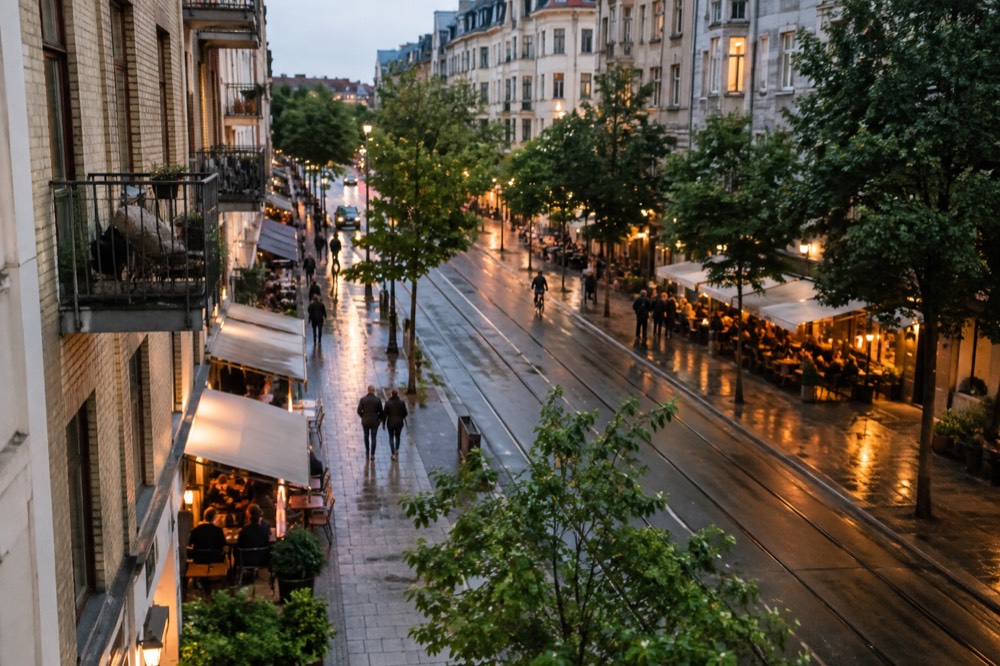
Linné is the district for visitors who plan their trips around restaurants and bars: the Långgatorna strip is the densest concentration of eating and drinking in the city, the park and botanical side of the district is green and calm, and it sits one tram stop from the canal ring. The trade-off is weekend noise along the strip itself, so book a street or two back if you sleep light.
The Linné district wraps around Trädgårdsföreningen, the Garden Society park, one of the best-preserved nineteenth-century pleasure gardens in Europe, covered in the Garden Society guide. By day it is strollers and greenhouse cafés. By night the Långgatorna streets take over, and the craft beer and bars guide maps the good rooms.
One honest warning for beer drinkers: above 3.5 percent ABV, beer is sold only by Systembolaget, the state monopoly, under Alkohollag (2010:1622). Supermarket shelves carry folköl at 3.5 and below, often reformulated versions of the same brands. Bar prices reflect the monopoly markup, which the is Gothenburg expensive guide breaks down alongside everything else you will pay for.
Should You Stay in Majorna?
Majorna is the best-value character district in Gothenburg: former shipyard workers' housing, second-hand shops, harbour views and a tram line straight into the centre, at noticeably lower room rates than Haga or the canal ring. The trade-off is that it is a residential district first, so you will ride a tram for the old town, and the restaurant count is modest, though rising.
Majorna is where the city's shipyard past is still visible from the kitchen window. The Majorna second-hand quarter guide covers the streets, and the free GuruWalk tour of the district, "Majorna, were Gothenburg comes alive", rated 4.77 from 234 reviews on GuruWalk, is a tip-based walk with the guru that runs about an hour and a half. GuruWalk also runs three English-language free walks elsewhere in the city and one Spanish-only walk, so check the language on the listing before you book.
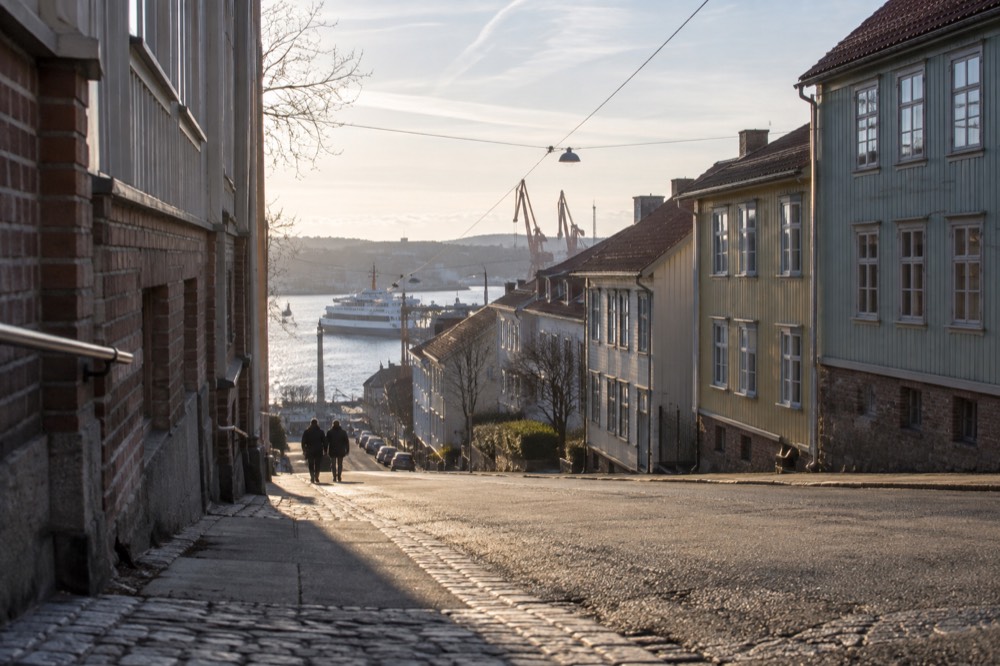
From Majorna the tram runs west to Saltholmen, the archipelago ferry terminal and the western terminus of the whole tram network. That is the quiet superpower of a Majorna base: you are first on the boat to the car-free islands, which are areas of Gothenburg itself, not day trips. The southern archipelago guide and the how to get to the archipelago guide cover the crossings, and the getting around guide covers the ticket logic.
| Visitor ticket | Price | Notes |
|---|---|---|
| Single, 1 zone, adult | 38 kr | Västtrafik fare page |
| Single, 1 zone, youth | 29 kr | Ages 7-19 |
| 24-hour, Zone A, adult | 125 kr | Covers trams, buses and archipelago ferries |
| 30-day, Zone A, adult | 445 kr (halved from 890) | Temporary state subsidy, through year end |
Note the carve-out: the subsidy halves 30-day period tickets only. The 24-hour and 72-hour day tickets visitors actually buy are not discounted, so ignore any headline claiming transport in Gothenburg is half price. Västtrafik's own pages at vasttrafik.se carry the current fares.
Is Hisingen and Lindholmen a Good Place to Stay?
Hisingen is a business-district choice rather than a holiday one: Lindholmen's waterfront towers, the university campus and the tech offices come with modern hotel stock at gentler weekend rates, and the views across the river to the city are real. The trade-off is that it empties after the working day, and weekend dining options shrink sharply, so it suits confident, self-directed travellers more than first-timers.
The river crossing itself is one of the city's pleasures, and the Röda Sten and Älvsborg bridge guide covers the arts centre and the bridge-side walk. The Lindholmen and Hisingen waterfront guide maps the district. For a view that costs nothing, Ramberget on Hisingen gives the skyline panorama locals use, as the Ramberget guide explains.
Where Should You Stay for the Archipelago and the Sea?
For a sea-focused stay, book Majorna or anywhere on the tram 11 corridor toward Saltholmen, or go one better and stay on the islands themselves: Styrsö, Brännö, Donsö and Vrångö are areas of Gothenburg with year-round residents, guesthouses and cabins, all inside Zone A, so your ordinary Västtrafik ticket carries you from your hotel door to the ferry and across the water.
This is the fact that reorganises the whole accommodation question. The islands of the southern archipelago are car-free, protected from private car traffic by city ordinance, and served by Västtrafik ferries from Saltholmen. A 125 kr day ticket covers the tram to the terminal and the boat to the islands. The Gothenburg archipelago guide covers the islands in depth.
Timing matters more than district here. SMHI's quality-controlled sea temperature record from the Vinga lighthouse station, published at smhi.se, shows the water peaks in August at 18.6 C, not July, and September water at 16.7 C is warmer than June water at 16.2 C. If an island stay with swimming is the goal, late August into September beats midsummer. The best time to visit guide and the swimming and beaches guide build on the same numbers.
A guided archipelago cruise is the sensible shakedown run before you commit to a night on an island, and the canal cruise shows you the city-side water.
Where to Stay in Gothenburg in Winter and at Christmas?
For a winter or Christmas-market stay, book the canal ring or the Korsvägen end of Avenyn: the Jul på Liseberg Christmas market runs 14 to 23 December, the old town's streets hold their lights best, and everything indoor, from Universeum, open daily, to the museums, sits within a short tram hop. The trade-off is 6 hours 32 minutes of daylight on 21 December, so plan indoor afternoons and lit evenings.
The daylight swing is the number to plan around: 6 h 32 m on the winter solstice against 18 h 06 m on the summer solstice, a swing of 11 hours 34 minutes. The daylight and darkness guide and the Gothenburg in winter guide cover what that does to a day, and the Christmas market guide covers the season itself.
Winter is also when the indoor city earns its keep, and the museums guide ranks the options, with the caveat that Göteborgs konstmuseum's 2028 closure is now on the calendar. If a museum-heavy winter trip is the plan, go sooner rather than later.
Common Questions About Where to Stay in Gothenburg
What is the best area to stay in Gothenburg for first-time visitors?
The old town canal ring, Inom Vallgraven, or the streets just north of Göteborg Centralstation. Everything walkable is on your doorstep, the airport coach terminates nearby, and the tram network covers the rest.
Is Majorna too far from central Gothenburg?
No. Majorna sits on the tram corridor between the centre and Saltholmen, a few minutes' ride from the canal ring, and the same 38 kr single or 125 kr day ticket that covers the trams also covers the archipelago ferries.
Where should families stay in Gothenburg?
The Avenyn and Korsvägen end of the city, near Liseberg and Universeum. Universeum is open every day of the year, and Liseberg's summer season runs 18 April to 20 September, with the Christmas market from 14 November. The Gothenburg with kids guide has the full family itinerary.
Can you stay overnight on the Gothenburg archipelago islands?
Yes. Styrsö, Brännö, Donsö and Vrångö are areas of Gothenburg with year-round residents, guesthouses and cabins, reached by Västtrafik ferry from Saltholmen on an ordinary Zone A ticket. The islands are car-free.
Is Haga a good place to stay?
For atmosphere, yes: it is Sweden's best-preserved wooden-house quarter with the city's most famous cinnamon-bun café. The hotel stock is small and books out early, so reserve well ahead in summer and at Christmas.
Does it matter which side of the river you stay on?
For sightseeing, slightly. Hisingen's Lindholmen district is modern and quiet on weekends, while the southern-bank districts, from the old town out to Majorna, hold most of the restaurants, museums and nightlife.
The last word goes to the tram, because in Gothenburg it settles every accommodation argument. Göteborgs Spårvägar counted 126 million journeys in 2025 across a network that runs from Saltholmen's ferry pier to Angered and over the bridge to Hisingen. Wherever you book, you are on it. The team at Gothenburg Travel Guide rates districts by what they are like at 8am, not by their marketing copy, and the honest summary is this: the canal ring for convenience, Haga for character, Linné for food, Majorna for value, the islands for the sea, and Avenyn only if Liseberg or nightlife is the point of the trip. If the visit is your first, the first-timers guide and the how many days guide will help you size the stay before you pick the pillow.