Craft Beer and Bars in Gothenburg, Sweden: The Full Guide
Gothenburg's beer culture runs on two engines: a dense craft brewery scene shaped by the west coast's maritime history, and a state alcohol monopoly that quietly dictates how every evening in Sweden works. Here is how to drink well in the city without tripping over the rules.
Short answer
Gothenburg is one of Sweden's strongest craft beer cities, with most bars clustered along Linnégatan, in Majorna and around Andra Långgatan. Bars serve normally every day, but retail beer above 3.5% ABV is sold only by Systembolaget, which closes early and shuts on Sundays. Plan bar-hopping around trams, which run on a single Zone A ticket.
Gothenburg, Sweden's second city, has quietly become one of the better beer cities in Scandinavia. The west coast has a long brewing tradition tied to its port history, and the modern scene has spread from a handful of pioneers into breweries and bars across Majorna, Linnégatan and the inner city. But the city also sits inside one of Europe's strictest alcohol regimes: anything stronger than 3.5% ABV cannot be bought in a supermarket, at any hour, at any price. That single rule, Alkohollag (2010:1622) 1 kap. 8, shapes every beer-focused evening here more than any tap list does.
This guide from Gothenburg Travel Guide covers how the monopoly actually works for a visitor, which neighbourhoods carry the bar scene, what the practical rules and costs are, and how to fold beer into a wider trip. Göteborg is the city's own name for itself; the bars below are real places you can reach by tram on an ordinary ticket.
Why Is Gothenburg a Good Beer City?
Gothenburg combines Sweden's densest concentration of craft breweries and beer bars outside Stockholm with a compact, walkable inner city, so a serious bar-hop can cover five or six venues in one evening without ever leaving the tram zone. The port city's brewing history, the west coast's access to good water and the student population around Vasastan all feed a scene that punches above the city's size.
The numbers behind the city's tourism boom explain why the bar scene keeps growing. Göteborg & Co's own reporting for 2025 counted over 6 million commercial guest nights in the region, a record year, with international guest nights up roughly 15% year on year. More visitors means more bars, and the craft segment has been an obvious beneficiary: new breweries and taprooms have opened steadily through the 2020s.
The character of the scene is distinctly west coast. Where Stockholm's beer culture leans sleek, Gothenburg's is unpolished and maritime: breweries in former industrial spaces in Majorna and on Hisingen, beer bars in wooden landshövdingehus buildings, and a heavy preference for IPAs, sours and stouts over lager-only lists. The city's second-hand quarter in Majorna, which has its own Majorna neighbourhood guide, doubles as one of the better bar districts.
There is also a structural reason the scene stays dense. The inner city is small enough that Järntorget, Linnéplatsen and Andra Långgatan sit within a fifteen-minute walk of one another, and the tram lines stitch Majorna and Hisingen into the same evening. In a bigger city a beer crawl means crossing town; in Gothenburg it means crossing a square. That geography is why the local scene supports so many small venues that would struggle elsewhere.
How Does the Systembolaget Monopoly Change a Beer Night in Gothenburg?
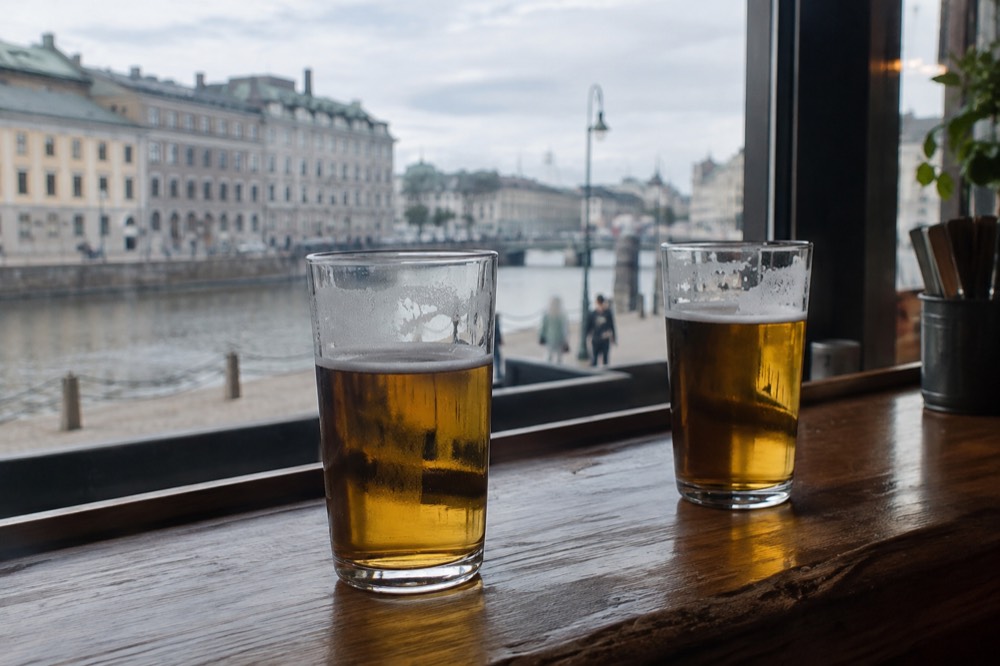
Beer above 3.5% ABV is sold at retail in Sweden only by Systembolaget, the state monopoly, which means supermarkets carry nothing stronger than folköl, Systembolaget stores close early and stay shut on Sundays, and any beer you want to drink at home or on an island must be bought during store hours. Bars, pubs and restaurants are exempt and serve normally, so the monopoly affects what you buy, not what you drink out.
The rule is statutory, not a retailer policy. Alkohollag (2010:1622) 1 kap. 8 defines the split: beer over 2.25% but not over 3.5% ABV is "folköl" and can be sold in ordinary shops, while anything over 3.5% is "starköl" and may only be retailed by the wholly state-owned monopoly under 5 kap. 1-2 § of the same statute. You can read the exact wording on the Swedish parliament's statute database.
Two practical consequences trip up visitors. First, the supermarket shelf is weaker than it looks: the Swedish version of an international brand is often a 3.5% reformulation, not the beer you drank at home. Second, opening hours vary branch to branch and could not be confirmed for any single Gothenburg store, so do not plan around a specific time; check Systembolaget's official store finder for the branch nearest you and its hours. Sunday closing is the operative fact: there is no Sunday bottle run in Sweden.
| Where you buy | What you can get | ABV limit | When |
|---|---|---|---|
| Supermarkets and corner shops | Folköl only | Up to 3.5% | Normal shop hours, including Sundays |
| Systembolaget | All beer, wine, spirits | No limit | Early close, closed Sundays, hours vary by branch |
| Bars, pubs, restaurants | Full-strength on tap and bottle | No limit | Normal licensing hours, every day |
The monopoly is also why guided beer tours exist here at all. A visitor who wants to taste a range of Swedish craft beer in one evening either needs luck, a lot of walking, or someone who knows the list. The craft beer walking tour with tastings solves that problem directly, and the listings below cover the other angles of a Gothenburg visit.
Which Gothenburg Neighbourhoods Should You Bar-Hop In?
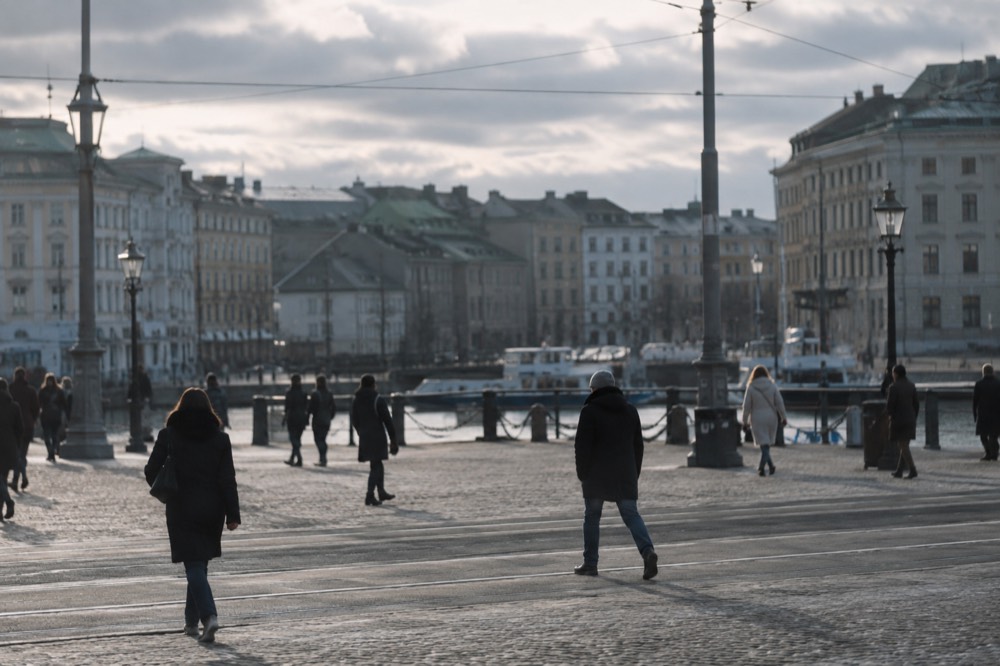
The three districts that carry Gothenburg's bar scene are Linnégatan and the Vasastan streets just north of it, the Andra Långgatan strip in the Linné quarter, and Majorna to the west, with the Avenyn area as the mainstream, louder alternative. Linnégatan is polished and wine-leaning, Andra Långgatan is the city's alternative beer street, and Majorna mixes breweries with second-hand shops and local pubs.
Andra Långgatan deserves the headline. This short street in the Linné quarter has been the city's alternative drinking strip for years: beer bars, rock pubs, cheap pizza and a crowd that skews local and young. It sits a few minutes from Linnégatan, so the two pair naturally in one evening. The Vasastan streets around it add student cafés and smaller bars, covered in more detail in our guide to Linné and the Långgatorna strip.
Majorna, further west along the tram lines toward Saltholmen, is where the breweries are. The district's wooden houses and industrial remnants have absorbed a cluster of craft producers and taprooms, and the beer here is drunk a short walk from where it is brewed. Majorna is also the city's second-hand quarter, which makes daytime browsing and evening drinking an easy combination.
Avenyn, the main boulevard running up to Götaplatsen, is the mainstream option: bigger venues, later noise, more cocktails than craft. It is not the craft beer answer, but it is where the after-work crowd goes on Fridays. Our Avenyn and Götaplatsen guide covers it.
| District | Character | Best for | Getting there |
|---|---|---|---|
| Andra Långgatan | Alternative, local, unpolished | Craft beer bars, rock pubs, low prices | Tram to Linnéplatsen or Järntorget |
| Linnégatan | Polished, busy, restaurant-heavy | Wine bars, gastropubs, people-watching | Tram to Linnéplatsen |
| Majorna | Breweries, taprooms, second-hand shops | Locally brewed beer, daytime-to-evening days | Tram lines toward Saltholmen |
| Vasastan | Student quarter, cafés, smaller bars | Casual evenings, coffee-and-beer hybrids | Walk from Linnégatan |
| Avenyn | Mainstream, loud, late | Cocktails, big venues, Friday nights | Tram to Valand or Götaplatsen |
What Should You Drink in Gothenburg Bars?
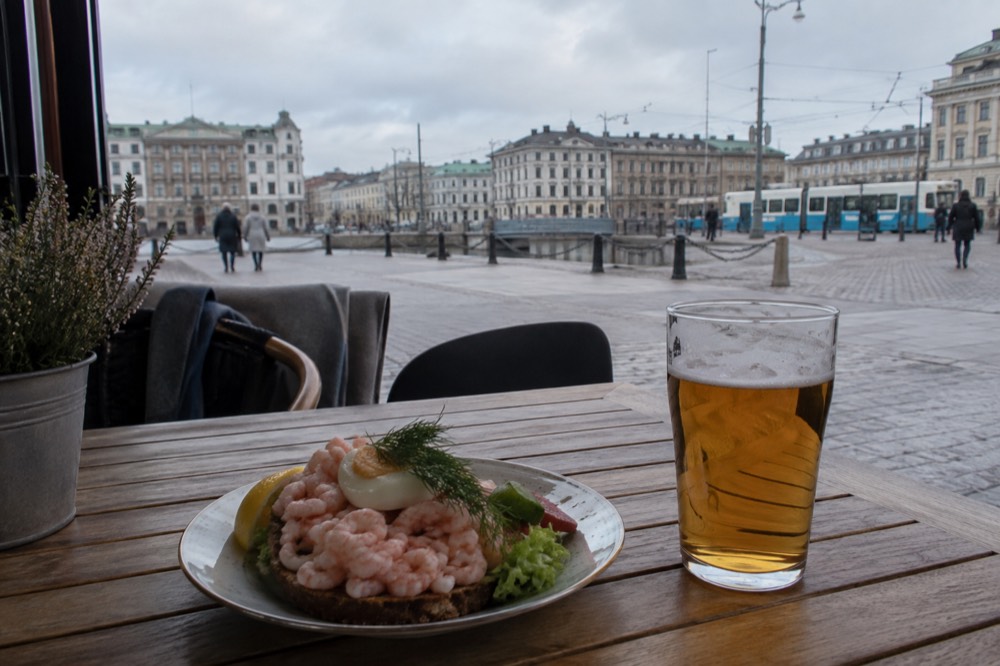
Order Swedish craft first: Gothenburg bars stock local and national IPAs, sours and stouts heavily, and the interesting drinking is in the Swedish taps rather than the imported defaults. Beyond beer, the west coast's signature drink is aquavit taken with herring, and the city's food scene pairs beer with seafood, shrimp sandwiches and the fika tradition that fills the sober hours of the day.
The tap list in a serious Gothenburg beer bar is usually organised by Swedish region, and west coast breweries dominate. IPAs of every stripe are the backbone, fruited sours have a strong following, and the winter months bring out heavy stouts. Ask for "lokalt öl" and any bartender will steer you to whatever was brewed nearest.
The pairing that defines the city is beer with west coast seafood. Shrimp sandwiches, oysters and herring plates are the standard bar food in the better venues, and the city's seafood tradition is reason enough to drink here rather than anywhere else in Sweden. Our where to eat in Gothenburg guide covers the food side, and fika, the coffee break, covers the hours between bars.
One honest note on supermarket beer: if you buy folköl to drink at your hotel or on a picnic, you are drinking the 3.5% version of whatever the label says. It is drinkable. It is not the same beer. For anything real, either sit in a bar or visit a Systembolaget before it closes.
How Do You Get Between Bars in Gothenburg?
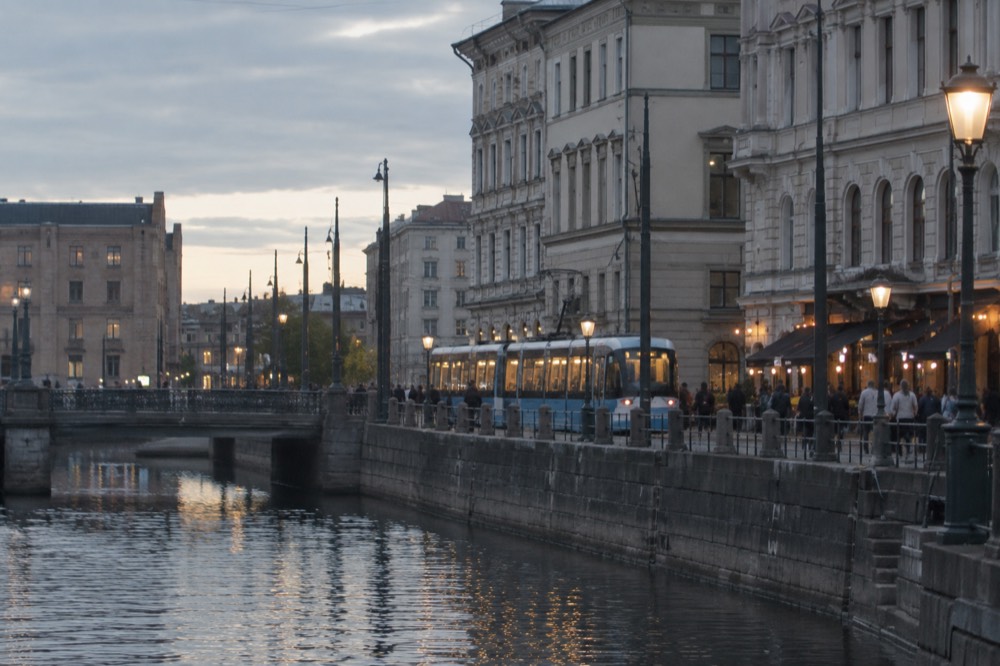
The tram is the answer: Gothenburg runs 12 tram lines on 188 km of single track, a single adult ticket for one zone costs 38 kr, and a 24-hour Zone A ticket at 125 kr covers every tram, bus and even the archipelago ferries for a full day, so a bar-hop across Linnégatan, Majorna and Järntorget costs less than one beer.
Västtrafik's fare structure is zone-based, and everything a beer tourist needs is in Zone A: the inner city, Majorna, and the southern archipelago islands. The 24-hour Zone A ticket is the best-value option for an evening that spans districts, and it is the same price whether you buy it in the app or at a shop. Our trams, tickets and zones guide covers the full fare table.
Two warnings. First, the temporary state subsidy currently halving Västtrafik's 30-day period tickets does not apply to the 24-hour and 72-hour tickets visitors buy, so do not budget for a discount that is not yours. Second, night service thins out; check the last tram toward wherever you are staying, or plan the walk. Our where to stay in Gothenburg guide helps you pick a base within easy reach of the right district.
The network's scale is worth knowing before you plan. Göteborgs Spårvägar's own annual report describes a system of twelve lines, 134 stops and 188 kilometres of single track, running from Mölndal in the south to Angered in the north and from Saltholmen in the west to Kålltorp in the east. Saltholmen being the western terminus matters for beer tourists specifically: the tram that carries you to the archipelago ferries is the same tram that carries you home from Majorna's breweries.
| Ticket | Adult price | What it covers | Source |
|---|---|---|---|
| Single, 1 zone | 38 kr | One tram or bus journey | Västtrafik fare page |
| Single, 2 zones | 76 kr | Cross-zone journey | Västtrafik fare page |
| 24-hour, Zone A | 125 kr | All trams, buses and archipelago ferries in Zone A | Västtrafik Zone A page |
| 30-day, Zone A | 445 kr during the temporary cut | Commuters, not visitors; the cut excludes day tickets | Västtrafik discounts page |
When Is the Best Time of Year for Beer in Gothenburg?
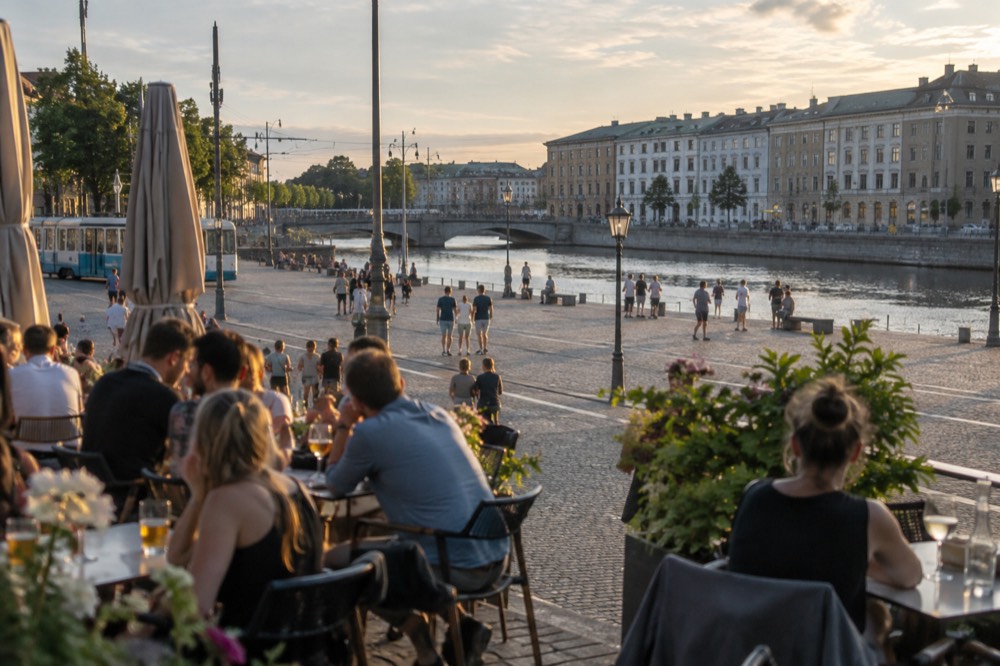
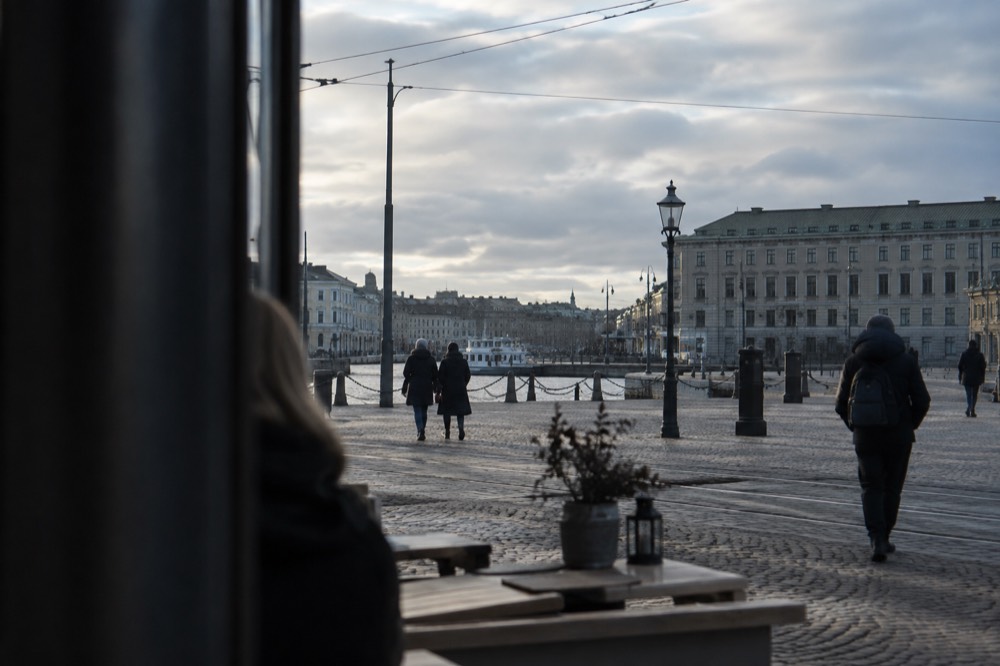
Summer is terrace season and the strongest beer-drinking window, with daylight running to 18 hours in June, but the two calendar peaks for beer-focused visitors are the Way Out West festival in August and the Christmas market season from mid-November, when the bars switch to winter stouts and glögg. April is the driest month of the year, which makes spring the most reliable season for outdoor drinking.
The SMHI normals for the city put April at 51.3 mm of rain against October's 102.9 mm, and the rain falls on about one day in three across the year. What that means for a beer trip: spring and early summer give you the best odds of a terrace evening, while autumn delivers the cosiest pub weather and the strongest dark-beer lists.
Way Out West, the city's big August festival, transforms the bar districts for a weekend; our Way Out West guide covers it. At the other end of the year, the [Gothenburg Christmas market](/guides/gothenburg-christmas-market/) season brings julöl, the Swedish Christmas beer tradition, into every serious bar, and Liseberg's Jul på Liseberg runs 14 to 23 December 2026 per the park's own calendar.
Daylight is the other seasonal variable that changes a beer evening. On 21 June the sun is up for 18 hours and 6 minutes, and civil twilight stretches from just before 3am to half past 11 at night, so a June terrace evening can start at nine and still be in daylight. On 21 December the city gets 6 hours 32 minutes of daylight, which pushes the whole drinking culture indoors and makes the candlelit pub the natural habitat.
| Season | Beer scene | Weather context | Notes |
|---|---|---|---|
| Spring (Apr-May) | Fresh taps, terraces opening | Driest months of the year | Best odds for outdoor drinking |
| Summer (Jun-Aug) | Terrace season, festival peak | Peak daylight, 18 h 06 m on 21 June | Way Out West in August |
| Autumn (Sep-Oct) | Sours, darker styles arriving | Wettest month is October | Cosiest pub weather |
| Winter (Nov-Dec) | Stouts, julöl, glögg | Daylight down to 6 h 32 m in December | Christmas market season |
Can You Combine Beer with the Rest of Gothenburg?
Yes, easily: the beer districts sit inside the ordinary tourist geography, so a morning at Universeum or the Museum of Art, an afternoon archipelago ferry and an evening bar-hop on Linnégatan all fit one day, and the same Zone A ticket carries you through all of it. The archipelago islands are car-free parts of the city itself, reached by tram and ferry, and a brewery lunch in Majorna slots between them.
A practical day: morning at Universeum or the Museum of Art, lunch at Feskekôrka, the reopened 1874 fish-church-turned-food-hall, then tram 9 or 11 west for a brewery stop in Majorna before an evening on Andra Långgatan. The one day in Gothenburg and two days in Gothenburg itineraries show how the pieces fit.
The archipelago deserves a half-day of its own. Brännö, Styrsö and Vrångö are areas of Gothenburg, not day trips, and the ferry is covered by the same ticket as the tram, which is the single best-value fact in the city's transport system. Our southern archipelago guide covers the islands. Take the morning ferry, swim if it is August, when the sea peaks at 18.6 C, and be back in the city for the evening taps.
One planning note if you want to drink on an island: the car-free southern archipelago has no Systembolaget, so whatever you want beyond folköl has to travel with you, bought in the city before the store closes. Pack the bottles on the outbound ferry, not on a Sunday.
The tours below pair naturally with a beer evening: a cruise to open the afternoon, an amphibious sightseeing bus for the overview, and the beer walk to close.
Common Questions About Beer and Bars in Gothenburg
Can you buy beer in supermarkets in Gothenburg?
Only beer at or below 3.5% ABV, called folköl. Anything stronger is starköl and is sold at retail only by Systembolaget, the state monopoly, under Swedish alcohol law.
Is Systembolaget open on Sundays in Gothenburg?
No. Systembolaget stores are closed on Sundays, and weekday and Saturday hours vary by branch. Check the official store finder for the branch you plan to visit rather than assuming a time.
Do Gothenburg bars serve full-strength beer?
Yes. The monopoly is retail only. Bars, pubs and restaurants serve beer of any strength under their own licences, every day of the week.
What is the best street for bar-hopping in Gothenburg?
Andra Långgatan in the Linné quarter is the city's alternative beer strip, and it pairs naturally with Linnégatan one street over. Majorna is the brewery district, and Avenyn is the mainstream late-night option.
How much is a tram to the bar districts?
A single adult ticket for one zone costs 38 kr, and a 24-hour Zone A ticket costs 125 kr and also covers the archipelago ferries. The temporary halving of 30-day ticket prices does not apply to these day tickets.
When do Gothenburg bars serve Christmas beer?
Julöl appears on taps from early November through Christmas. Liseberg's Christmas market runs 14 to 23 December 2026 per the park's own calendar, and the city's bars run their winter lists through the same window.
Gothenburg rewards a beer plan built around two facts: the monopoly closes the retail day early, and the tram never does. Buy your Systembolaget bottles in the afternoon, drink in the bars at night, and let the 125 kr day ticket carry the whole thing. For the wider picture of what the city costs, our Gothenburg trip budget guide and the nightlife guide pick up where the taps run dry.