Free Things to Do in Gothenburg, Sweden: Parks, Islands and Views That Cost Nothing
Gothenburg, Sweden has an expensive reputation, but its best features, the big park with a free zoo, the car-free islands and the harbour viewpoints, cost nothing at all. Here is what is actually free, what only looks free, and how to do the city on a zero-admission day.
Short answer
The genuinely free highlights of Gothenburg are Slottsskogen park with its free zoo, the car-free southern archipelago islands (you pay only the ordinary tram-and-ferry ticket), the wooden quarter of Haga, the Göta älv waterfront, and the city's viewpoints from Skansen Kronan to Ramberget. The Botanical Garden asks a voluntary contribution rather than a ticket, and Göteborgs konstmuseum is a paid museum that will close in 2028 for a rebuild.
Gothenburg, Sweden has a reputation for costing money, and a lot of the guidebook staples do. Liseberg's entry ticket starts at 95 kr and buys zero rides, Universeum prices dynamically and wants a booked time slot, and the old Volvo Museum at Arendal closed permanently in December 2023, replaced by the paid World of Volvo. But the city's own structure works against the guidebook pricing. The biggest park in the city centre is free and contains a free zoo, the tram network runs to a ferry terminal where ordinary tickets cover boats to car-free islands, and the best views in the city are reached on foot. Göteborgs Stad's own planning documents describe the southern archipelago islands as protected from car traffic, and Västtrafik's tram, bus and boat map shows the boats as part of the ordinary network, on the same ticket as the trams. This page walks through what is actually free, what only sounds free, and how to build a full day, or three, without buying a single attraction ticket.
What Is Actually Free in Gothenburg?
The genuinely free core of Gothenburg is Slottsskogen park with its free zoo, the car-free southern archipelago islands reached on an ordinary tram-and-ferry ticket, the wooden quarter of Haga and the waterfront along the Göta älv, and the hilltop viewpoints from Skansen Kronan to Ramberget. The Botanical Garden is not free in the plain sense: it asks a voluntary entry contribution rather than a fixed ticket, so it is pay-what-you-like rather than nothing.
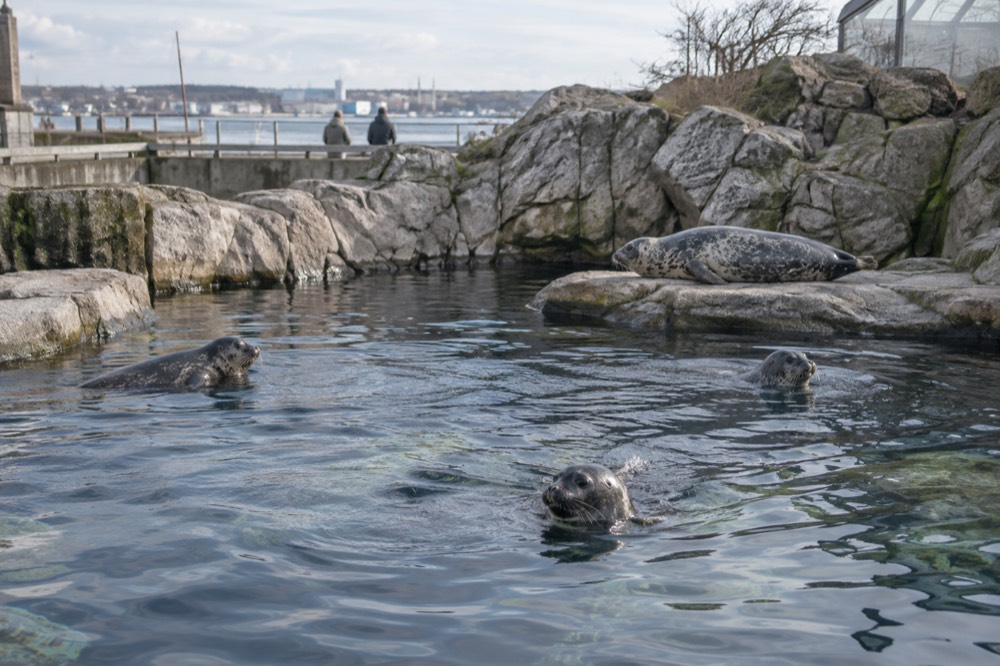
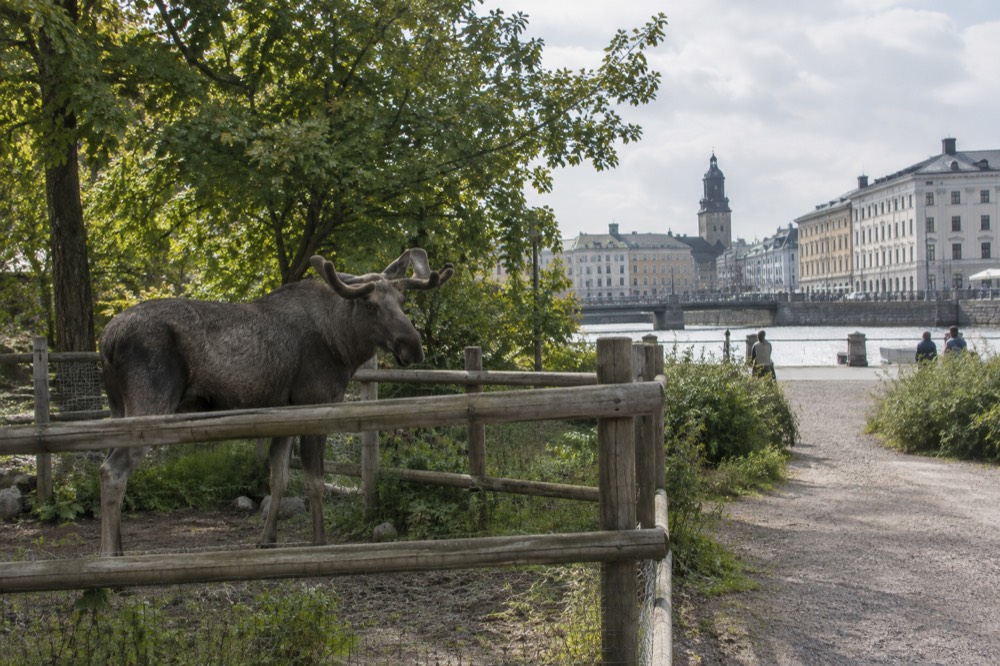
That list covers more ground than most visitors expect. Slottsskogen is a huge park in the middle of the city, and the animal enclosures inside it, the Swedish wildlife section with moose, seals and a penguin pool, are run by the city and open to anyone walking in. There is no gate, no ticket booth and no season. The archipelago is the other headline: Styrsö, Brännö, Vrångö, Donsö, Asperö and Köpstadsö are areas of Gothenburg, not day trips, and the ferries from Saltholmen carry Västtrafik line numbers and appear on Västtrafik's own tram, bus and boat map. You pay for transport, not for the islands.
The distinction that matters is between free and pay-what-you-like. The Botanical Garden's own pages describe a voluntary contribution at entry, which is a different thing from a fixed ticket: you can walk in, and you are invited rather than required to pay. Calling it simply "free" or simply "paid" would both be wrong. The same honesty applies in the other direction: Göteborgs konstmuseum is a paid museum (75 kr for a day ticket, free for under-20s and students), and no free day appears in the facts pack, so none is claimed here. That museum also closes in 2028 for a rebuild and reopens in 2032, with intermittent blasting on the site right now, so it should never appear on a free-things list as a straightforward visit.
For planning the wider trip, the best time to visit Gothenburg matters more than usual when the itinerary is built on parks and islands: April is the driest month of the year at 51.3 mm against October's 102.9 mm, according to SMHI's 1991-2020 normals for the Göteborg A station.
Is Slottsskogen Really Free, and What Is in It?
Yes, Slottsskogen is completely free to enter, including its zoo: the park has no gate, no ticket and no charge for the animal enclosures, which include Swedish moose, seals, penguins and a children's animal area. The park is city-owned and open year-round, which makes it the largest zero-cost attraction in Gothenburg and one of the few free zoos of its scale in Sweden.
The park sits between Linné and Majorna and slopes down toward the river. The Swedish wildlife enclosures hold moose, Gute sheep, reindeer and Nordic predators; the seal pool has scheduled feeding times; and the penguin pool is the part small visitors remember. Göteborgs Stad runs all of it as ordinary park infrastructure, the same way it runs the lawns and the paths, which is why there is no admission anywhere. Picnicking on the lawns is normal, and the park's hill, the highest point in the area, gives one of the free views covered further down this page.
Two practical notes. First, the zoo animals are the free part, but the café and the playground kiosks are not, so a family can still spend money without noticing. Second, Slottsskogen links up with two other free walks: downhill toward Masthuggskyrkan and the best city viewpoints, and along the leafy Linné strip toward the park entrance at Linnéplatsen. If you are travelling with children, the Gothenburg with kids guide builds on this park heavily, for exactly this reason: it is the one big attraction in the city that never charges.
Can You Visit the Gothenburg Archipelago for Free?
The islands themselves cost nothing to be on: every southern archipelago island is car-free, free to roam and part of the city of Gothenburg. The only cost is the transport, and an ordinary Västtrafik ticket covers both the tram to Saltholmen and the ferry out, because the islands sit inside Zone A, so a 24-hour Zone A ticket at 125 kr covers tram, ferry and every island in one price.
This is the best-value single fact about Gothenburg, and it is confirmed on Västtrafik's own zone map, which shows the archipelago boats as numbered lines in the same network as the trams. Västtrafik's own wording on the islands: you can ride on the same ticket all the way from the centre out onto the sea. Saltholmen is the western terminus of the tram network, so the connection is built in: tram to the pier, ferry to the island, one ticket. The current 24-hour Zone A ticket price is published on Västtrafik's ticket page, and it is the same price in the app as in a shop.
What you do on the islands is free by nature. Brännö and Vrångö have swimming spots, walking paths and harbour villages; the sea is warmest in August at 18.6 C, and September water at 16.7 C is actually warmer than June water at 16.2 C, according to SMHI's quality-controlled observations at the Vinga station. Göteborgs Stad's own study of the southern archipelago states that the islands are protected from private car traffic, with exceptions only for taxi, transport services and emergency vehicles. That car ban is what keeps the islands quiet, and it costs the visitor nothing.
The full island-by-island breakdown, including which island suits swimming and which suits a long walk, is in the Gothenburg archipelago guide, and the transport mechanics, zones and ticket types are covered in getting around Gothenburg: trams, tickets and zones. If a paid boat day appeals more than the public ferries, a guided cruise is the obvious upgrade: the operator's live listing carries the current price, and the cruise runs about two and a half hours with a guide on board.
The cruise is the one paid upgrade that overlaps with the free itinerary, because it covers the same water the public ferry crosses. Everything else on this page stays on the ordinary ticket.
Are the Free Walking Tours in Gothenburg Actually Free?
Yes, Gothenburg has four free, tip-based walking tours listed on GuruWalk, and they cost nothing up front: you book, you walk, and you tip the guide what you think the walk was worth at the end. Three of the four run in English and one is Spanish only, so check the language on the listing before booking, because the Spanish-only walk should not be treated as an English-language option.
The walks cover different ground. One covers the Majorna district, the second city's history, people and culture; one covers history, culture and hidden corners; one runs through history, culture, gastronomy and architecture; and one is a general free city walk. These are not this site's tours: they are independent guides' tours hosted on GuruWalk, which is why the platform is named here. The guide who runs each walk sets their own route and their own meeting point, and the listing carries the current rating, schedule and language.
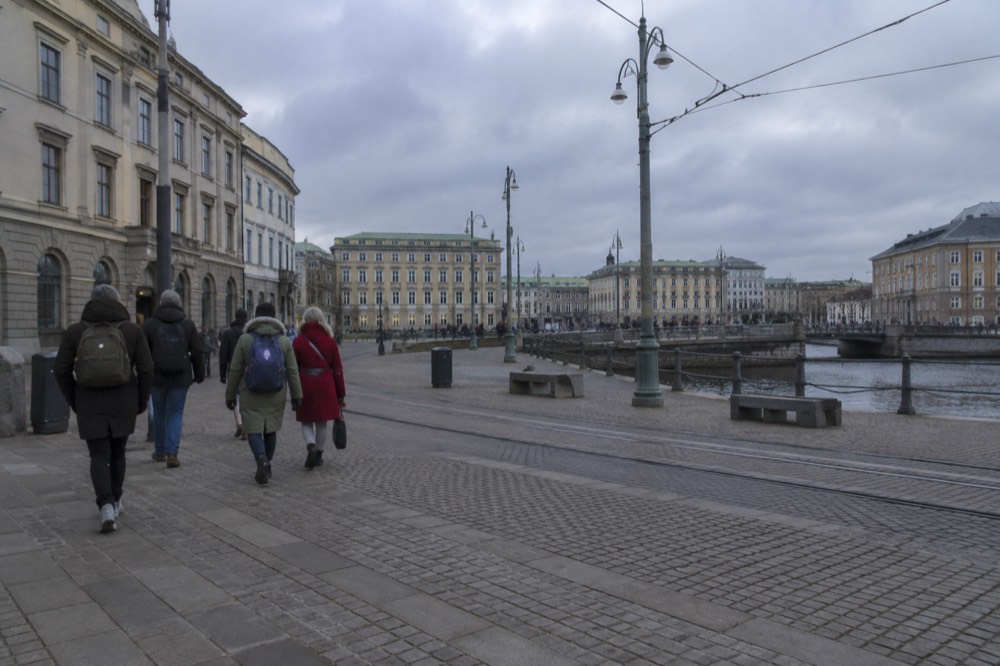
The Majorna walk deserves a specific mention because Majorna is the part of the city a paid sightseeing route skips: the second-hand quarter, the workers' wooden houses and the district where the shipyard culture actually lived. It runs about an hour and a half and is rated on its GuruWalk listing. The economics are simple and honest: the guide takes home only the tips, so a walker who enjoyed it tips accordingly. For a fuller picture of the paid alternatives, from a Haga old town walk to an amphibious bus tour, the trio below covers the most-booked options.
What Can You See and Do for Free in Haga and the Old Town?
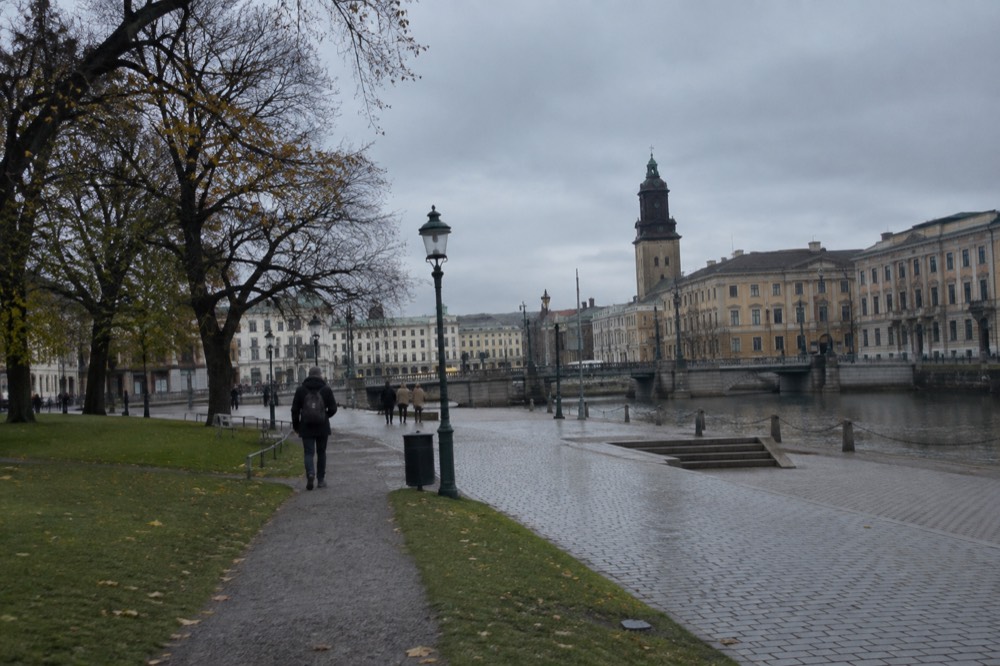
Walking Haga costs nothing and delivers the most photographed streets in Gothenburg: a preserved 19th-century wooden-house quarter, the cobbled hill up to Skansen Kronan fortress, and the Göta älv waterfront a few blocks away. The neighbourhood itself is the attraction, so the free version of Haga is identical to the paid version, minus a cinnamon bun and a coffee, which is where the spending starts.
Haga was the first suburb outside the old moat, and it survived the redevelopment waves that flattened much of central Gothenburg. The wooden landshövdingehus houses, timber-built with a brick ground floor, are the signature building type of the city, and Haga has the densest surviving stock of them. The climb to Skansen Kronan, the hilltop fort, is a steep ten minutes on a cobbled path, and the reward is a free panoramic view over the rooftops toward the river.

The spending trap in Haga is fika, the Swedish coffee break, because the neighbourhood's cafés are famous for oversized cinnamon buns (haga bulle). Fika itself is a habit, not a purchase, and the fika in Gothenburg guide explains how it works and where to do it, including the cheap and free-adjacent versions. The wider neighbourhood picture, including the Vasastan stone streets just uphill, is in the Haga old quarter guide.
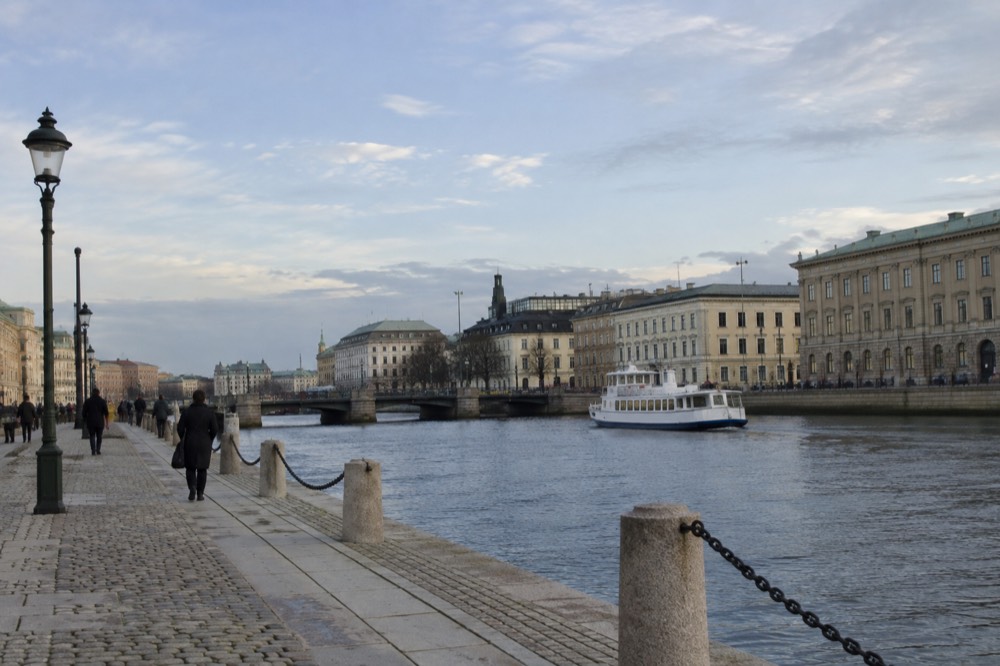
The pattern repeats across the city centre: the old town inside the moat, Inom Vallgraven, with its canal-side walks and the cathedral, is free to wander, and the harbour village of Klippan on the river's south bank is a free slice of old Gothenburg. None of these have gates. The Gothenburg cathedral and Inom Vallgraven guide covers the old town in detail.
Which Gothenburg Viewpoints and Museums Cost Nothing?
The free viewpoints are Skansen Kronan above Haga, Ramberget on Hisingen, the Slottsskogen hill and the harbour promenades along the Göta älv, and all of them are reached on foot with no admission. Among museums, the free list is short but real: Slottsskogen's animal park is the free zoo, while the major museums, including Göteborgs konstmuseum at 75 kr, charge, and no museum free day appears in the verified facts, so none should be assumed.
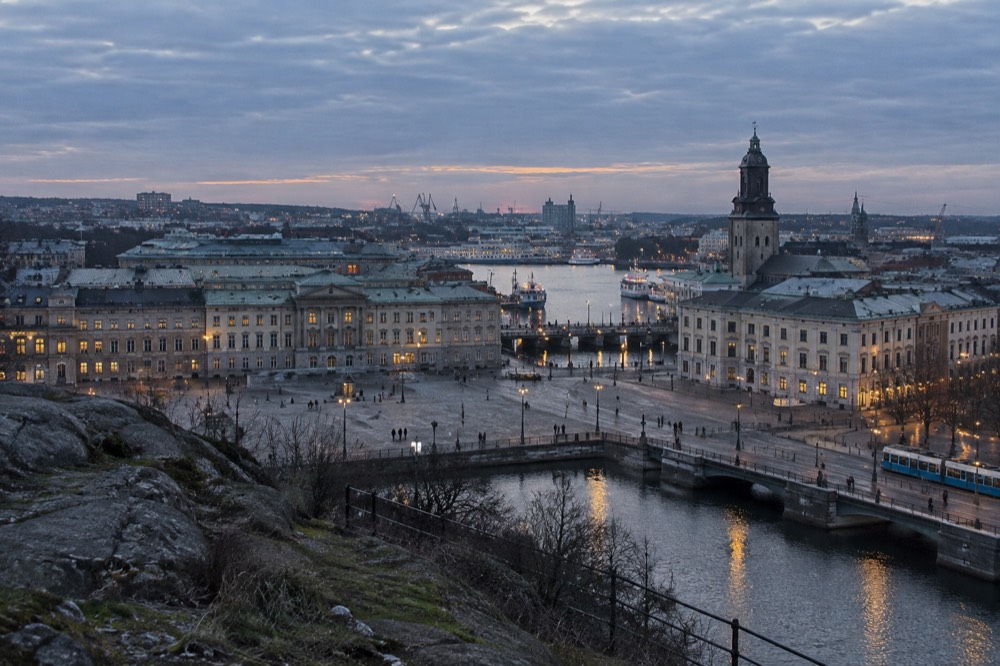
Ramberget is the skyline view locals use: a rocky hill on Hisingen reached by tram and a short climb, looking back over the whole city, the river and the archipelago beyond. The Ramberget guide covers how to get there. Masthuggskyrkan, the church above the shipyard district, has a terrace view over the harbour and the Älvsborg bridge that costs nothing but the walk uphill.
On museums, honesty is the policy here. The Gothenburg museums guide sorts the full list, and the short version is that the big institutions charge. Göteborgs konstmuseum, which includes the Hasselblad Center, is 75 kr, free for under-20s and students, and will close in 2028 for a rebuild lasting to 2032, with intermittent blasting near the building flagged by the museum itself. Universeum has no fixed published adult price at all: it prices dynamically against booked time slots. Anyone promising a free museum afternoon in Gothenburg is guessing, and the guessing is where travel advice goes wrong.
How Do You Build a Full Free Day in Gothenburg?
A realistic zero-admission day runs: morning in Slottsskogen with the free zoo, a walk through Haga and up to Skansen Kronan for the view, an afternoon tram to Saltholmen and ferry to Brännö or Styrsö on the ordinary ticket, and a sunset from the harbour promenade. The only unavoidable spend is the Västtrafik ticket itself, 125 kr for 24 hours in Zone A, plus whatever food you choose to buy.
The order matters less than the geography. Slottsskogen, Haga and Masthuggskyrkan sit in a line along the south side of the city, all walkable, all free. Saltholmen is the tram network's western terminus, so the archipelago leg bolts onto the same day without backtracking: the ferry ride itself is the sightseeing. Timing around the seasons changes the experience but not the price. In June the city gets 18 hours and 6 minutes of daylight, against 6 hours 32 minutes on 21 December, so a summer version of this day is long and a December version is compressed into the grey hours, as the daylight month-by-month guide details.

A sample budget for the day, using only verified figures:
| Item | Cost | Notes |
|---|---|---|
| 24-hour Västtrafik Zone A ticket | 125 kr | Covers trams and archipelago ferries |
| Slottsskogen park and zoo | 0 kr | No gate, no ticket, year-round |
| Haga and Skansen Kronan walk | 0 kr | Free viewpoints, free quarter |
| Archipelago ferry to Brännö or Styrsö | 0 kr extra | Same ticket as the tram |
| Fika in Haga | Optional | A cinnamon bun is the only real temptation |
| Total unavoidable spend | 125 kr | Transport only |
For a longer stay, the free-day template stacks well with the itineraries in how many days do you need in Gothenburg, and the cost picture for everything that is not free is laid out honestly in is Gothenburg expensive: what a trip really costs. If the zero-cost day turns into a zero-cost weekend, start with a weekend in Gothenburg.
What Looks Free in Gothenburg but Is Not?
The traps are the Botanical Garden if you treat the voluntary contribution as optional-to-the-point-of-free, the Göteborg City Card, which no longer exists in that form, Liseberg's 95 kr entry ticket which includes zero rides, and the old Volvo Museum at Arendal, which closed permanently in December 2023 and must not appear on any list as a free or paid visit. Each of these is commonly described wrongly in older guides.
The Botanical Garden point is a nuance, not a scam: the garden asks for a voluntary entry contribution, and a visitor who pays nothing is still welcome, but the honest description is pay-what-you-like. The [Go City](https://gocity.tpk.ro/HQKyKKW4) pass that replaced the old municipal city card is a paid product with its own terms, and unlike the old card it does not include public transport, so it is not a route to free travel. The city card guide covers what the current products actually include.
The Liseberg example is worth spelling out because the park is often sold as a cheap half-day. Liseberg's own ticket page states that entry and rides are sold separately: the 95 kr entré gets you through the gate and onto nothing, with ride passes sold on top. The park is also shut for long stretches of the year, roughly from late September to mid-April apart from seasonal openings, so check Liseberg's own price and season page before planning around it.
The paid-versus-free split in one table:
| Attraction | Free? | The honest description |
|---|---|---|
| Slottsskogen park and zoo | Yes | City-run, no gate, no ticket, year-round |
| Southern archipelago islands | Yes | Islands free; ordinary Västtrafik ticket covers tram and ferry |
| Haga and Skansen Kronan | Yes | Free quarter, free viewpoint |
| Botanical Garden | Pay-what-you-like | Voluntary contribution, not a fixed ticket |
| Göteborgs konstmuseum | No | 75 kr day ticket; closes 2028, reopens 2032 |
| Liseberg | No | Entry from 95 kr buys zero rides; rides sold separately |
| World of Volvo | No | Exhibition tickets from 120 SEK online; old Arendal museum closed Dec 2023 |
| Free walking tours | Tip-based | Free upfront, tip the guide at the end |
The seasonal table matters too, because free Gothenburg is weather-dependent and the rain is not evenly spread:
| Month | Rainfall (mm) | Wet days | Free-day verdict |
|---|---|---|---|
| April | 51.3 | 8.2 | Driest month, best free-outdoors window |
| July | 81.3 | 9.8 | Warmest air (18.3 C mean), busy but fine |
| August | 92.8 | 11.9 | Warmest sea (18.6 C), best island swimming |
| October | 102.9 | 12.6 | Wettest month, plan indoor backup |
| December | 93.0 | 13.3 | 6 h 32 m daylight, short free days |
All rainfall figures are SMHI 1991-2020 normals for the Göteborg A station, and the sea temperature is from SMHI's quality-controlled observations at Vinga. Note what the data does not say: SMHI does not call Gothenburg Sweden's rainiest city, and the national maxima sit in the western highlands and the mountains, so the city's rainy reputation outruns its own numbers.
Common Questions About Free Things to Do in Gothenburg
Is Slottsskogen free to enter?
Yes, completely. The park and its animal enclosures, including the moose, seals and penguins, are city-run with no gate, no ticket and no admission charge at any time of year. The cafés inside the park are the only places money changes hands.
Can you visit the Gothenburg archipelago for free?
The islands themselves cost nothing to be on and are car-free areas of the city. The only cost is transport, and an ordinary Västtrafik ticket covers both the tram to Saltholmen and the ferry out, because the islands sit inside Zone A. A 24-hour Zone A ticket costs 125 kr and covers tram, ferry and every island.
Are the free walking tours in Gothenburg really free?
Yes. Four free, tip-based walking tours are listed on GuruWalk, run by independent guides. They cost nothing to book and join, and you tip the guide at the end. Three of the four run in English and one is Spanish only, so check the language on the listing before booking.
Is the Gothenburg Botanical Garden free?
Not exactly. The garden asks a voluntary entry contribution rather than a fixed ticket, so it is pay-what-you-like: free in practice if you pay nothing, but the honest description is a requested contribution rather than free admission.
Are Gothenburg museums free?
The major ones are not. Göteborgs konstmuseum charges 75 kr for a day ticket (free for under-20s and students), and it will close in 2028 for a rebuild lasting to 2032. Universeum prices dynamically with booked time slots. No museum free day appears in the verified facts, so none should be assumed.
What is the best free thing to do in Gothenburg?
Combine Slottsskogen's free zoo with the archipelago ferry on an ordinary ticket: both are city infrastructure, both cost nothing beyond transport, and together they cover the park-and-sea character of Gothenburg better than any paid attraction. April is the driest month and August the warmest for swimming.
Gothenburg's free side is not a budget compromise, it is the city working as designed: a park with a zoo in it, trams that run to ferries, islands without cars, and views from hills that never had a ticket booth. Spend on the fika, the seafood and one good paid tour, and let the structure of the city carry the rest. For everything that does cost money, Gothenburg Travel Guide covers it honestly, price by price.