How Many Days Do You Need in Gothenburg, Sweden?
Two days covers the compact city centre. Three days adds the car-free southern archipelago on an ordinary tram ticket. The honest answer depends on the season and on whether Liseberg is open.
Short answer
Two full days is the realistic minimum for Gothenburg, Sweden: one for the centre and one for Haga and the waterfront. Three days is the sweet spot, because the third day buys you the southern archipelago islands on an ordinary Västtrafik ticket. Add a fourth or fifth day only if you want Liseberg in season, a full museum day, or a day trip to Marstrand or the Bohuslän coast.
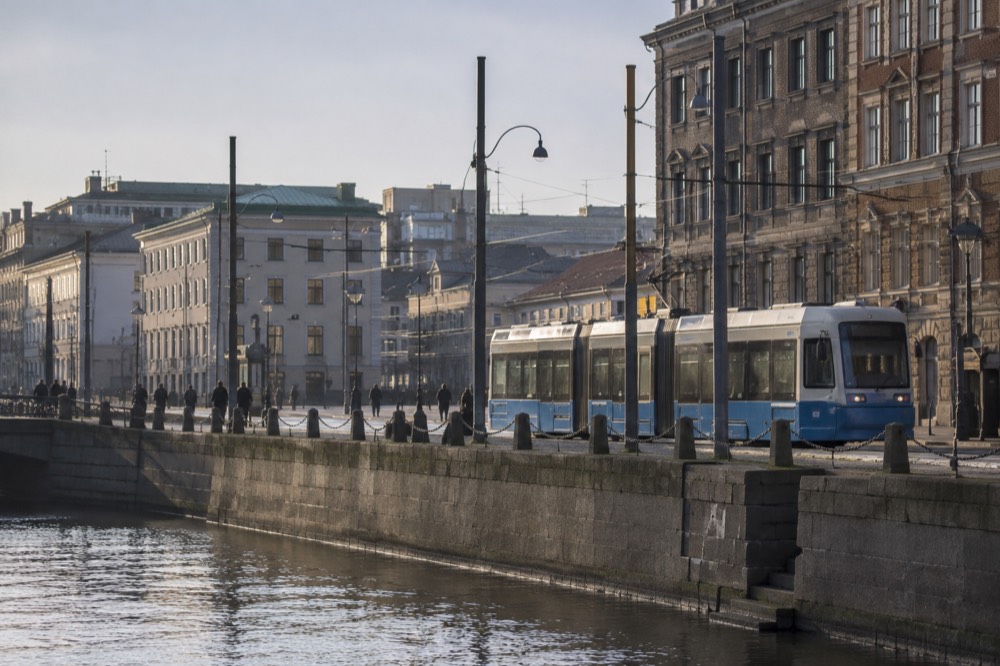
Gothenburg, Sweden's second city, is compact in a way that surprises people who arrive expecting a Stockholm-scale sprawl. The population is 613,274 at the latest count from Göteborgs Stad, but the old town sits inside its original moat, the tram network stitches everything together, and the southern archipelago, which is part of the city itself rather than a day trip, is reached by an ordinary ticket from the Saltholmen tram terminus. That compactness is exactly why the day-count question has a real answer, and why the answer changes with the season.
How Many Days Do You Need in Gothenburg, Sweden?
Two full days is the honest minimum for Gothenburg, Sweden, and three is the sweet spot most visitors should aim for. Day one covers the moat-ringed centre, day two adds Haga and the harbour viewpoints, and a third day buys the car-free southern archipelago islands, which sit inside the city's own transport zone and cost nothing beyond an ordinary tram-and-ferry ticket. Go beyond three days only if Liseberg is open or if you want a day trip to Marstrand or the Bohuslän coast.
The variable that most itineraries ignore is Liseberg. The park's own calendar shows a summer season running 18 April to 20 September, then Halloween from 2 October to 1 November, then a Christmas market from 14 to 23 December, and long closed stretches in between, including nearly four months from late December to mid-April. A visitor in late January finds the biggest attraction in the city shut, which effectively removes a planned day from the trip. Check the season dates against your travel window before you decide the day count, and read Liseberg rides, tickets and when to go for the full calendar.
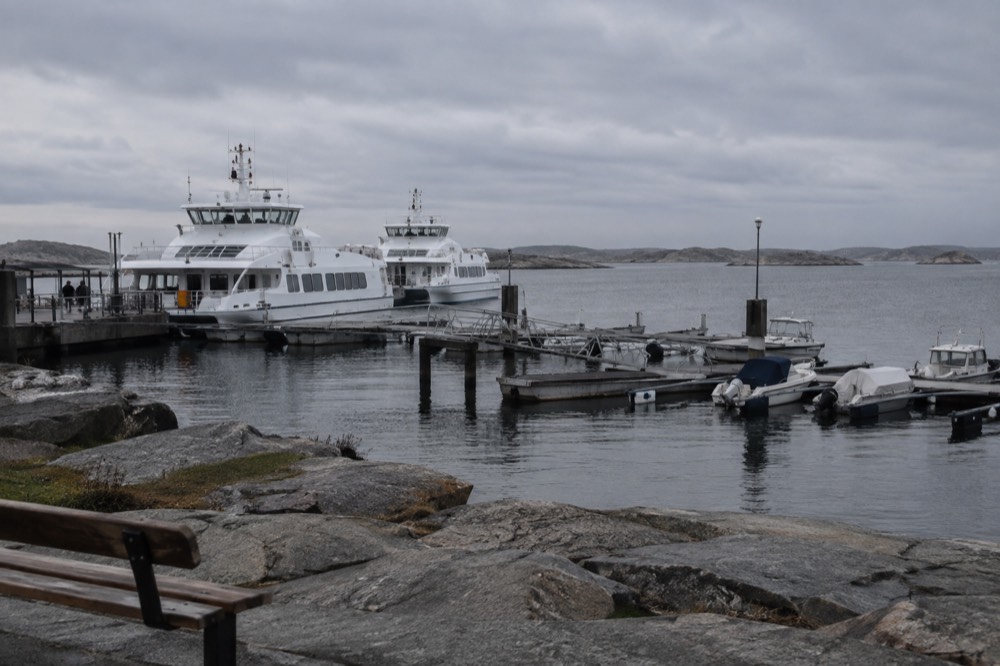
The second variable is the archipelago. Styrsö, Brännö, Vrångö, Donsö and the other southern islands are areas of Gothenburg, not excursions, and Västtrafik's own zone material confirms a Zone A ticket covers the tram to Saltholmen and the ferries out to sea. That makes the island day cheap, but it still takes a full day, and the boats run on timetables that reward a slow pace over a rushed one.
Here is the whole decision in one table, built from the facts above.
| Trip length | What it covers | What it misses |
|---|---|---|
| 1 day | Old town, Avenyn, Götaplatsen, Haga, one viewpoint | Liseberg, the archipelago, museums, any day trip |
| 2 days | Centre plus harbour, Maritiman, a canal cruise, fika stops | The archipelago, Liseberg at a relaxed pace |
| 3 days | Everything above plus a full southern archipelago island day | Day trips outside the city |
| 4 days | Adds Liseberg in season or a full museum day | Bohuslän and Vänern day trips |
| 5 days | Adds one day trip, e.g. Marstrand or the Bohuslän coast | Nothing realistic |
What Can You Realistically See in One Day in Gothenburg?
One day in Gothenburg is enough for the compact centre only: the canal-side old town inside the moat, Avenyn and Götaplatsen with the art museum, the Haga wooden quarter with its cafes, and a harbour viewpoint such as Masthuggskyrkan. It is a walking-and-tram day, not a Liseberg day or an archipelago day, and anything beyond that radius will be rushed.
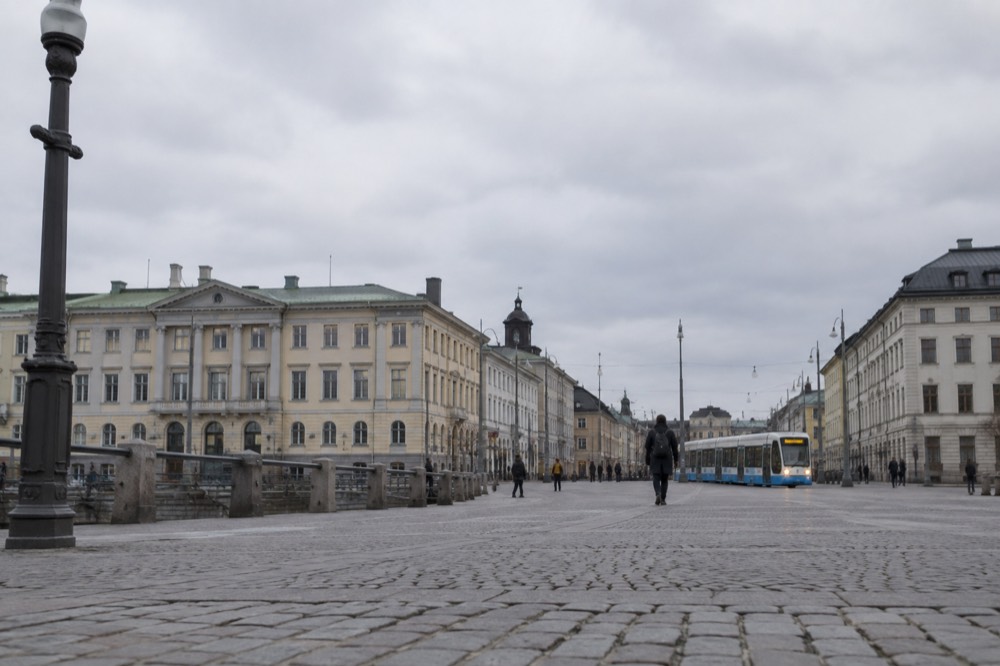
The centre genuinely is walkable. The old town of Inom Vallgraven, the district inside the drained moat, is about fifteen minutes on foot from end to end, and Götaplatsen sits at the top of the Avenyn boulevard a short tram ride or a twenty-minute walk south. Haga lies just west of the centre, and the ridge above it carries Skansen Kronan, one of the city's old hilltop forts, with a view over the rooftops. If you want to compress the geography into a single guided hour, the amphibious bus tour drives the centre and then floats down the canal, which is a reasonable one-day strategy rather than a gimmick.
One honest caveat about the art museum: the museum's own rebuild page publishes the current timetable, which has the museum closing in 2028 and reopening in 2032, with intermittent blasting near the building right now. If a museum interior is a priority for your one day, confirm current status before you go, and pair the visit with Gothenburg Museum of Art planning notes.
For a single-day plan worked out stop by stop, see one day in Gothenburg.
Is Two Days the Sweet Spot for a Gothenburg Trip?
Two days is the minimum trip that does not feel truncated, and for many visitors it is genuinely enough. Day one takes the centre and the viewpoints, day two takes Haga at a proper pace, the harbour and Maritiman or the canal cruise, and a fika stop or two. What two days still cannot absorb is the southern archipelago, Liseberg at any relaxed speed, or a day trip, so the choice is between comfort now and regret later.
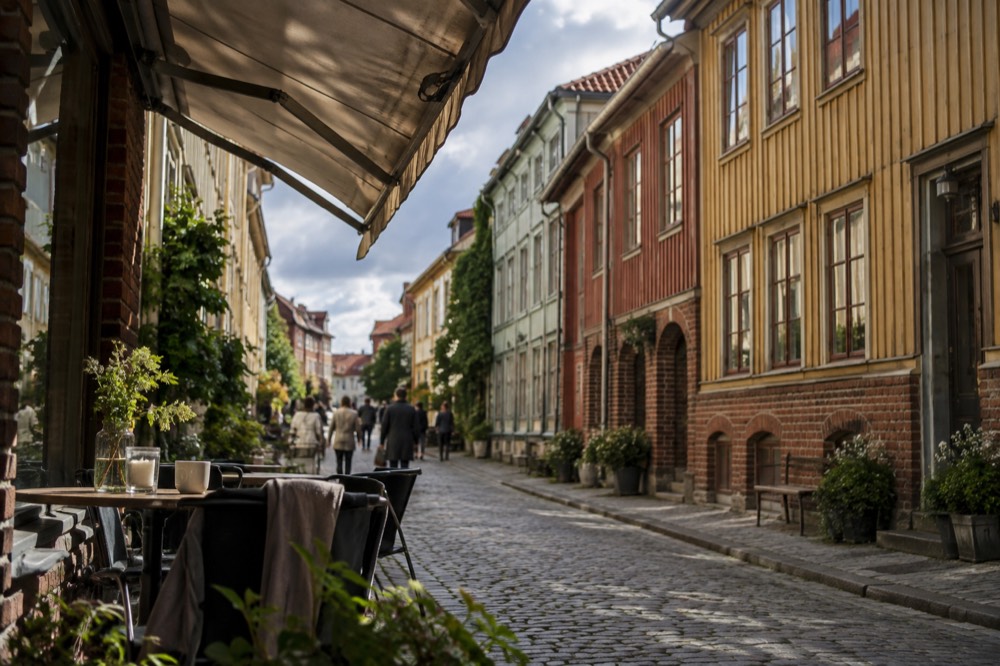
Day two is where Gothenburg's character actually shows. Haga's low wooden landshövdingehus buildings, the second-hand quarter of Majorna just beyond it, and the fish-church food hall Feskekôrka, which reopened in 2024 as a food hall with five restaurants rather than only fish counters, all sit within a short tram ride of each other. The Haga guide covers the quarter in detail, and where to eat in Gothenburg handles the food side.
The harbour deserves at least half of day two. The Paddan canal boats leave from the moat itself, Maritiman's floating museum ships sit at Packhuskajen, and Masthuggskyrkan's church steps give the classic view over the Älvsborg bridge. If the weather turns, and on 127 wet days a year it does, the museum cluster around the canal is the standard fallback; Gothenburg on a rainy day has the full list.
A two-day plan, sequenced so the weather-dependent blocks come first:
| Block | Day 1 | Day 2 |
|---|---|---|
| Morning | Inom Vallgraven old town, the cathedral | Haga quarter, Skansen Kronan viewpoint |
| Midday | Fika in Haga | Feskekôrka food hall or Saluhallen |
| Afternoon | Götaplatsen, art museum or Universeum | Harbour: Maritiman, canal cruise |
| Evening | Avenyn dinner | Masthuggskyrkan view, Linné bar strip |
What Does a Third Day in Gothenburg Add?
A third day adds the single best-value experience in the city: the car-free southern archipelago. The islands of Styrsö, Brännö, Vrångö, Donsö, Asperö and Köpstadsö are reached by tram to Saltholmen and then Västtrafik ferry, all covered by an ordinary Zone A ticket, so a 24-hour ticket at 125 kr pays for the tram, the boat and every island in one price. Private cars are banned on the islands, so the day is entirely on foot.
This is the fact that changes the day-count arithmetic. Västtrafik's own zone map shows the archipelago boats as part of the network, and a Göteborgs Stad study confirms the islands are protected from car traffic, with exceptions only for taxi and emergency services. A full island day costs the same as a day of city trams, which is not true of most European archipelagos. The trade-off is time: ferries run on fixed timetables, island paths are walked rather than driven, and a proper Brännö or Vrångö afternoon with a swim and a fika cannot be compressed into half a day.
The sea is part of the decision too. SMHI's quality-controlled observations from the Vinga lighthouse station show sea temperature peaking in August at 18.6 C, not July, and September water at 16.7 C is actually warmer than June water at 16.2 C. If swimming off the islands matters to you, late summer and early autumn are the months when the third day pays off most, and the best time to visit Gothenburg guide breaks the year down month by month.
| Month | Mean sea temp at Vinga (C) | What it means for the island day |
|---|---|---|
| June | 16.2 | Swimmable but not the warmest window |
| July | 18.3 | Warm air, busy boats |
| August | 18.6 | Peak water, the best swimming month |
| September | 16.7 | Warmer water than June, thinner crowds |
| February | 2.7 | The coldest month, for the hardy only |
For the island-by-island differences, see the southern archipelago: Styrsö, Brännö, Vrångö and Donsö, and for the practical boat and tram logistics, how to get to the Gothenburg archipelago.
When Does a Gothenburg Trip Need Four or Five Days?
Four or five days is the right count when Liseberg is open, when you want a museum day beyond the headline three, or when a day trip is on the list. Liseberg alone absorbs a full afternoon and evening once you accept that entry from 95 kr covers no rides and a ride pass starts separately at 310 kr online. A fourth day also unlocks Marstrand, the Bohuslän coast or Lake Vänern, all genuine day trips, unlike the archipelago islands which are part of the city.
The Liseberg pricing split is the detail that wrecks compressed plans. The park sells entry and rides separately, so a family that budgets a two-hour visit usually stays five, and the evening tickets valid from 18:00 mean many locals treat it as a night out. Add travel time, and Liseberg is an afternoon-plus-evening block, not a stop between other stops. The Gothenburg with kids guide factors it into a family itinerary.
| Liseberg ticket | Online from | What it buys |
|---|---|---|
| Entré | 95 kr | Gate entry only, zero rides |
| Åkpass | 310 kr | Unlimited rides, entry not included |
| Entré + Åkpass | 365 kr | Entry plus unlimited rides |
| Entré + Åkpass Kväll | 275 kr | Same, valid from 18:00 |
A museum day is the other common reason for a fourth day. Universeum, the science centre on the same tram stop as Liseberg, is open every day of the year 10:00 to 18:00 and uses dynamically priced timed entry, so busy slots sell out and booking ahead matters; the Universeum guide explains the system. The old Volvo Museum at Arendal closed permanently in December 2023, and World of Volvo's own site states that only the 2024 experience centre exists now, a fact that many older itineraries still get wrong.
If the fifth day exists, spend it outside the city. Marstrand's island fortress, the granite islands of Smögen and Fjällbacka, and Läckö Castle on Lake Vänern are all realistic day trips by public transport or car, and day trips from Gothenburg ranks them by travel effort.
How Do Seasons and Daylight Change the Answer?
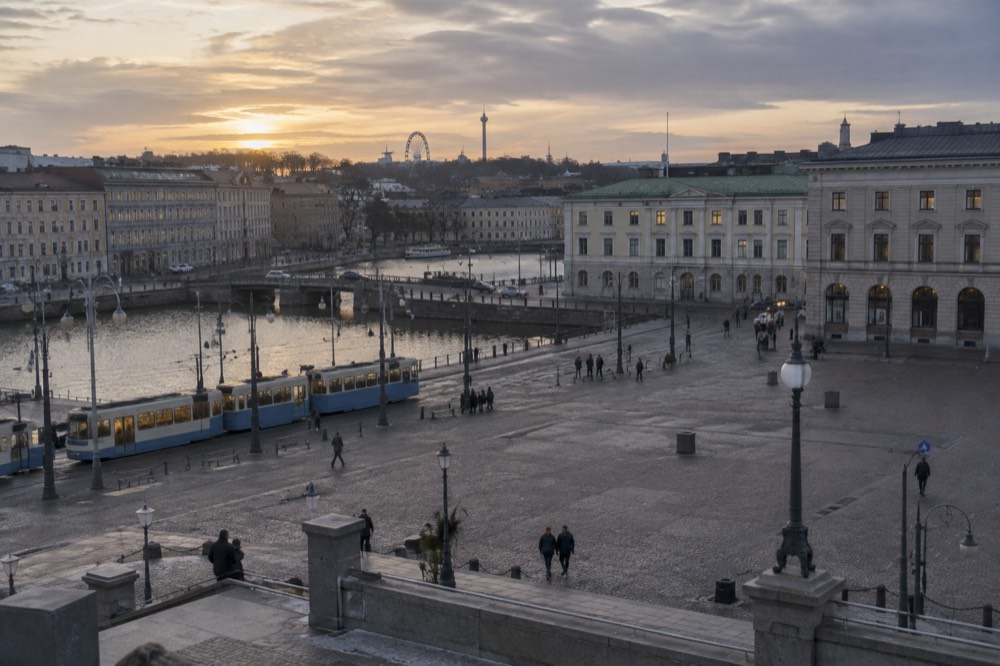
Winter shortens the effective day and removes Liseberg almost entirely, so two days is the winter maximum unless Christmas is the point. Daylight on 21 December is 6 hours 32 minutes against 18 hours 06 minutes on 21 June, per the US Naval Observatory, and SMHI's normals put October as the wettest month at 102.9 mm with April the driest at 51.3 mm. In practice: three days in summer, two in deep winter, and a Christmas-market day as its own category.
The daylight swing of 11 hours 34 minutes between solstices is the largest planning factor nobody mentions. A June visitor gets usable light from before 4am to after 10pm, so a three-day trip feels like four. A December visitor has grey light from roughly 8am to 4pm, which compresses every outdoor block and pushes the itinerary indoors. The daylight and darkness in Gothenburg guide has the month-by-month table.
| Date | Sunrise | Sunset | Day length |
|---|---|---|---|
| 21 June | 04:11 | 22:17 | 18 h 06 m |
| 21 December | 08:54 | 15:26 | 6 h 32 m |
The rain reputation deserves a correction while we are here. Gothenburg receives 912 mm a year across 127 wet days according to SMHI's 1991-2020 normals for station Göteborg A, which is wet but not exceptional: SMHI's own national maps put the Swedish maxima in the western highlands and the mountains, and the institute does not call Gothenburg the country's rainiest city. October is the wettest month at 102.9 mm, April the driest at 51.3 mm, so a spring trip gets more done per day than an autumn one at the same length.

What About a Weekend: Is Two Days Enough for Gothenburg?
A two-day weekend works well because Gothenburg's centre is compact and the tram network makes the city frictionless, but the weekend needs ruthless sequencing. Saturday should carry the archipelago or Liseberg, the two experiences that cannot be squeezed, while Sunday carries the centre, Haga and a long fika, noting that Systembolaget closes on Sundays and most shops open late. Book the archipelago ferry day for Saturday, since Sunday timetables are thinner.
The weekend version of the city is a known quantity, and a weekend in Gothenburg lays out the hour-by-hour version. The general principle: put the weather-dependent block first. If Saturday gives you the archipelago, Sunday's rain can fall on museums and cafes without wasting a day. If Liseberg is open and you are travelling with children, the park takes Saturday afternoon and evening, using the evening ticket that starts at 18:00.
Transport planning for a weekend is simple. A 24-hour Zone A ticket at 125 kr covers trams, buses and the archipelago ferries, and the getting around Gothenburg guide explains the zones. Do not confuse the current halved 30-day ticket prices with visitor day tickets: the state subsidy applies to monthly tickets only, and the 24-hour price is unchanged.
| Västtrafik ticket | Adult price | Notes for visitors |
|---|---|---|
| Single, 1 zone | 38 kr | 90 minutes of travel |
| 24-hour, Zone A | 125 kr | Covers trams, buses and archipelago ferries |
| 30-day, Zone A | 445 kr during the subsidy | Halved by a temporary state subsidy; day tickets are not discounted |

Common Questions About How Many Days You Need in Gothenburg
How many days do you need in Gothenburg?
Two days is the minimum, three is the sweet spot. Two covers the centre, Haga and the harbour; the third day buys the car-free southern archipelago on an ordinary tram-and-ferry ticket. Add a fourth day for Liseberg in season or a museum day, and a fifth for a day trip to Marstrand or the Bohuslän coast.
Is one day in Gothenburg enough?
One day covers the walkable centre: the moat-ringed old town, Avenyn and Götaplatsen, Haga and a viewpoint. It cannot absorb Liseberg or the archipelago, both of which need the better part of a day each.
Is three days in Gothenburg enough?
Yes, for most visitors. Three days fits the centre, Haga, the harbour, a museum and a full archipelago day. A fourth day is only needed for Liseberg at a relaxed pace or a day trip outside the city.
Is a weekend in Gothenburg long enough?
A two-day weekend works, with the archipelago or Liseberg on Saturday and the centre plus Haga on Sunday. Sunday has thinner ferry timetables and closed Systembolaget stores, so put the weather-dependent block on Saturday.
Does the season change how many days you need?
Yes. December daylight is 6 hours 32 minutes against 18 hours 06 minutes in June, and Liseberg is closed from late December to mid-April. Three days in summer can feel like four; in deep winter, two is the realistic maximum unless the Christmas market is the point.
Is the Gothenburg archipelago a day trip?
No, and this is the common planning error. The southern islands of Styrsö, Brännö, Vrångö and Donsö are areas of Gothenburg reached on an ordinary Västtrafik Zone A ticket, tram to Saltholmen then ferry. They fit inside a city trip as a third day, not as a separate excursion.
The Short Version
Count backwards from what you actually want from Gothenburg, Sweden. If the answer is the centre and Haga, take two days. If it includes the islands, which cost the same as a city tram day and reward slow walking, take three. If Liseberg is open during your window, or the Bohuslän coast is calling, take four or five.
The city itself will not expand to fill your itinerary, but it will not waste your days either, and that is the more useful property. A three-day trip in June, with eighteen hours of daylight and the ferries running full timetables, delivers more than a five-day trip in February, when the sea sits at 2.7 C and the park is shut. Match the length to the month, not the other way round. For the money side of the same question, is Gothenburg expensive? prices the trip day by day. This article is part of Gothenburg Travel Guide, where the transport, season and district guides live.