The Southern Archipelago of Gothenburg: Styrsö, Brännö, Vrångö and Donsö
Styrsö, Brännö, Vrångö, Donsö, Asperö and Köpstadsö are not day trips from Gothenburg. They are areas of the city, car-free, and reached by tram and ferry on an ordinary Västtrafik ticket.
Short answer
The southern archipelago islands sit inside Gothenburg's own Zone A. Ride a tram to Saltholmen, board a Västtrafik ferry, and the same ticket that carried you across the city carries you out onto the sea. A 24-hour Zone A ticket costs 125 kr and covers tram, ferry and every island.
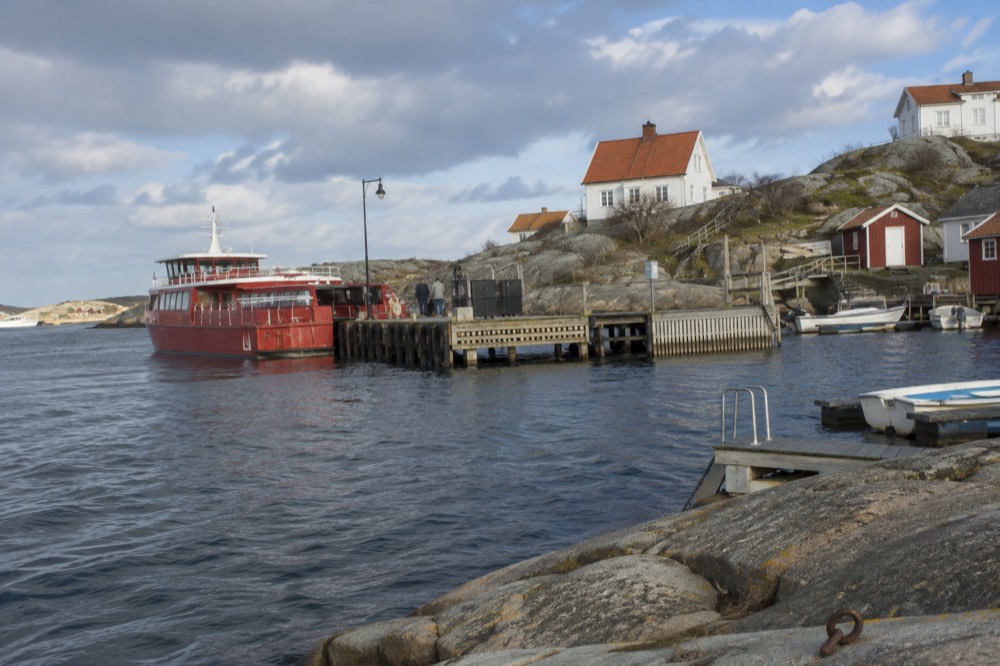
The southern archipelago of Gothenburg is the strangest good deal in Swedish travel. Styrsö, Brännö, Vrångö, Donsö, Asperö and Köpstadsö are proper islands in the Kattegat, granite and wind and wooden jetties, yet they are administrative areas of the city of Gothenburg, Sweden. Västtrafik's own site says it plainly: you can ride the same ticket all the way from the centre out onto the sea, and the islands are in Zone A. Private cars are banned on them. Göteborgs Stad's own study states that the islands of the southern archipelago are protected from car traffic, with only taxi, accessible transport and emergency services on the roads.
That combination, city tram, then boat, then a car-free island, exists almost nowhere else in Scandinavia at this price. This page from Gothenburg Travel Guide covers how the ferry system works, what each island is actually like, when the sea is warm enough to swim, and how to plan a day that strings several islands together.
What Is the Southern Archipelago of Gothenburg, Sweden?
The southern archipelago is a chain of car-free islands inside the city limits of Gothenburg, Sweden, reached by tram to Saltholmen and then by Västtrafik ferry, and covered by the same Zone A ticket that covers the trams. The six islands served from Saltholmen are Asperö, Brännö, Styrsö, Donsö, Vrångö and Köpstadsö. They are not a separate destination and not a day trip in the way Marstrand or the Bohuslän coast are. They are districts of the city, with permanent residents, schools and their own distinct characters, spread across the water at the mouth of the Göta älv.
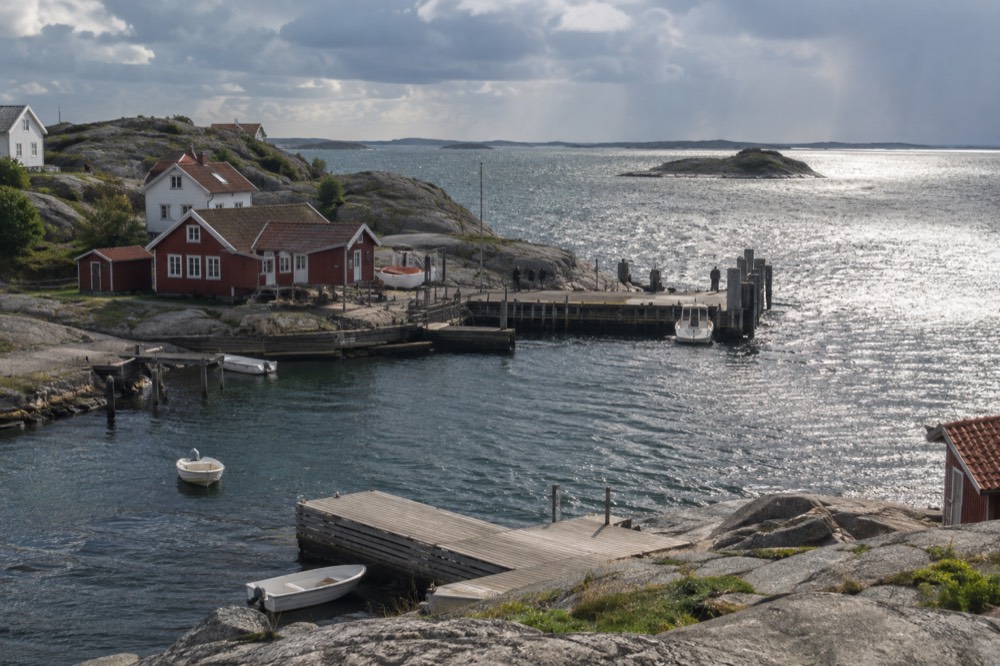
The geography explains the character. The islands sit where the river meets the open Kattegat, so the water is brackish rather than properly salty, the rocks are smooth west-coast granite, and the light is the grey-silver maritime kind the west of Sweden is known for. Fishing was the original economy and still shapes the islands: Donsö in particular remains a working fishing and shipping island, and the shrimp sandwiches sold on the jetties are not a tourist invention but a leftover of the working harbour culture.
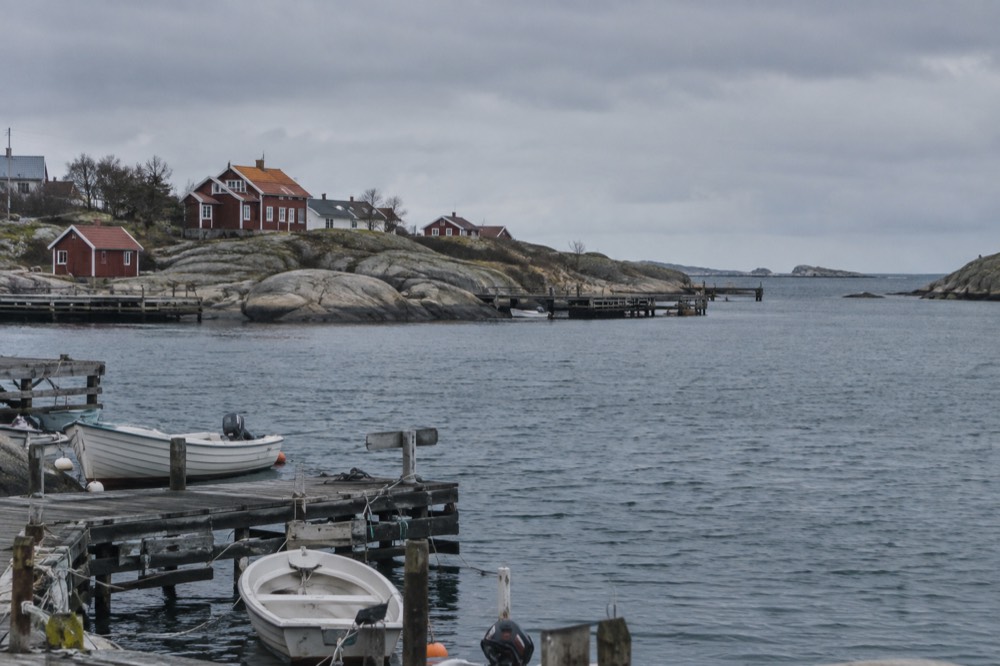
The scale surprises people. Styrsö is the largest and most built-up, with a small shop, cafés and a village feel. Brännö is flatter, quieter and famous in Sweden as the home of poet Evert Taube. Vrångö is the farthest out and the most exposed, with the best swimming. Donsö is the working island, with a fish industry still visible from the ferry. Asperö and Köpstadsö are the small ones, a handful of houses each, and Köpstadsö is so small that wheeled carts rather than cars have always been the transport.
How Do You Get to Styrsö, Brännö, Vrångö and Donsö from Gothenburg?
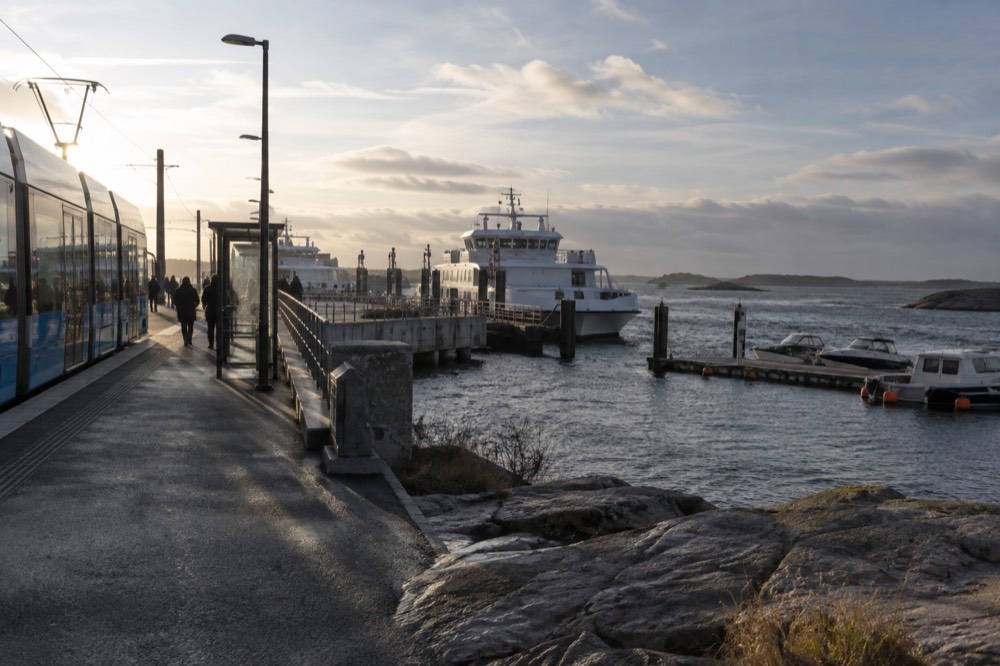
You ride any tram to Saltholmen, the western terminus of the Gothenburg tram network, then board a Västtrafik archipelago ferry, and a single Zone A ticket covers both the tram and the boat, so the whole journey from the city centre out onto the sea costs nothing extra beyond one ordinary city ticket. Västtrafik's fare pages put the adult single for one zone at 38 kr and the 24-hour Zone A ticket at 125 kr, the same price in the app as in a shop, per Västtrafik's own Zone A ticket page. The islands are in Zone A, the same zone as the city centre, so the 24-hour ticket is the one most visitors want: it covers the tram out, the ferry, island hopping between the islands, and the tram back, all day.
The ferry terminal at Saltholmen is genuinely the end of the tram line. Göteborgs Spårvägar's own annual report describes a network running from Saltholmen in the west to Kålltorp in the east, per the operator's published annual report, so you ride steel rails to the last stop and walk a short distance to the floating pontoon where the boats leave. Ferries carry Västtrafik line numbers and appear on Västtrafik's own combined tram, bus and boat network map, which is the document to check for current routings rather than any blog summary, including ours.
| Ticket | Adult price | What it covers |
|---|---|---|
| Single, 1 zone | 38 kr | One tram ride or one ferry leg, 90 minutes |
| 24-hour, Zone A | 125 kr | Trams, buses and archipelago ferries for 24 hours |
| 72-hour, Zone A | Price not published on the customer page | Check Västtrafik's own site before relying on it |
| Youth single, 1 zone | 29 kr | Ages 7-19 |
Two practical warnings. First, the headline you may have read about Västtrafik tickets being halved applies only to 30-day period tickets, under a temporary state subsidy running to the end of the year. The 24-hour and 72-hour tickets a visitor buys are not discounted; 125 kr is the real price. Second, do not drive to Saltholmen expecting to park. The terminal is a tram terminus precisely because parking there is the known pain point, and the islands themselves are car-free anyway, so the car is useless past Saltholmen. Our fuller transport write-up is at getting around Gothenburg by tram.
If you would rather have the archipelago explained while you ride it, a guided cruise is the straightforward option.
The guided archipelago cruise runs about two and a half hours on the same waters, and the listing shows a 4.4 rating from 1,488 reviews, from $44 per person. It is a boat ride with commentary rather than an island stop, so it complements rather than replaces a ferry day. For a fuller treatment of both island chains, see our overview guide to the Gothenburg archipelago, and for the other side of the city's water, the northern islands are covered in the northern archipelago: Öckerö, Hönö and Björkö.
Which Southern Island Should You Visit?
Styrsö is the best first island for facilities and atmosphere, Brännö for quiet walking and cultural history, Vrångö for the best swimming, and Donsö for a working fishing harbour, and all four are on the same ferry web so you can combine two or three in one day. There is no single right answer, which is the point: the ferries run often enough in summer that island hopping is normal behaviour, and locals do it on a Saturday the way other city residents take a bus to a park.
| Island | Character | Best for | Watch out for |
|---|---|---|---|
| Styrsö | Largest island, village centre, shop and cafés | First visit, food, an easy half day | Busiest in high summer |
| Brännö | Flat, quiet, meadows and cultural walks | Walking, Evert Taube history, calm | Fewer services, plan food |
| Vrångö | Farthest out, most exposed | Swimming, open scenery | Longest ferry ride, check times |
| Donsö | Working fishing and shipping island | Harbours, industry, authenticity | Least touristy, few cafés |
| Asperö | Small residential island | A quiet hour, a jetty lunch | Very limited services |
| Köpstadsö | Tiny, cart-only lanes | Novelty of the smallest island | Almost no facilities |
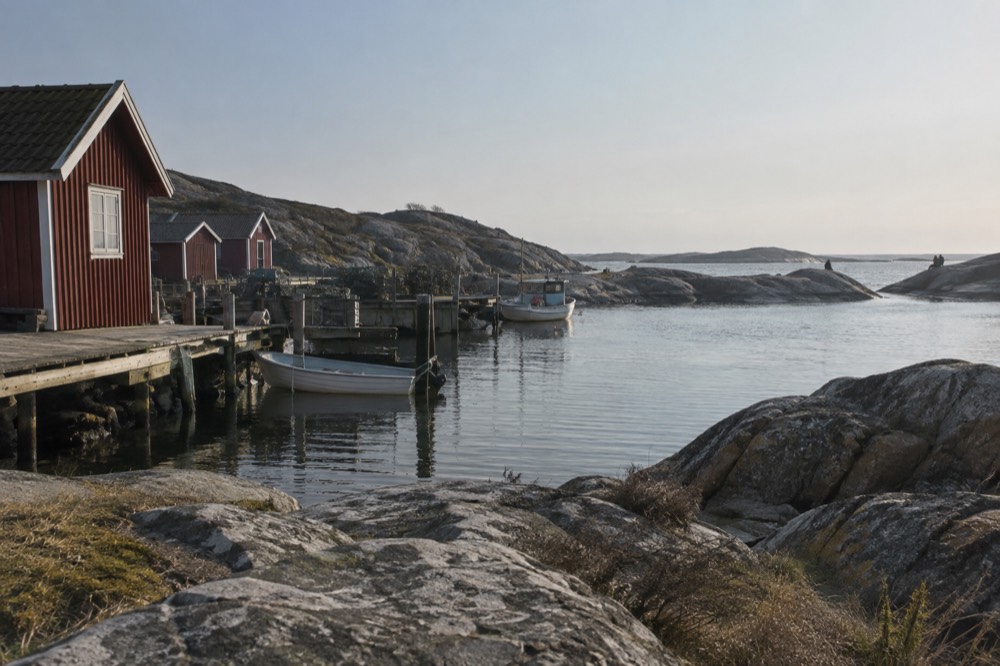
Styrsö has the most of everything: a shop, cafés, and paths up over the rocks to viewpoints. Brännö's fame in Sweden rests on Evert Taube, the national poet who grew up there, and the island's flat paths through meadows make it the easiest walking of the six. Vrångö is the swimmer's island, with shallow bays on the sheltered side and open granite on the west. Donsö keeps its working identity, with a fish processing plant and shipping company still operating, which means the island feels lived-in rather than staged.
If you want the islands' scenery with a guide and a proper hike rather than a ferry timetable to manage, there is a guided option that covers Brännö and the neighbouring islet of Galterö on foot.
The listing for that hiking tour shows from $103 per person for a full eight-hour day with fika included, and no reviews yet, which is worth knowing before you book. A different way to see the same water at speed is the hot rod tour, which puts you in a small open boat among the islands.
That hot rod listing shows a 5 rating from 7 reviews at from $205 per person for three and a half hours, so it is a premium add-on rather than a substitute for the ferry. If a self-guided day on the water appeals more, there is also self-guided kayak hire in the city centre at from $31 per person, rated 4.8 from 41 reviews, for those who want to paddle rather than ride.
What Is a Day on the Islands Actually Like?
A typical day runs tram to Saltholmen in the morning, ferry to Vrångö or Styrsö first while your energy is high, a swim and a jetty lunch, then a second island on the way back, and you are in the city centre again by late afternoon, all on one 125 kr ticket. The rhythm is set by the boats, not by you. Ferries run a loop from Saltholmen, and in summer the frequency is generous enough that a wrong guess costs you twenty minutes, not a day. In winter the timetable thins out sharply, so check the departures for your date rather than assuming summer service.
The experience on the water is half the point. The crossing to the nearest islands takes minutes, to Vrångö longer, and the boats pass close enough to smaller skerries that you see seals basking in spring and autumn. On board it is a mixed crowd: residents with shopping trolleys, children on scooters, and visitors with cameras, all paying the same fare. Once ashore, the car-free quiet is immediate. The loudest sound on Brännö is usually the wind in the trees.
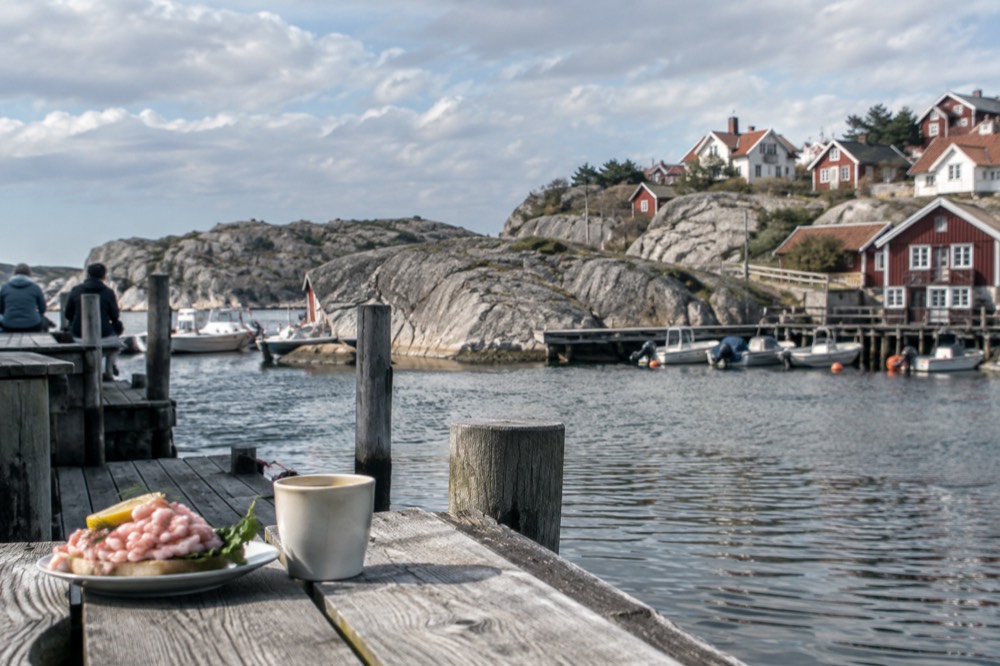
Food is simpler than in the city. Islands this small run on a handful of cafés and kiosks, seasonal and sometimes cashless, and the honest advice is to check what is open on your date and carry a picnic as a backup. The classic island food is the shrimp sandwich, a west-coast institution, eaten on a jetty with the boat timetable in view. For the theory and culture of the Swedish coffee break that will structure your island afternoon, see our guide to fika in Gothenburg, and for the city-side food scene, where to eat in Gothenburg.
When Can You Swim in the Gothenburg Archipelago?
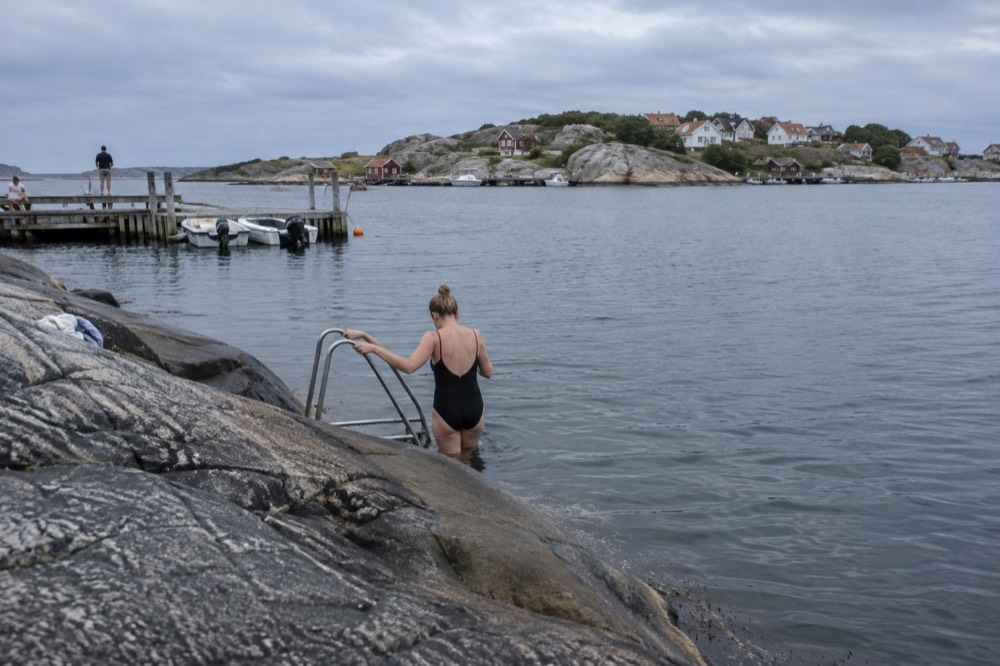
The sea at the archipelago peaks at 18.6 C in August, not July, and September water at 16.7 C is warmer than June water at 16.2 C, so late summer and early autumn are the best swimming months, and February is the coldest at 2.7 C. These figures come from SMHI's oceanographic archive at the Vinga lighthouse station, computed from tens of thousands of quality-controlled hourly observations, and they overturn what most visitors assume. People book June swims and skip September, when September is the warmer water.
| Month | Mean sea temp | Swimming verdict |
|---|---|---|
| June | 16.2 C | Bearable, bracing |
| July | 18.3 C | Good |
| August | 18.6 C | Best of the year |
| September | 16.7 C | Warmer than June, quieter beaches |
| October | 12.8 C | Cold-water swimmers only |
| February | 2.7 C | Coldest month, not January |
The record low in the archive is -1.2 C, in February, which is possible because brackish Kattegat water freezes below zero. That detail explains a lot about the islands: the water is less salty than the ocean, summer swimming is milder than the latitude suggests, and winter swimming is a genuine local practice rather than a stunt. For the full cold-water culture, including sauna boats, our page on cold water swimming and sauna in Gothenburg covers it in detail.
The other planning number is daylight. On 21 June the sun is up 18 hours 6 minutes, with civil twilight leaving only about three and a half hours of true night, so midsummer island evenings run very late. On 21 December you get 6 hours 32 minutes of daylight, and winter island visits are short, grey and atmospheric, best timed around a ferry schedule you have checked the same day. Our month-by-month breakdown is at daylight and darkness in Gothenburg.
Where Should You Stay: The Islands or the City?
Almost everyone stays in central Gothenburg and visits the islands for the day, because the islands have very limited visitor accommodation, the last ferries return to the city in the evening, and the tram-and-ferry commute is short enough that an island overnight is a choice rather than a necessity. The islands do have guesthouses and cabins, Styrsö in particular, and an overnight is the way to experience the place after the day crowd leaves. But the practical default is a city base with a morning start from Saltholmen.
The neighbourhood that pairs best with an archipelago day is Majorna, the mainland district you pass through on the tram west. Our Majorna second-hand quarter guide covers it, and it is the natural place for an evening meal after the boat back. For choosing a city base in the first place, see where to stay in Gothenburg.
What About Weather, Rain and the Best Time to Go?
The best months for an archipelago day are May through September, with August and early September combining the warmest sea, long daylight and thinner crowds, while April is statistically the driest month of the year at 51.3 mm and October the wettest at 102.9 mm, so the shoulder season beats both midsummer crowds and autumn rain. SMHI's 1991-2020 normals for the Göteborg station put annual rainfall at 912 mm spread over 127 days with at least 1 mm, roughly one day in three, per SMHI's published normals for the 1991-2020 period.
One myth to drop: Gothenburg is not Sweden's rainiest city, and SMHI's own text on the normals says the national maxima sit in the western highlands and the mountains, with the wet western Götaland band running above 1,000 mm in places. The city's 912 mm sits inside that wet band but is not a national record. The practical reading for the islands is that rain arrives in short showers rather than all-day drizzle, and a rain jacket in the daypack covers most eventualities. Our season-by-season breakdown is at the best time to visit Gothenburg.
Can You See the Southern Archipelago by Sail or Sauna Boat?
Yes, and both are established options: sailing trips with local skippers run from around $46 per person for an evening sail with fika up to $138 for a four-hour experience, and a four-hour sauna boat cruise runs from $344 per person, with the sauna boat being the winter-proof way to experience the islands. These are water experiences rather than island visits, so they suit a schedule where you want the archipelago's scenery without committing a day to ferry timetables.
The sailing options are varied. The evening sail with Swedish fika shows a 5 rating from 5 reviews and a 3.5-hour duration, ideal after a city day. The four-hour sail with a local skipper shows a 5 rating from 9 reviews at from $138 per person. A shrimp meal sail and a sunrise sail with breakfast are newer listings with no reviews yet, which is real information rather than a red flag. The sauna boat cruise, four hours with a 5 rating from a single review, is the one that works in October, when swimming off the rocks is a shorter proposition than it is in August.
If you would rather have a guide on the water for a shorter commitment, the standard guided cruise remains the most-reviewed option on the roster.
The listing shows from $44 per person, 2.5 hours, rated 4.4 from 1,488 reviews, and it is the single most-reviewed archipelago product we track. For a longer water day, the guided cruise plus a self-planned ferry hop to one island is a combination that works well: the cruise for the commentary, the ferry for actually standing on the granite.
How Do You Plan the Day: A Worked Example?
A solid first-timer's day is tram to Saltholmen by 9am, the first ferry to Vrångö, swimming and a picnic on the west rocks, the midday ferry to Styrsö for the café and viewpoint, then the afternoon boat back to Saltholmen and a tram to Majorna for dinner, all inside one 24-hour ticket. The order matters less than the principle: go farthest first while you are fresh, and work back toward the city, so a missed connection costs you a café rather than a boat.
| Time | Step | Ticket |
|---|---|---|
| Morning | Tram from Brunnsparken to Saltholmen | Zone A, 125 kr day ticket |
| Mid-morning | Ferry to Vrångö | Same ticket |
| Late morning to early afternoon | Swim, rocks, picnic on Vrångö | |
| Early afternoon | Ferry Vrångö to Styrsö | Same ticket |
| Afternoon | Styrsö café, village, viewpoint | |
| Late afternoon | Ferry to Saltholmen, tram to city | Same ticket |
Adjust freely. Families with small children often prefer Styrsö alone for its facilities and shorter distances. Strong walkers prefer Brännö and its meadow paths. If the weather turns, the islands become a short, moody visit and the city's indoor options take over, and our Gothenburg on a rainy day page handles that handover. And if you are compressing the whole city into a weekend, the islands slot naturally into day two of two days in Gothenburg.
Common Questions About the Gothenburg Southern Archipelago
Are the southern archipelago islands part of Gothenburg?
Yes. Styrsö, Brännö, Vrångö, Donsö, Asperö and Köpstadsö are areas of the city of Gothenburg, Sweden, inside Västtrafik Zone A, not separate destinations or day trips.
Do I need a separate ticket for the archipelago ferries?
No. Västtrafik's own materials state that an ordinary ticket covers the boats all the way from the centre out onto the sea, and the islands are in Zone A. A 125 kr 24-hour Zone A ticket covers tram and ferry together.
Can you drive to the southern islands?
No. Private cars are banned on all six islands. Göteborgs Stad's own study says the islands are protected from car traffic, with exceptions only for taxi, accessible transport and emergency services. You get there by tram to Saltholmen and then ferry.
Which island is best for swimming?
Vrångö, the farthest out, has the best swimming bays and the most open water. The sea peaks at 18.6 C in August, and September water at 16.7 C is warmer than June water at 16.2 C, per SMHI's Vinga station data.
Can you do the archipelago as a half day?
Yes. The nearest islands are minutes from Saltholmen by ferry, so a half day on Styrsö or Brännö is realistic from the city centre on a single ticket. Allow more time for Vrångö.
Is the ferry free with a [Go City](https://gocity.tpk.ro/HQKyKKW4) pass?
No. The ferries are ordinary Västtrafik services covered by Västtrafik tickets. The old Göteborg City Card no longer exists, and the Go City product that replaced it is a attractions pass, not a transport ticket, so buy a Västtrafik ticket for the boats.