Do You Tap Out on Gothenburg Trams? How Payment Works in Sweden
No, you do not tap out on Gothenburg trams. Västtrafik tickets are bought before you board and time-stamped on first use. Here is how the system actually works, with current fares.
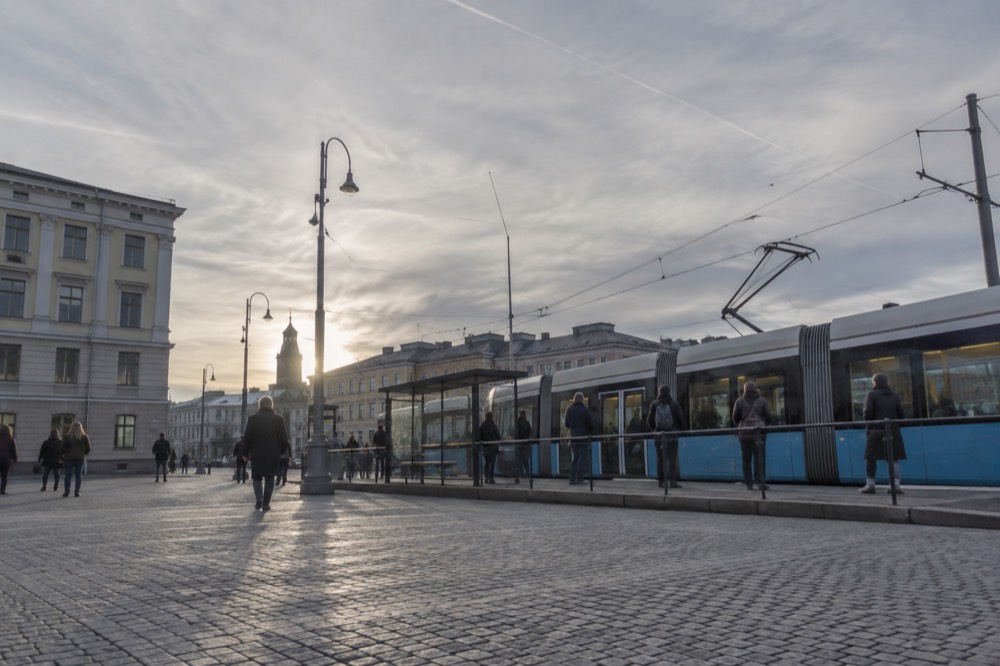
Gothenburg runs one of the largest tram networks in Europe, twelve lines and 188 kilometres of single track carrying 126 million journeys in 2025, and not one of those journeys involves a tap-out. There are no barriers, no readers on the poles, no beep when you step off. The system confuses visitors arriving from London, Amsterdam or Sydney precisely because it works on trust and pre-purchase rather than contactless tapping. This page, from the Gothenburg Travel Guide desk, sets out exactly how you pay, what a ticket covers, and what happens if you get it wrong.
Do You Tap Out on Gothenburg Trams?
No, you neither tap in nor tap out on a Gothenburg tram. Västtrafik, the regional transport authority, sells tickets in advance through its app, its Västtrafikkort or ticket machines, and the ticket is validated when you first use it rather than when you board. There are no readers on the tram poles and no barriers at stops. A ticket inspector may board at any time and scan your ticket, and travelling without one carries a fine. The whole model is pre-purchase, not pay-as-you-tap.
That is the short answer, and it is worth understanding why the system is built this way. Västtrafik's fare structure is zonal and time-based, not distance-based. A single ticket in one zone costs 38 kr for an adult and lasts for a set validity window from the moment you activate it, not from the moment you tap a reader. Because the fare does not depend on how far you travel, there is nothing to calculate at the end of the trip. A tap-out reader would add hardware and friction to a system that has no need of either.
This catches out visitors who are used to systems where the fare is deducted by distance. In London, in Sydney, in much of the Netherlands, you tap in and tap out and the system charges you for the segments you rode. In Gothenburg, if you stand at the door waiting for something to beep, you will be standing there when the tram reaches the terminus. The ticket you bought at the machine or in the app has already been doing its work since you activated it.
It also means the single most important habit is buying before you board. Trams in Gothenburg have no ticket machines on board and drivers do not sell tickets. If you step onto a tram with nothing in the Västtrafik To Go app, no Västtrafikkart and no paper ticket, you are travelling without a valid ticket, whether or not you intended to pay. Inspectors do board, in plain clothes as well as uniform, and "I was going to buy one" is not a defence the fare schedule recognises.
How Do You Actually Pay for the Tram in Gothenburg?
You buy a Västtrafik ticket before boarding, either in the free Västtrafik To Go app, on a rechargeable Västtrafikkort, or from a ticket machine at larger stops, and the ticket activates when you first use it. A single adult ticket in one zone costs 38 kr, a youth ticket 29 kr, and a 24-hour Zone A ticket costs 125 kr. None of these are sold on the tram, and none of them require tapping anything at the end of your ride.
The app is the method most visitors settle on. You download Västtrafik To Go, add a card, buy the ticket, and activate it just before you board. The activated ticket shows a countdown and can be shown to an inspector on the screen. The app also handles the 24-hour and period tickets, and it is where you would buy the ticket for the archipelago ferries too, since those are ordinary Västtrafik services in the same zone system.
The Västtrafikkart is the physical alternative, a plastic card you load with tickets or money at a Pressbyrån kiosk, a customer service point or a machine. Some visitors prefer it because phone batteries die in February cold. Paper single tickets from machines still exist at the bigger interchange stops. Whichever you choose, the principle is identical: the ticket exists and is active before the tram doors open.
Here is what the current fare table looks like, from Västtrafik's own ticket pages:
| Ticket | Adult | Youth (7-19) | Where it works |
|---|---|---|---|
| Single, 1 zone | 38 kr | 29 kr | Trams, buses, ferries in one zone |
| Single, 2 zones | 76 kr | 58 kr | Across two zones, e.g. city plus outskirts |
| Single, 3 zones | 114 kr | 87 kr | Three zones, regional reach |
| 24-hour, Zone A | 125 kr | - | Unlimited travel in Zone A for 24 hours |
| 30-day, Zone A | 445 kr (temporarily halved from 890) | 335 kr | Unlimited Zone A travel for 30 days |
One caution on that last row. A temporary state subsidy is currently halving the price of every ordinary 30-day period ticket, adult and youth, in the app or on card, and Västtrafik says the support applies for travel through the end of the year. That headline "half price transport" news does not extend to the tickets a short-stay visitor actually buys. The 24-hour Zone A ticket is still 125 kr, the same price in the app as in a shop. If you read that Gothenburg transport is half price right now, that is a claim about monthly commuters, not about your weekend.
The zone structure is simple at the visitor end. Zone A covers Göteborg itself plus Mölndal, Partille and Öckerö, which is to say the whole city including the northern archipelago islands. Almost everything a visitor does, trams, buses, the southern archipelago ferries from Saltholmen, sits inside Zone A. One ticket, one zone, no tapping.
What Happens If You Board a Gothenburg Tram Without a Ticket?
If an inspector finds you on a tram without a valid ticket, you are charged a penalty fare, and the inspector has the authority to demand identification if you refuse to pay on the spot. There is no opportunity to buy your way out once the doors have closed, because trams sell no tickets on board and drivers do not handle payment. The only safe position is a ticket bought and activated before boarding, and that applies to every line in the network.
Inspection is not constant, but it is real. Göteborgs Spårvägar, the municipal operator that runs the trams, employs ticket inspectors who board in teams, often in plain clothes, and sweep through the carriage checking every passenger's ticket or app. Visitors are not exempt, and the inspectors have heard every explanation. The penalty fare is substantial, a meaningful multiple of what a 38 kr single would have cost, and unpaid penalties escalate into invoicing and debt collection.
The trap is subtle for people from tap-based cities. In London you can board with a bare bank card and sort the fare out by tapping. In Gothenburg a bank card in your pocket is not a ticket. Contactless payment on board does not exist. If you realise mid-journey that you have nothing valid, the correct move is to get off at the next stop, buy a ticket from a machine or the app, and board the next tram, which in the central network usually arrives within minutes.
There is also a timing trap inside the app itself. A ticket bought in Västtrafik To Go does not start until you activate it. If you buy a single at breakfast and activate it then, it may expire before you board. The habit to build is: buy whenever you like, activate at the platform. The app makes the activated state unmistakable, with a visible countdown, so a quick glance at the screen before the doors open tells you where you stand.
For travellers who would rather not think about any of this on their first day, there is a sightseeing alternative that sidesteps the fare system entirely. runs on a fixed route from a central departure point, so no Västtrafik ticket is needed, and the operator's listing carries a rating of 4.7 from 4,326 reviews at the time of writing.
Do Gothenburg Trams Take Contactless Bank Cards?
No, you cannot pay by tapping a bank card or phone on a Gothenburg tram, because there are no contactless readers on board or at the poles. Payment happens before boarding through the Västtrafik To Go app, a Västtrafikkart loaded with tickets, or a ticket machine. Contactless bank cards are useful in shops, restaurants and museums across the city, but the tram system is not one of the places they work.
This is the single most common assumption that fails on arrival. Sweden is famously close to a cashless society, and visitors reasonably conclude that a society without cash must accept contactless everywhere. It does, almost everywhere, except on public transport, where the fare logic is different. The tram network runs on pre-purchased zonal tickets because the fare depends on zones and time, not on the specific vehicle you board, and a bank card tap cannot carry that information.
The practical consequence is that you should set up the app, or buy a card, before your first tram ride rather than at the platform with a tram bearing down on you. The Västtrafik To Go app works with foreign cards and the interface has an English setting. Download it at the airport or the hotel, add a payment card, and the first ride is as simple as activating a ticket and stepping on.
The cashless point does matter in one other direction: cash is close to useless on Gothenburg transport. Ticket machines take cards, kiosks take cards, and neither the driver nor an inspector will take coins for a fare. If you are travelling from a country where cash is still routine, leave it in the hotel safe for the trams.
Does One Västtrafik Ticket Cover Buses, Ferries and the Archipelago?
Yes, one ordinary Västtrafik ticket covers trams, buses and the archipelago ferries, because they are all parts of the same zonal network. The southern archipelago islands, Styrsö, Brännö, Donsö, Vrångö and the rest, sit inside Zone A, so a 125 kr 24-hour Zone A ticket covers the tram to Saltholmen and the ferry out to sea on the same ticket. The islands are areas of Gothenburg, not separate destinations.
This is the best-value fact in the city's whole transport system and the one most visitors never discover. Saltholmen, the ferry terminal, is itself the western terminus of the tram network, so the journey is seamless: tram to the end of the line, walk to the quay, board the boat, all on the ticket you activated downtown. Västtrafik's own zone map showing tram, bus and boat lines shows the ferry lines as part of the Zone A network, and the boats carry ordinary Västtrafik line numbers like any bus.
The islands are car-free, which Göteborgs Stad's own planning documents confirm, protected from private car traffic with exceptions only for taxi and emergency services. That is why the ferry is not a tourist cruise but a commuter service, with islanders carrying groceries and visitors carrying cameras on the same deck. A 24-hour ticket spent this way buys a full day of sea, granite and painted wooden cottages for 125 kr, which is less than many cities charge for a single airport ride.
If you are weighing this against other questions about the city, it is worth reading whether the Gothenburg ferry is free and whether the Gothenburg archipelago is worth visiting before you plan the day. The ferry is not free, but it is covered by the same ordinary ticket as the tram, which for most itineraries amounts to the same thing.

Is a Day Ticket Better Value Than Singles in Gothenburg?
A 24-hour Zone A ticket at 125 kr beats singles the moment you make more than about four tram journeys in a day, since a single adult ticket costs 38 kr and four singles cost more than the day ticket does. For a typical sightseeing day, Avenyn to Haga, Haga to Liseberg, Liseberg to the harbour, the day ticket wins comfortably. For one or two short rides, singles bought in the app are cheaper, and there is no deposit or card to buy.
The arithmetic is worth doing before you buy rather than after. Three singles cost 114 kr, which lands just under the day ticket price, so the break-even sits between three and four rides. Most first-day itineraries in Gothenburg blow past that by lunchtime, because the city's attractions are spread along the tram spine rather than clustered in one walkable core. If your plan is the harbour, the old quarter and one museum, singles may serve. If the plan includes Liseberg, the archipelago boats or a viewpoint, the day ticket pays for itself.
Do not confuse the day ticket with the halved 30-day ticket, whatever a headline about half-price Swedish transport tells you. The subsidy applies to period tickets, the 30-day products commuters use, and Västtrafik is explicit that the support is temporary and runs for travel through the end of the year. The 24-hour and 72-hour tickets a visitor buys are not discounted. A day ticket costs 125 kr today exactly as it did before the subsidy was announced.
For a longer stay the calculus changes. A week of daily tickets costs several times the price of a single day ticket, which crosses into period-ticket territory, though the halved 30-day price of 445 kr is a monthly product that only pays if you are actually in the city across many weeks. Most visitors on a two or three day trip, the length most people settle on when deciding how many days in Gothenburg is enough, will use one or two day tickets and nothing else.
Season matters less than you might think for transport itself, but it changes what the ticket buys you. In summer the same Zone A ticket covers ferry hops between swimming islands; in December it carries you between the Christmas lights. The best time to visit Gothenburg question is mostly about weather and crowds, because the tram fare is the same year-round.
Common Questions About Paying on Gothenburg Trams
Do you tap out on Gothenburg trams?
No. There is no tap-in or tap-out anywhere on the network. You buy a Västtrafik ticket before boarding, it activates on first use, and an inspector may check it during the journey. Nothing happens at the doors when you leave.
Can you buy a tram ticket on board in Gothenburg?
No. Trams carry no ticket machines and drivers do not sell tickets. You need the Västtrafik To Go app, a Västtrafikkart or a paper ticket from a machine before you board.
How much is a single tram ticket in Gothenburg?
An adult single in one zone costs 38 kr, with a youth ticket at 29 kr. Two and three zone singles cost 76 kr and 114 kr for adults. Almost everything a visitor does sits in Zone A.
Does contactless work on Gothenburg trams?
No. There are no contactless readers on the trams or at the stops. Bank cards work in shops and museums all over the city, but transport payment happens through the app or a Västtrafikkart before boarding.
Is the tram to the archipelago ferries included in the same ticket?
Yes. Saltholmen is the western terminus of the tram network and the southern archipelago ferries are ordinary Västtrafik services in Zone A, so one ticket covers the tram and the boat out to the islands.
Is transport in Gothenburg half price right now?
Only monthly tickets are. A temporary state subsidy halves 30-day period tickets, Zone A adult from 890 kr to 445 kr, through the end of the year. The 24-hour ticket a visitor buys remains 125 kr.