Museum of World Culture Gothenburg: What to See, Tickets and How to Get There
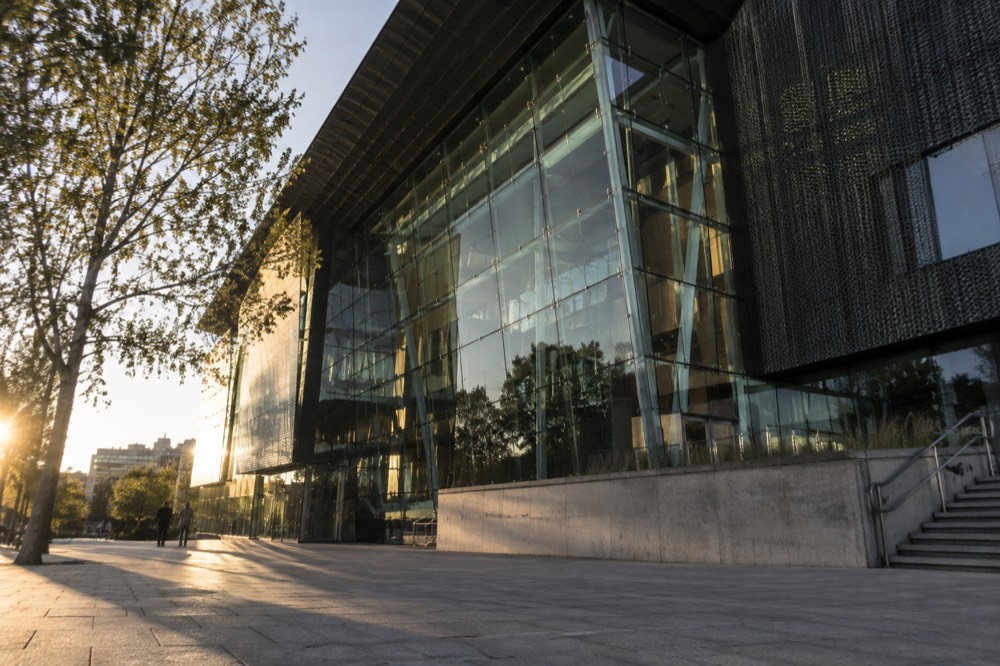
The Museum of World Culture (Världskulturmuseet) is Gothenburg's state museum for global cultures, and one of the few big museums in the city that does not revolve around ships, art or Volvo. This guide covers what it is, how ticketing works, how to get there, and how to fit it into a day.
Short answer
The Museum of World Culture is Gothenburg's national museum of world cultures, showing exhibitions on global societies, migration and contemporary issues. Check the museum's own site for current admission and hours before you go, pair it with nearby attractions in central Gothenburg, and reach it on an ordinary Västtrafik tram ticket.
Gothenburg's museum map leans heavily on the sea: maritime museums, a floating ship museum, an aquarium inside a science centre. The Museum of World Culture (Världskulturmuseet) is the exception. It is the city's state-run museum for global cultures, the Gothenburg branch of the national Världskulturmuseen agency, and its exhibitions look outward at the world rather than inward at the city's shipyard past. For a visitor building an itinerary, that makes it a change of pace between Liseberg's roller coasters and the granite and brick of the old town.
This guide is written by an editorial desk that reports rather than remembers. Nobody here has wandered these galleries. Every figure below comes from the site's verified facts pack, and where a number is not verified, we say so plainly instead of guessing. That matters for this museum in particular, because its admission and opening arrangements are the kind of detail that changes between seasons, and a confident wrong number is worse than an honest gap.
What Is the Museum of World Culture in Gothenburg?
The Museum of World Culture (Världskulturmuseet) is Gothenburg's state museum of world cultures, the western branch of Sweden's national Världskulturmuseen agency alongside its sister museums in Stockholm. Its exhibitions cover global societies, migration, colonial history and contemporary world issues rather than Swedish or maritime history, which sets it apart from every other large museum in the city. It is a museum about the whole planet, located in a city otherwise devoted to its own harbour.
That last contrast is worth dwelling on, because it explains why the museum divides opinion among visitors. Gothenburg's museum scene is unusually strong on local identity. The Gothenburg City Museum tells the story of the city itself, Maritiman puts you aboard floating warships and freighters, and the Röhsska Museum of Design and Craft covers design and applied art. The Museum of World Culture belongs to none of those traditions. It exists under a national mandate to present non-Swedish cultures and global questions to a Swedish public.
For a visitor, the practical consequence is that the content is thematic and temporary. State world-culture museums in Sweden rotate their exhibitions, so what is on the floor this year may not be next year. The museum's own site is the only reliable source for the current exhibition list, and we deliberately do not reproduce one here: naming this season's shows would date this page within months. Plan around the categories the museum works in, global cultures, migration, world history and contemporary issues, and check the current programme when you are actually ready to book a day.
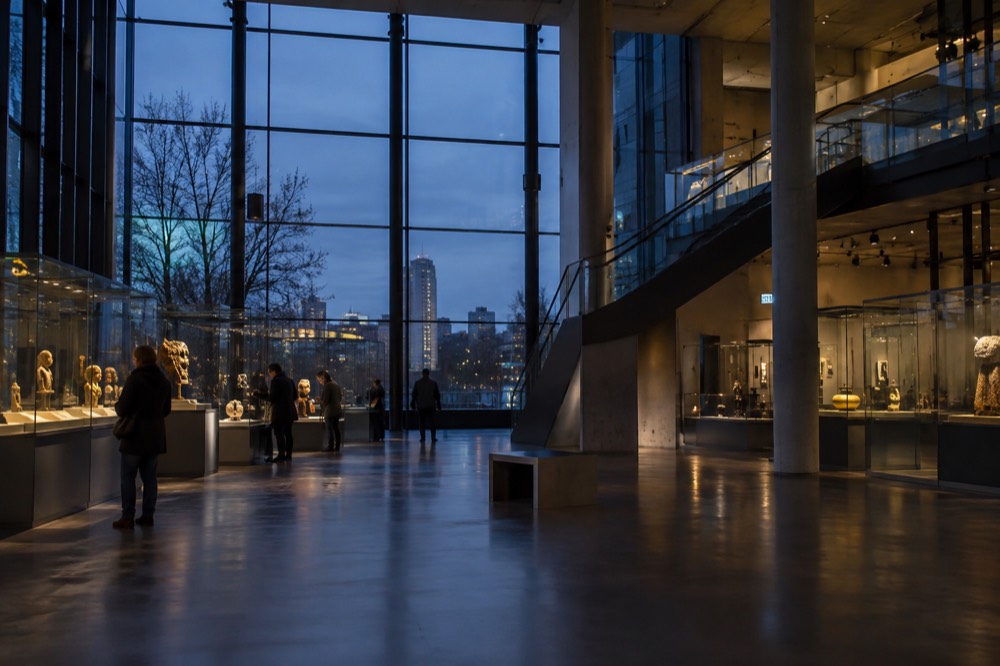
The museum also has a second life as a venue. Like most state museums in Sweden it hosts talks, film screenings, workshops and evening events, and these are often the most interesting things happening in the building on a given week. Again, the events calendar on the museum's own pages is the source to check, because event schedules are exactly the kind of fast-moving detail this guide will not pretend to know.
What Can You Actually See and Do Inside?
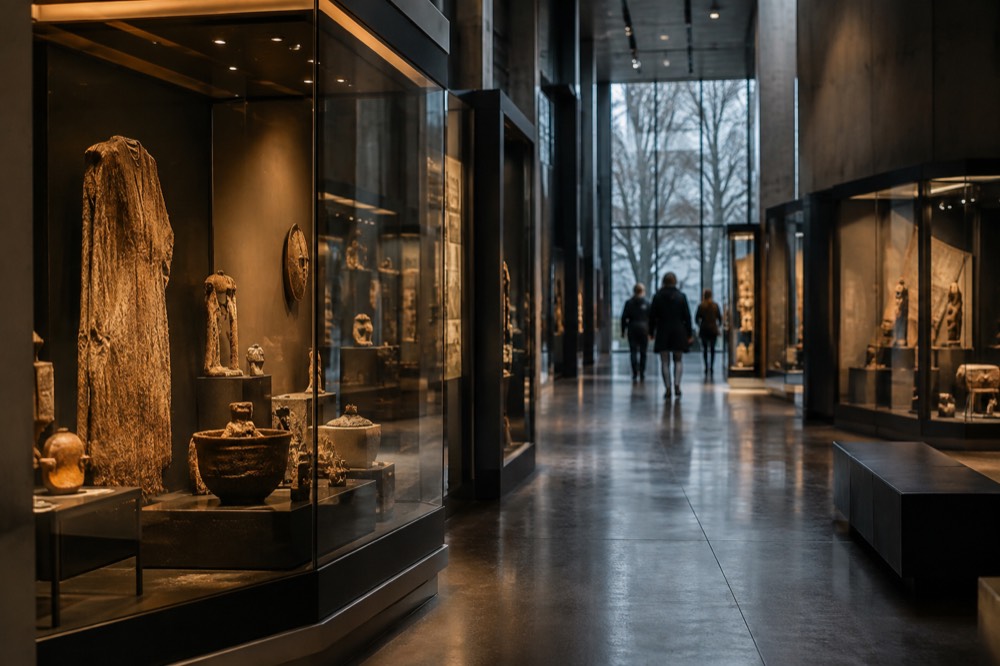
Inside, the Museum of World Culture offers rotating thematic exhibitions on world cultures and global issues, plus a programme of talks, workshops and evening events rather than a fixed permanent collection in the classic sense. Because the exhibitions change, the honest answer to what is on the floor today is on the museum's own current-programme page, and any guide that lists specific shows by name is probably describing a past season.
That is not a cop-out, it is the single most useful thing to know before you go. Travellers who arrive expecting a permanent collection arranged by continent, the way older ethnographic museums were built, sometimes leave disappointed. The Swedish world-culture museums were deliberately organised on a different model when the national agency was created, one built around questions and contemporary interpretation rather than a permanent display of artefacts in glass cases.
What you can plan for with confidence:
| What the museum offers | What to expect | How to verify before you go |
|---|---|---|
| Thematic exhibitions | Rotating shows on global cultures, migration and world issues | Check the museum's own current-programme page |
| Events programme | Talks, screenings, workshops, often evenings | Check the museum's events calendar |
| Family activities | Museums of this kind usually run children's trails and holiday activities; this one's own site lists what is on | Check the family section of the museum's site |
| Cafe and shop | Standard for museums of this size in Sweden | Check the museum's visit page for current hours |
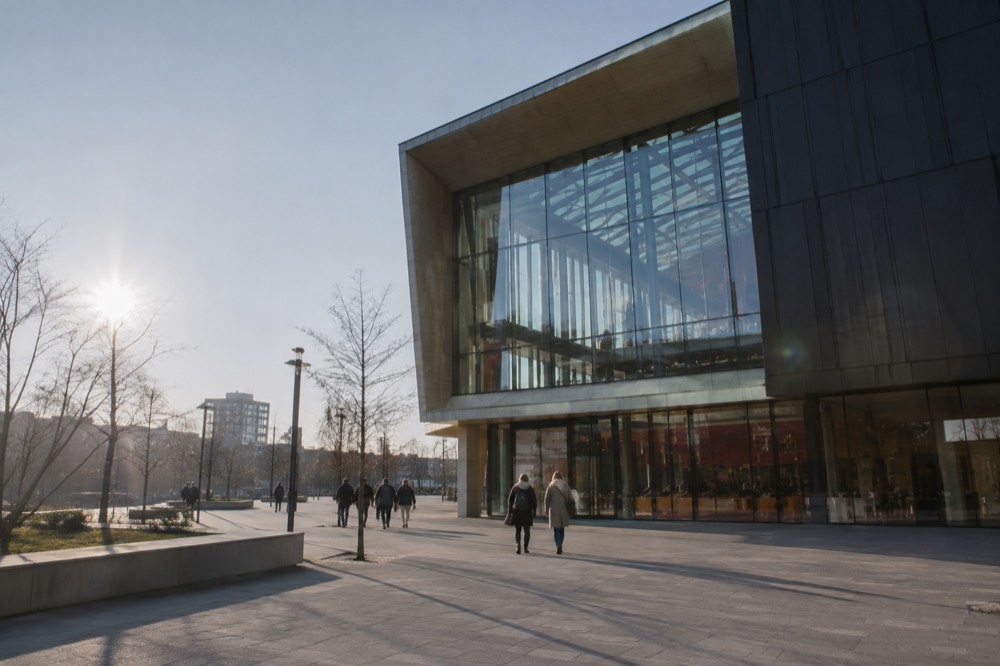
If you are the kind of traveller who enjoys argument-provoking exhibitions more than object-hunting, this museum will suit you. If your party splits on that question, a common compromise in Gothenburg is to give the world culture museum a focused hour or two and spend the rest of the day on the city's more conventional attractions. Two of the strongest pairings are covered later in this guide, and both are within ordinary tram range.
Since the museum is one stop on a longer Gothenburg day, it is worth thinking about how you will buy the rest of it. These are three of the most-booked ways to structure sightseeing in the city:
The pass in particular is relevant to museum-goers, because it bundles a long list of Gothenburg attractions, and checking whether the museums on your list are inside the bundle takes two minutes on the operator's live listing and can change the arithmetic of your whole trip.
How Much Does It Cost, and When Is the Museum Open?
The honest answer is that this guide does not print the Museum of World Culture's admission price or opening hours, because those figures are not in this site's verified facts pack, and publishing an unverified number is how guides go wrong. The museum's own visit page is the authoritative source for current admission, concession rules and daily hours, and you should check it the day you plan to go, since state museums in Sweden adjust hours seasonally and around public holidays.
We mean that literally rather than as a disclaimer. The facts pack behind this site is built from primary sources only, the museum's own pages, the transport authority, the weather institute, the statute book, and where a figure could not be read back on a primary page it is excluded. For some Gothenburg institutions the pack carries exact numbers: Göteborgs konstmuseum's day ticket is 75 kr, for example, and World of Volvo's exhibition tickets start from 120 SEK online. For the Museum of World Culture, no verified admission figure is in the pack, so none appears here.
What we can tell you is how the surrounding landscape works, because that is verified:
| Gothenburg institution | Verified admission fact | Source basis |
|---|---|---|
| Göteborgs konstmuseum | Day ticket 75 kr; free for everyone under 20; free for students with ID | Museum's own visit pages |
| World of Volvo | Exhibition tickets from 120 SEK online, 10% online discount | Venue's own ticketing page |
| Universeum | Dynamically priced with a booked time slot; no fixed published adult price; on-site price is online price plus 30 kr | Venue's own ticketing page |
| Museum of World Culture | No verified figure in this site's facts pack | Check the museum's own site |
| Slottsskogen park and zoo | Free to enter | Verified facts pack |

Two cautions travel with that table. First, Göteborgs konstmuseum closes in 2028 for a rebuild and reopens in 2032, and there is intermittent blasting on the site right now, so treat it as a visit with a deadline rather than a permanent fixture; our Gothenburg Museum of Art guide carries the full detail. Second, do not let any source tell you the old Volvo Museum is part of your museum day: it closed permanently in December 2023, and the only Volvo visit that exists is World of Volvo, the 2024 building near Liseberg.
If your Gothenburg plan is museum-heavy, the pass question is worth settling early:
The All-Inclusive Pass is sold in one, two, three and five-day durations and covers more than 20 attractions, so a two-museum-plus-transport day can already make it pay. Whether the Museum of World Culture is among the included attractions is stated on the operator's live listing, and that is the number to check before buying rather than after.
How Do You Get to the Museum of World Culture?
You reach the Museum of World Culture the way you reach almost everything in Gothenburg: on the tram network, using an ordinary Västtrafik ticket. A single adult ticket for one zone costs 38 kr, a 24-hour Zone A day ticket costs 125 kr, and the same ticket covers trams, buses and the southern archipelago ferries, so your museum transport and your island boat ride can ride on the same fare.
The tram is the city's backbone, and the numbers behind it are verified: 12 lines, 134 stops and 188 km of single track as of the 2022 network report, running from Mölndal in the south to Angered in the north and out to Saltholmen in the west, and carrying 126 million journeys in 2025. There is no cheaper or more reliable way to move around the centre. The fare structure that matters to a visitor:
| Västtrafik ticket | Adult price | Notes |
|---|---|---|
| Single, 1 zone | 38 kr | Covers all of Gothenburg including the archipelago islands |
| Single, 2 zones | 76 kr | Only needed for trips beyond Zone A |
| 24-hour, Zone A | 125 kr | Same price in app or shop; covers trams, buses and archipelago ferries |
| 30-day, Zone A adult | 445 kr, temporarily halved from 890 kr | State subsidy through year end; not the ticket a short visitor buys |
That last row carries the nuance most guides get wrong. A temporary state subsidy has halved the price of every 30-day period ticket through the end of the year, Zone A adult falling from 890 kr to 445 kr, as Västtrafik's own discount page states. But that cut does not apply to the 24-hour and 72-hour tickets a visitor actually buys: your day ticket is still 125 kr, per the Zone A day-ticket page. Write that on your planning sheet as "monthly tickets are halved, visitor day tickets are not." Our full trams, tickets and zones guide unpacks the rest of the fare system, including how the zones work and where the day ticket stops being the right buy.

For the museum specifically, the practical advice is simple: check the museum's own visit page for the nearest tram stop and any step-free access notes before you set out, and buy your ticket in the Västtrafik app before you board. If you are arriving from further afield, our Landvetter airport to the city centre guide covers the Vy flygbussarna airport coach, which takes 20 minutes to the Nils Ericson Terminal; from there the tram network takes over.
If you would rather have the city explained to you while you move through it, the amphibious bus is the one Gothenburg tour that turns the transport itself into the sight:
The listing shows a rating of 4.7 from 4,326 reviews over an hour-long land-and-water route, which makes it one of the most-reviewed tours in the city. It is a sightseeing ride rather than museum transport, but it works well as the same-day orientation before you dive into the museums themselves.
Is the Museum of World Culture Good for Kids?
For school-age children, the Museum of World Culture is a reasonable family stop, because world-culture museums in Sweden design family trails, holiday workshops and hands-on activities as a core part of their mandate rather than an afterthought. For toddlers it depends entirely on what is currently showing, and for a full-on kids' day out the honest recommendation is to pair a short museum visit with Slottsskogen, whose park and zoo are free to enter.
The verified comparison here is not really between museums, it is between museum types. Universeum, the science centre, is the city's undisputed family heavyweight: open every day of the year from 10:00 to 18:00, dynamically priced with a booked time slot, free for children under three, and built around a rainforest hall and aquarium that are included in admission. Our Universeum guide covers it in full. A world-culture museum cannot compete with a three-storey rainforest, and it is not trying to.
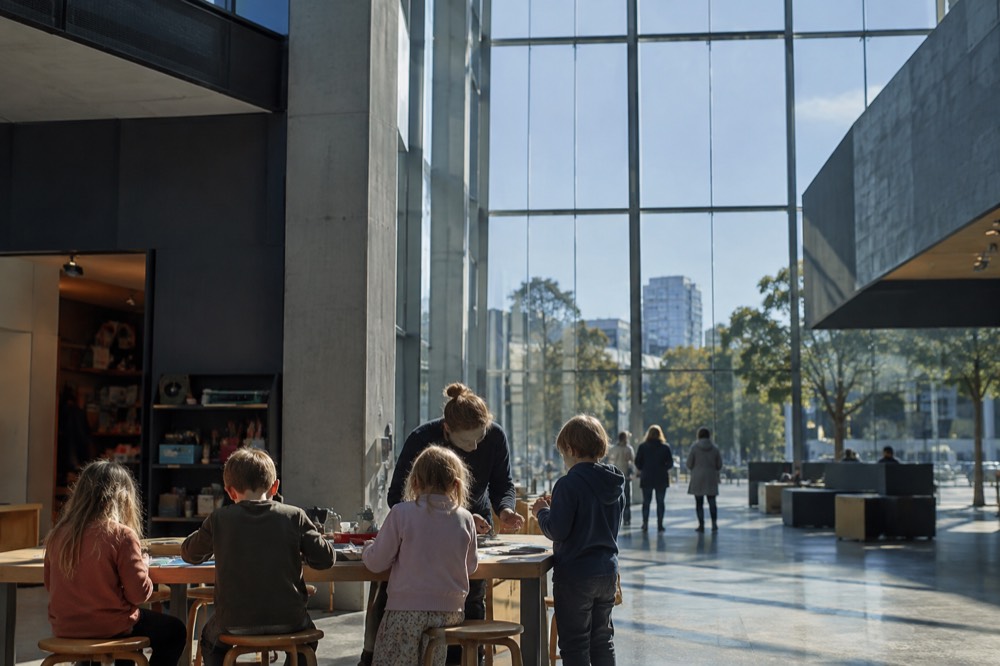
What it can do is give older children something Universeum does not: exhibitions that ask real questions about how other people live, how migration reshapes countries, and how history looks from more than one side. Families who have done the science centre on a previous trip and want something different often find this is the right next museum. The rule of thumb is simple: under about six, prioritise Universeum or Slottsskogen; over about eight, the world culture museum earns its place on the itinerary.
What Else Is Near the Museum of World Culture?
Central Gothenburg packs several major attractions within tram range of the Museum of World Culture, so the museum works best as one half of a day rather than a destination in itself. The strongest pairings are the Gothenburg Museum of Art at Götaplatsen, the Röhsska design museum, Universeum and Liseberg, and the Slottsskogen park and free zoo, all reachable on the same 125 kr day ticket that brought you to the museum.
A sample half-and-half day, using only verified facts about what each place is:
| Pairing | What it is | Who it suits |
|---|---|---|
| Museum of World Culture + Göteborgs konstmuseum | State world-culture museum plus the city's main art museum, 75 kr day ticket, free under 20 | Adults, art and ideas in one day; note the 2028 closure of the art museum |
| Museum of World Culture + Universeum | Global exhibitions plus rainforest and aquarium science centre | Families splitting ages and interests |
| Museum of World Culture + Liseberg | Museum morning plus the amusement park, entry from 95 kr but rides sold separately | Thrill-seekers; check the seasonal calendar first |
| Museum of World Culture + Slottsskogen | Museum plus free park and free zoo | Budget days, families, good weather |

The Liseberg row deserves its own warning, because the park's calendar catches out a remarkable number of visitors. In 2026 the summer season runs 18 April to 20 September, Halloween runs 2 October to 1 November, and the Christmas market runs 14 November to 23 December, all published on Liseberg's own tickets page. Between those seasons the park is shut, and the entry ticket question trips people up too: entry from 95 kr buys zero rides, with ride passes sold separately from 310 kr. Our Liseberg rides, tickets and when to go guide carries the full price table and the closed periods.
And if the weather is on your side, remember what that day ticket really covers. The southern archipelago islands, Styrsö, Brännö, Vrångö, Donsö and the rest, are areas of Gothenburg, not day trips, they are car-free, and the ferries from Saltholmen are inside the same Zone A ticket. A museum morning and an island afternoon on one 125 kr fare is the single best-value day the city offers, and our Gothenburg archipelago guide maps it out.
The guided archipelago cruise is the version of that afternoon where someone else handles the boats and the commentary:
The listing shows a rating of 4.4 from 1,488 reviews over two and a half hours, from $44 per person. It is the most-reviewed boat experience in the city, and it pairs naturally with a museum morning because it departs from the harbour side of the centre.
How Does the Museum of World Culture Compare with Gothenburg's Other Museums?
Compared with the rest of Gothenburg's museum scene, the Museum of World Culture is the city's only large state museum focused on global cultures rather than local history, which makes it the pick for visitors who want ideas and world perspectives rather than ships, design or Volvo. It is smaller in scope than Universeum, less classic than the art museum, and less hands-on than the science centre, but it is the one museum in the city whose subject is everywhere except Gothenburg.
The city's museum offering, sorted by what each is actually for:
| Museum | Subject | Verified practical detail |
|---|---|---|
| Museum of World Culture | Global cultures, migration, world issues | Check the museum's own site for admission and hours |
| Göteborgs konstmuseum | Nordic art, Hasselblad Center included | 75 kr day ticket, free under 20; closes 2028, reopens 2032 |
| Universeum | Science, rainforest, aquarium | Open daily 10:00-18:00, dynamic pricing, book a time slot |
| Gothenburg City Museum | The city's own history | See our city museum guide |
| Röhsska Museum | Design and craft | See our Röhsska guide |
| Maritiman | Floating ships | See our Maritiman guide |
| World of Volvo | Volvo, past and present | From 120 SEK online; the Arendal museum closed in 2023 |
A note on timing your whole museum trip, because Gothenburg's climate does have a shape even if the clichés about it are wrong. The verified numbers from SMHI's 1991-2020 normals for the Göteborg A station: the city sees 912 mm of rain across 127 days a year, about one day in three, with October the wettest month at 102.9 mm and April the driest at 51.3 mm. What most visitors get backwards is the season: summer is not the dry window, spring is, and the rain arrives after the tourists leave. If your trip lands in October, museum-heavy days are the right plan, and the world culture museum earns an extra star for exactly that reason. SMHI's own data does not support the "rainiest city in Sweden" label the city often gets, but 12.6 wet days in October is still 12.6 wet days. Our best time to visit Gothenburg guide works through the whole calendar, including the daylight swing from 6 hours 32 minutes in December to 18 hours 6 minutes in June.
If you are planning several paid attractions around the museum, here again are the three most-booked ways to structure the sightseeing:
Whether the pass beats individual tickets depends on your museum list, and the operator's live listing is where that arithmetic gets settled. For more on what the city pass landscape looks like now that the old Göteborg City Card no longer exists, see our Gothenburg City Card guide.
Common Questions About the Museum of World Culture in Gothenburg
What is the Museum of World Culture in Gothenburg?
It is Gothenburg's state museum of world cultures, the western branch of Sweden's national Världskulturmuseen agency. Its exhibitions cover global societies, migration and contemporary world issues, which distinguishes it from the city's maritime, art and design museums.
How much does the Museum of World Culture cost?
This guide does not print an admission price, because no verified figure is in this site's facts pack. The museum's own visit page is the authoritative source for current admission and concession rules, and it should be checked the day you plan to go.
How do I get to the Museum of World Culture?
By tram, on an ordinary Västtrafik ticket. A single adult ticket for one zone costs 38 kr and a 24-hour Zone A day ticket costs 125 kr, covering trams, buses and the southern archipelago ferries. Check the museum's own visit page for the nearest stop.
Is the Museum of World Culture good for kids?
School-age children get real value from it, since family activities are part of the museum's mandate. For toddlers, Universeum and Slottsskogen are stronger picks; Slottsskogen's park and zoo are free to enter.
What else should I see near the Museum of World Culture?
The Gothenburg Museum of Art at Götaplatsen, the Röhsska design museum, Universeum, Liseberg and Slottsskogen are all within tram range on the same Zone A ticket. Note the art museum closes in 2028, and the old Volvo Museum at Arendal closed permanently in December 2023.
Is the Museum of World Culture open on Mondays?
Opening hours are not in this site's verified facts pack, so we do not state them. Swedish state museums vary on Monday openings, and the museum's own visit page gives the current weekly schedule.
Planning the rest of the city around your museum visit? Our two days in Gothenburg itinerary slots the museums into a full weekend, and Gothenburg Travel Guide covers everything else from the archipelago ferries to the tram fares.