Röhsska Museum of Design and Craft in Gothenburg: What to See, Tickets and How to Visit
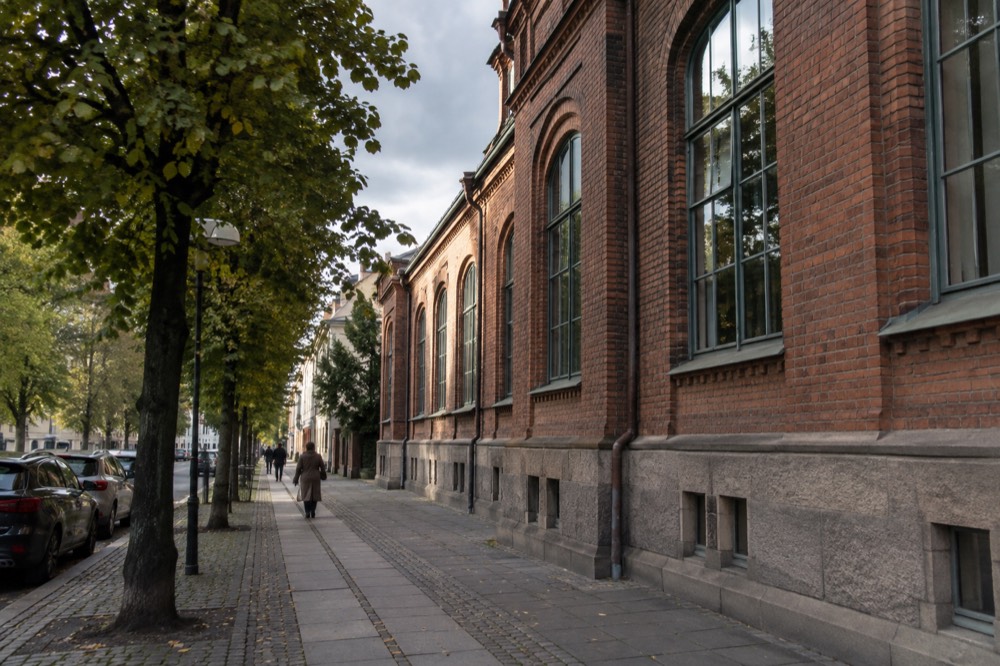
The Röhsska Museum is Sweden's museum of design, craft and fashion, housed in a purpose-built late 19th-century building on Vasagatan in central Gothenburg. This guide covers what the museum collects, how ticketing works, how the tram network gets you there, and how it fits into a museum day in the city.
Short answer
The Röhsska Museum is Sweden's dedicated museum of design and craft, on Vasagatan in central Gothenburg, a short walk or tram ride from Avenyn and Götaplatsen. Its collections span applied art, textiles, ceramics, furniture and fashion, with rotating temporary exhibitions alongside the permanent displays. Check the museum's own site for current admission and opening hours before you go, then pair the visit with the Museum of Art, Universeum or World of Volvo for a full museum day.
Gothenburg's museum map is heavier on ships, fish and amusement rides than on decorative art, which is exactly why the Röhsska Museum of Design and Craft stands out. It is Sweden's museum for design, craft and fashion, set in a purpose-built brick building on Vasagatan, a few minutes from the Avenyn boulevard and the steps of Götaplatsen. While most visitors head straight for Liseberg's rides and tickets or the Universeum science centre, the Röhsska is the city's quiet answer for anyone interested in how objects are made, who made them, and why they look the way they do.
This guide from the Gothenburg Travel Guide desk covers what the museum collects, how ticketing works, how to reach it on the tram network, and how to fold it into a day that takes in more of the city. One thing to know up front: the museum's own website is the authority on current admission prices and opening hours, and this page will point you there rather than print a number that may have changed by the time you travel.
What Is the Röhsska Museum of Design and Craft in Gothenburg?
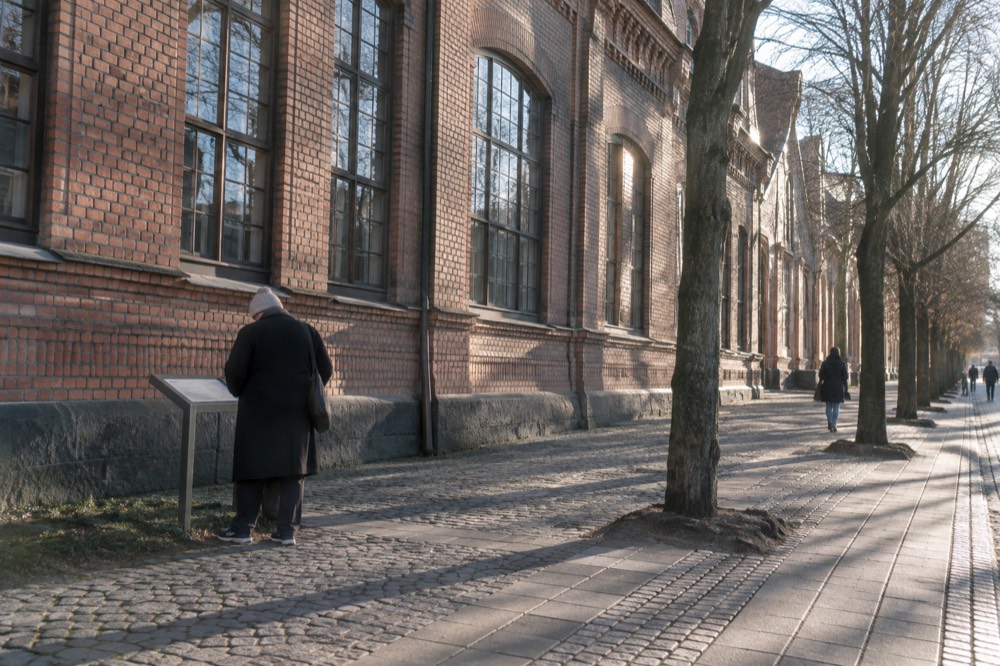
The Röhsska Museum is Sweden's national-specialist museum for design, craft and fashion, located on Vasagatan in central Gothenburg, a short walk south of Götaplatsen. Its remit is applied art rather than fine art: furniture, ceramics, glass, textiles, metalwork and clothing, spanning several centuries of making, shown in permanent and temporary exhibitions inside a purpose-built brick building. It complements, rather than duplicates, the city's art, maritime and science museums.
The building itself is part of the story. The museum occupies a striking brick structure on Vasagatan, in the Vasastan district of stone streets and student cafes, and its galleries are arranged so that a visit moves between historical craft traditions and contemporary design debates. The museum's collecting remit covers design, craft and fashion as connected disciplines, which means a single visit can take you from historic textiles to modern Swedish industrial design.
That framing matters for planning. Gothenburg's bigger museums lean heavily on the city's maritime and industrial identity: the floating ship museum Maritiman, the city museum in the former East India Company building, and the Museum of World Culture each tell a different story about the city and the world. The Röhsska is the place where the objects themselves are the subject: how a chair is constructed, how a textile is woven, how a fashion silhouette changes across decades. If your trip already includes the hilltop fort at Skansen Kronan or the cathedral and the Inom Vallgraven old town core, the Röhsska adds the design-history layer those stops do not cover.
What Can You See at the Röhsska Museum in Gothenburg?
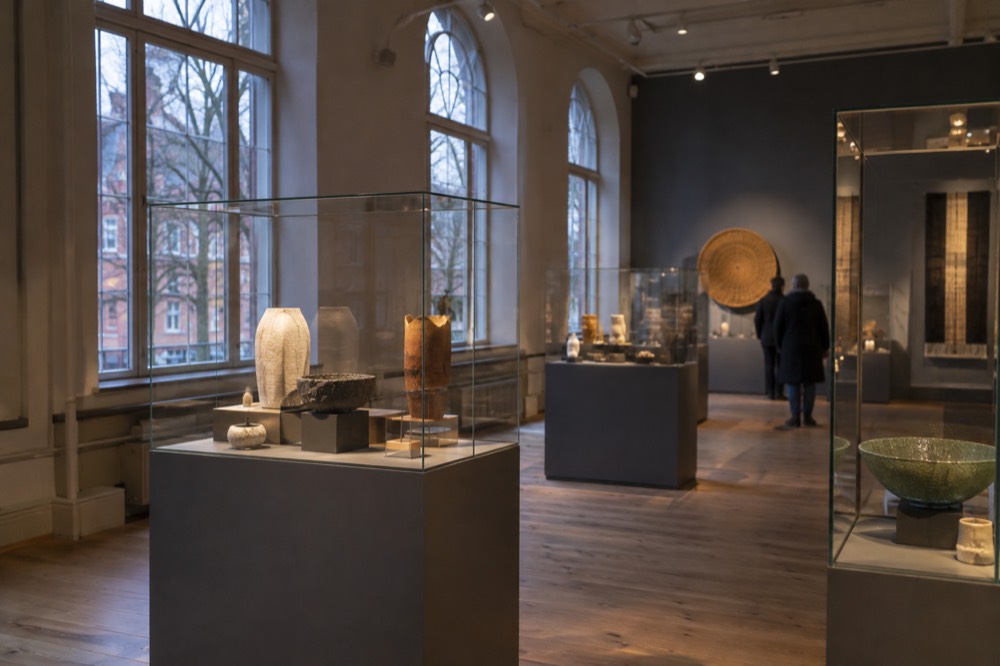
The Röhsska's collections cover applied art across furniture, ceramics, glass, textiles, metalwork and fashion, from historic craft to contemporary Swedish and international design. The museum runs a programme of temporary exhibitions alongside its permanent displays, so what is on the walls changes through the year. Check the museum's own exhibition page for the current programme, because temporary shows are often the reason a repeat visit looks nothing like the first one.
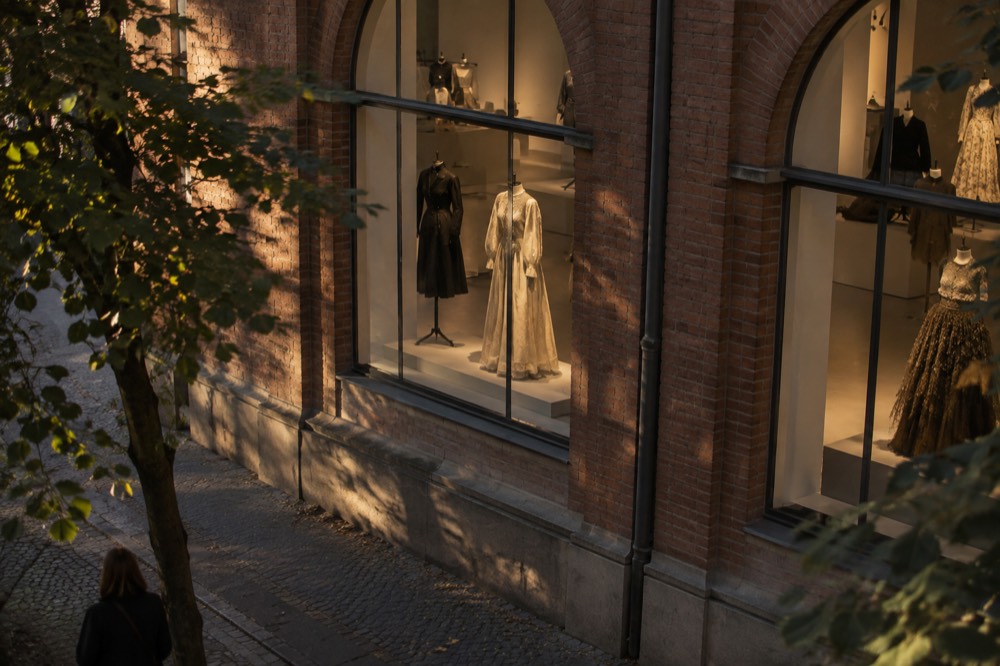
The permanent material is where the museum's identity lives. Textiles and fashion are a particular strength, reflecting the museum's founding purpose as a craft and design institution, and the applied-art holdings stretch across both Swedish making and international design history. The museum treats these as living collections: objects are used to ask questions about production, consumption and sustainability, themes that fit naturally with Gothenburg's own design culture, from its shipbuilding heritage to its contemporary furniture and fashion scene.
Temporary exhibitions are the moving part. The museum's programme rotates regularly, covering everything from contemporary fashion designers to historical craft revivals and design-process shows. Because the programme changes, the honest planning advice is simple: read the museum's own exhibition listing before you commit a day, and if a headline show matches your interests, book that day early. Special exhibitions occasionally carry a separate or raised admission charge, a pattern used across Swedish museums, so verify on the museum's own ticketing page what your ticket includes.
For context, here is how the Röhsska sits among Gothenburg's other major museums and attractions, using the verified ticket facts for each:
| Attraction | Focus | Ticket situation (verified) |
|---|---|---|
| Röhsska Museum of Design and Craft | Design, craft, fashion | Check the museum's own site for current admission |
| Göteborgs konstmuseum | Fine art, Hasselblad Center | Day ticket 75 kr; free under 20 and for students; closes 2028, reopens 2032 |
| Universeum | Science, rainforest, aquarium | Dynamically priced, booked time slot; no fixed adult price |
| World of Volvo | Volvo brand and history | Exhibition tickets from 120 SEK online |
| Liseberg | Amusement park | Entry from 95 kr, rides sold separately |
| Slottsskogen | Park and free zoo | Free to enter |
A note on that table: the Gothenburg Museum of Art entry carries a caveat that most guides omit. The museum's own rebuild page states that the konstmuseum closes in 2028 and reopens in 2032, and there is intermittent blasting near the building right now. If you are visiting before 2028 the museum is open and the 75 kr day ticket applies, but anyone planning a trip around it should know the closure is on the calendar.
If you are building a design-and-culture day rather than a single-museum stop, these tours and passes slot naturally around a Röhsska visit:
The pass in that list is worth a closer look for museum-heavy itineraries, and we break it down two sections below.
How Much Does the Röhsska Museum in Gothenburg Cost?
The Röhsska Museum's admission is published on the museum's own ticketing page, and because this desk could not verify a current fixed price against a primary source, we will not print one here. What we can confirm is the surrounding economics: the Go City All-Inclusive Pass lists the city's attractions on one pass from $56 per person, and a single adult tram ticket costs 38 kr. Check the museum's own site for the ticket price before you go.
That may sound like a dodge, but it is the honest position. Swedish museums adjust admission, introduce raised charges for special exhibitions, and offer concession and family rates that change faster than any guide can track. The Röhsska's own website is the only source that reliably carries today's price, today's hours and today's exhibition surcharges. What a guide can usefully do is frame the decision: whether individual tickets or a pass is the better buy for your itinerary.
The pass math works like this. The [Go City](https://gocity.tpk.ro/HQKyKKW4) All-Inclusive Pass, rated 3.8 from 238 reviews on the operator's live listing, covers 20+ Gothenburg attractions and is sold in 1, 2, 3 and 5-day durations from $56 per person. There is also an Essentials Pass, rated 4.3 from 5 reviews, which covers 3 top attractions over 30 days from $47 per person. If your plan is two or three paid attractions, individual tickets usually win. If you are stacking the Röhsska with several other paid sites, a pass can pay for itself, but you should compare the pass price against your actual shortlist, not against the full attraction count.
| Option | Price basis (from the listing) | Rating | Best for |
|---|---|---|---|
| Individual Röhsska ticket | See the museum's own site | Not applicable | A single museum stop |
| Go City All-Inclusive Pass | From $56 per person, 1-5 days | 3.8 from 238 reviews | Stacking 20+ attractions |
| Go City Essentials Pass | From $47 per person, 3 attractions, 30 days | 4.3 from 5 reviews | A short, focused visit |
| Västtrafik 24-hour Zone A ticket | 125 kr | Not applicable | A day of trams and archipelago ferries |
One warning that most older guides get wrong: the old Göteborg City Card no longer exists. The official tourism body sells no city card, and the old domain now redirects to the Go City product. Crucially, the old municipal card included public transport, and there is no confirmed evidence that the Go City pass does. Do not buy a pass expecting transport to be included.
How Do You Get to the Röhsska Museum in Gothenburg?
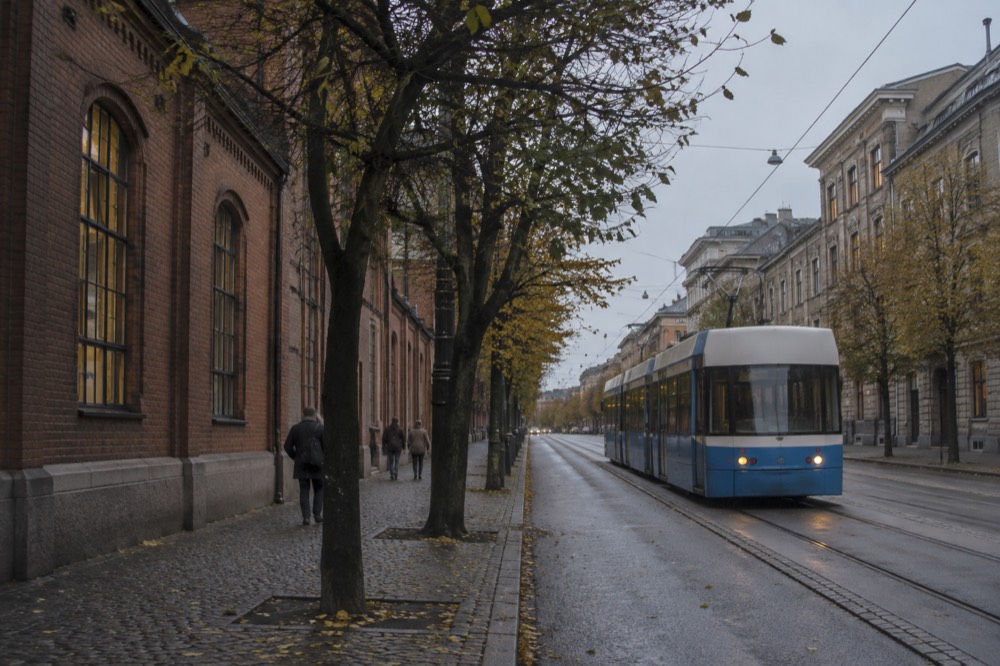
The Röhsska Museum sits on Vasagatan in central Gothenburg, reachable on the city's tram network, which runs 12 lines across 134 stops as of Göteborgs Spårvägar's 2022 annual report. A single adult one-zone ticket costs 38 kr, and a 24-hour Zone A ticket costs 125 kr, which also covers the southern archipelago ferries if you extend the day. The museum is also a short walk from Götaplatsen, so it pairs easily with Avenyn and Vasastan on foot.
The tram is the backbone of the city, and Vasagatan is well inside the central zone. Västtrafik's fare structure uses zones A, B and C, with Zone A covering Göteborg, Partille, Mölndal and Öckerö. A single one-zone adult ticket is 38 kr, with youth tickets at 29 kr, as Västtrafik's own fare pages set out. The 24-hour Zone A ticket at 125 kr is the one that unlocks a full day: it covers trams, buses and, remarkably, the ferries to the car-free southern archipelago islands, because Västtrafik's own zone map shows the boats inside the Zone A network.
Payment is by app or card; there is no cash handling on board, and you do not tap out. If you are arriving from further afield, the guide to getting around Gothenburg by tram covers the ticket types in full, and the airport-to-city-centre guide explains the Vy flygbussarna coach link from Landvetter, which takes 20 minutes to the Nils Ericson Terminal and connects onward by tram.
| Västtrafik ticket | Adult price | Notes |
|---|---|---|
| Single, 1 zone | 38 kr | Covers any tram or bus ride in Zone A |
| Single, 2 zones | 76 kr | For journeys crossing into Zone B |
| 24-hour, Zone A | 125 kr | Trams, buses and archipelago ferries |
| 30-day, Zone A | 445 kr during the temporary subsidy | Halved by a state subsidy through year end; not the ticket a short visitor needs |
That last row deserves a caveat. A temporary state subsidy currently halves every 30-day period ticket, cutting the Zone A adult price from 890 kr to 445 kr. But the subsidy does not apply to the 24-hour and 72-hour day tickets a visitor actually buys. Do not read a headline about half-price transport and assume your day pass is discounted: it is not, and the 125 kr price stands.
On foot, Vasagatan is an easy extension of any central walk. From Götaplatsen and the konstmuseum it is a few minutes north; from the Garden Society of Gothenburg, it is a comfortable stroll through the city core. If you are staying in the centre, see the where to stay in Gothenburg guide: Vasastan itself is one of the walkable options, which puts the museum on your doorstep.
When Is the Best Time to Visit the Röhsska Museum in Gothenburg?
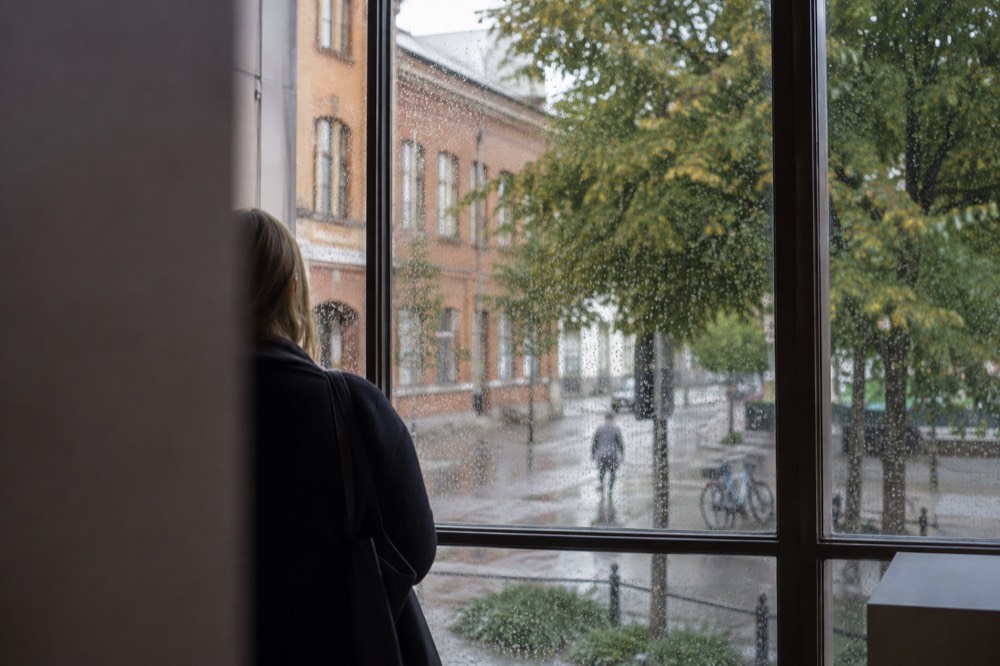
The best time to visit the Röhsska Museum is whenever the weather pushes you indoors, which in Gothenburg means October above all: SMHI's 1991-2020 normals for station Göteborg A show October as the wettest month at 102.9 mm of rain, while April is the driest at 51.3 mm. A museum visit is the natural rainy-day plan in a city that sees rain on about 127 days a year. Check the museum's own hours page for the days it is open.
The climate data is more useful than the cliché suggests. Gothenburg's reputation for rain is real but exaggerated in one specific way: SMHI does not call it Sweden's rainiest city, and the national precipitation maxima sit in the western highlands and the mountains, not here. What SMHI's published normals do show is a clear pattern. October is the wettest month at 102.9 mm across 12.6 wet days, and April is the driest at 51.3 mm across 8.2 days. The rain arrives after the summer tourists leave, which makes autumn the natural museum season.
Daylight matters too. On 21 December the city gets 6 hours 32 minutes of daylight, against 18 hours 06 minutes on 21 June. A December visit means short grey days where indoor attractions carry the itinerary; a June visit means long evenings where a museum is a morning stop before the archipelago. The best time to visit Gothenburg guide unpacks the seasonal trade-offs in full.
Practically, this shapes the museum day. Pair the Röhsska with a wet-weather plan built around the Gothenburg on a rainy day itinerary if the forecast turns, and keep the Botanical Garden, which asks a voluntary entry contribution rather than a fixed ticket, or Slottsskogen park and its free zoo for the dry days. Slottsskogen is free to enter, which makes it the natural budget counterweight to a paid museum morning.
Is the Röhsska Museum in Gothenburg Worth Visiting?
The Röhsska is worth visiting if design, craft, fashion or textile history interests you at all, and it is the only museum in the city covering that ground. For a general visitor with one museum slot, the choice is between it, the Museum of Art at 75 kr, Universeum for science, or World of Volvo from 120 SEK. It is a focused, mid-sized visit rather than an all-day attraction, so it works best as part of a half-day pairing with Avenyn, Vasastan or Götaplatsen.
The honest comparison is about what kind of traveller you are. Families with children will get more from Universeum, which is open every day of the year and includes rainforest and aquarium halls in its dynamically priced admission. Car and industrial-history fans should head to World of Volvo, the 2024 venue that replaced the old Volvo Museum at Arendal after that museum closed permanently in December 2023. Fine-art visitors go to the konstmuseum, with the 2028 closure caveat noted above.
The Röhsska's audience is the person who wants the object-level story. Two to three hours is a realistic visit length for the permanent collections plus one temporary exhibition, which makes it a good morning or afternoon block rather than a full-day commitment. Its Vasagatan location means you can walk out of the museum and be at Götaplatsen, Avenyn or the Vasastan cafe strip within minutes, so the surrounding neighbourhood does half the work of filling the rest of the day.
For a full-day structure that includes a museum block, the two days in Gothenburg itinerary is the natural next read, and the sightseeing options below slot into the gaps:
The pass in that band is the one this page flags as the related pick, because a design-minded itinerary usually stacks several paid attractions and the pass pricing rewards exactly that pattern. The amphibious bus and the archipelago cruise, meanwhile, cover the two halves of Gothenburg a museum cannot: the harbour from the water and the islands beyond it.
The amphibious bus tour in that trio, rated 4.7 from 4,326 reviews on its listing, is the classic first-day orientation move: it drives past the Vasagatan area before splashing into the harbour, so you see the museum district from land and water in one hour. The archipelago cruise, rated 4.4 from 1,488 reviews, is the counterweight for a dry afternoon, and it shows you the maritime world the city's design culture grew out of.
Common Questions About the Röhsska Museum in Gothenburg
What is the Röhsska Museum in Gothenburg?
Sweden's museum of design, craft and fashion, on Vasagatan in central Gothenburg. Its collections cover applied art including furniture, ceramics, glass, textiles, metalwork and clothing, shown in permanent and temporary exhibitions.
How much does the Röhsska Museum cost?
Admission is published on the museum's own ticketing page, and this desk does not print a figure it has not verified against a primary source. Special exhibitions can carry raised charges, so check what your ticket includes before booking.
How do I get to the Röhsska Museum?
By tram to a central Vasagatan stop, or on foot from Götaplatsen in a few minutes. A single one-zone adult Västtrafik ticket costs 38 kr, and a 24-hour Zone A ticket at 125 kr covers trams, buses and the archipelago ferries.
Is the Röhsska Museum included in the Go City pass?
The Go City All-Inclusive Pass covers 20+ Gothenburg attractions from $56 per person. Check the pass's own attraction list to confirm current Röhsska inclusion, and do not assume public transport is included, because that was the old, discontinued Göteborg City Card.
How long does a visit take?
Plan two to three hours for the permanent collections plus a temporary exhibition. The museum is a mid-sized visit, best paired with the surrounding Vasastan and Avenyn areas rather than treated as a full-day destination.
When is the best time to visit the Röhsska Museum?
Autumn and winter, when Gothenburg's weather pushes you indoors: SMHI's normals show October as the wettest month at 102.9 mm. Always check the museum's own hours page for the current opening days, since Swedish museums commonly close one weekday.
If the design angle has sold you on the city, the natural companions to this page are the fika in Gothenburg guide for the coffee break between galleries and the where to eat in Gothenburg guide for afterwards. And if you are weighing a Christmas trip, when the museum sits a short walk from the Gothenburg Christmas market season at Liseberg, the winter pages cover how the city changes when the lights go up.