Gothenburg to Oslo by Train: The Complete Rail Guide
Sweden's second city and Norway's capital are joined by one of Scandinavia's few direct international rail links. This guide covers how the Gothenburg to Oslo train works, what to book, and what the journey looks like.
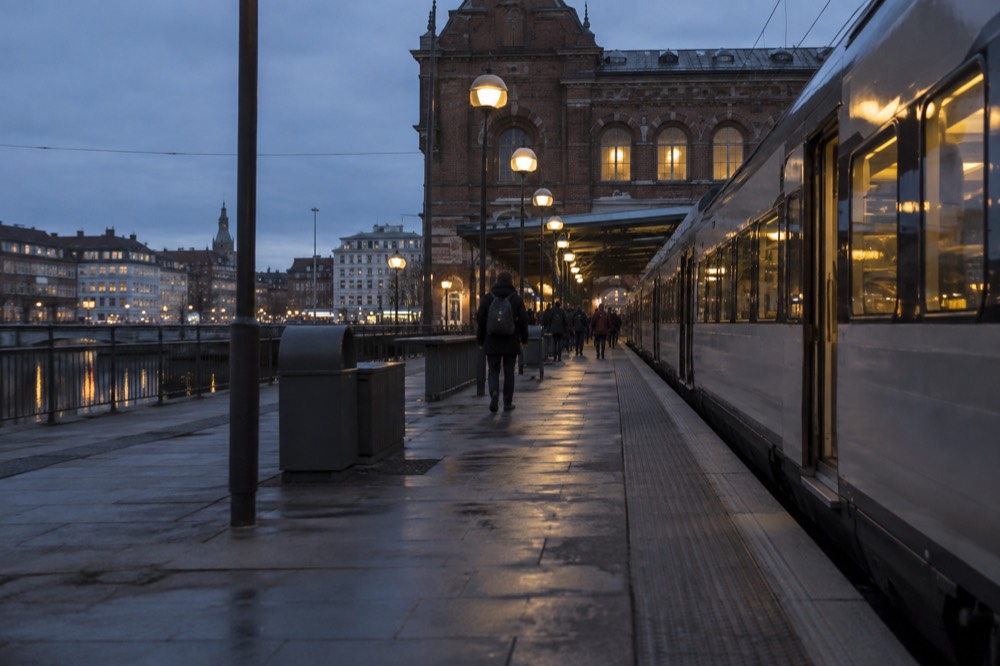
Short answer
Direct trains run between Göteborg Centralstation and Oslo S. Book through the train operator's own site, buy in advance for the best fares, and remember that a Västtrafik tram ticket does not cover the train: it only gets you to the station.
Sweden's second city and Norway's capital are connected by a single rail line, one of the very few direct international train routes in Scandinavia. It runs west coast to east, from the mouth of the Göta älv to the head of the Oslofjord, and it turns two of the Nordic region's most visited cities into a single easy itinerary. The route is popular with travellers combining Gothenburg with Norway, and it is also the option that puts you in the centre of both cities without an airport transfer at either end.
This guide from Gothenburg Travel Guide covers how the train works, what to book, what the journey looks like, and how to build the trip around days in Gothenburg on either side. A few things on this route catch visitors out, and the biggest one is simple: the tram ticket that carries you across Gothenburg, and even out to the archipelago ferries, stops at the door of the international train.
Is There a Direct Train from Gothenburg to Oslo?
Yes, the rail link between the two cities is a direct service, with trains running from Göteborg Centralstation in central Gothenburg to Oslo S, the main station in the Norwegian capital, without a change of train. The operator's live timetable is the single source of truth for departures, because frequencies and departure slots shift with the season and with engineering work, so check the booking site for the day you actually travel.
The line is one of the quiet workhorses of Scandinavian rail. It carries commuters, cross-border shoppers and long-distance travellers on the same trains, which is why booking ahead matters more here than on many domestic routes. There is no budget-airline equivalent undercutting it at strange hours, so the departures that exist are the departures that exist.
A practical point that follows from this: because the service is genuinely international, the ticketing rules differ from a Swedish domestic journey. Cross-border trains in Sweden generally run with compulsory seat reservations, and the reservation is issued with your ticket rather than as an optional extra. The booking flow will assign you a seat, and that seat is yours for the whole run.
If a direct departure does not fit your day, the operator's booking site will show connections, usually with a change on the Norwegian side of the border. Those itineraries take longer, but they can be cheaper, and for a traveller with time they are a reasonable fallback rather than a compromise.
How Long Does the Gothenburg to Oslo Train Take and What Does It Cost?
The crossing takes roughly half a day, with the train covering the distance between the two capitals' stations in a single morning or afternoon sitting, and fares move with demand rather than sitting at a fixed price. The operator's booking site publishes the current timetable and the live fare for each departure, and buying early is reliably cheaper than buying on the day, so treat the website's own price calendar as the authority and never a number printed in a guide.
Rail fares on this route work like airline fares in miniature. The same train sells cheap seats first and expensive seats last. A traveller booking weeks ahead can pay a fraction of what a walk-up passenger pays for the identical seat, and there is no trick to it beyond timing.
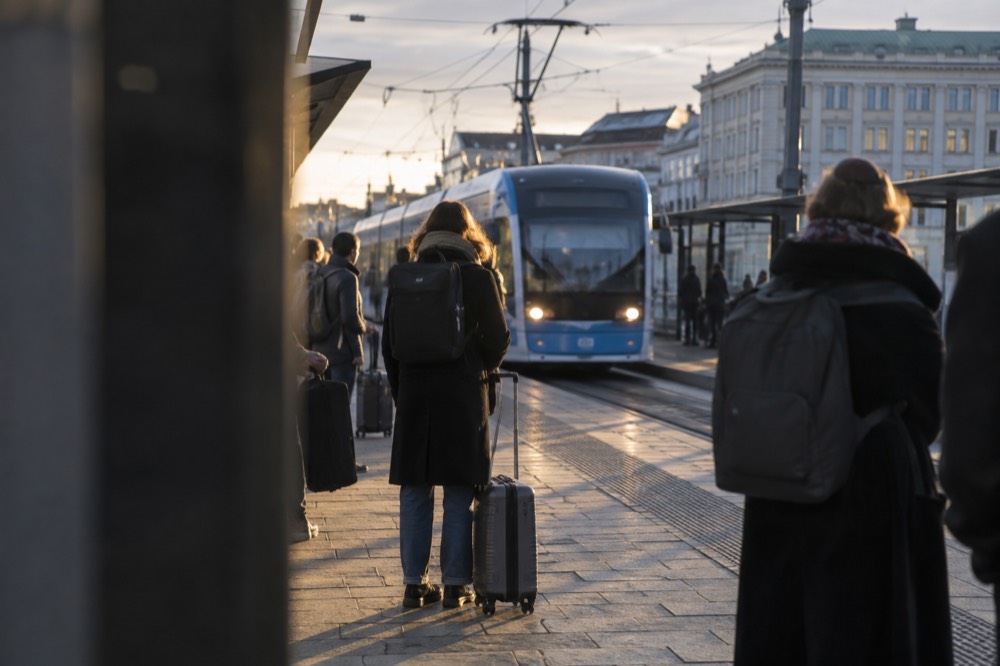
What you get for the fare is a reserved seat and a luggage allowance that no low-cost airline matches. There is no weigh-in, no fee for a normal suitcase, and no gate at the far end. For anyone whose Oslo plans include hiking gear or winter clothing, that alone changes the arithmetic between train and plane.
The table below compares the options honestly, without inventing figures. Prices for the train come from the operator's live listing, and the point of the comparison is the shape of the trade-offs rather than exact numbers.
| Option | Where it starts and ends | Luggage | Best for |
|---|---|---|---|
| Direct train | Göteborg Centralstation to Oslo S, both city centres | No weight limits, standard luggage racks | Comfort, city-centre to city-centre, scenery |
| Flying | Landvetter Airport to Oslo Gardermoen, both outside the city | Airline allowances and fees apply | Tight schedules, if a fare is very cheap |
| Driving | Door to door, border crossing by road | Whatever fits in the car | Stops en route, flexible return |
| Coach | City terminals, border by road | Limited hold luggage | Lowest headline fares |
One thing worth knowing about the flying comparison: there is no rail link to Landvetter Airport at all. Swedavia's own transport pages list only coach and bus connections, and the airport coach is now branded Vy flygbussarna. A flyer therefore adds a 20-minute coach ride at the Swedish end and a long airport transfer at the Norwegian end, while the train passenger is already standing in the middle of the city at both ends.
What Is the Journey Like Between Gothenburg and Oslo?
The route leaves Gothenburg through the river valley and then spends most of its length in inland countryside, running through Swedish and then Norwegian forest, farmland and lakes before dropping down toward the Oslofjord. There is a border crossing where the language on the station signs and the currency in the kiosk change, and the practical effect of the border is small: this is a Schengen crossing, so there are no routine passport checks on the train.
The first stretch out of Göteborg Centralstation is ordinary city rail, tracks threading north through the built-up area. Then the line settles into the interior, and the scenery is the reason many travellers pick this route over flying. You watch a whole transect of southern Scandinavia pass by the window: pine and birch, small farms, dark lakes, and long stretches where there is nothing but trees.
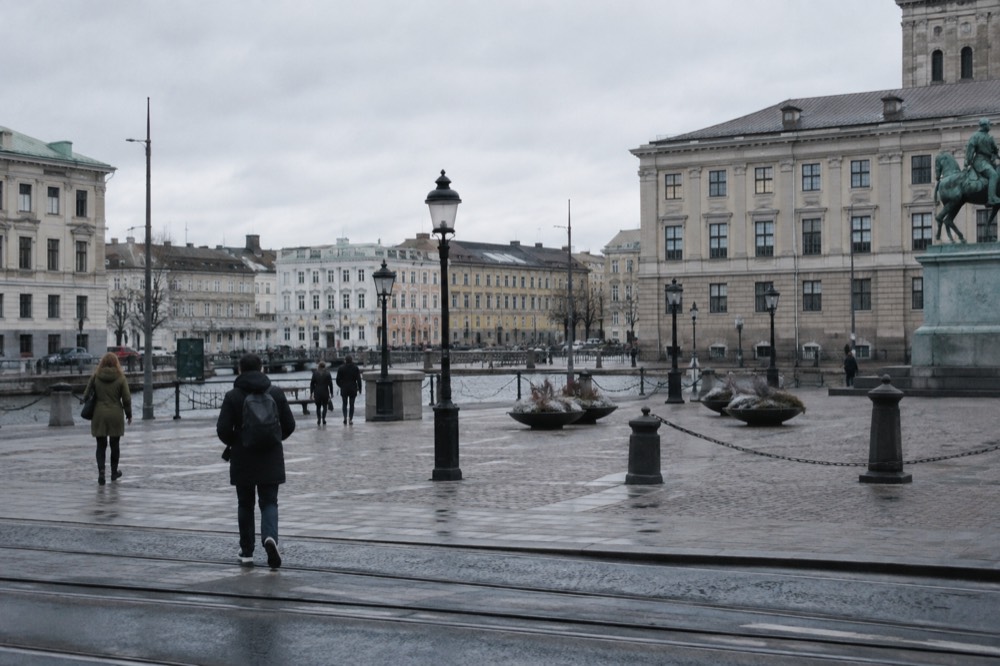
The border itself is an anticlimax, which is exactly what it should be. Station nameplates switch from Swedish to Norwegian, and the ticket in your pocket is already valid through to Oslo. Travellers from outside the Schengen area should still carry their passport, because spot checks are possible even when they are not routine, but the crossing is not an event.
The Norwegian section builds toward the capital along valleys that get steadily more populated. By the time the train reaches the Oslo suburbs you are passing commuter towns, and the arrival at Oslo S puts you walking distance from the main street, the opera house and most central hotels.
Bring something to do, and bring food if you are particular. Trains on regional cross-border routes in Scandinavia have limited catering at best, and the journey is long enough that a sandwich and a bottle of water from Gothenburg before departure is a good plan. Fika culture being what it is, the station area in Gothenburg will supply you well.
The timing of the crossing also decides what you see. A morning departure out of Gothenburg puts the forest stretch in daylight at every season, while a midwinter afternoon train can lose the scenery to darkness before the border, since Gothenburg itself gets only 6 hours 32 minutes of daylight on 21 December against 18 hours 6 minutes at midsummer, a swing of 11 hours 34 minutes, per the US Naval Observatory's sunrise and sunset tables. In June, by contrast, civil twilight runs from 02:58 to 23:30 local time, leaving only about three and a half hours of true night, so an evening arrival is still in full view.
Where Does the Train Leave from in Gothenburg?
All Oslo trains depart from Göteborg Centralstation, the main rail hub in the centre of the city, reached by tram, bus or on foot from anywhere central. The station sits at the top of the canal, a short walk from Nordstan and the shopping core, and every tram line in the network passes through or near stops within a couple of blocks, so the practical answer is: ride any tram toward the centre and follow the signs.
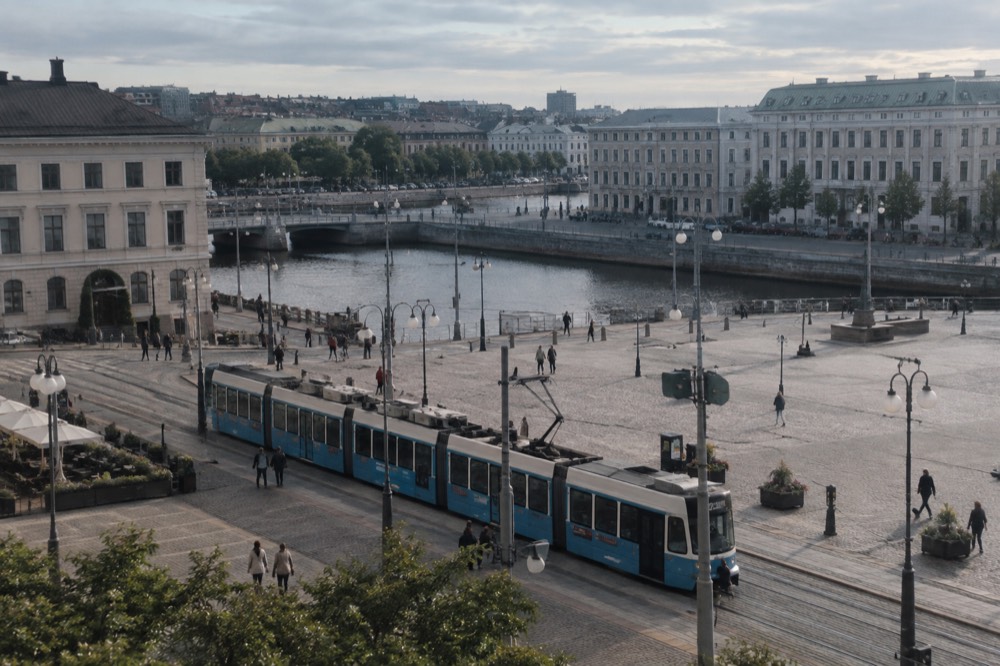
The tram is the backbone of Gothenburg. Göteborgs Spårvägar's own reporting counts 126 million journeys in 2025, on a network its 2022 annual report describes as twelve lines serving 134 stops over 188 kilometres of single track, running from Mölndal in the south to Angered in the north and out to Saltholmen in the west. If you are staying anywhere central, the station is minutes away.
The fare situation has a wrinkle worth knowing. Västtrafik's 30-day period tickets are currently halved by a temporary state subsidy, with a Zone A adult monthly falling from 890 to 445 kr, but that subsidy does not apply to the day tickets a visitor actually buys. A single Zone A adult ticket is 38 kr and a 24-hour Zone A ticket is 125 kr, at full price, in the app or at a shop, per Västtrafik's own ticket pages. Do not plan around a discount that does not cover your ticket.
| Västtrafik ticket | Adult price | Notes |
|---|---|---|
| Single, 1 zone | 38 kr | Covers one tram journey in Zone A |
| 24-hour, Zone A | 125 kr | Same price in app or shop, not discounted |
| 30-day, Zone A | 445 kr during the subsidy | Halved from 890 kr, temporary state support |
| Archipelago ferry | Covered by ordinary ticket | Same Zone A ticket covers boats from Saltholmen |
That last row is the best-value fact in the city's whole transport system. An ordinary Västtrafik ticket covers the southern archipelago ferries from Saltholmen, and the islands sit inside Zone A. A 125 kr day ticket covers trams, the ferry and every island, which makes a pre- or post-Oslo day on Styrsö or Brännö absurdly cheap for an international trip. Our guide to getting around Gothenburg, trams, tickets and zones covers the mechanics, and the Gothenburg archipelago guide covers the islands themselves.
Allow comfortable time at the station. Göteborg Centralstation is large, platforms for long-distance trains can be a walk from the main concourse, and international departures close their doors on schedule. Twenty minutes of margin costs you a coffee and removes the only real risk of the day.
How Do You Buy Tickets, and When Should You Book?
Tickets for the Gothenburg to Oslo train are sold through the train operator's own booking site and app, and the two rules that matter are: book early, because fares rise as seats sell, and book the through ticket in one purchase rather than trying to stitch together separate national tickets, because a single booking carries the reservation and the connection guarantee across the border.
The booking flow is straightforward: pick a date, pick a departure, and the site issues a seat reservation with the ticket. Print it or keep it in the app. Conductors on international trains check tickets on board, and a screenshot of a booking confirmation is not the same as a ticket, so have the real thing ready.
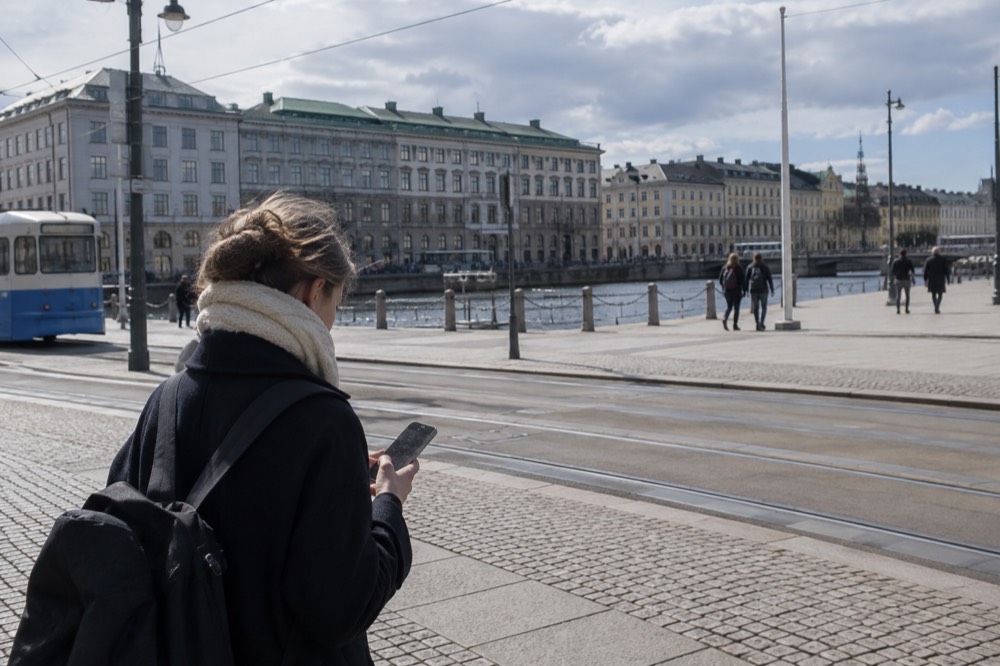
Timing matters most around holidays and weekends. Cross-border trains fill up around Norwegian and Swedish public holidays, and summer is busier than the timetable suggests, because this route doubles as a holiday line. If your dates are fixed, book when bookings open rather than when you feel organised.
A note on rail passes: if you are touring Scandinavia on an Interrail-style pass, this route is generally covered, but cross-border seat reservations still need to be made and may carry a small fee. The pass gets you on the network, the reservation gets you the seat, and confusing the two is the classic first-timer mistake on international trains in Sweden.
For travellers based in Gothenburg for a few days before the train, the sightseeing economics are worth a thought. The [Go City](https://gocity.tpk.ro/HQKyKKW4) All-Inclusive Pass covers 20+ attractions across one to five days, and it pairs naturally with a short city stay before an onward rail journey. The pass has a rating on the operator's listing from 238 reviews.
What Should You Do in Gothenburg Before You Leave?
Give Gothenburg at least one full day on either side of the train, because the city's best experiences are cheap or free and sit directly on the tram network: Slottsskogen's free zoo, the car-free southern archipelago on an ordinary ticket, the reopened Feskekôrka food hall, and the viewpoints at Masthuggskyrkan are all reachable without a car or a tour, and several of them cost nothing at all.
The archipelago deserves the top slot. The islands of the southern archipelago are areas of Gothenburg, not day trips, and private cars are banned on them, so the ferry-and-foot rhythm is the whole point. A guided archipelago cruise is the easy version if you would rather have someone else run the timetable, and the cruise with a guide carries a rating on the operator's listing from 1,488 reviews.
Back in the centre, Feskekôrka, the fish church, reopened in 2024 as a food hall with five restaurants alongside its fish counters, so it is no longer just a place to look at salmon. Our Feskekôrka guide covers what is inside now, and the where to eat in Gothenburg guide places it in the wider food map.
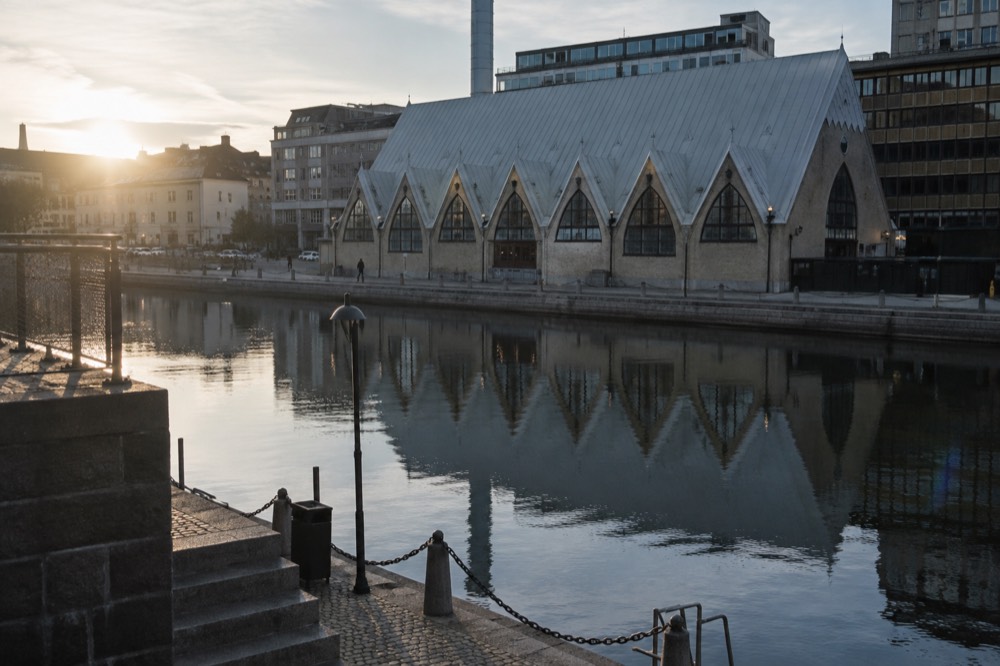
If you are short on time, the amphibious sightseeing bus squeezes the harbour and the streets into one hour, with a rating on the listing from 4,326 reviews, and the one-day itineraries show what a single day can realistically hold. For a longer stay, the best time to visit Gothenburg guide explains the seasonal logic, including the fact that April is statistically the driest month of the year at 51.3 mm against October's 102.9 mm, so the rain is an autumn problem, not a year-round one.
What Is Arriving in Oslo Like?
The train terminates at Oslo S, the main station in the centre of Oslo, with the platforms arriving directly into the city core, so there is no transfer from an airport edge: you step off the train a few minutes' walk from Karl Johans gate, the opera house and the central hotels, and the Norwegian capital's own metro and tram network starts underneath the same building.
Oslo S functions the way Göteborg Centralstation does in Sweden, as the hub where everything meets. The station building opens onto the main street, and the practical advice is the mirror image of the departure advice: check which platform your onward connection is on before you need it, because the station is busy and the walking distances are real.

Currency changes at the border. Sweden uses the krona and Norway its own krone, and cards are accepted almost everywhere in both countries, so most travellers never handle cash at all. Prices in Oslo run noticeably higher than Gothenburg's, which are themselves higher than most of Europe, and our is Gothenburg expensive guide gives the Swedish baseline you will be comparing against.
If Oslo is a stop rather than a destination, the return logic is the same in reverse: the direct train back is the comfortable option, and the operator's booking site is where the return fare lives. Travellers doing a loop sometimes pair this route with the Stockholm leg, and our Gothenburg to Stockholm by train guide covers that half of the triangle.
Train, Plane or Car: Which Is Best for Gothenburg to Oslo?
For most travellers the train wins this comparison on the two things that matter: it runs centre to centre with no airport transfers at either end, and its luggage terms are unrestricted where the airline's are not, so the train's door-to-door time is competitive with flying once the Landvetter coach ride and the Oslo airport transfer are counted, while the car only makes sense if the journey itself is the point.
The flying case is weaker than it looks on paper. Landvetter handled 5,435,850 passengers in 2025, Sweden's second-busiest airport, per Swedavia's own airport pages, but there is no train to it: Swedavia lists only the Vy flygbussarna coach and buses, a 20-minute ride each way. Oslo's Gardermoen is similarly distant from central Oslo. Two airport transfers plus two security lines can consume the entire time saving.

The driving case depends entirely on stops. The road route can be broken at the Bohuslän coast or inland towns, and if you want that, a car earns its keep. As pure transport, it means a border drive, Norwegian fuel prices and city parking in two of Europe's priciest parking markets.
The coach is the budget fallback, and on a short-notice trip it can undercut everything. It is slower, the seats are narrower, and the border is crossed by road, but the price logic is real for students and flexible travellers.
| Factor | Train | Plane | Car | Coach |
|---|---|---|---|---|
| City-centre to city-centre | Yes | No, transfers both ends | Yes | Yes, terminals |
| Luggage freedom | Full | Airline rules apply | Full | Limited hold space |
| Scenery | High | None | High, if you stop | Some |
| Booking sweet spot | Early purchase | Early purchase | Fuel is fixed cost | Early purchase |
| Weather sensitivity | Low to moderate | Moderate | High in winter | Moderate |
One seasonal note for winter travellers: Swedish and Norwegian winter weather can slow any mode of transport, and December daylight in Gothenburg runs just 6 hours 32 minutes on the shortest day against 18 hours 6 minutes at midsummer, a swing of 11 hours 34 minutes. A morning departure is the safer plan in winter, because it leaves margin if anything runs late. Our Gothenburg in winter guide covers the cold end of the calendar.
Common Questions About the Gothenburg to Oslo Train
Is there a direct train from Gothenburg to Oslo?
Yes. Trains run directly from Göteborg Centralstation to Oslo S without a change, and the operator's live timetable shows the current departures for your travel date.
How much does the Gothenburg to Oslo train cost?
Fares are demand-based and change per departure, so the operator's booking site is the only reliable price source. Booking well in advance is reliably cheaper than buying on the day of travel.
Do you need a passport on the Gothenburg to Oslo train?
The Sweden-Norway border is a Schengen crossing with no routine passport checks on the train, but travellers from outside Schengen should carry their passport, since spot checks are possible.
Can you use a Västtrafik ticket on the Oslo train?
No. Västtrafik tickets cover trams, buses and the archipelago ferries within the zones, not long-distance rail. You need a separate train ticket for Oslo.
Which station does the train leave from in Gothenburg?
Göteborg Centralstation, in the city centre, reachable by any central tram line. A single Zone A tram ticket is 38 kr.
Is the train better than flying from Gothenburg to Oslo?
For most travellers, yes. The train runs centre to centre, while flying adds a coach ride to Landvetter, which has no rail link, plus an airport transfer at the Oslo end, plus airline luggage rules.
The route between these two cities is one of the pleasantest international rail journeys in the Nordics, and the planning burden is small: one booking, one tram ride to the station, and a window seat through two countries' worth of forest. Book early, carry your passport anyway, and give Gothenburg the day on the way through that it deserves.