Gothia Cup and Gothenburg's Sporting Year: Stadiums, Seasons and What on Between Matches
Every July the Gothia Cup turns Gothenburg, Sweden into a youth football city, but the sporting year here runs far deeper than one tournament week.
Short answer
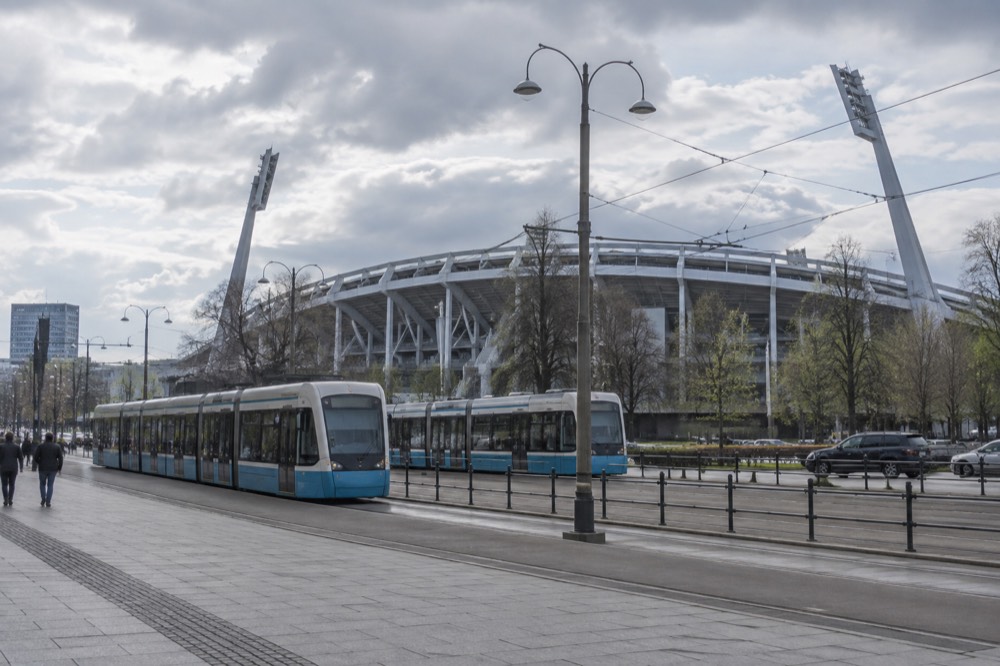
The Gothia Cup is Gothenburg's huge youth football tournament, played each July across pitches from Ullevi district down to the island of Hisingen, and it lands in the middle of the city's warmest and busiest stretch of summer. Liseberg is open, the archipelago ferries run on ordinary tram tickets, and a 24-hour Zone A ticket at 125 kr covers trams and boats alike.
Every July, Gothenburg, Sweden doubles in noise. The Gothia Cup, the youth football tournament that has run here for decades, takes over the city's pitches for a week, and the tram network, which Göteborgs Spårvägar reports carried 126 million journeys in 2025, suddenly carries teams in kit bags from Hisingen to Mölndal. But the tournament is one week in a city whose sporting year runs from the first Liseberg opening in April through Halloween football stands in October to the Christmas market in November. This guide covers the tournament week itself, the stadiums and venues around it, how to move between them, and what to do with the hours when nobody is playing. For the wider picture of the city, start with Gothenburg Travel Guide and work outward from there.
What Is the Gothia Cup and When Does It Take Over Gothenburg?
The Gothia Cup is a youth football tournament held in Gothenburg, Sweden every July, one of the largest of its kind anywhere, spread across dozens of pitches citywide rather than one stadium, and it lands in the warmest and lightest stretch of the Swedish summer, when Gothenburg gets over 18 hours of daylight and the sea off the archipelago reaches its annual peak temperature. The tournament's opening ceremony traditionally fills Ullevi, the city's national stadium, and from there the football fans out to fields in every district. The event is a genuine citywide takeover: hotels fill, the avenyn restaurant strip fills, and the archipelago ferries carry teenagers in matching tracksuits out to car-free islands on ordinary commuter tickets.
The timing is not an accident. July is the warmest month in Gothenburg's SMHI 1991-2020 normals, with a mean air temperature of 18.3 C at the Göteborg A station, and the US Naval Observatory's tables give 21 June a full 18 hours 6 minutes of daylight, with civil twilight running from 02:58 to 23:30 local time. That means evening matches finish in light and the evenings after them are long. Anyone planning around the tournament should also read our best time to visit Gothenburg guide, because July's popularity has trade-offs in price and crowds that the rest of the year does not.
One honest caveat: the tournament's exact participant counts, pitch list and match schedule change every year, and none of those figures are in our verified facts pack, so this guide does not print them. The tournament's own site publishes the current edition's details, and that is where team managers should look for the fine print. What does not change is the shape of the thing: a week of football, a city built for it, and a transport network that happens to be one of the best in Scandinavia for getting between venues.
Where Does the Gothia Cup Actually Play Out Across Gothenburg?
The Gothia Cup plays across Gothenburg's whole pitch network rather than a single ground: the opening ceremony is held at Ullevi, the national stadium in the stadium district south of the city centre, and matches then spread to municipal fields from Hisingen in the north to Mölndal in the south, all of them inside Västtrafik's Zone A, so one tram ticket covers every venue. That last part is the detail visiting families most often miss. Gothenburg's tram network is the backbone of the city: Göteborgs Spårvägar's annual report describes 12 lines, 134 stops and 188 kilometres of single track running from Mölndal in the south to Angered in the north, Saltholmen in the west to Kålltorp in the east, and across the bridge to Hisingen.
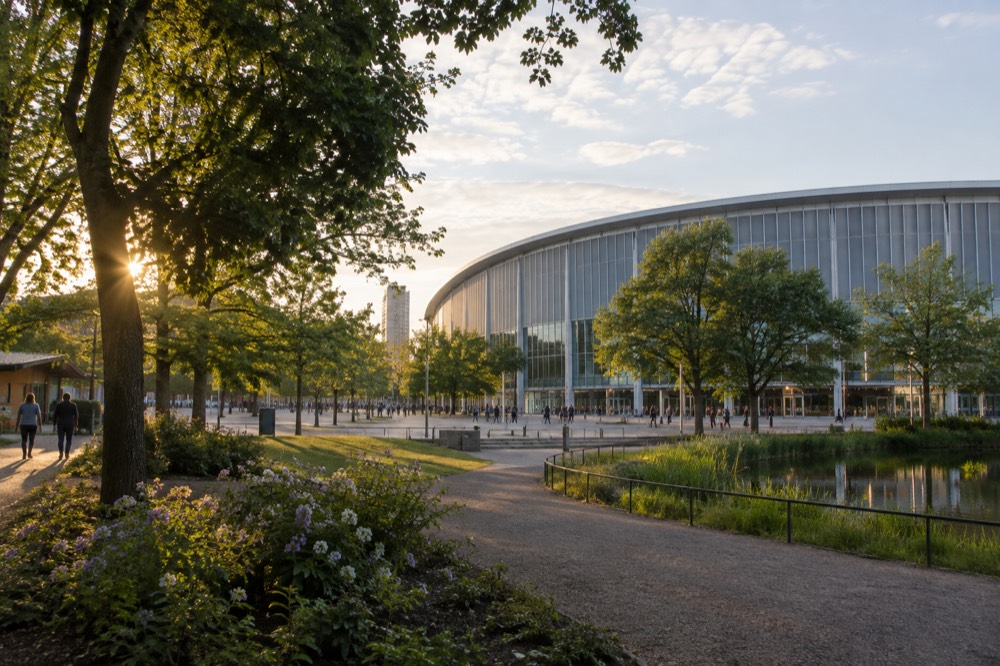
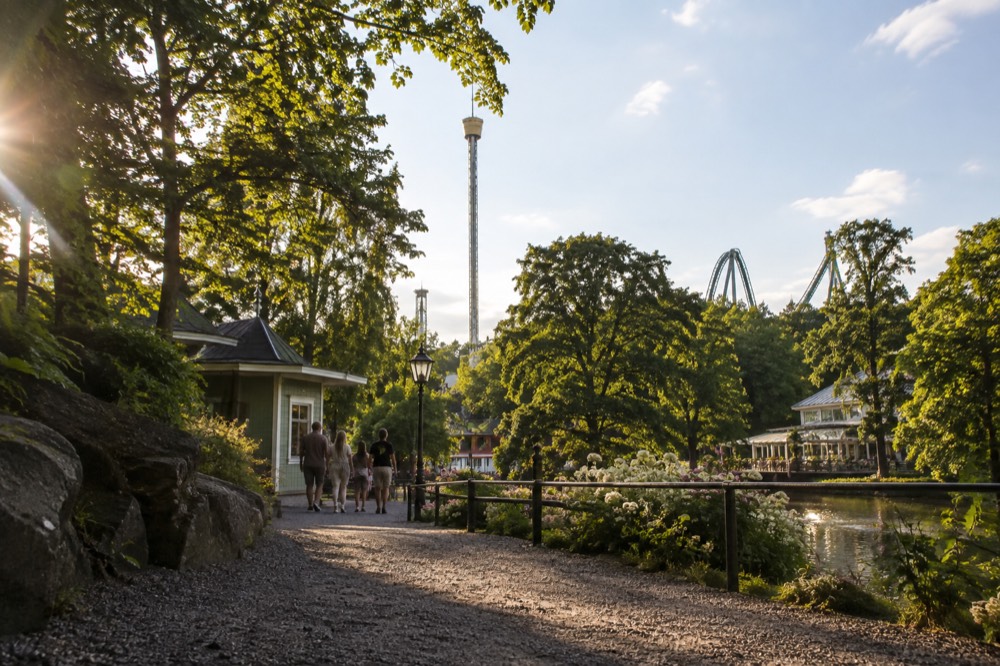
The stadium district itself is worth an hour even without a ticket. Ullevi sits beside Liseberg, the Scandinavium indoor arena and Valhallavägen's training grounds, which means a tournament visitor walking out of an opening ceremony is ten minutes from the biggest amusement park in Scandinavia. Liseberg's own 2026 calendar, published on liseberg.se, runs the summer season from 18 April to 20 September, with Halloween from 2 October to 1 November and the Christmas market from 14 November to 23 December. A July Gothia Cup week therefore lands in high season, with the park open late and the Grand Curiosa Hotel, which opened in 2023, doing brisk business next door.
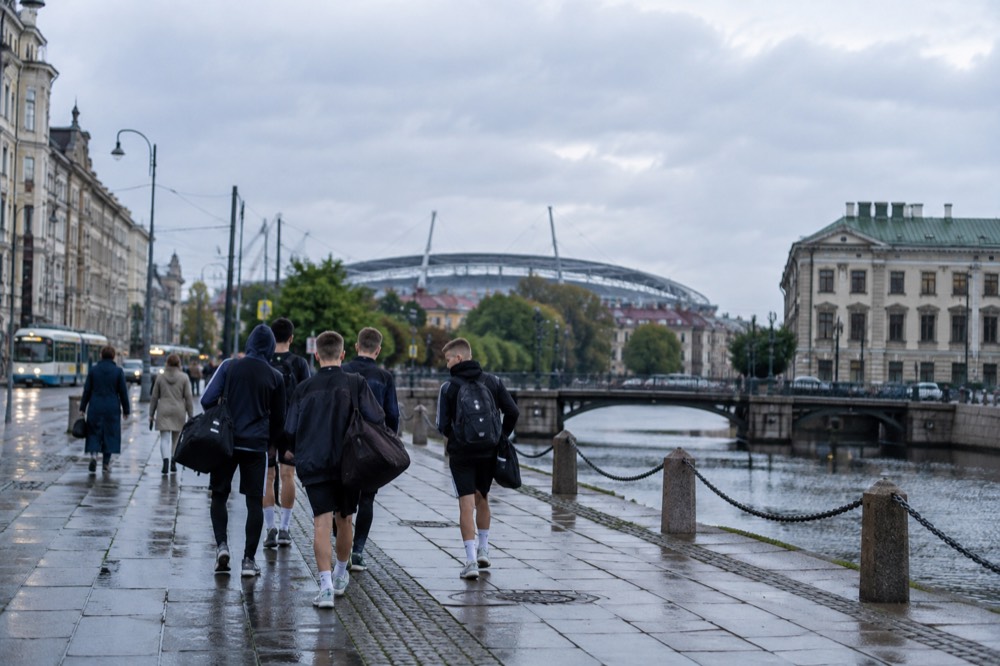
The pitch geography matters for accommodation choices, which is why our where to stay in Gothenburg guide pairs well with tournament planning. Teams based near the river at Järntorget or Linné are a short tram ride from most central venues; teams out on Hisingen trade convenience for quieter, often cheaper accommodation. The tram ride itself is part of the experience, and the getting around Gothenburg trams tickets and zones guide has the full fare detail.
What Else Is on Gothenburg's Sporting Calendar Through the Year?
Gothenburg's sporting year runs well beyond one July week: Ullevi hosts international athletics and football year-round, the Scandinavium next door carries ice hockey and concerts, the city's football clubs play through the Swedish spring-to-autumn season, and the calendar's fixed points are Liseberg's seasonal openings in April and the Way Out West music festival in August, with the archipelago's sea swimming at its warmest in August and September rather than June. The city is a stadium district first and a sightseeing city second in many residents' minds, and the two overlap heavily at Korsvägen, where the amusement park, arenas and stadium all sit within one interchange.
The sea data is the surprise in that answer. SMHI's quality-controlled hourly observations from the Vinga lighthouse station, 61,749 of them, show the water peaking at 18.6 C in August, not July, and September water at 16.7 C is actually warmer than June water at 16.2 C. February, at 2.7 C, is the coldest month, with a recorded low of -1.2 C, legitimately below zero because brackish Kattegat water does not freeze at 0. For a family planning a post-match swim in the archipelago, early tournament week is fine but late August is better, and the swimming and beaches in Gothenburg material covers where to go.
Here is how the year's main fixed points stack up, using only dates confirmed on the venues' own sites:
| Period | What is on | Confirmed dates / notes |
|---|---|---|
| Mid-April | Liseberg summer season opens | 18 April 2026, per liseberg.se |
| July | Gothia Cup youth football week | Annual, citywide pitches, opening at Ullevi |
| August | Way Out West music festival | Slottsskogen park, mid-August |
| 18 Apr - 20 Sep | Liseberg summer season | Full 2026 range on liseberg.se |
| 2 Oct - 1 Nov | Liseberg Halloween | Autumn season, per liseberg.se |
| 14 Nov - 23 Dec | Jul på Liseberg Christmas market | Per liseberg.se |
| Late Dec - mid-April | Liseberg closed (Kaninlandet aside) | New for 2026: Rabbit Land opens winter weekends |
The Way Out West festival in August is the other big citywide takeover, and our Way Out West festival guide covers it in detail. Between the two, a sporting visitor arriving any time from April to December finds something running.
How Do You Get Around Gothenburg During Tournament Week?
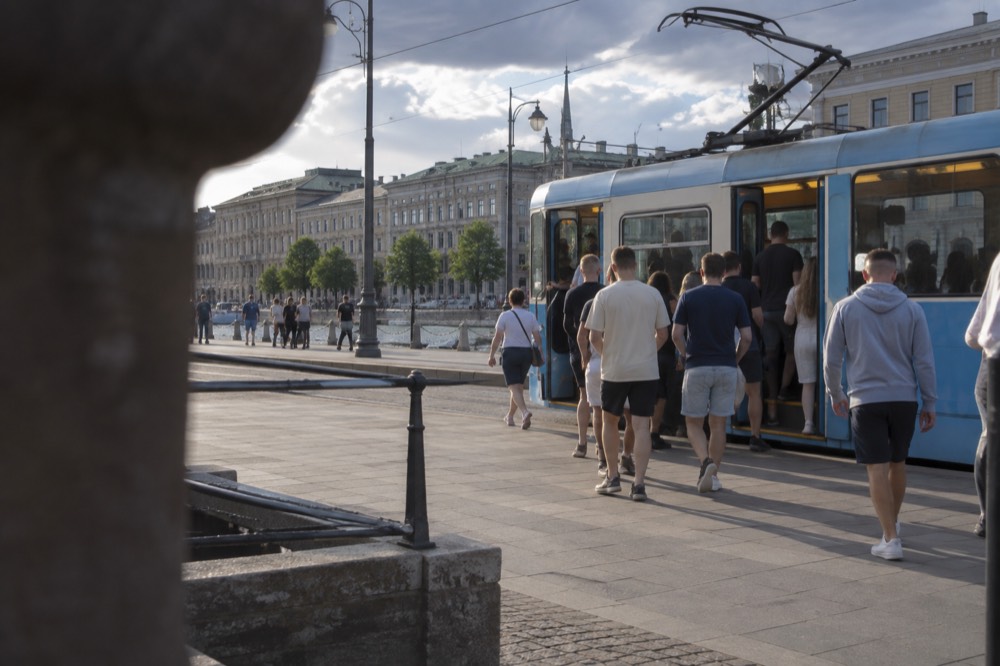
A single Västtrafik Zone A ticket covers every tram, bus and archipelago ferry a Gothia Cup visitor needs: a single fare is 38 kr, a 24-hour Zone A ticket is 125 kr at the same price in app or shop, and the Zone covers Gothenburg, Mölndal, Partille and the Öckerö islands, so the ferry out to the southern archipelago after the matches costs nothing extra. Västtrafik's own Zone A ticket page confirms the zone's reach, and the zone map shows the boats from Saltholmen as part of the network. The islands served, Asperö, Brännö, Styrsö, Donsö, Vrångö and Köpstadsö, are all inside Zone A. That makes the archipelago the single best-value half day in the city during tournament week.
The fare table, from Västtrafik's own ticket pages, is short enough to memorise:
| Ticket | Adult | Youth (7-19) |
|---|---|---|
| Single, 1 zone | 38 kr | 29 kr |
| Single, 2 zones | 76 kr | 58 kr |
| Single, 3 zones | 114 kr | 87 kr |
| 24-hour, Zone A | 125 kr | - |
One nuance worth flagging: Västtrafik's 30-day period tickets are currently halved by a temporary state subsidy, Zone A adult from 890 kr down to 445 kr, but that discount does not apply to the 24-hour and 72-hour day tickets visitors actually buy. Anyone in town for the full tournament week doing the maths on a period ticket should check the current cut-off date on Västtrafik's site, since the subsidy runs for travel through the end of the year with a final purchase date announced separately. The day-ticket price of 125 kr is unchanged.
Teams flying in should read our [Gothenburg Landvetter airport to the city centre](/guides/gothenburg-landvetter-airport-to-the-city-centre/) guide. The essentials: the airport coach is now branded Vy flygbussarna, running Landvetter to Korsvägen and Göteborg Centralstation in 20 minutes as Swedavia states, there is no rail link to the airport at all, and Västtrafik bus 612 also serves the airport on the ordinary network. Korsvägen, the coach's first city stop, is also the stadium district's tram interchange, which is a genuinely useful coincidence for anyone with luggage and a match ticket.
What Does a Sporting Trip to Gothenburg Cost?
A tournament week in Gothenburg, Sweden costs less than the equivalent week in Stockholm on most measures: a 24-hour all-inclusive transport ticket is 125 kr, Liseberg entry starts at 95 kr online though that ticket includes zero rides, the full entry-plus-rides pass starts at 365 kr, and the archipelago ferry is covered by the same tram ticket, so the big variable is accommodation, which peaks during the Gothia Cup week itself. The is Gothenburg expensive what a trip really costs guide has the full breakdown, but the sporting-specific lines are worth pulling out here.
The Liseberg entry/ride split is the detail that catches families. Liseberg's own price page states it plainly: the 95 kr Entré ticket gets you through the gate and onto nothing, the Åkpass ride pass is sold separately from 310 kr, and the combined Entré plus Åkpass starts at 365 kr online, with on-site prices dearer. Children under 110 cm enter free. A football family that budgets "95 kr each for Liseberg" and then discovers rides cost extra is a common July sight at the gate, so plan the combined ticket from the start.
| Item | Price | Basis |
|---|---|---|
| 24-hour Zone A transport ticket | 125 kr | Adult, app or shop |
| Single tram/bus fare | 38 kr | 1 zone, adult |
| Liseberg entry only | from 95 kr | Online, rides not included |
| Liseberg entry + rides | from 365 kr | Online combined pass |
| Archipelago ferry | included | Same Zone A ticket |
| Göteborgs konstmuseum | 75 kr | Day ticket, under-20s free |
The old Göteborg City Card no longer exists under that name, and the Go City product that replaced it does not include public transport, so do not budget for a pass that bundles the trams. Our the Goteborg city card is it worth it analysis covers what the current pass does and does not cover. For most tournament visitors, plain Västtrafik tickets plus pay-as-you-go attractions beats any pass.
What Can You Do Between Matches in Gothenburg?
Between matches, Gothenburg's best non-sporting hours are on the water and in the parks: the Paddan canal cruise runs a sightseeing loop from the city centre, the archipelago ferries take you to car-free islands on the tram ticket you already hold, Slottsskogen's free zoo and open ground sits south of the centre, and the Haga old quarter's wooden buildings and cinnamon buns fill the gaps in any schedule, all reachable without a car. The city is compact enough that a free afternoon is genuinely usable, not a write-off.
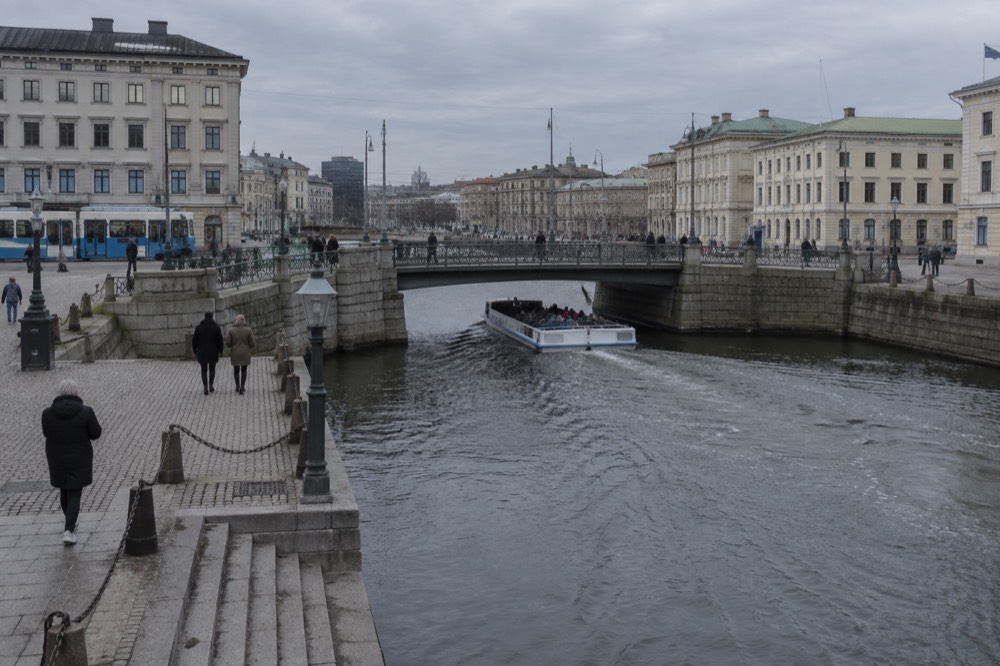
The water options deserve the first mention because they are the city's signature. The Paddan boats run sightseeing cruises on the river Säveån and the old moat, and the listing for the guided version shows a 2-hour trip rated 4.6 from 105 reviews. The amphibious land-and-water bus tour, rated 4.7 from 4,326 reviews on its listing, drives into the harbour mid-route, which is the novelty version. For a slower afternoon, the guided archipelago cruise, 2.5 hours and rated 4.4 from 1,488 reviews, runs out past the islands. All prices are on the live listings rather than quoted here.
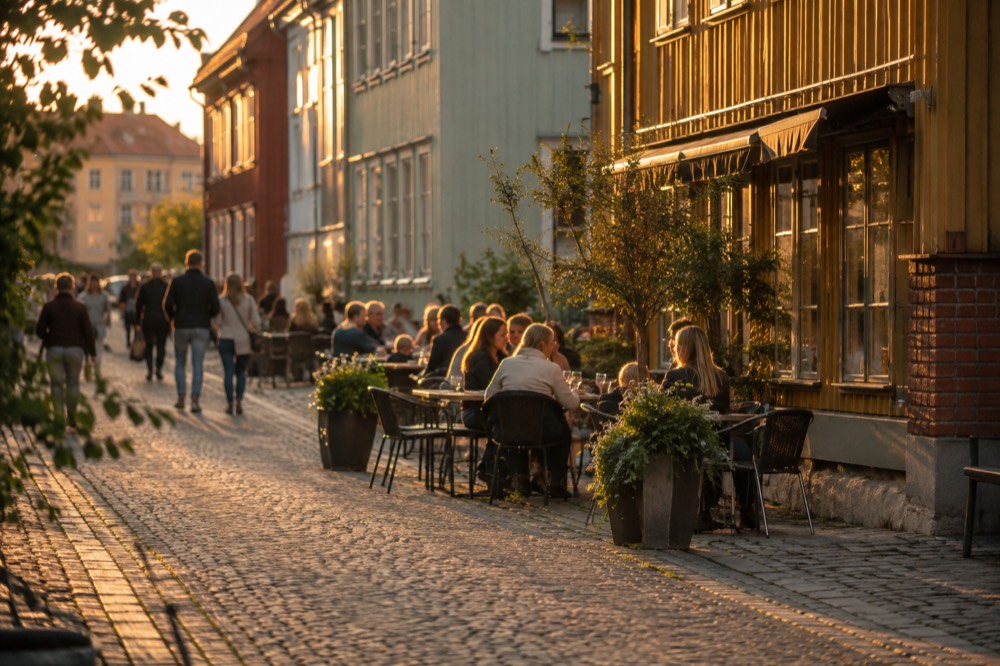
On land, the standard circuit is Haga's wooden old quarter, covered in our fika in Gothenburg how it works and where to do it companion material on fika culture, then the Avenyn boulevard up to Götaplatsen where Göteborgs konstmuseum stands. The museum charges 75 kr for a day ticket, admits everyone under 20 free, and includes the Hasselblad Center, though note its own published plan: the museum closes in 2028 for a rebuild and reopens in 2032, and it currently warns of intermittent blasting near the building. For food between matches, the where to eat in Gothenburg guide is the one to read, and Feskekôrka, the fish-church-shaped market hall that reopened in 2024 as a food hall with five restaurants, is the single most Gothenburg lunch stop in the centre.
Should You Combine the Gothia Cup with the Rest of West Sweden?
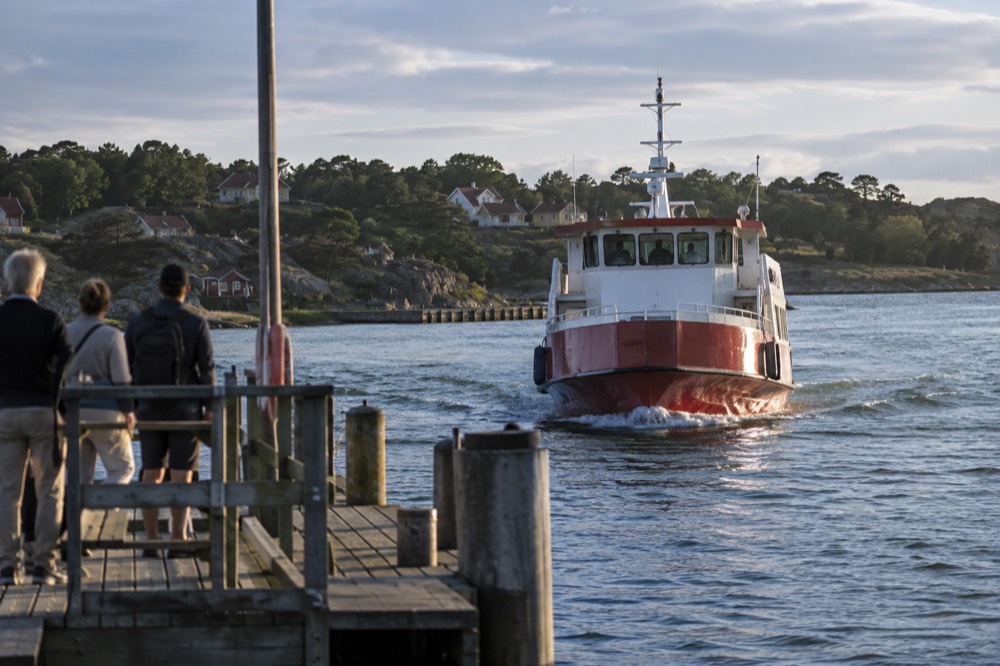
Yes, and the archipelago is the obvious extension because it is not a day trip at all: the southern islands of Styrsö, Brännö, Vrångö and Donsö are areas of Gothenburg itself, reached by tram to Saltholmen and then ferry on the same 125 kr Zone A ticket, while genuine day trips such as Marstrand, the Bohuslän coast and Läckö Castle need separate planning and most of a day each. The distinction matters because tournament schedules leave half-days free, not whole ones, and a half-day is exactly what the islands fit. Private cars are banned on the southern islands under the city's own regulations, so nobody drives there and the ferry is the only way in, which keeps them quiet even in July.
For full free days, the day trips from Gothenburg guide covers Marstrand's island fortress, the granite coast of Bohuslän and the lake country around Läckö. Families with younger siblings in tow should also read Gothenburg with kids, since Liseberg's Kaninlandet, the rabbit-themed family zone, now opens winter weekends and school holidays too, per Liseberg's own announcement. And if the trip stretches into a proper holiday, how many days do you need in Gothenburg helps you size it.
Whichever way you split the week, the planning order stays the same: lock accommodation early for tournament week, buy Västtrafik day tickets on arrival rather than any pass, and keep one afternoon free for the boats. The football will fill the mornings on its own.
Common Questions About the Gothia Cup and Sport in Gothenburg
When is the Gothia Cup held in Gothenburg?
The Gothia Cup runs each July, in the warmest and lightest part of the Swedish summer. The tournament's own site publishes each edition's exact dates and match schedule, and those details change year to year, so check it directly for the current year's fixtures.
Where do Gothia Cup matches take place?
Matches spread across pitches citywide rather than at one ground, with the opening ceremony at Ullevi in the stadium district. All the venues sit within Västtrafik's Zone A, so a single tram or day ticket covers travel between them.
Is Liseberg open during the Gothia Cup?
Yes. Liseberg's 2026 summer season runs 18 April to 20 September, published on liseberg.se, which fully covers the July tournament week. Note that the 95 kr entry ticket includes no rides; the combined entry and ride pass starts at 365 kr online.
Can you visit the Gothenburg archipelago between matches?
Yes, and it costs nothing beyond an ordinary Zone A ticket. The ferries from Saltholmen to Asperö, Brännö, Styrsö, Donsö, Vrångö and Köpstadsö are part of the Västtrafik network, and the islands are car-free areas of the city itself, not separate day trips.
How much is transport during the Gothia Cup?
A single Zone A adult fare is 38 kr and a 24-hour Zone A ticket is 125 kr, the same price in the app and the shop, per Västtrafik's fare pages. The temporary state subsidy that halves 30-day period tickets does not apply to the 24-hour and 72-hour visitor tickets.
Is there a city pass that includes transport in Gothenburg?
No. The old Göteborg City Card no longer exists, and the [Go City](https://gocity.tpk.ro/HQKyKKW4) pass that replaced it does not include public transport. For a tournament week, plain Västtrafik tickets are the standard approach.