A Cruise Ship Day in Gothenburg, Sweden: What to Do with Your Hours Ashore
Gothenburg, Sweden is one of the few cruise ports where the tram, the canals, the archipelago ferries and the biggest amusement park all sit within an ordinary city ticket's reach. Here is how to plan the hours ashore without wasting any of them.
Short answer
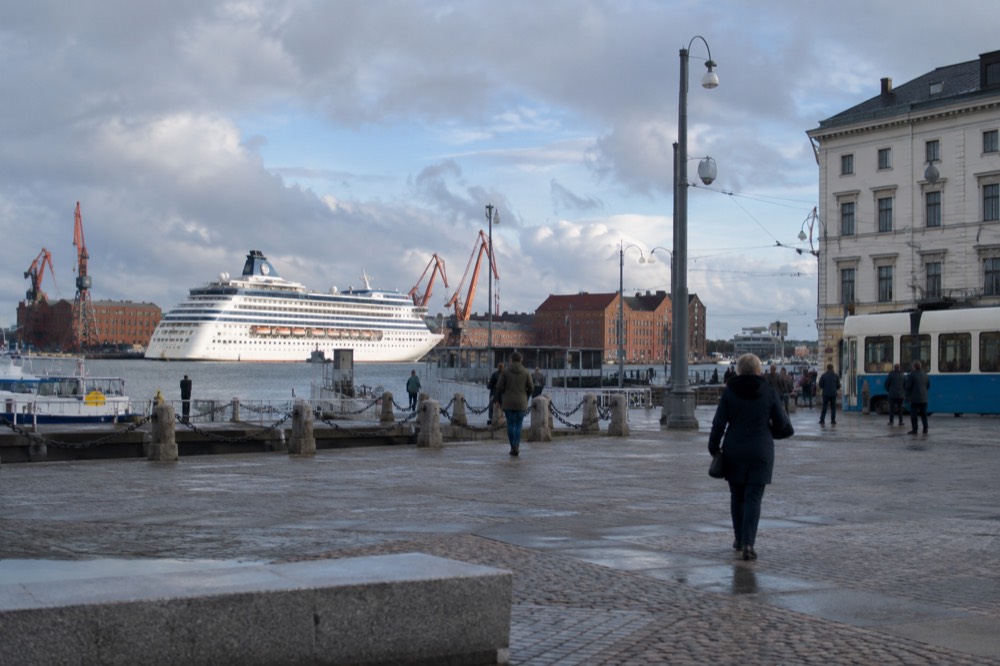
Cruise passengers dock inside the Port of Gothenburg, a short hop from the city centre. A 24-hour Zone A Västtrafik ticket at 125 kr covers trams and the southern archipelago ferries, Liseberg is open only in season, and the archipelago islands are legally car-free.
Gothenburg, Sweden handles its cruise traffic inside the same harbour that has run the city since the Dutch engineers laid out the old town inside a moat. That geography is the whole reason a day ashore here works better than in most Baltic ports: the quays sit close to the centre, the tram network reaches almost everything, and the southern archipelago, a string of car-free islands that are formally districts of the city, is covered by the same ordinary ticket you buy for a tram ride. The Port of Gothenburg publishes no cruise-call schedule on its own site, so plan around what the city offers rather than around a published calendar of arrivals.
Where Do Cruise Ships Dock in Gothenburg, Sweden?
Cruise ships berth inside the Port of Gothenburg's harbour area on the Göta älv, within the city rather than at an out-of-town terminal, and the port authority publishes no cruise-call schedule on its own pages, so the only reliable planning facts are the ones the city and transport authority publish. The port's own "Cruise calls" page carries no published table of arrivals, and neither its arrivals page nor its Swedish equivalent lists one. What that means in practice is that you cannot look up which quay your ship gets in advance, and you should build your day around distances and tickets rather than around a named berth.
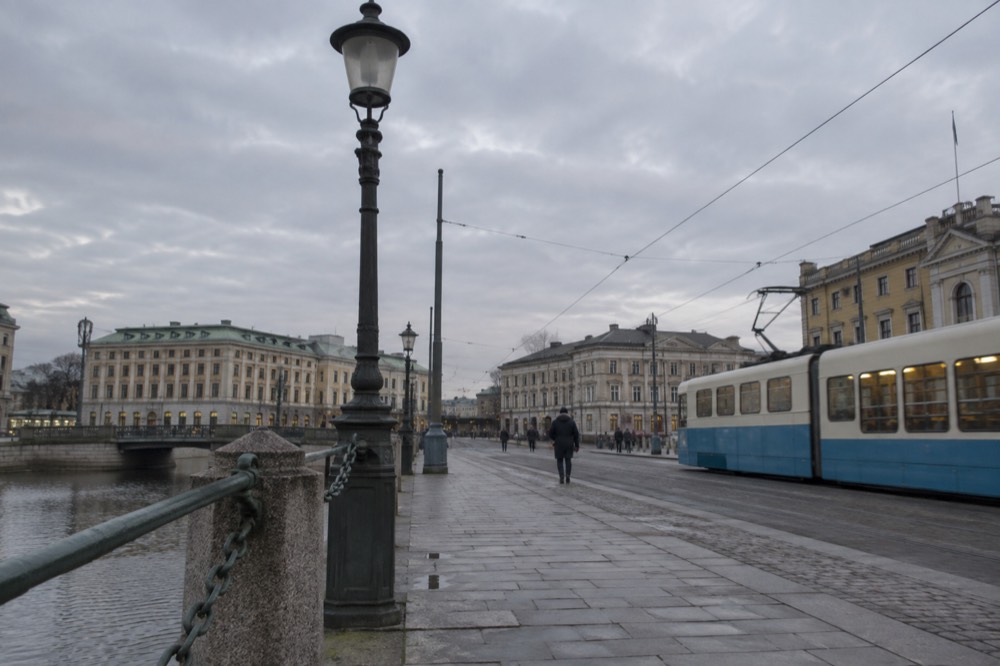
The harbour sits on the river, and the city centre of Gothenburg is compact. The old moat that once defended the town is now the canal ring around Inom Vallgraven, and it is walkable from the waterfront districts. If your ship berths at one of the outer harbours, the fix is simple: the tram network, 12 lines and 188 km of single track as of the 2022 Göteborgs Spårvägar annual report, threads the whole city from Mölndal in the south to Angered in the north, with Saltholmen, the archipelago ferry terminal, as its western terminus.
The numbers behind that network are worth knowing. Göteborgs Spårvägar reports 126 million journeys in 2025, against a pre-pandemic record of 141 million in 2019 and a low of 93 million during the pandemic years. A system carrying that many people runs frequently, which is why a shore-day plan built on trams rarely fails. The annual report's own wording: "Våra spårvagnar trafikerar idag tolv linjer, 134 hållplatser och 188 kilometer enkelspår", twelve lines, 134 stops, 188 km of single track, figures to treat as the 2022 vintage rather than a live count.
For orientation, the essentials are these:
| What | Where it sits | Why it matters on a cruise day |
|---|---|---|
| Inom Vallgraven (old town) | Inside the old moat | Walkable core, cathedral, canal quays |
| Avenyn and Götaplatsen | South of the moat | The main boulevard, art museum at its head |
| Haga | West of the moat | Wooden old quarter, cafés, shortest walk uphill |
| Liseberg | East side, near Korsvägen | Tram or 20 minutes' walk from the centre |
| Saltholmen | Western tram terminus | Departure point for the archipelago ferries |
| Feskekôrka | Rosenlundsgatan, canal-side | The reopened fish-church food hall |
How Do You Get from the Cruise Berth Into Gothenburg City Centre?
Walking is realistic from the inner harbours, and where it is not, a Västtrafik single ticket for one zone costs 38 kr for an adult, while the ticket that actually suits a cruise day is the 24-hour Zone A ticket at 125 kr, which covers trams, buses and the archipelago ferries on the same ticket. Västtrafik's fare pages list the adult single at 38 kr for one zone and the 24-hour Zone A day ticket at 125 kr, the same price in the app or at a shop. Zone A covers Göteborg, Partille, Mölndal and Öckerö, which is to say the entire city plus the southern islands. A youth single is 29 kr.
One warning worth the space: a temporary state subsidy currently halves every 30-day period ticket, cutting the Zone A adult monthly from 890 kr to 445 kr, but Västtrafik states plainly that the subsidy does not cover the 24-hour and 72-hour day tickets visitors buy. Do not read a headline about half-price transport and expect a discount at the ticket machine. Your day ticket is still 125 kr.
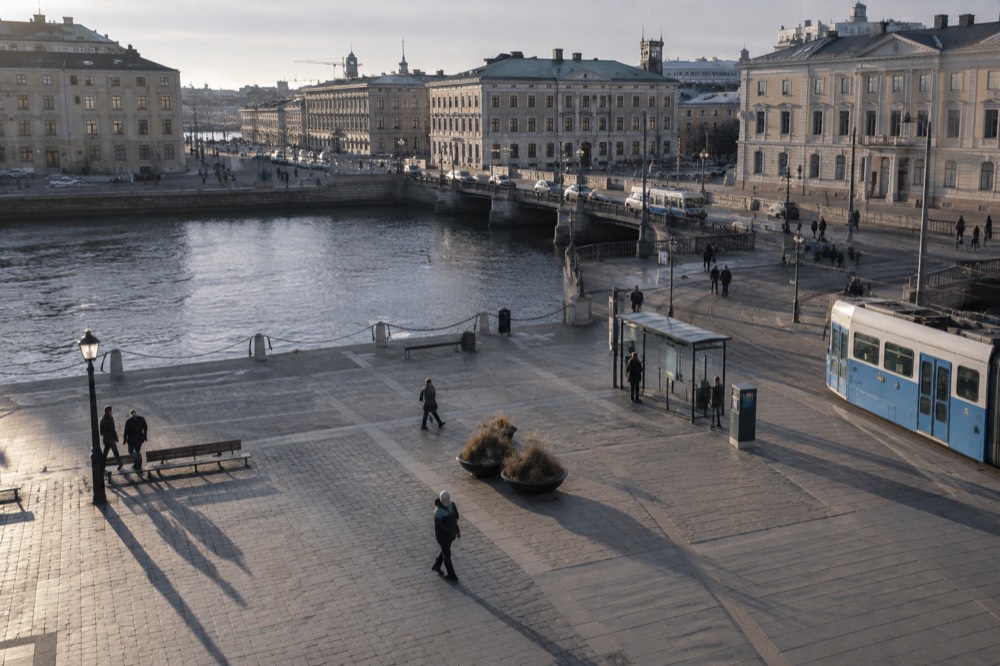
You do not tap out on Gothenburg trams; you buy or activate a ticket before boarding and simply walk off at the end. Inspectors do check. If you would rather not think about zones at all, the sightseeing options below cover the same ground with commentary.
For a fuller transport briefing, read getting around Gothenburg by tram, and for the mechanics of arrival by air rather than sea, the Landvetter airport transfer guide covers the coach and bus routes.
What Can You Realistically See in a Gothenburg Shore Day?
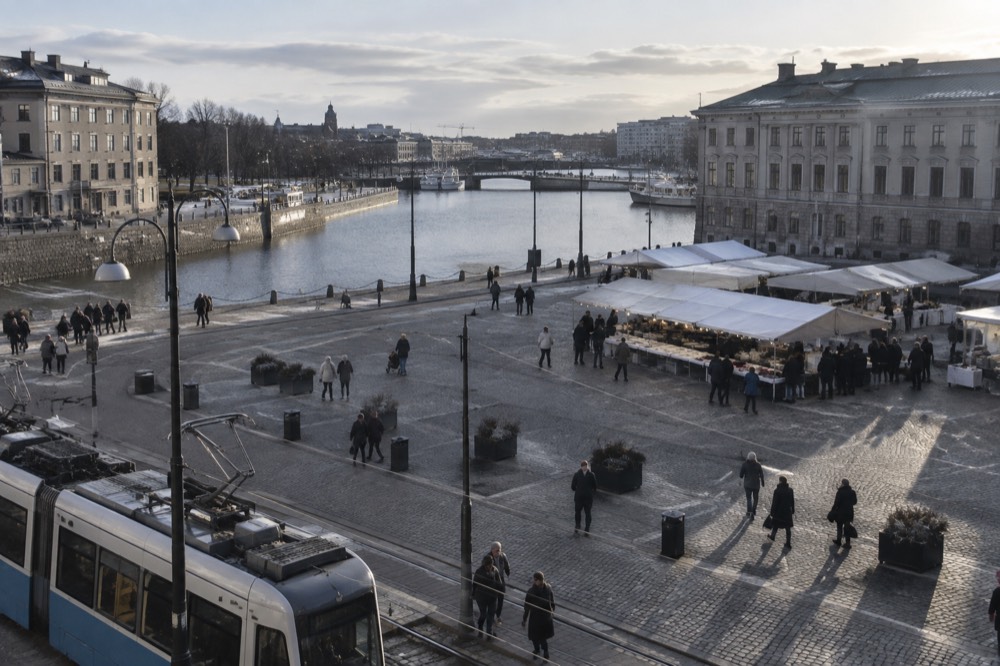
With six to eight hours ashore you can walk the old town and Haga, take a canal or archipelago boat, and still eat well, because the distances are short: the city centre fits inside a rectangle about 2 km wide, and the tram connects everything the walking cannot. The mistake cruise passengers make is not distance, it is season and opening days. Göteborgs konstmuseum, for instance, is closed on Mondays and, more importantly, is scheduled to close entirely in 2028 and reopen in 2032 for a rebuild, with intermittent blasting already happening near the building. The museum's own rebuild page states the timetable plainly: "Enligt nuvarande tidplan stänger konstmuseet 2028 och återöppnar 2032."
A sample shape for the day, assuming a morning arrival:
| Time | Plan | Notes |
|---|---|---|
| Morning | Old town and canal | Walk Inom Vallgraven, then out to the Paddan canal quays |
| Late morning | Haga | Wooden houses, fika, 60 to 90 minutes |
| Midday | Feskekôrka or Saluhallen | Food hall lunch, see below |
| Afternoon | Boat | Archipelago ferry or canal cruise, 1 to 3 hours |
| Late afternoon | Avenyn and Götaplatsen | Tram back, boulevard stroll, reboard |
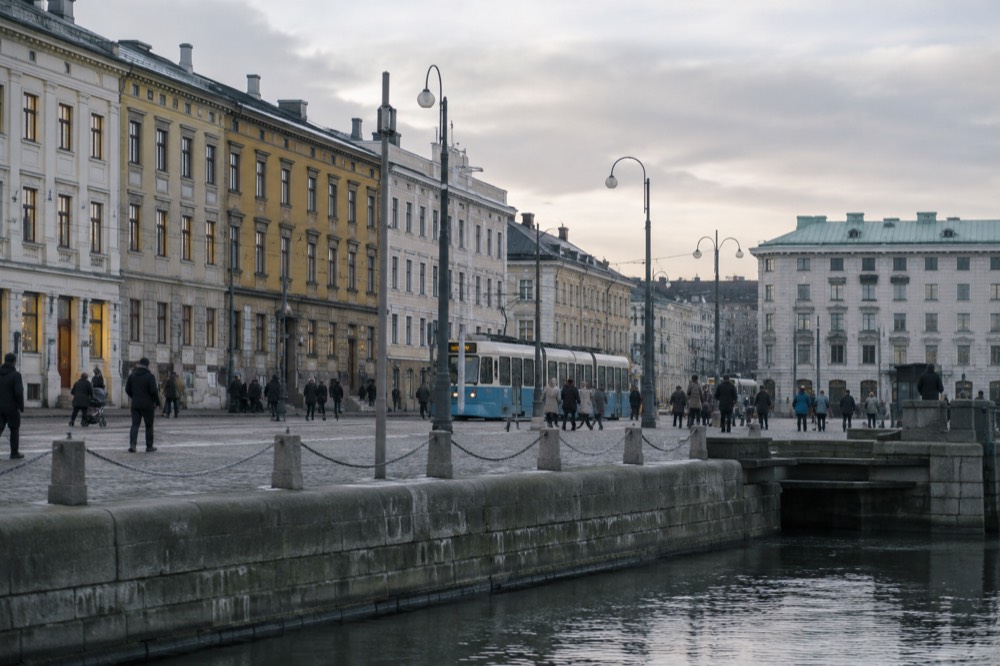
Haga deserves the late-morning slot. The quarter's low wooden landshövdingehus, a Gothenburg building type where timber sits on a stone ground floor to dodge the old fire rules, gives the district its look. The Haga old quarter guide covers the cafés and the hill up to Skansen Kronan if you want the viewpoint. If your hours are tighter than a full day allows, one day in Gothenburg trims this same plan to the essentials.
Daylight is the other constraint nobody warns you about. Gothenburg sits at 57.7 degrees north, and the US Naval Observatory's figures for the city show 18 hours 06 minutes of daylight on 21 June against 6 hours 32 minutes on 21 December, a swing of 11 hours 34 minutes between the solstices. A summer caller gets an evening that never really ends, with civil twilight on midsummer's day running from 02:58 to 23:30 local time, roughly three and a half hours of true night. A winter caller, by contrast, sees the sun rise at 08:54 and set at 15:26, so plan the outdoor blocks for the middle of the day and keep the museums for the edges.
Can You Visit the Archipelago on a Cruise Ship Day?
Yes, and it is the best-value move available to a cruise passenger, because the southern archipelago islands, Styrsö, Brännö, Vrångö, Donsö, Asperö and Köpstadsö, are districts of Gothenburg served by Västtrafik ferries from Saltholmen on an ordinary Zone A ticket, and private cars are banned on the islands by city ordinance. Västtrafik's own material says you can ride "på samma biljett hela vägen från centrum ut på havet", on the same ticket all the way from the centre out onto the sea, and the islands sit inside Zone A. A 125 kr day ticket covers the tram to Saltholmen and the ferry out. Göteborgs Stad's study of the southern archipelago states the islands "är fredade från biltrafik", protected from car traffic, with only taxi and emergency exceptions.
The catch is time. The ferry ride plus island time plus the tram back is a three-hour commitment at minimum, and boats run on fixed timetables that thin out outside summer. If your all-aboard is late afternoon, take a guided archipelago cruise instead: the boats leave from the central harbour, so you trade the tram leg for a departure point next to where you are already standing.
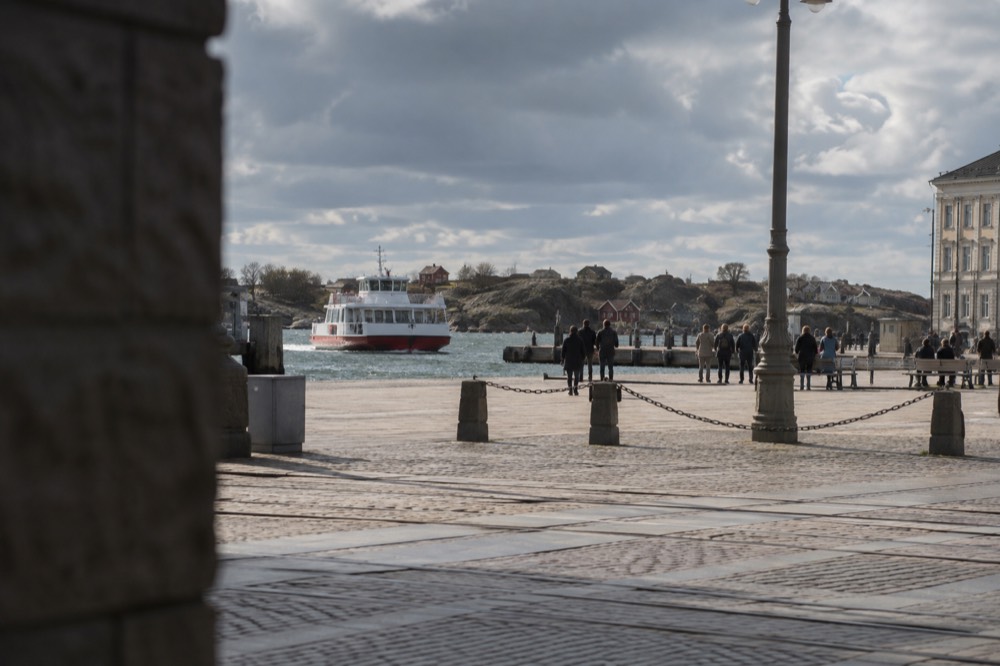
For depth on the islands themselves, the Gothenburg archipelago guide and the southern islands page cover the differences between them. The short version: Styrsö has the most infrastructure, Vrångö the most wilderness, Brännö the flattest walking.
If swimming is on your mind, the sea temperature data is more useful than instinct. SMHI's quality-controlled hourly observations from the Vinga lighthouse station show the water peaks in August at 18.6 C, not July, and that September water, at 16.7 C, is warmer than June water at 16.2 C. February is the coldest month at 2.7 C, with a recorded low of -1.2 C, possible because brackish Kattegat water does not freeze at zero. A September caller gets a warmer swim than a June one, which is the opposite of what most people book.
Is Liseberg Possible on a Cruise Day?
Only if your ship calls between 18 April and 20 September in summer, 2 October to 1 November for Halloween, or 14 November to 23 December for the Christmas market, because Liseberg closes completely between seasons, and a 95 kr entry ticket includes zero rides, since entry and ride passes are sold separately. Those season dates are published on liseberg.se itself. The park is shut roughly from 21 September to 1 October, from 2 to 13 November, and from 24 December until mid-April. A winter caller who has read that Liseberg is the city's biggest attraction will find a locked gate.
The price structure is the part that surprises people. Liseberg's own ticket page lists entry from 95 kr, an entry-plus-unlimited-rides ticket from 365 kr, and a ride pass alone from 310 kr. The entry ticket's fine print states that rides are not included. Children under 110 cm enter free. Liseberg is not sold on any booking platform, so buy from the park directly.
| Ticket | Online from | What it gets you |
|---|---|---|
| Entré | 95 kr | Gate entry only, no rides |
| Entré + Åkpass | 365 kr | Entry plus unlimited rides |
| Åkpass alone | 310 kr | Rides, but entry must be bought too |
| Under 110 cm | Free entry | Height-based, not age-based |
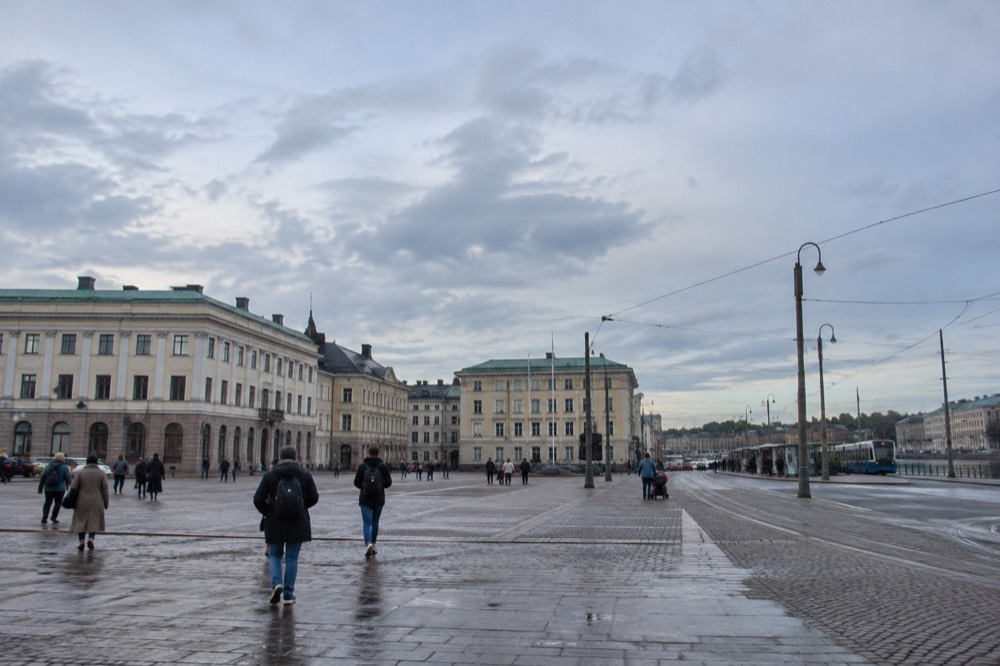
Liseberg sits by Korsvägen, a tram hub a few stops from the centre, so it slots into a shore day as a two-hour evening block if your sailing is late. The full ride and ticket breakdown is in Liseberg rides, tickets and when to go.
Where Should You Eat When Every Hour Counts?
Feskekôrka, the fish-church-shaped market hall on Rosenlundsgatan, reopened in 2024 as a food hall with two fish counters and five restaurants, which makes it the single most efficient eating stop for a cruise day, because you can see the building, buy at a counter and eat in one place inside half an hour. The building turned 150 the same year it reopened, so it dates from 1874, according to Higab, the municipal property owner. Its current tenants, listed on its own site, are the fish counters Ebbes Fångst and Flåtens Fiskhandel, and the restaurants Haldis Kök, Pråmenaden, Victor von G, Lilla Åstol and Ekmans. Lilla Åstol is seasonal and closes for winter.
The alternative is fika, the Swedish coffee break, which is less a snack than a schedule item. A cinnamon bun and a coffee in Haga costs a fraction of a sit-down lunch and takes twenty minutes. The fika guide explains the custom, and where to eat in Gothenburg covers full meals. If you want the city's food reputation in one sitting, a guided food walk compresses it.
One legal note that catches visitors: beer above 3.5% ABV, along with all wine and spirits, is sold only through Systembolaget, the state monopoly, under Alkohollag (2010:1622). Supermarkets sell only the weaker folköl, and the shelf version of a familiar brand is often a 3.5% reformulation of the same beer. Do not plan a bottle of wine for the cabin around a corner shop.
What If It Rains on Your Gothenburg Cruise Day?
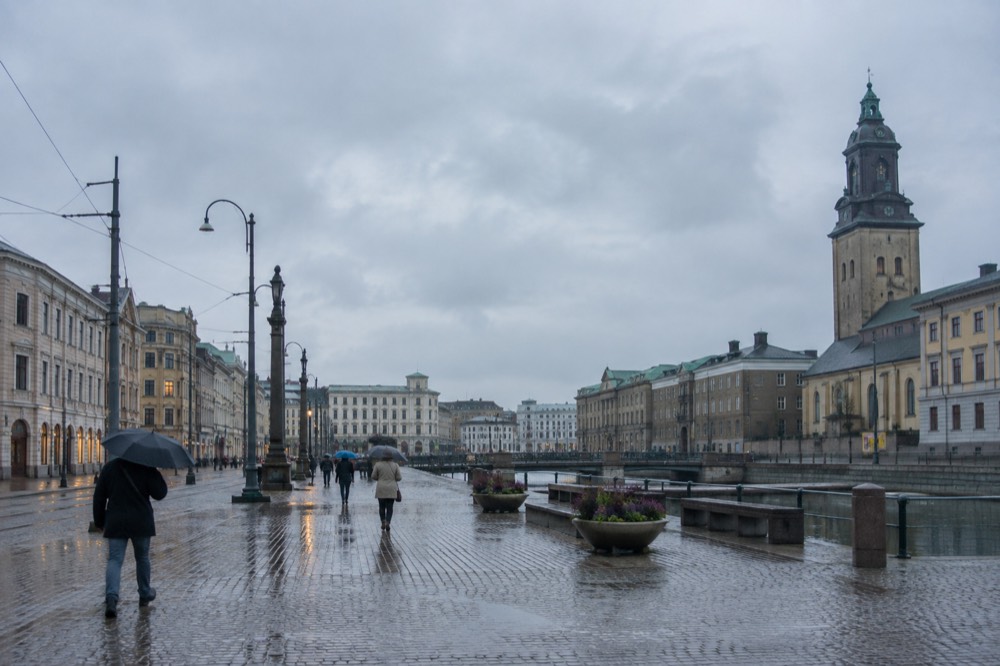
Plan for rain as a probability, not a surprise: SMHI's 1991-2020 normals for station Göteborg A show 912 mm of precipitation across 127 days a year, with October the wettest month at 102.9 mm and April the driest at 51.3 mm, and the city's indoor options, Universeum, the museums and the canal boats, are built for exactly this. The reputation outruns the data, though. SMHI does not call Gothenburg Sweden's rainiest city; the national maxima sit in the western highlands and the mountains, and the city's 912 mm falls inside the normal band for western Götaland. It rains on about one day in three, not permanently.
Universeum is the strongest wet-weather card. The science centre is open every day of the year, 10:00 to 18:00, and admission is dynamically priced with a booked time slot rather than a fixed published adult rate, so book online rather than expecting a price at the door. The rainforest hall and aquarium are included in admission; only the Wisdome dome shows are a separate ticket. For a fuller wet-day plan, Gothenburg on a rainy day lists the indoor set in order.
The indoor alternatives that stay open regardless of weather:
| Option | Time needed | Notes |
|---|---|---|
| Universeum | 2-3 hours | Open daily 10:00-18:00, book a time slot |
| Göteborgs konstmuseum | 1-2 hours | Closed Mondays, closes for rebuild in 2028 |
| World of Volvo | 1-2 hours | The old Volvo Museum at Arendal closed in 2023 |
| Canal cruise under cover | 1 hour | Runs in most weather |
| Feskekôrka and Saluhallen | 1 hour | Food halls, indoor by design |
One stale fact to kill before it costs you a trip: the Volvo Museum at Arendal closed permanently in December 2023. Its successor, World of Volvo at Lyckholms Torg, is the only Volvo attraction in the city now, open Mon-Wed 10:00-17:00, Thu 10:00-19:00, Fri-Sat 10:00-17:00 and Sun 10:00-16:00, with exhibition tickets from 120 SEK online. The World of Volvo guide has the details.
A note on city passes, because cruise passengers are sold them hard. The old Göteborg City Card is gone; goteborg.com, the official tourism site, sells no city card at all, and the Go City product that replaced it is a different thing under different terms. Unlike the old municipal card, it does not include public transport. The city card guide works through the arithmetic, but for a single day ashore the 125 kr Västtrafik ticket plus individual admissions usually beats any pass.
Common Questions About a Cruise Ship Day in Gothenburg
Where do cruise ships dock in Gothenburg, Sweden?
Inside the Port of Gothenburg's harbour on the Göta älv, within the city. The port publishes no cruise-call schedule on its own site, so build your day around tickets and distances rather than a named berth.
Can you get to the Gothenburg archipelago from a cruise ship?
Yes. The southern islands are city districts served by Västtrafik ferries from Saltholmen, covered by an ordinary Zone A ticket, so a 125 kr 24-hour ticket covers the tram and the boat. Allow at least three hours for the round trip.
How much is transport for a day in Gothenburg?
A 24-hour Zone A ticket costs 125 kr for an adult, per Västtrafik's fare page. A single one-zone ticket is 38 kr. The temporary state subsidy halves 30-day period tickets but does not apply to the day tickets visitors buy.
Is Liseberg open on a cruise day?
Only in season. The 2026 calendar on liseberg.se lists summer from 18 April to 20 September, Halloween from 2 October to 1 November, and the Christmas market from 14 November to 23 December. Between seasons the park is closed, and a 95 kr entry ticket includes no rides.
What is the one thing to eat in Gothenburg with limited time?
Feskekôrka, the fish-church food hall on Rosenlundsgatan, reopened in 2024 with two fish counters and five restaurants. It combines a look at an 1874 landmark building with a fast, good lunch.
Is Gothenburg walkable from the cruise port?
Largely, yes. The centre inside the old moat is compact, and Haga sits just west of it. For anything farther, Liseberg, Saltholmen, the museum district, the tram covers the gaps on the same ticket as the ferries.
If the day ashore turns into a decision to come back, a weekend in Gothenburg and two days in Gothenburg extend this same plan, and the best time to visit Gothenburg tells you which month to pick. This page is part of Gothenburg Travel Guide's itinerary set for the city on Sweden's west coast.