Do You Need to Book Trains in Advance in Sweden? What Changes on Gothenburg Routes
Whether you need to book Swedish trains ahead, which Gothenburg routes sell out, which you can turn up for, and how Västtrafik tickets work differently from long-distance rail.
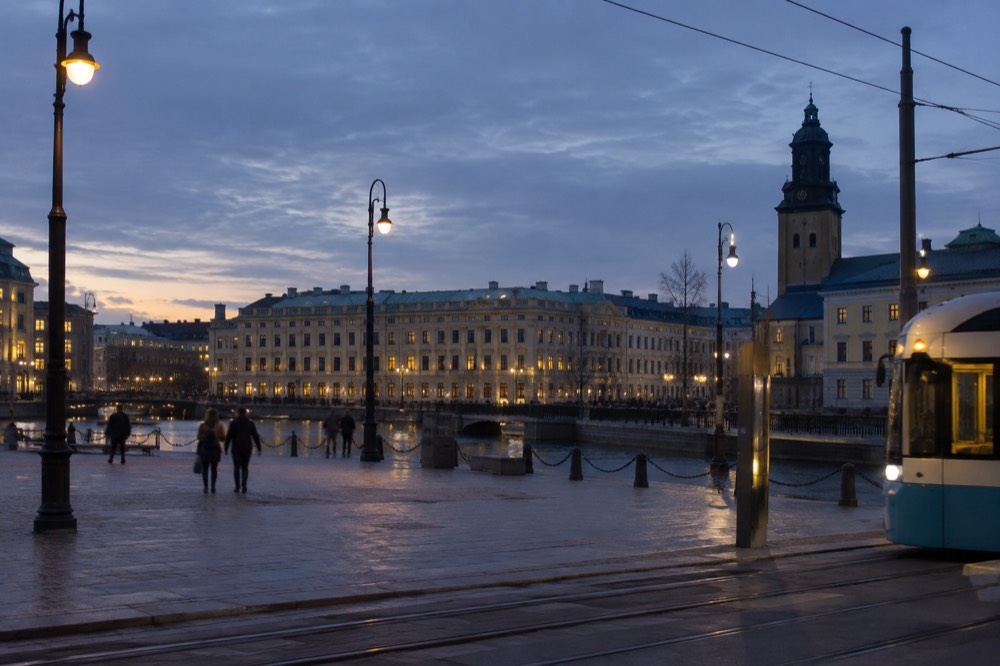
Advance booking in Sweden is less rigid than in much of Europe, but it is not optional either. Long-distance trains run with dynamic pricing, so the fare you pay on the day of travel is usually the worst fare available, and a handful of peak departures genuinely sell out. Local and regional trains are a different world: you buy a ticket, you board, and nobody has reserved a seat. This site, Gothenburg Travel Guide, covers the Swedish west coast from a transport-first angle, and the Gothenburg routes are where the two systems meet, because one station, Göteborg Centralstation, handles both.
Do You Need to Book Trains in Advance in Sweden?
For long-distance trains, such as Gothenburg to Stockholm, yes, booking ahead is the standard advice: fares are dynamic and rise as the departure fills, and your ticket includes a seat reservation, so popular departures can genuinely run out of bookable seats. For regional trains and all Västtrafik transport around Gothenburg, no advance booking is needed or even possible in the same sense; you buy a ticket and board.
The distinction that matters is not distance but ticket type. Swedish long-distance rail, run by operators such as SJ and MTRX on the Stockholm corridor, sells tickets the way airlines do: prices start low when sales open, usually months ahead, and climb as the train fills. The ticket also carries a mandatory seat reservation, which is why a fully booked departure is a real thing and not a theoretical one. You cannot buy a standing ticket on those trains, so when the seats are gone, they are gone.
Regional trains, the ones hopping between nearby towns, work on a flat or zoned fare. There is no seat reservation, no advance discount worth having, and no sell-out scenario, only a full train where you stand. Västtrafik, the western Sweden transport authority, is the extreme case: its tickets cover trams, buses, commuter rail and even the archipelago ferries on one card, and nothing about them is booked in advance.
So the honest answer to the question is: it depends which train. A visitor who hears "book Swedish trains ahead" and applies it to a 20-minute hop to Alingsås is wasting worry, while one who hears "trains are easy, just turn up" and tries it on a Friday-afternoon Stockholm express is risking a full train and a bruising fare. The rest of this page breaks the two systems apart route by route so you can tell which situation you are in.
Which Gothenburg Train Routes Actually Sell Out?
The routes where advance booking genuinely matters are the long-distance corridors out of Göteborg Centralstation: Stockholm above all, then Oslo, Copenhagen via the Öresund crossing, and long summer-weekend runs up the Bohuslän coast or to the far north. High-speed departures on the Stockholm line, Friday and Sunday afternoons, and the days around Christmas and midsummer are the pressure points where seats disappear.
Stockholm is the big one. It is Sweden's busiest rail corridor, served by high-speed trains and slower alternatives, and the cheap fare buckets on the fastest departures are typically gone well before travel day. The corridor carries a heavy business-travel load, which is exactly why the Friday and Sunday afternoon trains are the first to fill: everyone in Sweden's two largest cities goes home for the weekend on the same two trains you want. The journey itself is a reason people book it, and you can read more in is the Gothenburg to Stockholm train scenic and is there a high speed train from Gothenburg to Stockholm.
The Oslo and Copenhagen routes cross borders, which adds another reason to book: international tickets are sold with reservations attached and the through-fare logic rewards early purchase. Cross-border capacity is also thinner than domestic. There are fewer departures a day, so a single full train hurts more, and the fallback options are slower or nonexistent. The Copenhagen line in particular ties into a wider travel question covered in is Gothenburg worth visiting from Copenhagen.
Summer adds a third pressure layer. The west coast is where Swedes holiday, and the seasonal trains that serve it, along with the sleeper and long-run services toward Norrland, absorb a wave of leisure demand in July. A midsummer-weekend ticket bought two weeks out can cost multiples of one bought in March, and the departure you wanted may simply not have seats in the cheap categories anymore.
What does not sell out is the local network. Västtrafik's commuter rail, the trams, and the ferries to the southern archipelago have no reservations at all. A single Zone A ticket costs 38 kr, and a 24-hour Zone A ticket, 125 kr, covers trams, buses and the archipelago boats from Saltholmen, per Västtrafik's fare page. That is the cheapest big day out in the city, and no part of it requires booking a seat. The boats carry Västtrafik line numbers and appear on the authority's own network map, which is the tell that they are ordinary public transport and not a tour.
How Far Ahead Should You Book, and Does It Save Money?
Booking two to eight weeks ahead is the practical window for Swedish long-distance trains: fares are dynamic, so earlier is almost always cheaper, and sales typically open months before departure. Booking the day before or on the day is when you pay the most. The saving is real but not guaranteed, and off-peak midweek departures stay cheap late, while Friday and Sunday trains do not.
The pricing model rewards commitment. An operator selling a 200-seat train wants it full, so it opens cheap and lets scarcity do the rest. If your dates are fixed, book when the price looks acceptable rather than gambling on a late dip, because on Swedish long-distance rail the late dip mostly does not happen. The fare ladder only goes one direction as a rule, and the exceptions are thin enough that planning around them is not a strategy.
If your dates are loose, the calculus changes. Midweek, midday and off-season trains often hold near their opening price until close to departure. School holidays, the midsummer weekend, and the run-up to Christmas do the opposite. A Tuesday 10:30 departure to Stockholm in February is a different commercial animal from a Friday 16:00 departure in July, and the price will tell you so.
And if you are building a whole Sweden trip rather than a single corridor, the question of how many days to spend where, covered in how many days in Gothenburg is enough, is worth settling before you buy non-refundable rail seats. There is no sense locking in a tight train schedule for a city you have not decided how long to stay in.
One caution for the Gothenburg side of the trip: do not confuse long-distance rail with the local system. Västtrafik's fares are fixed and published. A 24-hour Zone A ticket is 125 kr whether you buy it in June or January, and it costs the same in the app as in a shop. The temporary state subsidy currently halving Västtrafik's 30-day period tickets, Zone A adult 890 kr down to 445 kr, applies only to monthly tickets; the 24-hour and 72-hour tickets a visitor actually buys are not discounted, and Västtrafik's own pages say so. Anyone telling you "transport in Gothenburg is half price right now" has read a headline about monthly tickets and applied it to the wrong product.
Which Swedish Trains Can You Just Turn Up For?
Regional and commuter trains across Västtrafik's territory, plus the trams and archipelago ferries inside Gothenburg, are all turn-up-and-go: no seat reservations exist, tickets are flat or zoned, and buying on the day costs the same as buying a week out. Long-distance trains are the exception, not the rule, and even there a ticket bought at the station minutes before departure is usually possible if the train is not full.
The regional picture around Gothenburg is genuinely forgiving. Towns such as Alingsås, Kungsbacka and Mölndal are on frequent commuter lines where the idea of booking ahead does not apply. You tap, you board, you go. The trains run at commuter frequencies through the day, and the worst case is standing for part of a journey, not being left on the platform.
The same is true of the airport question, with one twist: there is no rail link to Landvetter Airport at all. Swedavia's own transport pages list only coach and bus, the airport coach being Vy flygbussarna, with a stated 20-minute run to the centre. Anyone telling you to book a train to Landvetter is describing a service that does not exist. The coach runs from the terminal to Korsvägen and then Göteborg C, the Nils Ericson Terminal, and Västtrafik bus 612 also serves the airport on the local network.
A table makes the split easier to see:
| Train or service | Book ahead? | Why |
|---|---|---|
| Gothenburg to Stockholm (high-speed) | Yes | Dynamic pricing, seat reservation included, peak departures sell out |
| Gothenburg to Oslo or Copenhagen | Yes | International through-tickets, reservation attached, thin capacity |
| Long summer trains up the west coast | Yes in season | Seasonal demand, limited departures |
| Västtrafik commuter rail (Alingsås, Mölndal, Kungsbacka) | No | Flat zonal fare, no reservations |
| Gothenburg trams and buses | No | 38 kr single or 125 kr for 24 hours, Zone A |
| Archipelago ferries from Saltholmen | No | Covered by the same Västtrafik ticket, no booking system |
| Landvetter Airport | Not a train | No rail link exists; the coach is Vy flygbussarna |
The ferry line in that table deserves emphasis because it is the fact visitors most often miss. The southern archipelago islands, Styrsö, Brännö, Vrångö, Donsö and the rest, are areas of Gothenburg, not day trips, and the boats are part of the Västtrafik network. The islands are car-free, protected from private car traffic by city ordinance with exceptions only for taxi and emergency services, the Saltholmen terminal is the western terminus of the tram network, and the whole thing runs on an ordinary ticket. More on that in is the ferry in Gothenburg free and is it worth visiting Gothenburg archipelago.

Does Timing Around Swedish Seasons Change the Booking Question?
Yes, and more than most visitors expect. Midsummer, the Christmas holidays and the summer weeks push long-distance trains into book-early territory, while April, the driest month of the year in Gothenburg at 51.3 mm of rain, is a low-pressure window where late booking is usually painless. October, the wettest month at 102.9 mm, is when the weather turns but the trains are still quiet.
Those rain figures come from SMHI's 1991-2020 normals for station Göteborg A, and they matter for booking because they shape when everyone travels. The Swedish summer is short and intense, so the whole country moves in the same few weeks. Midsummer especially: it is the one weekend when even regional trains feel the strain, and long-distance ones need to be booked well out. The Christmas and New Year period is the other spike, driven less by weather than by the national reflex to be somewhere else with family.
Daylight is the other seasonal lever. Gothenburg runs from 6 hours 32 minutes of daylight on 21 December to 18 hours 06 minutes on 21 June, a swing of over 11 hours. Summer trains sell because the evenings are endless; December trains sell because of the Christmas rush and then stop selling because everyone stays home. In June, civil twilight runs from roughly 03:00 to 23:30 local time, leaving only about three and a half hours of true night, which is why summer departures at hours that would be absurd further south are fully normal here. If you are planning around the light rather than the weather, the seasonal guide at what is the best time to visit Gothenburg is the companion read.
None of this changes the local picture. The trams run the same network whether it is July or February, and the archipelago boats run year-round on the same ticket. Göteborgs Spårvägar reported 126 million journeys in 2025 across a network that, per its own annual reporting, covers 12 lines, 134 stops and 188 km of single track as of 2022. That is a system built to absorb whatever a season throws at it, and it does not know or care whether you booked anything in advance.
What About the Gothenburg to Stockholm Route Specifically?
The Stockholm route is the one Swedish train where advance booking is close to mandatory advice: it is the country's busiest corridor, the fastest trains carry mandatory seat reservations, and the cheap fare buckets on popular departures are typically gone weeks ahead. Booking two to eight weeks out is the practical rule, earlier around holidays and summer weekends, and the day-of fare is usually the worst one available.
Everything about the corridor pushes the same way. High-speed trains, competing operators, and a business-travel market that books Friday and Sunday afternoons solid. The scenic argument for the route, which is real and covered in is the train ride from Gothenburg to Stockholm scenic, adds leisure demand on top. The result is a corridor where the advice that applies to almost no other Swedish train applies with full force.
There is also a change coming to the Gothenburg end of the rail system that is worth knowing about when you plan. The Västlänken tunnel project, which is rebuilding rail through the city centre with new stations at Centralen, Haga and Korsvägen, has its first section, the underground tracks at Centralen, scheduled to open in December 2026, with the full project around 2030, per Västtrafik's project pages. Construction is active around the station district now, so allow a little extra time when you make a tight connection, and expect the station environment to keep evolving for several years.
Common Questions About Booking Trains in Sweden
Do you need to book trains in advance in Sweden?
For long-distance trains, yes: fares are dynamic and rise toward departure, and seat reservations are included, so popular trains can sell out. For regional trains and all Västtrafik transport around Gothenburg, no, there is nothing to book; you buy a ticket and board.
Do Swedish trains sell out?
Long-distance trains can, because every ticket includes a seat reservation. Regional and commuter trains do not sell out in that sense; you may have to stand, but you cannot be refused a ticket.
Is it cheaper to book Swedish trains early?
On long-distance routes, almost always yes. Swedish rail operators use demand-based pricing that opens low and climbs as seats fill. On Västtrafik's regional network the fares are fixed, so timing makes no difference.
Can you book a train to Landvetter Airport?
No, because there is no rail link to Landvetter at all. Swedavia lists only coach and bus. The airport coach is Vy flygbussarna, with a stated journey time of 20 minutes to central Gothenburg.
Do you need to book the Gothenburg archipelago ferries?
No. The ferries from Saltholmen are part of the Västtrafik network and covered by an ordinary ticket, including a 125 kr 24-hour Zone A ticket that also covers the tram ride to the terminal.
How far in advance should you book Gothenburg to Stockholm?
Two to eight weeks is the practical window for a normal fare, earlier for midsummer, Christmas and summer weekends. The fastest departures on Fridays and Sundays fill first.