What Is a Must-See in Gothenburg, Sweden? The Places That Actually Define the City
The honest must-see list for Gothenburg, Sweden: the archipelago ferries on an ordinary tram ticket, Liseberg's separate ride pricing, Haga, Feskekôrka and what to skip.
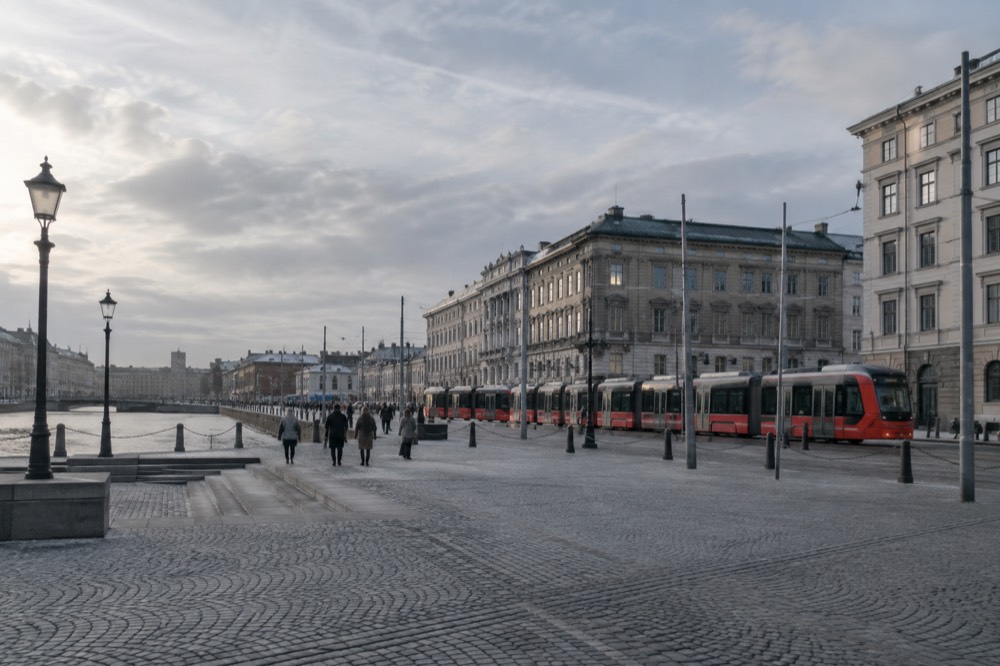
Gothenburg's most repeated must-see list has a problem: half of it is stale. The Volvo Museum at Arendal appears on page after page of search results, and it closed permanently in December 2023, a fact its own successor states plainly on its website. The old Göteborg City Card is gone too, replaced by a commercial pass with different terms. What is left, once the retired attractions are cleared away, is a compact city where the genuine must-sees are unusually concentrated and unusually cheap to reach.
The short version: the southern archipelago, Liseberg, Haga, the Göteborgs konstmuseum collection, Feskekôrka, and the canal-and-harbour waterfront. The long version, with the facts behind each, is below.
What Is the Single Must-See in Gothenburg, Sweden?
If a visitor has time for one thing only, it is the southern archipelago: the car-free islands of Styrsö, Brännö, Vrångö, Donsö, Asperö and Köpstadsö, reached by ordinary Västtrafik ferry from Saltholmen on an ordinary ticket. The islands sit inside the city's own Zone A, so a 125 kr 24-hour ticket covers the tram to the coast, the ferry over the open water, and every island in between. No other Gothenburg must-see delivers this much for the price of a day transit pass.
This is the fact that surprises people who have read about Gothenburg but never visited: the archipelago is not a day trip. It is areas of the city, the way Staten Island is part of New York. Göteborgs Stad's own planning study states that the islands of the southern archipelago are protected from car traffic, with only taxi and emergency vehicles on the roads. You ride the tram to Saltholmen, the western terminus of the network, and step onto a Västtrafik ferry with the same ticket you used in the centre. Västtrafik's own zone map shows the boat lines woven into the tram network, which is the citation worth trusting on this point.
The sea temperature data explains the timing better than any brochure. SMHI's quality-controlled archive from the Vinga lighthouse station shows the water peaks in August at 18.6 C, not July, and that September water, at 16.7 C, is actually warmer than June water at 16.2 C. A September swim off Vrångö is warmer than a June one, which is the opposite of what most visitors book. February, not January, is the coldest month in the water at 2.7 C.
Each island has a different character, and the differences matter more than the ferry ride itself. Styrsö is the largest and has the small village feel of Tången and Bratten. Brännö is the flattest and best for long walks, with a summer tradition of outdoor dancing at the old community hall. Vrångö is the most southerly, the quietest, and the one with the best swimming rocks. Donsö still has a working fishing harbour, and the smell of smoked fish near the jetty is not a tourist installation. Köpstadsö is the smallest of the set, a single ridge of houses with no roads worth the name. The question of whether the archipelago is worth visiting has its own full answer, and the practical ferry mechanics are covered in whether the ferry is free, which it is not, though an ordinary ticket covers it.
What Are the Essential Must-Sees in Central Gothenburg?
The central must-sees are Liseberg, the Haga old quarter, Götaplatsen with the art museum, Feskekôrka, and the canal route through the old moat. Haga gives you the city's wooden landshövdingehus architecture for free, Liseberg is the biggest attraction in western Sweden with roughly 2.5 million park guests in 2025, and Feskekôrka reopened in 2024 as a food hall with five restaurants rather than only fish counters. All five sit within a 30-minute walk or a short tram ride of each other.
Start in Haga, the 19th-century wooden quarter west of the centre, where the buildings follow a distinctly local rule: one floor of stone, two of wood. That building type, the landshövdingehus, exists because of an old fire regulation that banned multi-storey wooden buildings, and the workaround became the city's signature architecture. It is the neighbourhood most photographed in the city, and it costs nothing. From Haga, Skansen Kronan, one of the city's old hilltop forts, gives the classic rooftop view over the rooftops toward the harbour. The climb is short and the fort itself is spare, but the panorama over the tiled roofs and out toward the archipelago is the one locals send visitors up for.
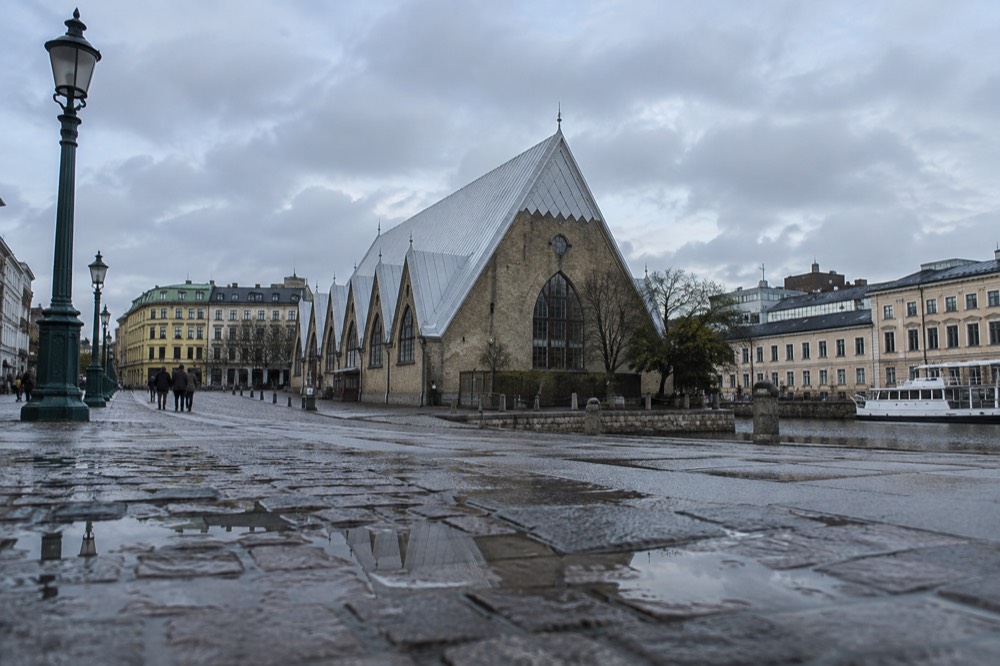
Feskekôrka, the fish-church-shaped market hall on Rosenlundsgatan, is the second essential. It reopened in 2024 after renovation, the same year the building turned 150, and it is no longer just fish counters: its own site now lists two fish sellers, Ebbes Fångst and Flåtens Fiskhandel, and five restaurants including Haldis Kök and Victor von G. Anyone still describing it as closed for renovation is working from 2020-2023 copy. It is also a working lunch stop rather than a museum piece, which is how it should be seen. What to eat there is its own subject, and what Gothenburg food is famous for covers the shrimp sandwiches and west coast seafood that make the city a food destination in its own right.
Götaplatsen and Avenyn, the city's ceremonial avenue, hold the Göteborgs konstmuseum, whose collection of around 70,000 works includes one of the world's strongest holdings of Nordic art. A day ticket is 75 kr, visitors under 20 enter free, and the Hasselblad Center is included in the same admission. One planning note that matters if your trip is later this decade: the museum's own rebuild page states it closes in 2028 and reopens in 2032, and it currently warns of intermittent blasting near the building.
Slottsskogen, the huge park west of Haga, belongs on the list for families and for anyone who wants the local version of a city park. It is free, it has a free zoo with Nordic animals, and it rolls down toward the water in a way that makes it feel bigger than its map suggests. It is the place Gothenburg families actually spend their Saturdays, which is the honest test of a must-see.
Is Liseberg a Must-See, and What Does a Ticket Actually Get You?
Liseberg is a must-see if your visit falls inside its season, but the ticket structure trips up almost everyone: the 95 kr entry ticket buys zero rides. Entry and ride passes are sold separately, so an entry-plus-unlimited-rides combination starts at 365 kr online, a ride pass alone starts at 310 kr, and children under 110 cm enter free. The park is also closed for large parts of the year, roughly from late December to mid-April, which catches winter visitors off guard.
The 2026 season runs 18 April to 20 September for the summer park, with Halloween from 2 October to 1 November and the Christmas market from 14 November to 23 December, all confirmed on liseberg.se's own ticket page. New for 2026, the Kaninlandet children's area also opens on winter weekends and school holidays, which softens the closed-season problem for families slightly. Liseberg is not sold on any booking platform, so buy from the park's own site, and buy online: the park states its on-site prices are higher.
The ride split is the detail worth repeating, because it is the single most common Liseberg mistake. Liseberg's own ticket page is explicit that the entry ticket does not include the attractions; the rides need an Åkpass. A visitor who buys the 95 kr ticket expecting a theme park day gets a pleasant garden with shops and nothing else. Evening tickets, valid from 18:00, start at 275 kr for the entry-plus-rides combination, which is the budget route for anyone who mainly wants the atmosphere and a few rides after dinner. Whether the park beats Copenhagen's Tivoli is its own argument, settled in our Liseberg versus Tivoli comparison.
Here is the must-see list with the cost basis for each, so the budget is visible at a glance:
| Must-see | What it is | Cost basis |
|---|---|---|
| Southern archipelago | Car-free islands, Västtrafik ferry from Saltholmen | 125 kr 24-hour Zone A ticket covers tram and ferry |
| Haga and Skansen Kronan | Wooden old quarter and hilltop fort viewpoint | Free |
| Feskekôrka | 1874 fish-hall building, now a food hall with five restaurants | Free to enter, pay for what you eat |
| Göteborgs konstmuseum | Nordic art collection, about 70,000 works | 75 kr day ticket, free under 20 |
| Liseberg | Amusement park, roughly 2.5 million park guests in 2025 | Entry from 95 kr, rides sold separately from 310 kr |
| Slottsskogen | Park with a free zoo | Free |
What About the Water: Canal Cruises and the Harbour?
The canal and harbour are must-see territory because Gothenburg was built inside a moat by Dutch engineers in the 17th century, and the Paddan boats and canal cruises run through that original moat under the low bridges of the old town. A 50-minute canal sightseeing cruise starts from $28 per person, the amphibious bus tour that drives into the harbour starts from $36, and the guided archipelago cruise out toward the islands starts from $44, all per person on the operators' live listings.
The water is not decoration here; it is the reason the city exists. Gothenburg sits at the mouth of the Göta älv where the river meets the Kattegat, and the shipyard cranes on the northern bank are part of the skyline, not a relic pushed out of view. The canal itself is the remnant of the defensive moat, and the sightseeing boats that run it pass so close under the old stone bridges that passengers are asked to duck. That low-bridge moment is the tourist experience of the moat, and it is the cheapest way to understand the city's shape.
The amphibious bus tour is the efficient version for a short visit: it covers the central must-sees by road and then splashes into the harbour for the water-level view, and it carries a 4.7 rating from 4,326 reviews on its listing, one of the largest review bases of any tour in the city. For a one-day visitor deciding between a canal cruise and the amphibious bus, the honest difference is scope: the canal boats show you the moat, the amphibious bus shows you the moat and the harbour and the Avenyn axis in one loop.
Should You Take a Guided Archipelago Cruise Instead of the Ferry?
If you want the islands themselves, take the Västtrafik ferry and spend the difference on lunch. If you want the water and the story without the logistics of island timetables, a guided cruise is the better buy. The 2.5-hour guided archipelago cruise runs from $44 per person and carries a 4.4 rating from 1,488 reviews, and the version with lunch included runs from $68. The ferry is transport; the cruise is commentary, and that is the honest difference.
Which Museums Are Must-Sees in Gothenburg?
The museum must-sees are Göteborgs konstmuseum for the Nordic collection, Universeum for families, and World of Volvo for anyone interested in the company that shaped the city. Universeum is open every day of the year from 10:00 to 18:00 and prices admission dynamically with a booked time slot, so there is no fixed adult price to quote. World of Volvo, the successor to the closed Arendal museum, sells exhibition tickets from 120 SEK online.
Universeum deserves its family-must-see status: the science centre's own visit pages state that all exhibitions, the rainforest hall and the aquarium are included in admission, with only the Wisdome dome shows as a separate ticket. Because entry is time-slotted and dynamically priced, busy days sell out, so book ahead rather than walking up, where the price is 30 kr higher than online. The venue is also cashless, card only, which is worth knowing before you arrive with notes.
World of Volvo, at Lyckholms Torg, opened in 2024 and is the only Volvo attraction in the city now. Its hours run Monday to Wednesday 10:00-17:00, Thursday to 19:00, and Sunday from 10:00 to 16:00, and its own site carries the plain statement that the Arendal museum closed in December 2023. The Torslanda factory tour departs from there on weekdays from 175 SEK, which is the deeper cut for Volvo enthusiasts.
What Should You Skip or Rethink on a Gothenburg Must-See List?
Skip anything that sends you to the closed Volvo Museum at Arendal, skip any advice built around the retired Göteborg City Card, and rethink the outer harbour museums if your time is under two days. The city card was replaced by a commercial pass that, unlike the old municipal card, does not include public transport, so any list claiming a card covers your trams is describing a product that no longer exists. The genuine must-sees above fill two full days on their own.
The stale-fact problem is worth understanding because it is everywhere. Search results for Gothenburg must-sees routinely mix in the Arendal museum, the old city card, and pre-2024 descriptions of Feskekôrka as closed. The pattern to check any list against is simple: does it name World of Volvo or the dead museum? Does it mention the archipelago as part of the city, or as a day trip? Does it explain Liseberg's entry-and-rides split? A list that fails those three tests was not checked.
For a sense of what else people rate and what they regret, our pieces on what Gothenburg is known for and what not to miss in Gothenburg go wider, and how many days in Gothenburg is enough settles the pacing question.
How Do You Fit the Must-Sees Into a Short Visit?
Two days is the realistic minimum for the core list: day one for the centre, covering Haga, Götaplatsen, Feskekôrka and either Liseberg or the canal, and day two for the archipelago on a 125 kr 24-hour Zone A ticket. Trying to add the museum quarter, Universeum and World of Volvo on top compresses everything, so a three-day visit absorbs the must-sees comfortably and a one-day visit forces a choice between the islands and the city.
The archipelago day is the one to protect. Ferries from Saltholmen run on Västtrafik's timetable, the islands are car-free, and a single day lets you walk Vrångö or Brännö and still be back for dinner. The mistake is treating the islands as an optional extra; most visitors who skip them and only see the centre leave with a picture of a pleasant Scandinavian city and miss the part that is unlike anywhere else in the country.
Weather planning matters less than visitors fear, but the shape of the year is worth knowing. SMHI's normals show October as the wettest month at 102.9 mm and April as the driest at 51.3 mm, and it rains on about 127 days a year, roughly one day in three. The city's rainy reputation outruns its data: SMHI does not identify Gothenburg as Sweden's rainiest city, and the national maxima sit in the western highlands and the mountains. Pack a shell jacket, do not rebook your trip.
A rough two-day budget for the must-sees themselves, using only confirmed figures:
| Item | Figure | Basis |
|---|---|---|
| 24-hour Zone A ticket | 125 kr | covers trams and archipelago ferries, adult |
| Göteborgs konstmuseum day ticket | 75 kr | free under 20 and for students with ID |
| Liseberg entry plus rides | from 365 kr online | entry alone from 95 kr, rides separate |
| World of Volvo exhibition | from 120 SEK online | family ticket 640-665 SEK |
| Universeum admission | dynamic, book a time slot | online price plus 30 kr on site |
| Haga, Slottsskogen, Skansen Kronan | 0 kr | free, all of them |
For anyone weighing the pass route: the [Go City](https://gocity.tpk.ro/HQKyKKW4) All-Inclusive pass covers 20-plus attractions over one to five days from $56 per person, and it can make sense if your list is museum-heavy. It does not cover transport, so budget the tram tickets separately.
Common Questions About Must-sees in Gothenburg
What is a must-see in Gothenburg?
The southern archipelago on an ordinary Västtrafik ticket, Liseberg inside its season, the Haga old quarter, Göteborgs konstmuseum, and Feskekôrka. If you only have one day, choose between the islands and the city centre rather than trying to force both.
Is the Volvo Museum a must-see in Gothenburg?
No, because it no longer exists. The Volvo Museum at Arendal closed permanently in December 2023. Its successor, World of Volvo, opened in 2024 at Lyckholms Torg with exhibition tickets from 120 SEK online.
Is the Gothenburg archipelago worth seeing?
Yes, and it is easier to reach than most visitors expect. The islands are part of the city in Zone A, the ferries take ordinary Västtrafik tickets, and a 125 kr 24-hour ticket covers tram and ferry together. The islands are car-free.
Is Liseberg open all year?
No. In 2026 the summer park runs 18 April to 20 September, Halloween runs 2 October to 1 November, and the Christmas market runs 14 November to 23 December. The park closes between seasons, including the whole late-winter stretch. The children's area Kaninlandet now opens on winter weekends and school holidays.
What is free in Gothenburg?
Haga, Skansen Kronan's hilltop viewpoint, Slottsskogen park with its free zoo, the archipelago islands themselves once you hold a transit ticket, and Göteborgs konstmuseum for visitors under 20 and students with ID.
How many days do you need for the Gothenburg must-sees?
Two days covers the centre plus the archipelago. Three days adds the museums and World of Volvo without rushing. One day forces a choice, and the archipelago is the thing most worth protecting.
The must-see list for Gothenburg, Sweden is short because the city is compact, but every item on it earns its place. Ride the tram to Saltholmen, take the ferry on the same ticket, eat at Feskekôrka, and check Liseberg's calendar before you book anything. That is the whole method, and it fits in a weekend. More of the reasoning behind the city's appeal is in our overview of whether Gothenburg is worth visiting, and the planning basics start with Gothenburg Travel Guide.