Gothenburg This Weekend: What's on in Sweden's West Coast City
A two-day plan for Gothenburg built on what is actually open this weekend: the trams, the car-free islands, the seasonal park calendar and the food halls, with the costs spelled out.
Short answer
Yes, a weekend is enough to see central Gothenburg and touch the archipelago: a 125 kr 24-hour Västtrafik ticket covers trams and the Saltholmen ferries, the southern islands are car-free, and Liseberg runs only between mid-April and late September plus Halloween and Christmas seasons.
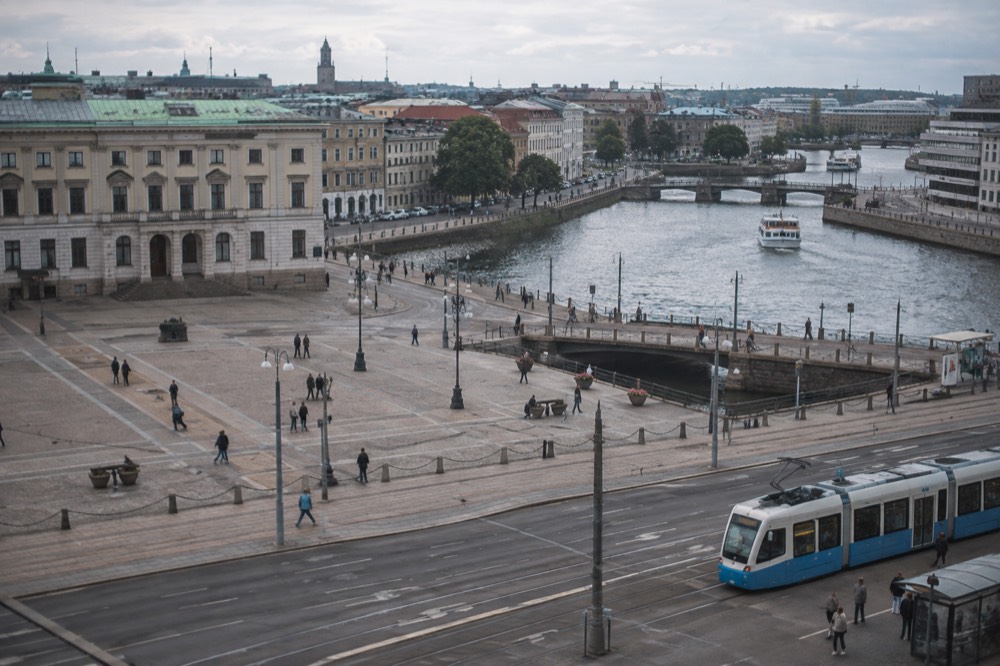
Gothenburg does not shut down at the weekend, but it changes shape. The tram network that carried 126 million journeys in 2025, according to Göteborgs Spårvägar, runs the same Saturday timetable that locals use for football and flea markets, the archipelago ferries keep sailing from Saltholmen on ordinary Västtrafik tickets, and the one thing that can quietly ruin a plan is Liseberg, which closes entirely between seasons. This guide lays out a realistic two-day structure: what is open, what is free, what needs a booking, and what the weather is statistically likely to do. It is written for Gothenburg, Sweden, the city of 613,274 people at the mouth of the Göta älv, not the small Nebraska town that shares the name.
What Is Actually on in Gothenburg This Weekend?
Gothenburg's weekend programme is built from permanent things rather than events: the tram and ferry network, Slottsskogen's free zoo, the museums, the food halls and the archipelago, all running every weekend of the year, while the big rotating attractions follow fixed seasonal calendars. Liseberg is only open mid-April to late September plus Halloween and Christmas seasons, so the park's status is the first thing to check, and the Port of Gothenburg publishes no cruise-call schedule at all.
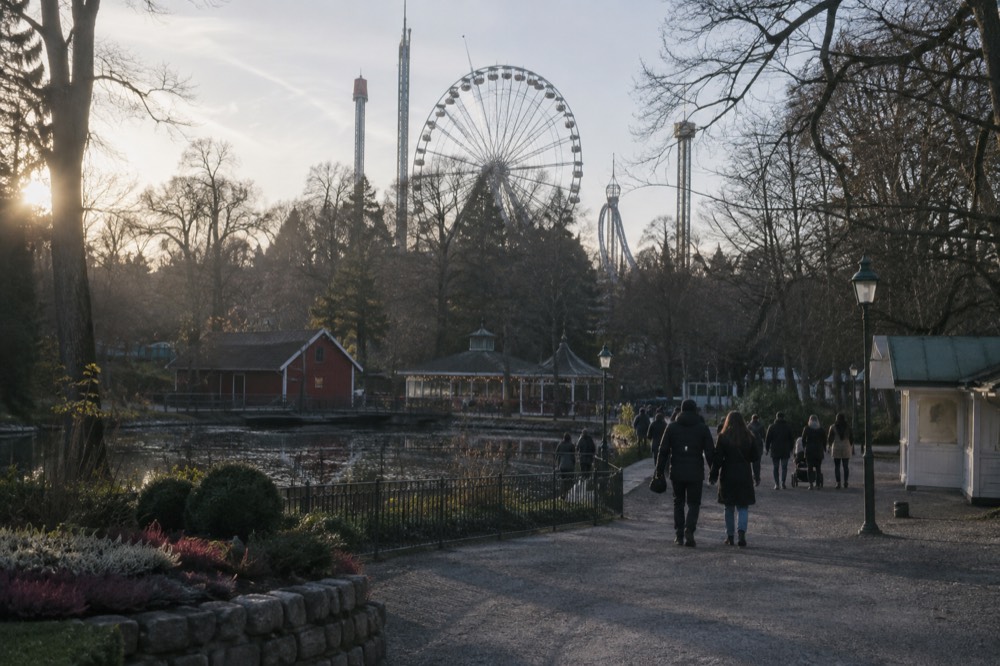
Start with the seasonal gate. Liseberg's own pages give the 2026 summer season as 18 April to 20 September, Halloween from 2 October to 1 November, and the Christmas market from 14 November to 23 December, all published on the park's own ticket page. Between those windows the biggest attraction in the city is shut, and a visitor arriving in late January finds the gates closed until spring. The museum district at Götaplatsen runs year-round, though Göteborgs konstmuseum is closed Mondays and, according to its own rebuild page, will close entirely in 2028 and reopen in 2032.
Beyond the headline attractions, the weekend rhythm is local. Saturdays bring flea markets to Majorna's second-hand quarter, the food halls fill at lunch, and the southern archipelago islands of Asperö, Brännö, Styrsö, Donsö, Vrångö and Köpstadsö are always there, a tram and a ferry away. For a fuller seasonal read, the best time to visit Gothenburg guide breaks the year down month by month.
Can You Do Gothenburg's Highlights in One Weekend?
Yes, comfortably, if the weekend is built around three anchors: the old town and canals inside the moat, the museums and viewpoints of the inner city, and one half-day on the car-free southern archipelago islands, which are legally part of Gothenburg rather than a day trip. A 125 kr 24-hour Zone A Västtrafik ticket covers every tram, bus and archipelago ferry in that plan, which makes the islands the best-value block of any Gothenburg weekend.
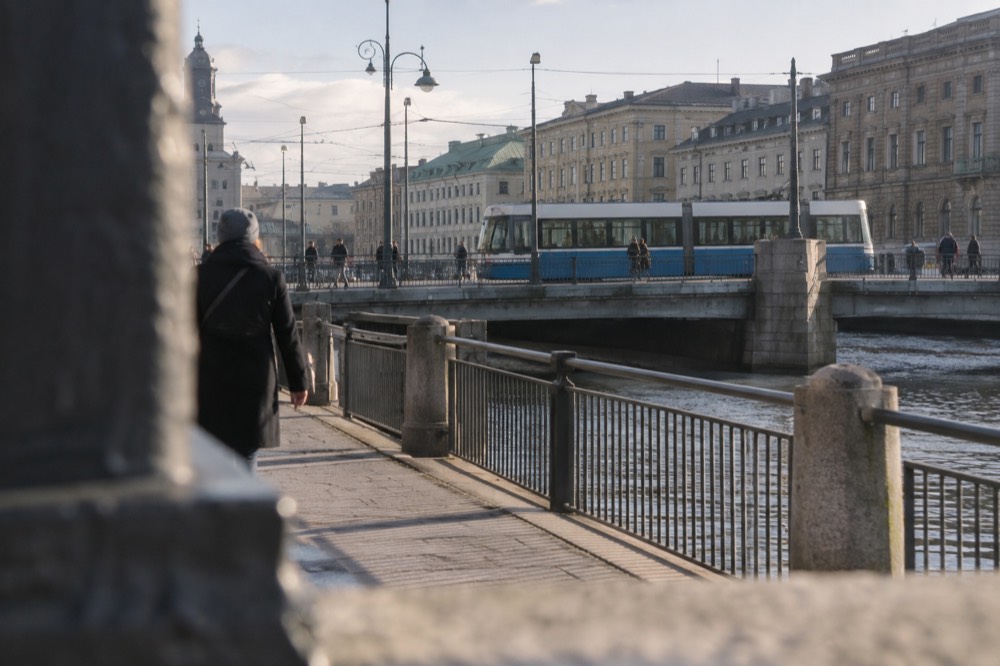
The geography helps. The Dutch-engineered old town sits inside the moat, small enough to cross on foot in half an hour, with the canal running through it. The Paddan boats depart from that canal, the Haga wooden quarter climbs the hill to Skansen Kronan, and Avenyn and Götaplatsen line up the museum district to the south. Everything else in this plan hangs off a tram stop.
The one structural decision is how much of the weekend goes to the archipelago. Västtrafik's own zone material states that you can ride "på samma biljett hela vägen från centrum ut på havet", the same ticket all the way from the centre out to sea, because the islands sit inside Zone A, as shown on the official tram, bus and boat network map. Göteborgs Stad's own planning study confirms the islands are "fredade från biltrafik", protected from car traffic, so the ferry is genuinely the only way in. The Gothenburg archipelago guide covers the island-by-island differences in depth.
If the weekend falls in the Liseberg summer window, the park deserves an evening rather than a day, and the how many days do you need in Gothenburg page helps if you are deciding between two and three days.
What Should Saturday Look Like in Gothenburg?
A strong Saturday opens in the old town and Haga in the morning, takes a boat on the canal or harbour around midday when the crowds build, spends the afternoon in the museum district or on the water, and finishes either at Liseberg in season or along the Linné and Långgatorna bar strip, with a fika stop scheduled mid-morning because that is when the cafés are at their best and the queues at their shortest.
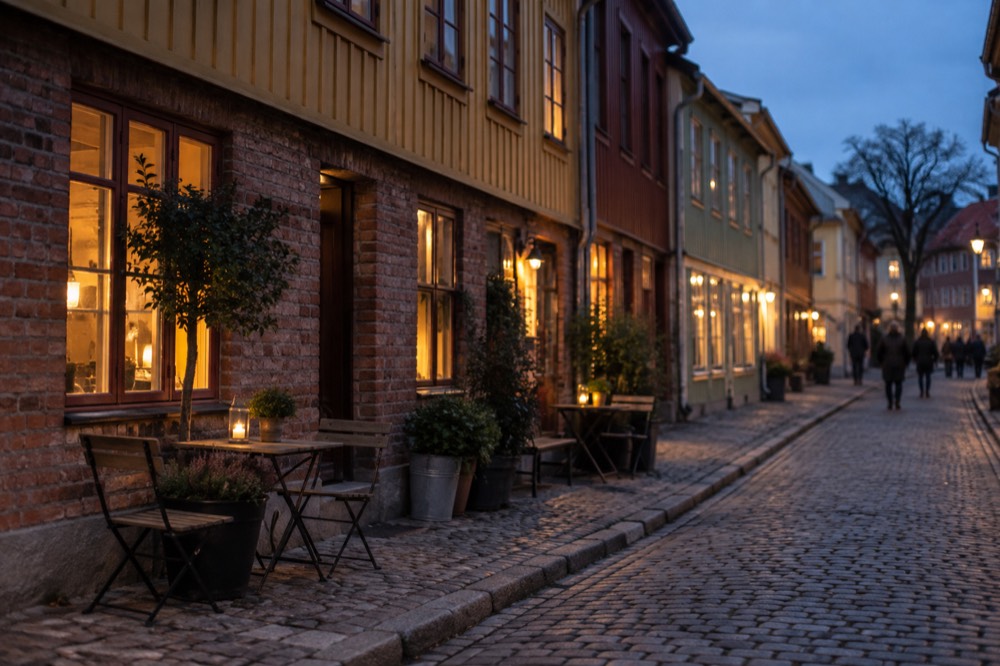
Morning belongs to the pedestrian scale of the city. Haga's painted wooden landshövdingehus, one wooden storey over stone, sit a short walk from Järntorget, and the climb to Skansen Kronan gives the defensive-hill view over the rooftops. Fika, the Swedish coffee-and-cake pause, is not optional social theatre here; it is the mid-morning default, and the fika in Gothenburg guide explains the ritual and where to keep it.
Midday is the water slot. The Paddan sightseeing cruise runs the moat canal and out onto the Göta älv, and the amphibious bus tour drives the streets and then drives into the harbour from the same departure point. Both are fixed-timetable products, so booking the time rather than wandering to the quay is the reliable play.
Afternoon splits by weather and by what is open. The Göteborg Museum of Art holds roughly 70,000 works and charges 75 kr for a day ticket, free for under-20s, closed Mondays. Universeum, the science centre, is open every day of the year from 10:00 to 18:00, but its admission is dynamically priced with a booked time slot, so there is no fixed adult price to plan against and busy days sell out. The Gothenburg museums guide ranks the full set.
Evening is a fork. In season, Liseberg's evening tickets are valid from 18:00 and priced lower than full-day entry, which suits a weekend visitor who wants the rides after dark without spending the whole day inside. Out of season, the Linné and Långgatorna strip carries the bars, and the Gothenburg nightlife guide maps the districts. One legal note that surprises visitors: above 3.5% ABV, beer, wine and spirits are sold only by Systembolaget, the state monopoly, under Alkohollag (2010:1622), so a Saturday night starts at the monopoly store or in a bar, not in a supermarket.
What Should Sunday Look Like in Gothenburg?
Sunday in Gothenburg is the archipelago day, or the slow-city day: take tram 9 or 11 to Saltholmen and the ferry to Brännö, Styrsö or Vrångö for a car-free island walk, or if the weather turns, work the indoor set of Universeum, the Museum of Art and Feskekôrka's food hall, noting that Systembolaget is closed on Sundays and many museums keep shorter hours.
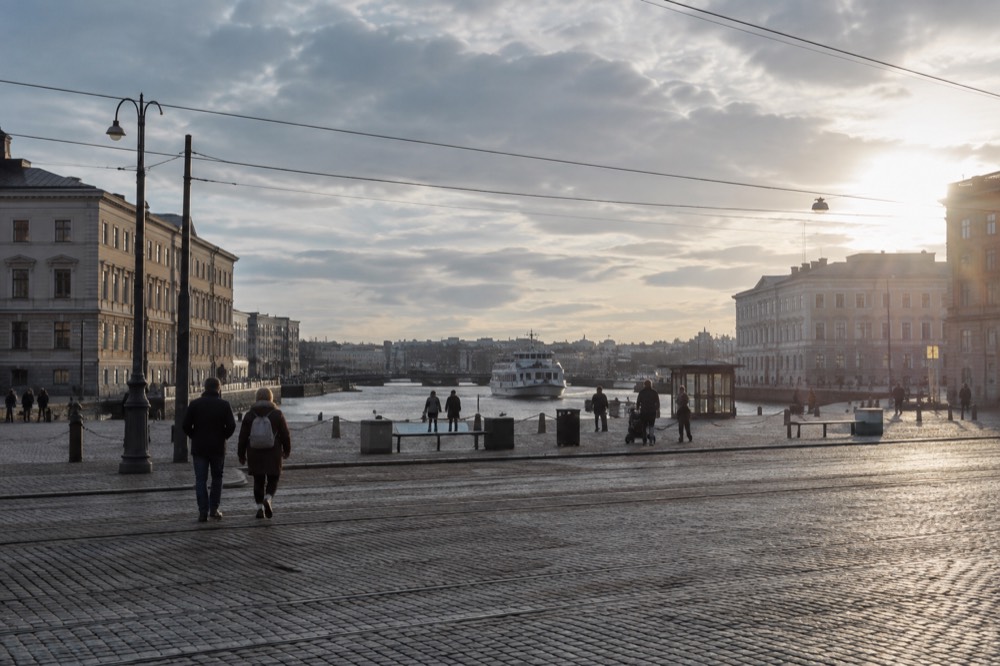
The island plan is the one locals would pick. The ferry terminal at Saltholmen is the western terminus of the tram network, so the connection is a cross-platform change rather than a journey, and the same Zone A ticket covers both legs. Brännö and Vrångö are flat, walked in a couple of hours, and swim-friendly in the warmer months. The sea temperature data is worth trusting on this: SMHI's quality-controlled observations at Vinga show the water peaks in August at 18.6 C, not July, and September's 16.7 C is warmer than June's 16.2 C, so an early-autumn Sunday swim is warmer than a midsummer one.
The wet-weather alternative is genuinely strong rather than a consolation. Universeum's rainforest hall and aquarium are included in admission, the Museum of Art includes the Hasselblad Center in its 75 kr ticket, and Feskekôrka, the fish-church-shaped market hall that reopened in 2024 after its renovation, now runs five restaurants alongside its two fish counters rather than being a wet fish market alone. The Feskekôrka guide covers what is inside.
Sunday evening closes easily. Masthuggskyrkan's viewpoint over the harbour, the best city viewpoints route, is a short tram hop, and dinner options are laid out in the where to eat in Gothenburg guide.
What Is Free This Weekend in Gothenburg?
A large share of the best of Gothenburg costs nothing: Slottsskogen's park and its free zoo, the archipelago islands themselves once you hold a tram ticket, the view from Skansen Kronan and Masthuggskyrkan, the harbour-side walks along Stora Hamnkanalen and Klippan, and free museum admission for under-20s at the Museum of Art, which makes a family weekend dramatically cheaper than the headline prices suggest.
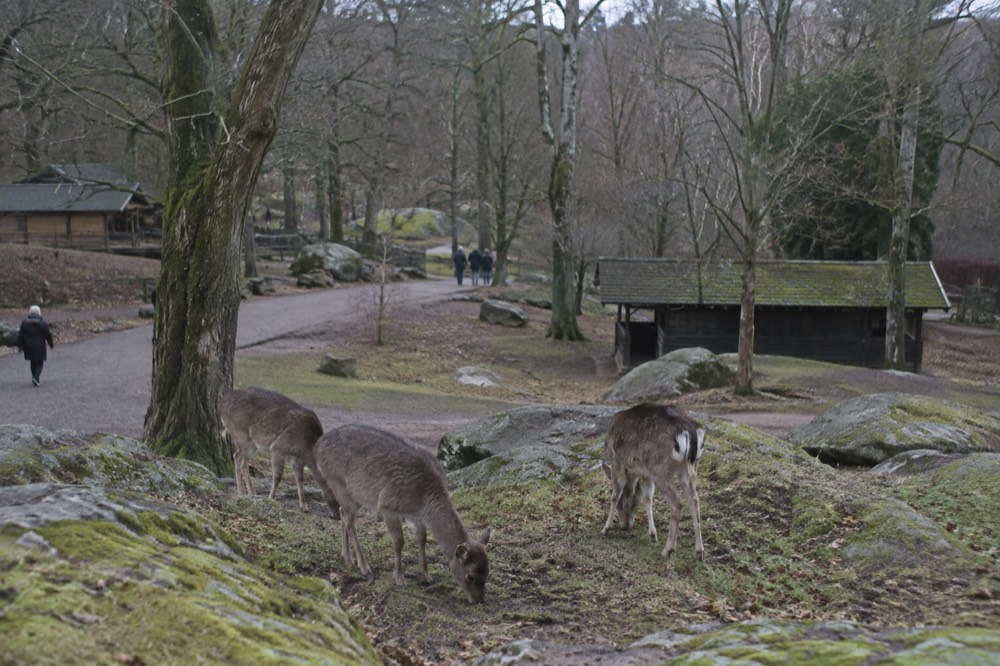
Slottsskogen is the anchor free sight. The city park's animal enclosures, including Nordic species, are open at no charge, and the park's lawns carry the weekend crowds whenever the sky cooperates. The free things to do in Gothenburg guide keeps a fuller list, and the free museums page tracks which institutions charge nothing at all.
The islands are effectively free at the margin. The ferry is a normal Västtrafik service, so once a day ticket or period ticket is held, the crossing and every island add zero extra cost. Göteborgs Stad's study confirms the islands carry no car traffic, which is why they feel like a different country rather than a suburb.
What Will the Weather Do This Weekend?
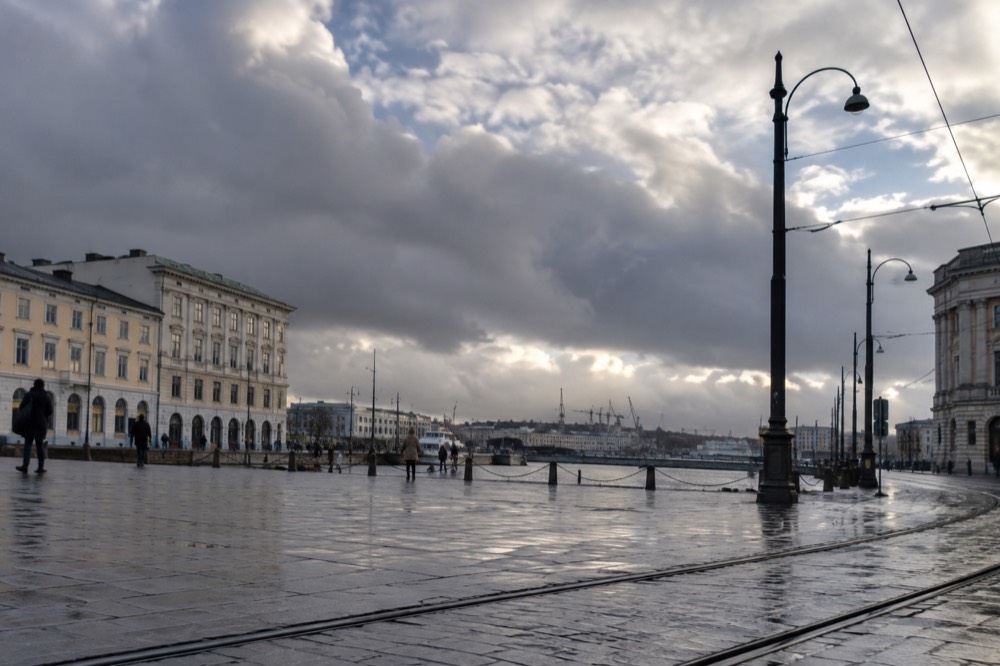
Expect around 912 mm of rain spread across the year and falling on roughly 127 days, about one day in three, with October the wettest month at 102.9 mm and April the driest at 51.3 mm, according to SMHI's 1991-2020 normals for station Göteborg A, and note that SMHI does not call Gothenburg Sweden's rainiest city, because the national maxima sit in the western highlands and the mountains, not here.
The practical reading is that rain is frequent but not constant, and it is seasonal in a specific way. The wettest month is October, after the main tourist flow has gone, and the spring window, April especially, is both the driest and the least rainy in days. Summer means peak at 18.3 C in July. Daylight swings hard: 18 hours 06 minutes on 21 June against 6 hours 32 minutes on 21 December, an 11-and-a-half-hour difference that makes a December weekend feel structurally different from a June one.
Plan the weekend with a wet-weather block ready rather than hoping. The Gothenburg on a rainy day guide exists precisely for this, and the seasonal pages, Gothenburg in winter among them, adjust the plan for the months when daylight is the scarcest resource.
What Should You Book Ahead for a Gothenburg Weekend?
Book three things in advance: a Universeum time slot, because its dynamic pricing and capped entry mean busy weekend days sell out; Liseberg tickets online, because on-site prices are higher and the park is not sold on any booking platform, only its own site; and any guided boat or walking tour with a fixed departure, while ordinary tram and ferry travel needs no booking at all.
The booking picture is uneven, and knowing which side each attraction falls on saves a weekend. Universeum sells timed entry and states that on-site admission costs the online price plus 30 kr, so the slot is both cheaper and the only guarantee of getting in. Liseberg's own price page gives online entry from 95 kr, and that ticket buys zero rides, ride passes are sold separately from 310 kr, a split that catches out every second visitor. World of Volvo, the 2024 replacement for the closed Arendal Volvo Museum, sells exhibition tickets from 120 SEK online with a stated online discount.
The tram and ferry system needs nothing but a ticket in the app or on a card. The getting around Gothenburg guide covers the fare structure, and the is Gothenburg expensive page prices the whole weekend.
Where Should You Stay for a Gothenburg Weekend?
Stay inside or just outside the moat for a two-day trip: the areas around Järntorget, Linné and Avenyn put the old town, the bar strip and the tram hub all within a short walk, while a base near Centralstation keeps the airport coach, the trains and most tram lines on the doorstep, and the islands are not a practical base for a weekend because the last ferries return early.
The trade-off is character against convenience. Vasastan's stone streets and student cafés sit between the two, Majorna is the second-hand quarter further west along the tram lines, and the where to stay in Gothenburg guide breaks the districts down properly. For a weekend specifically, the deciding factor is the evening: staying near the Linné strip or Avenyn removes the end-of-night tram calculation entirely.
Arrival logistics are simple either way. The airport coach, now branded Vy flygbussarna, runs Landvetter to Korsvägen and Göteborg Centralstation in 20 minutes as Swedavia states, and there is no rail link to Landvetter at all, so the coach or bus is the plan. The airport to city centre guide compares the options.
Common Questions About a Gothenburg Weekend
Is a weekend enough for Gothenburg?
Two days cover the old town, Haga, a museum, a boat on the canal and a half-day on the southern archipelago, because the islands sit inside the same Västtrafik Zone A ticket as the trams. A third day adds Liseberg properly or a day trip to Marstrand or the Bohuslän coast.
Is Liseberg open this weekend?
Only in its seasons. The 2026 calendar is 18 April to 20 September for summer, 2 October to 1 November for Halloween, and 14 to 23 December for the Christmas market, and the park is fully closed between those windows.
Can you visit the Gothenburg archipelago on a weekend day trip?
Yes, and it is easier than most visitors expect: tram to Saltholmen, then the ferry to Asperö, Brännö, Styrsö, Donsö, Vrångö or Köpstadsö, all covered by an ordinary Zone A ticket. The islands are car-free districts of Gothenburg, not a separate destination.
How much does a weekend in Gothenburg cost?
Transport is the cheap part: a 24-hour Zone A ticket is 125 kr and covers trams and ferries. Museum day tickets run 75 kr at the Museum of Art, Universeum is dynamically priced with a booked slot, and Liseberg entry starts at 95 kr online with rides sold separately from 310 kr.
What is free in Gothenburg on a weekend?
Slottsskogen's park and free zoo, the Skansen Kronan and Masthuggskyrkan viewpoints, the harbour walks, and free admission for under-20s at the Museum of Art. The archipelago islands cost nothing beyond the transport ticket you already hold.
Is everything closed in Gothenburg on Sunday?
No. Trams, ferries, Universeum, the Museum of Art and the food halls all run Sunday, but Systembolaget is closed on Sundays under Swedish licensing law, and some smaller shops and museums keep shorter hours, so buy anything stronger than 3.5% beer on Saturday.
The Weekend Plan, Compressed
The shape that works almost every weekend of the year: Saturday for the old town, Haga, a canal or harbour boat and the museum district, Sunday for the archipelago ferry from Saltholmen or the indoor set if it rains, evening one on Linnégatan or at Liseberg in season, all on a 125 kr day ticket, with Universeum and Liseberg booked online in advance and the Volvo Museum's former Arendal site struck off the list for good.
Here is the hour-by-hour skeleton, the version to screenshot:
| Time | Saturday | Sunday |
|---|---|---|
| Morning | Haga, fika, Skansen Kronan viewpoint | Tram 9 or 11 to Saltholmen |
| Midday | Paddan canal cruise or harbour boat | Ferry to Brännö, Styrsö or Vrångö |
| Afternoon | Museum of Art or Universeum slot | Island walk, swim if the season allows |
| Evening | Linnégatan bars, or Liseberg after 18:00 | Masthuggskyrkan viewpoint, dinner |
Two more tables to finish the planning. The first is the cost skeleton of a two-day weekend:
| Item | Cost | Notes |
|---|---|---|
| 24-hour Zone A ticket | 125 kr | Trams, buses and archipelago ferries, per Västtrafik |
| Museum of Art day ticket | 75 kr | Free under 20, closed Mondays |
| Universeum admission | Dynamic | Booked time slot, on-site costs online price plus 30 kr |
| Liseberg entry (in season) | from 95 kr | Buys no rides; Åkpass sold separately from 310 kr |
| Liseberg evening ticket | from 275 kr | Entry plus rides, valid from 18:00 |
| Paddan canal cruise | from $40 per person | Fixed departures, 2 hours |
The second is what changes by season, because the same weekend plan bends with the calendar:
| Season | Liseberg | Archipelago | Best weekend bet |
|---|---|---|---|
| Spring (Apr-May) | Opens 18 Apr | Ferry runs, sea 7-12 C | Museums plus islands, driest months |
| Summer (Jun-Aug) | Open to 20 Sep | Swimming, sea peaks 18.6 C in Aug | Park evenings plus island days |
| Autumn (Sep-Oct) | Halloween 2 Oct-1 Nov | Sea 16.7 C in Sep, still swimmable | Fika, food halls, October is wettest |
| Winter (Nov-Mar) | Christmas 14-23 Dec | Ferries run, islands quiet | Museums, Christmas market, viewpoints |
One last note on honesty in planning: the Gothenburg Travel Guide site keeps the seasonal calendars and fare pages under review, and the facts above, from Liseberg's own dates to SMHI's rainfall normals, are drawn from the primary sources rather than from the recycled guidebook claims that still send people to a Volvo Museum that closed in December 2023. Check the two live variables, Liseberg's season and your own weather forecast, and the rest of the weekend will hold together on a single tram ticket.