Is Gothenburg a Cheap City to Visit? What a Trip to Sweden's West Coast Actually Costs
Gothenburg, Sweden sits in the middle of Scandinavia's price range: cheaper than Oslo, close to Copenhagen, and with a tram-and-ferry network that keeps costs down. Here is what each part of a trip really costs.
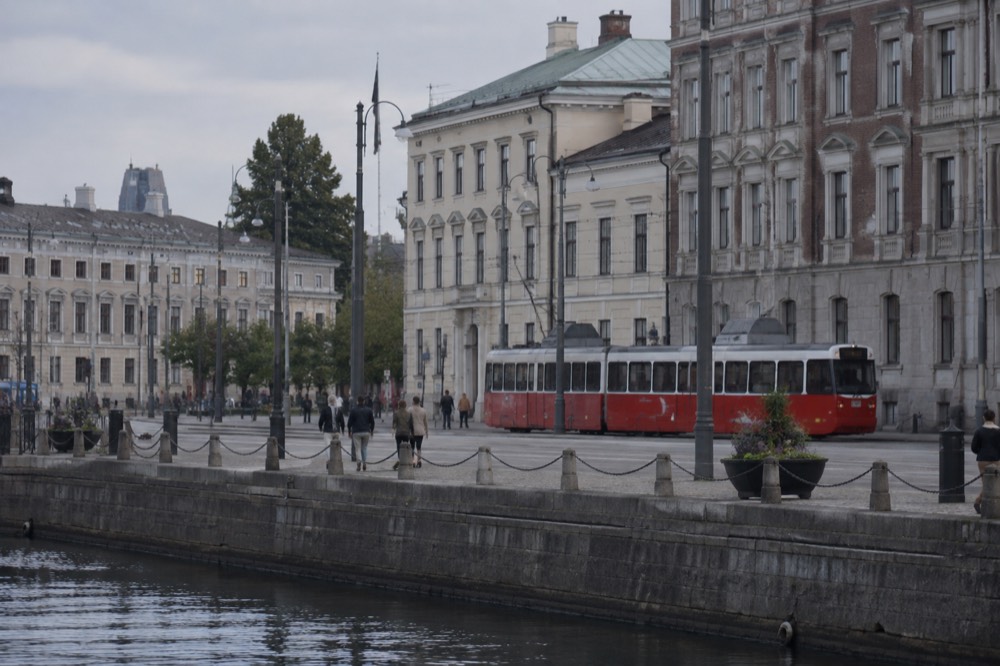
Gothenburg, Sweden's second city, has a reputation problem on both sides: some guides call it expensive because it is Scandinavian, others call it a budget alternative to Stockholm without saying what that actually means. The honest answer sits in the middle. Sweden's west-coast port is cheaper than Oslo and roughly level with Copenhagen on most day-to-day costs, and it has a structural advantage most cities its size lack: the southern archipelago islands, the parks and the tram network are all priced like local infrastructure, not like tourist attractions. Göteborg & Co reported over 6 million commercial guest nights for 2025, a record, which tells you demand is rising, but the prices below have not moved the way a tourist-town markup would suggest.
Is Gothenburg a Cheap City to Visit?
No, Gothenburg is not a cheap city by European standards, but it is the most affordable of Sweden's major cities and cheaper than Oslo. The fixed costs that hurt are accommodation and alcohol; the costs that surprise in a good way are transport, ferries and parks. A 24-hour tram ticket covering the whole city and the archipelago costs 125 kr, Slottsskogen park with its free zoo costs nothing, and the southern islands are reached on an ordinary Västtrafik ticket.
The word "cheap" needs a reference point. Against Prague or Lisbon, Gothenburg is expensive. Against the other Nordic capitals it is the softest option: Sweden's prices generally run below Norway's, and Gothenburg runs below Stockholm on hotel rates because it does not have the same capital-city premium. What makes the city feel cheaper than its price level is how much of it you can see without buying a ticket. The old town inside the moat, Haga's wooden houses, the Göta älv waterfront, Klippan's old harbour village and the viewpoints from Skansen Kronan and Masthuggskyrkan are all free to walk, and they are the substance of the city rather than a consolation prize. If you want the deeper background on what the city is actually about, read what Gothenburg is known for, and if the name itself is confusing you, Gothenburg and Göteborg are the same place.
One warning before the numbers: this is Gothenburg, Sweden, not Gothenburg, Nebraska, which is a much smaller American town that shares the name and pollutes search results with US prices. Every figure below is Swedish kronor (kr), and every one comes from the venue's or authority's own published price.
How Much Does Accommodation Cost in Gothenburg?
Hotel prices in Gothenburg are the biggest line in any budget, and they swing hard with the season and the calendar. The city passed 6 million guest nights in 2025 with international guest nights up about 15% year on year, so demand is real, and summer weekends, the Way Out West festival in August and the Christmas market period are the expensive windows. Outside those windows, mid-range hotels cost meaningfully less than their Stockholm equivalents, and hostels and the archipelago islands undercut both.
The record year matters for a specific reason: Gothenburg had the strongest guest-night growth in Sweden in 2025, and growth that fast reaches prices eventually. The practical advice is to avoid the festival weekend in August if price matters to you, and to check the calendar against the best time to visit Gothenburg before booking, because the cheap months and the grey months overlap heavily. April is the driest month of the year at 51.3 mm of rain on SMHI's 1991-2020 normals, wetter months arrive in October at 102.9 mm, and the hotel calendar follows the weather roughly in step.
Two structural savings exist. First, the tram network runs from Mölndal in the south to Angered in the north, Saltholmen in the west to Kålltorp in the east, so a hotel one or two tram stops outside the moat is a genuinely short ride from everything, not a compromise. Second, staying outside the centre and buying a 24-hour ticket can beat a central room by enough to matter on a multi-day stay. A traveller who books a room near a tram stop in Majorna or Vasastan, rides eleven minutes into the centre, and spends the difference on a proper seafood lunch is doing the arithmetic the city quietly rewards.
[Hostels](https://hostelworld.tpk.ro/KnYZhaAE) and apartment hotels fill the middle of the range, and the standard Swedish pattern applies: book early for summer, expect the softest rates in the shoulder weeks of May, early June and September, and treat the Christmas market weeks in late November and December as a second high season. The Grand Curiosa Hotel at Liseberg, opened in 2023, has added real hotel capacity to the city, which helps weekend availability even if it is not a budget option itself.
What Does Food and Drink Cost in Gothenburg?
Eating in Gothenburg follows the Swedish pattern: restaurant mains and any alcohol are the expensive parts, while supermarket food, fika and the fish halls are reasonable. Beer above 3.5% ABV, all wine and all spirits are sold only by Systembolaget, the state monopoly, so supermarket beer is the 3.5% folköl version of the brand. A sit-down dinner is the splurge; fika and market-hall counters are the savings.
The alcohol rule is the one that catches visitors. Alkohollag (2010:1622), 1 kap. 8 § defines the split exactly: beer over 2.25% but not over 3.5% ABV is folköl and sits on supermarket shelves, while anything over 3.5%, plus wine and spirits, is starköl and may only be retailed by Systembolaget. The statute is published in full on the Swedish parliament's law database. The practical effect is that the supermarket version of a familiar beer brand is often a 3.5% reformulation, which is why it tastes weaker than the label suggests. Anyone planning to buy proper beer or wine for a picnic should check a Systembolaget store's hours in advance; Sunday closing is the operative constraint, and the exact hours vary by store.
The cheap end of eating is genuinely good here. Feskekôrka, the fish-church-shaped market hall on Rosenlundsgatan, reopened in 2024 as a food hall with two fish counters and five restaurants after its renovation, and it is the city's best answer to an affordable seafood lunch. Saluhallen, the older market hall, does the same job for cheese, bread and charcuterie. Fika, the Swedish coffee-and-bun institution, is the cheapest legitimate meal in the country: a coffee and a kanelbullar at a neighbourhood café costs a fraction of a restaurant lunch, and it is a social institution rather than a snack, which what fika means in Sweden unpacks properly.
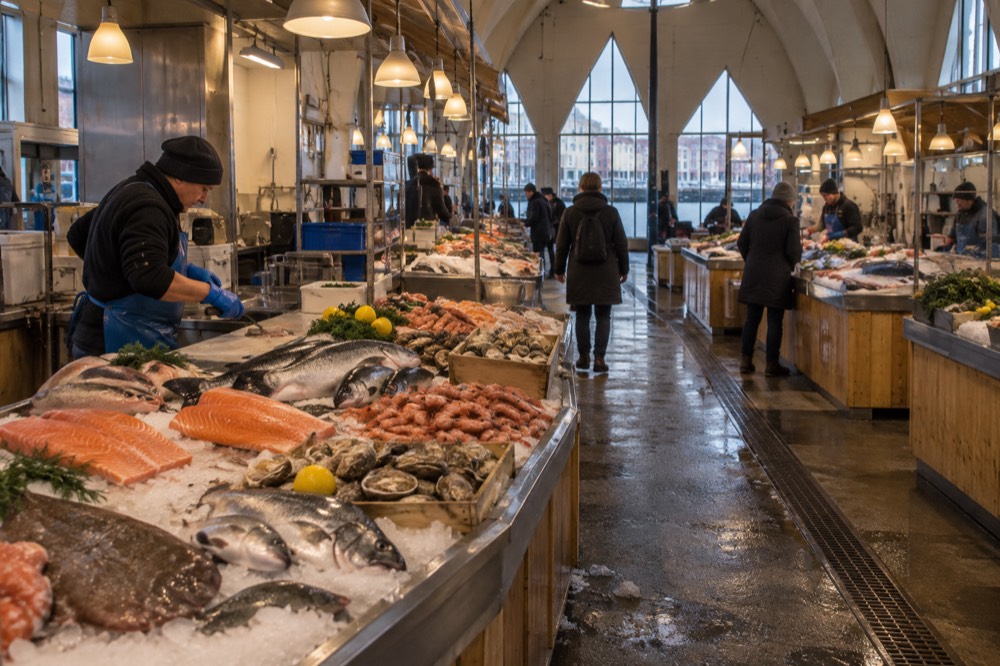
Restaurant pricing follows a predictable ladder. Lunch is the deal: Swedish dagens lunch, the weekday set lunch with salad bar, bread and coffee included, is a fixed mid-range price across most of the city and is what office workers eat. Dinner mains run roughly double a lunch plate for the same food. The classic local dishes, the shrimp sandwich, the salmon, the west-coast fish soup, are mid-priced rather than luxury items in the right places, and the market halls serve them at counter prices instead of table prices. For the food background, what food Gothenburg is famous for covers the west-coast seafood tradition in detail.
Is Public Transport in Gothenburg Cheap?
Yes, and it is the single biggest reason a Gothenburg trip costs less than it looks on paper. A single adult ticket in one zone costs 38 kr, a 24-hour Zone A ticket costs 125 kr, and that same Zone A ticket covers the trams, the buses and the ferries to the car-free southern archipelago islands, because Västtrafik runs the boats as ordinary lines. A visitor who buys one 125 kr ticket gets a full day of tram and island ferry travel.
The zone structure is simple and worth understanding. Zone A covers Göteborg, Partille, Mölndal and Öckerö, which means the entire city plus the southern islands sit inside one zone. Västtrafik's own network map shows the archipelago ferry lines from Saltholmen carrying ordinary line numbers, and the islands, Asperö, Brännö, Styrsö, Donsö, Vrångö and Köpstadsö, are reached on the same ticket you used to reach the tram terminus. There is no tourist ferry surcharge because these are not tourist ferries; they are the commute. Whether the ferry in Gothenburg is free is a separate question with a precise answer: no, it is not free, but it is covered by the ordinary ticket rather than priced separately.
One nuance that a careless draft would get wrong: Västtrafik's 30-day period tickets are currently halved by a temporary state subsidy, Zone A adult from 890 kr down to 445 kr, but that subsidy does not apply to the 24-hour and 72-hour day tickets a visitor actually buys. The 24-hour Zone A ticket is still 125 kr. Do not read a headline about half-price transport and plan around it for a weekend trip. The rest of the planning pages sit on Gothenburg Travel Guide.
The trams themselves are the sightseeing you get for free. Göteborgs Spårvägar reports 126 million journeys in 2025 across a network of 12 lines, 134 stops and 188 km of single track, and the network's western terminus is Saltholmen, the archipelago boat terminal, so the ride to the sea is part of the same system. If you want the paid version of the same view, the amphibious bus and the canal boats below do it with commentary.
Are Gothenburg's Attractions Free or Paid?
Gothenburg splits unusually evenly: the parks and viewpoints are free, the big museums charge modest Swedish prices, and the one major paid attraction, Liseberg, sells entry and rides separately, with entry from 95 kr that includes zero rides. Slottsskogen park and its zoo are free to enter, the Botanical Garden asks a voluntary contribution rather than a fixed ticket, and Göteborgs konstmuseum charges 75 kr but is scheduled to close in 2028 and reopen in 2032, with blasting already happening on the site.
The free tier is not filler. Slottsskogen is a large central park with a free animal enclosures section, including Nordic species, and it is the kind of attraction other cities put behind a gate. The viewpoints, Skansen Kronan's hilltop fort, Masthuggskyrkan's church steps, Ramberget on Hisingen, cost nothing and deliver the skyline. Göteborgs konstmuseum is worth its 75 kr day ticket while it is open, and it is free for visitors under 20 and for students, but plan around the announced 2028 closure for its rebuild; the museum's own site warns of intermittent blasting near the building even now, so it should never be written up as a straightforward visit.
Liseberg is the budget trap, and it is a pricing structure rather than a price. The park's own ticket page sells Entré from 95 kr, which gets you through the gate and onto nothing; the ride pass (Åkpass) is sold separately from 310 kr, and the combined entry-and-rides ticket starts at 365 kr online. Children under 110 cm enter free. The park also keeps an irregular calendar: in 2026 it runs summer from 18 April to 20 September, Halloween from 2 October to 1 November, and the Christmas market from 14 November to 23 December, closing between seasons. Arriving in late January or early March means finding the biggest attraction in the city shut. Is Liseberg worth visiting covers the value question in detail.
The Volvo question has a stale-fact warning attached. The old Volvo Museum at Arendal closed permanently in December 2023; its successor, World of Volvo, opened in 2024 at Lyckholms Torg and sells exhibition tickets from 120 kr online. Any guide still sending you to Gustaf Larsons Väg is sending you to a closed building.
Universeum, the science centre, is the one attraction with no quotable price at all: it sells dynamically priced timed tickets, with the on-site price set at the online price plus 30 kr, and it is open every day of the year from 10:00 to 18:00. The practical budget advice is to book online rather than walk up, because the walk-up premium is fixed and avoidable.
How Do You Keep a Gothenburg Trip Genuinely Cheap?
The working budget strategy is to buy the 125 kr day ticket, sleep one tram stop out from the centre, eat fika and market-hall food instead of restaurant dinners, and spend the sightseeing hours on the free parks, viewpoints and islands rather than ticketed attractions. The tip-based free walking tours, run through GuruWalk, cost nothing upfront and are the cheapest guided introduction available, and the archipelago islands on an ordinary ticket are the best-value day out in the region.
The free walks deserve the honesty note. The Majorna district walk, the hidden-corners walk and the history-culture-gastronomy walk are all listed on GuruWalk, they are free and tip based rather than this site's products, and they are led by independent local guides. The Majorna walk, which covers the second-hand-shop district west of the centre, runs about an hour and a half and carries a 4.77 rating from 234 reviews on its GuruWalk listing. Note that one of the four free walks in the city is Spanish only; the three English-language ones are the ones to offer an English reader.
Beyond the walks, the savings stack like this:
| Cost area | The cheap move | What it costs |
|---|---|---|
| Transport | 24-hour Zone A ticket, tram plus archipelago ferries | 125 kr |
| Island day | Ferry to Brännö, Styrsö or Vrångö on the same ticket | Included in the ticket |
| Lunch | Fika (coffee and bun) or Feskekôrka food-hall counter | A few dollars |
| Parks | Slottsskogen with free animal enclosures | Free |
| Viewpoints | Skansen Kronan, Masthuggskyrkan, Ramberget | Free |
| Guided intro | Tip-based free walking tour via GuruWalk | Free, tip the guide |
| Museum | Göteborgs konstmuseum day ticket, free under 20 | 75 kr |
The archipelago deserves the last word on value. The islands are areas of Gothenburg, not day trips, and the car ban on them, confirmed in Göteborgs Stad's own study, means the ferry is the only traffic. A September visit is warmer for swimming than most visitors expect: SMHI's quality-controlled sea-temperature record from the Vinga station shows the water peaks in August at 18.6 C, and September's 16.7 C is warmer than June's 16.2 C. Whether it is worth visiting the Gothenburg archipelago is really a question of weather windows, and the answer is better in early autumn than the summer-booking instinct suggests.
Put together, the arithmetic of a cheap Gothenburg day looks like this: 125 kr for unlimited tram and ferry travel, a fika stop and a market-hall lunch instead of a restaurant dinner, an afternoon on a free island or in Slottsskogen, and a viewpoint at sunset. That day costs less than a single dinner in many European capitals, and it is not a stripped-down version of the city. It is the version locals live. The expensive Gothenburg, the tasting menus, the cocktail bars, the design hotels, exists on top of that structure, and you can step into it selectively rather than living in it for the whole trip.
Common Questions About Gothenburg Trip Costs
Is Gothenburg a cheap city to visit?
Not by European standards, but it is the most affordable of Sweden's major cities and cheaper than Oslo. Transport is unusually cheap for Scandinavia, the parks and viewpoints are free, and the archipelago ferries run on ordinary tram tickets.
Is Gothenburg cheaper than Stockholm?
Generally yes, mainly on accommodation. Gothenburg does not carry the capital-city hotel premium, and its eating and transport costs are level with or slightly below Stockholm's.
How much is a day of transport in Gothenburg?
A 24-hour Zone A ticket costs 125 kr and covers trams, buses and the southern archipelago ferries. A single one-zone adult ticket costs 38 kr.
Is alcohol expensive in Gothenburg?
Yes. Anything above 3.5% ABV, plus all wine and spirits, is sold only through Systembolaget, the state monopoly, and bar prices reflect that. Supermarket beer is the 3.5% folköl version.
What is free in Gothenburg?
Slottsskogen park and its animal enclosures, the Botanical Garden's voluntary-contribution entry, the Haga and Klippan quarters, the waterfront, the hilltop viewpoints, and the tip-based walking tours listed on GuruWalk.
Is Liseberg expensive?
Entry starts at 95 kr online but includes no rides; the ride pass is a separate purchase from 310 kr, and the combined ticket starts at 365 kr. The park also closes between seasons, so check the calendar before planning around it.