Gothenburg Culture Festival: What It Is, When It Runs and How to Do It Well
Gothenburg's Culture Festival, Kulturkalas, takes over the city centre each August with free stages, street food and museum late openings, and it sits on top of one of Europe's best tram networks, so the whole thing costs less than visitors expect.
Short answer
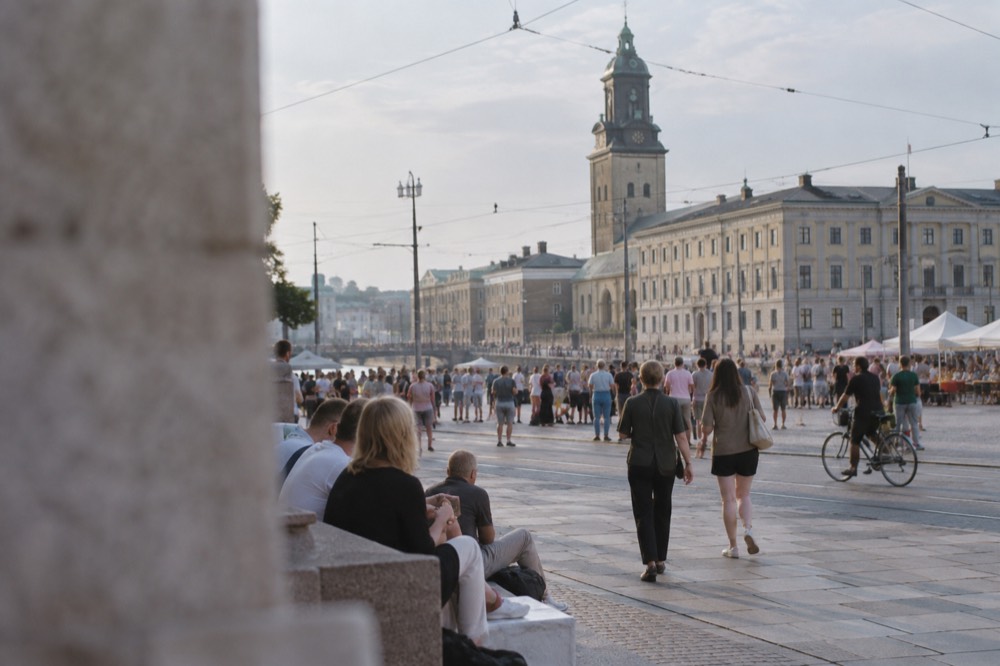
The Gothenburg Culture Festival (Kulturkalas) is a free, city-centre arts festival held over several days in August. Stages and installations spread along Avenyn, at Götaplatsen and down towards the harbour, and ordinary Västtrafik tram tickets cover all of it.
Gothenburg's Culture Festival, Kulturkalas in Swedish, is the week each August when the city stops pretending to be modest. The main stages go up along Avenyn and around Götaplatsen, museum doors stay open late, and the whole programme is built around a simple idea: the arts should cost nothing to stand in front of. Göteborgs Stad runs the event, and the stages, installations and performance slots are free to the public, with food stalls and a few ticketed indoor events around the edges. For a city of 613,274 people that logged over six million commercial guest nights in 2025, a record year according to Göteborg & Co, the festival is the peak of the visitor calendar alongside a summer when the sea itself hits its warmest temperatures.
The festival rewards a visitor who understands the geography. The venues sit inside a walkable core bounded by Götaplatsen in the south, the canal and harbour in the north, and the stone streets of Vasastan to the west. Everything else, the archipelago ferries, Liseberg's summer season, the food halls, connects by tram on an ordinary ticket. This guide covers what the festival is, where the stages are, what the whole thing costs, how to move between venues, where to eat and sleep, and what the August weather actually does, because the sea temperature data for this coast surprises almost everyone who books.
What Is the Gothenburg Culture Festival in Gothenburg, Sweden?
The Gothenburg Culture Festival, Kulturkalas, is Göteborgs Stad's free city festival of music, theatre, dance, literature and street performance, staged over several days each August across central Gothenburg, Sweden. The outdoor programme costs nothing to attend, the stages sit along Avenyn and around Götaplatsen, and the full schedule is published on the festival's official programme pages each year, so dates and line-ups should always be checked there rather than assumed.
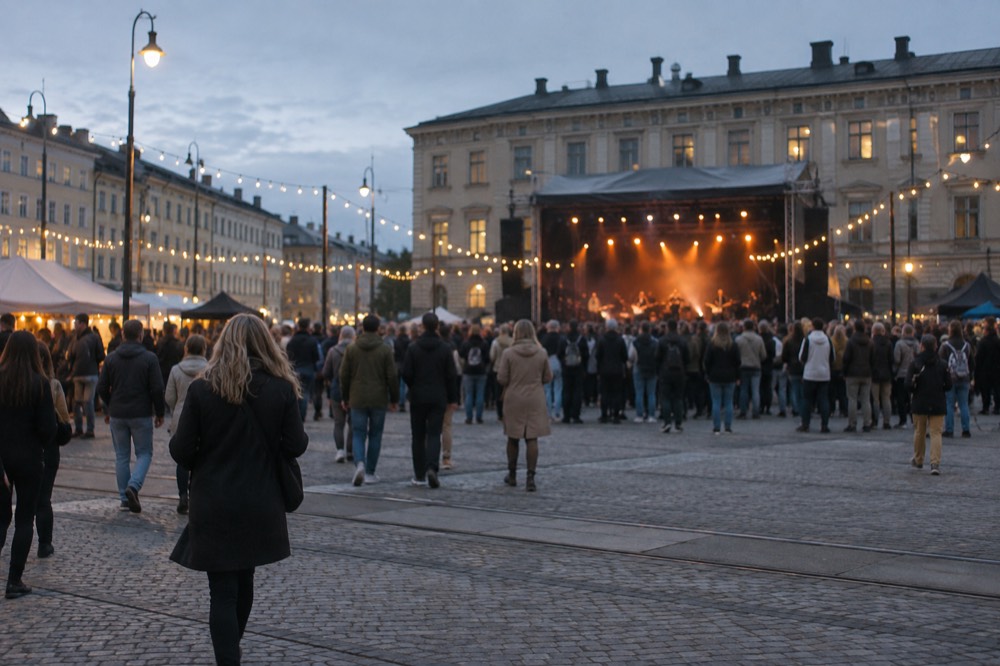
The festival's identity is "for the city, in the city." Where many European festivals push audiences to a field or a ticketed arena, Kulturkalas puts its stages where people already are: the wide avenue of Avenyn, the steps below the art museum at Götaplatsen, the harbour edges, and smaller squares in between. The programme mixes Swedish pop headliners with orchestral performances, folk music, stand-up, dance, author talks and children's events, and the city's cultural institutions run late openings and free entry tie-ins during the festival window.
Two things make it unusually good value for a visitor. First, the headline outdoor programme is free, so the main cost of attending is accommodation and food, not tickets. Second, the festival sits on top of a transport system where a single Zone A day ticket covers the trams and the archipelago ferries alike, which turns an afternoon of festival stages into an evening on a car-free island without buying anything further. Göteborgs Stad publishes each year's dates, stage map and programme on the official festival pages, and those are the only source worth trusting for the current line-up.
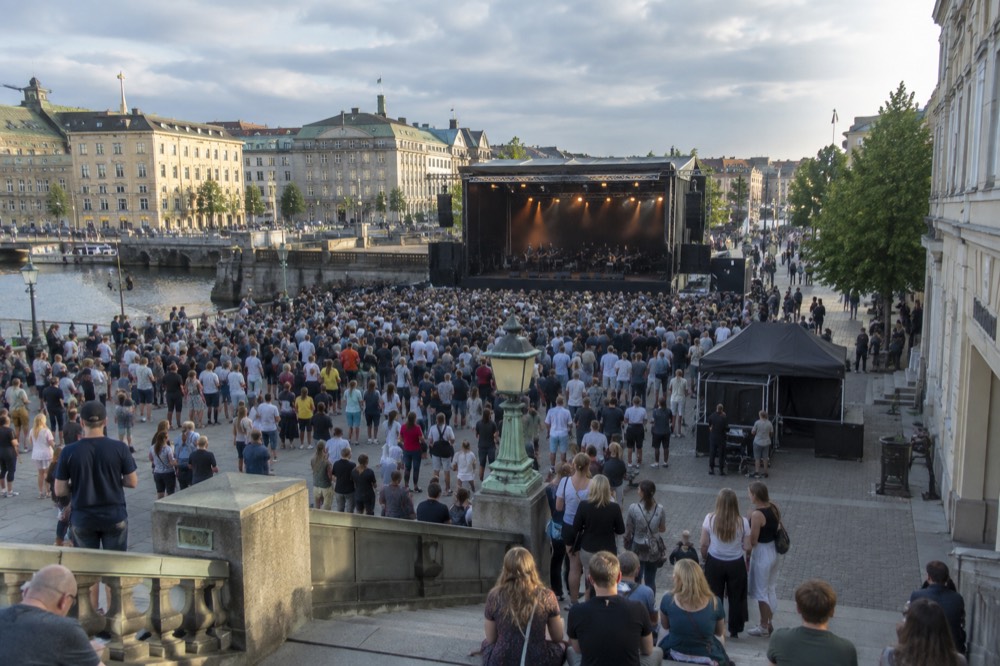
The timing is not an accident. August is when Gothenburg's sea temperature peaks, when the daylight still runs long past most people's dinner, and when the city's own tourism numbers crest. It is also, statistically, a wetter month than July: SMHI's 1991-2020 normals for station Göteborg A record 92.8 mm of rain in August against 81.3 mm in July, spread over 11.9 days with at least 1 mm. The festival carries on through that, because it always has. Rain is a scheduled variable here, not a cancellation trigger.
Where Do the Gothenburg Culture Festival Stages and Venues Sit?
The festival's core runs along Avenyn, Gothenburg's main avenue, and clusters at Götaplatsen, the plaza with the art museum and concert hall at its head, with satellite stages and installations reaching down towards Kungsportsplatsen, the canal district and the harbour. Everything in this zone is walkable, roughly fifteen to twenty minutes end to end, and the whole spine is served by tram stops at either end and along the cross streets.
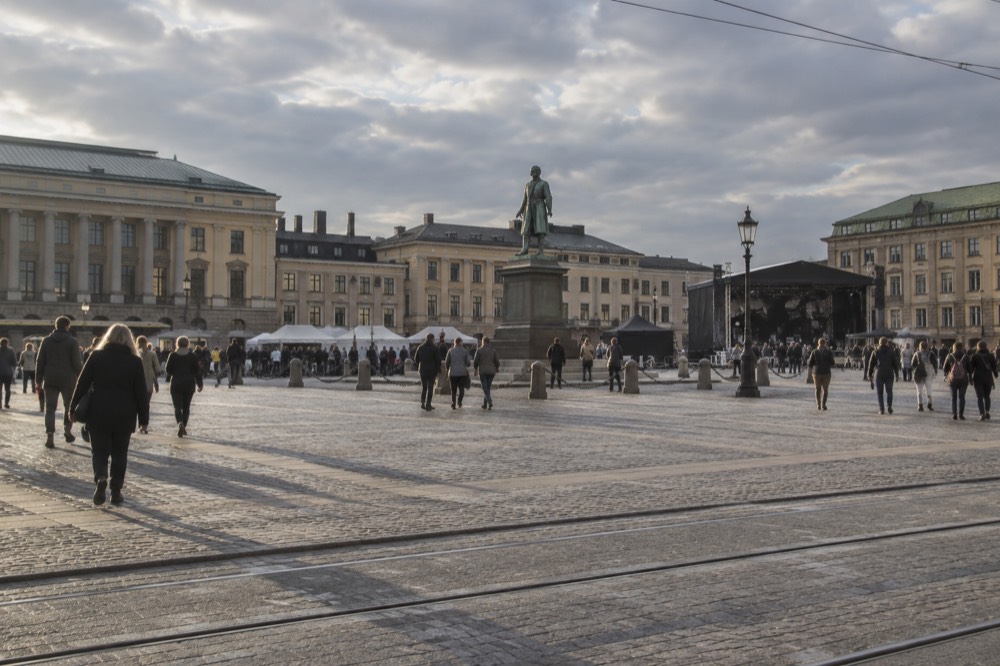
Avenyn is the artery. Göteborgs Stad closes sections of it to traffic during the festival, and the stages, food trucks and crowd flow take over the wide roadway. Götaplatsen, with the Poseidon statue at its centre and Göteborgs konstmuseum behind, acts as the formal head of the festival: it is where the bigger performances and the more ceremonial moments happen. From there the programme spreads north and west, with venues in the theatre district, along the canal, and in institutions like the city museum and the concert hall.
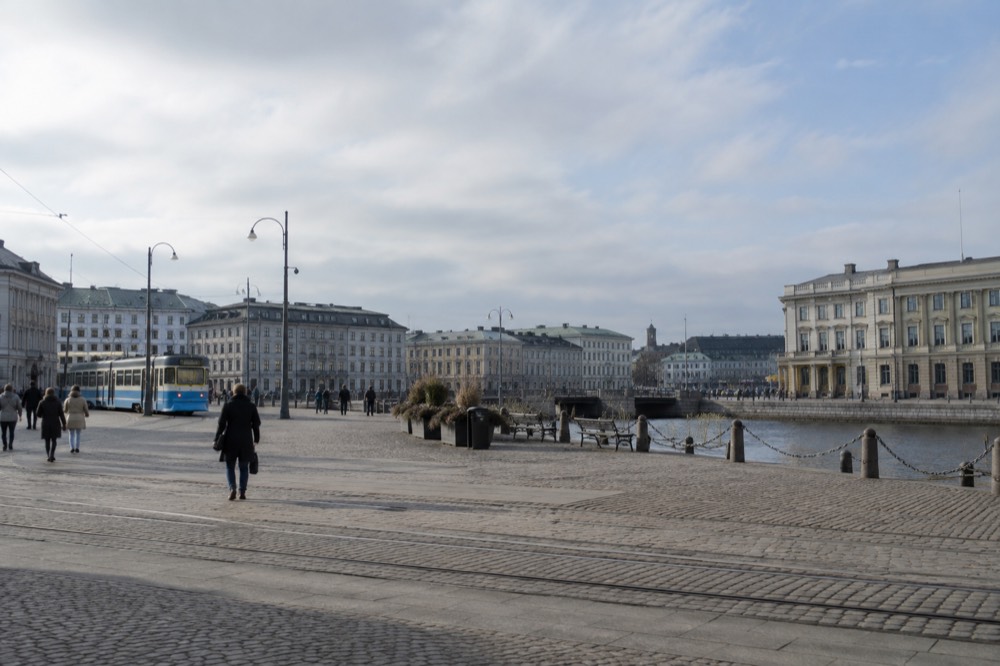
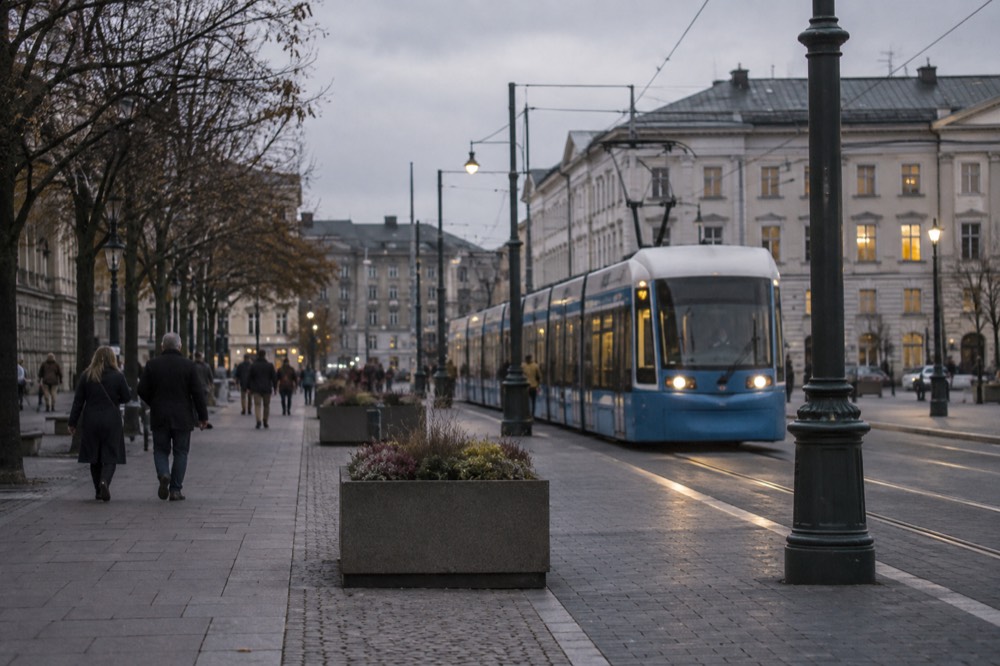
The layout matters for planning. A visitor staying near the Centralstation can walk to the northern stages in under twenty minutes, and a visitor staying on Avenyn is already inside the festival. The tram network stitches the rest together: Göteborgs Spårvägar's own annual report describes twelve lines, 134 stops and 188 km of single track running from Mölndal in the south to Angered in the north, Saltholmen in the west to Kålltorp in the east, and across the bridge to Hisingen. Saltholmen, the western terminus, is the archipelago ferry terminal, which is why so many festival afternoons end on a boat.
If you want the ground-level version of these streets before the stages go up, a guided walk does the job better than a map does. The city's own history is in the details: Dutch engineers laid out the old town inside a moat, the shipyard cranes still stand on the river, and the painted wooden landshövdingehus of Majorna are a five-minute tram ride from the main stage. The tours below cover that ground, and one of them, the History, Culture and Local Flavors walk, is built almost exactly for festival week.
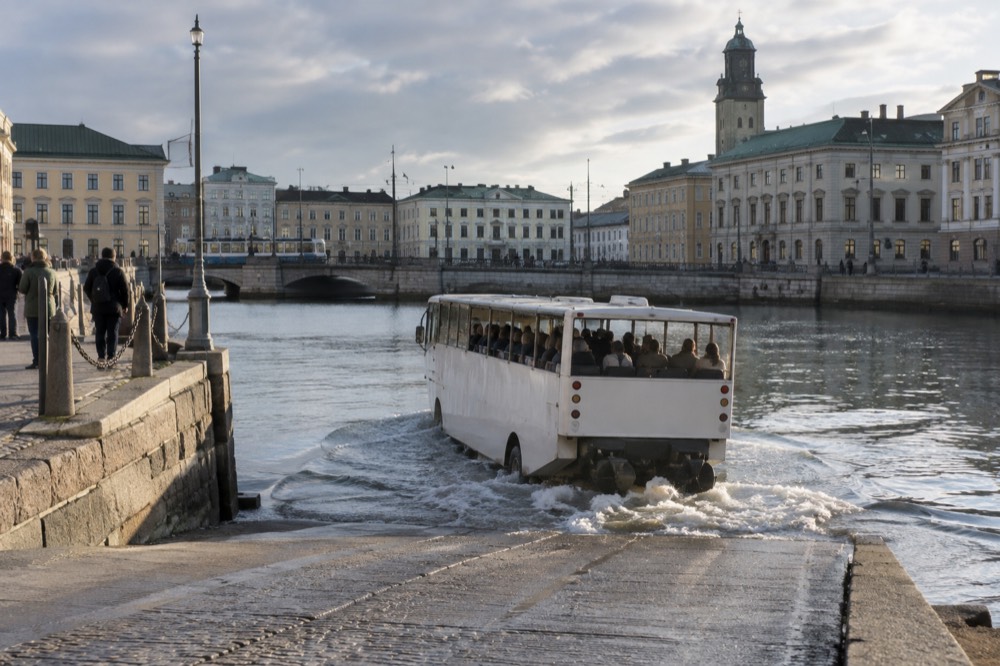
Choosing between them comes down to pace. The amphibious bus covers the harbour and the street grid in an hour, the archipelago cruise takes the sea view, and the walking tour goes deepest into the districts the festival spills across. All three depart from or near the festival zone, so none of them costs a festival evening.
The walking-tour option deserves a word because festival week is when the city's story is most visible. The History, Culture and Local Flavors walk, from $34 per person and rated 4.9 from 11 reviews on the operator's listing, runs two hours through the districts the festival spills into. For a first evening in town, before the programme starts in earnest, it sets the stage in the literal sense: you learn which square is which before the crowds arrive.
How Much Does the Gothenburg Culture Festival Cost to Attend?
The outdoor festival programme in Gothenburg, Sweden is free to attend: the stages along Avenyn and at Götaplatsen charge no entry, and the city's museums and institutions run free or discounted tie-in events during the festival. A visitor's real costs are accommodation, food and transport, and transport is cheap here, with a Västtrafik 24-hour Zone A ticket at 125 kr covering trams, buses and the archipelago ferries on the same ticket.
The free headline programme is the festival's founding principle, and it holds. What sits around it is where the money goes. Food stalls line the avenue and the price level is standard city-centre Gothenburg, not festival-inflated, but the stalls are also the busiest tables in town. The museums are the quiet arbitrage: several run free or reduced entry during the festival window, and Göteborgs konstmuseum, whose Dagsbiljett is 75 kr with free entry for everyone under 20 and for students, is close enough to Götaplatsen that a rain gap in the programme becomes a museum hour. Note the long-term caveat: the museum's own rebuild page states it closes in 2028 and reopens in 2032, so enjoy the building while it is open.
Transport is the other controllable cost. Västtrafik's fare table shows a single Zone A adult ticket at 38 kr and a 24-hour Zone A ticket at 125 kr, the same price in the app or at a shop, and Zone A covers not just the city but Partille, Mölndal and Öckerö. The 24-hour ticket is the festival visitor's default. There is a temporary state subsidy halving every 30-day period ticket this year, Zone A adult 890 kr down to 445 kr, but that does not apply to the 24-hour and 72-hour day tickets visitors actually buy, so do not plan around a discount that is not yours.
| Cost item | Typical figure | Notes |
|---|---|---|
| Festival outdoor stages | Free | Headline programme, no tickets |
| Museum tie-in events | Free or reduced | Check each museum's festival page |
| Västtrafik single, 1 zone, adult | 38 kr | Västtrafik fare table |
| Västtrafik 24-hour, Zone A | 125 kr | Covers trams, buses and archipelago ferries |
| Göteborgs konstmuseum day ticket | 75 kr | Free under 20 and for students |
| Festival food stalls | Standard city prices | Busiest tables during peak hours |
For a wider budget picture, including what a full trip to the city runs, the is Gothenburg expensive guide breaks down hotel, food and transport costs, and the free things to do in Gothenburg guide shows how much of the city needs no ticket at all, festival week or otherwise.
How Do You Get Around Gothenburg During the Festival?
You get around Gothenburg during the Culture Festival by tram, on an ordinary Västtrafik ticket, because the festival spine along Avenyn is served by multiple tram lines and the whole network runs on a simple zone system in which a single Zone A ticket covers the city centre, the harbour and the southern archipelago ferries from Saltholmen. There is no festival shuttle, no special fare and no need for one.
The tram is the backbone. Göteborgs Spårvägar reported 126 million journeys in 2025, and the network's reach means almost no festival venue is more than a short ride from any hotel district. Payment is by app, card or ticket machine before boarding; you do not tap out, because fares are zonal, not distance-measured. The practical festival pattern is simple: tram to Korsvägen or Götaplatsen for the main stages, tram to Brunnsparken or Kungsportsplatsen for the canal-side and old town venues, and tram 9 or 11 out to Saltholmen if the evening ends on the water.
The archipelago connection is the fact most visitors still do not believe. Västtrafik's own network map shows the southern archipelago boats as part of the tram-and-bus system, and the islands sit inside Zone A, so the 125 kr day ticket that carried you to the stages also carries you out onto the sea. Styrsö, Brännö, Donsö, Vrångö, Asperö and Köpstadsö are all areas of the city of Gothenburg, not day trips, and all are car-free: Göteborgs Stad's own study states the islands are "fredade från biltrafik," protected from car traffic, with only taxi and emergency exceptions. A festival afternoon can genuinely end with a swim off Brännö on the same ticket you bought at breakfast.
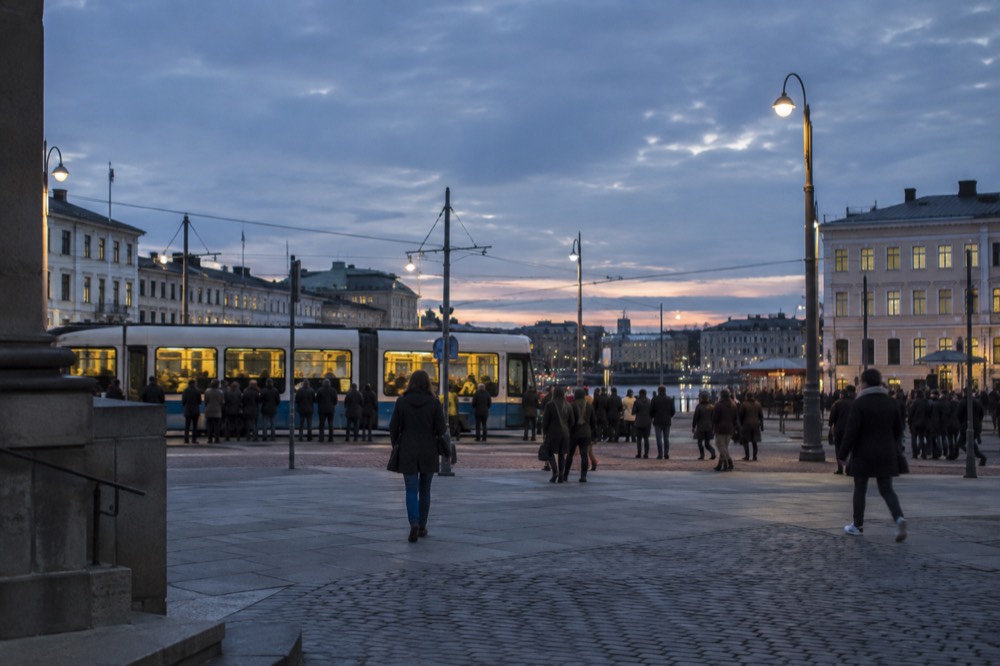
The fare and zone mechanics are covered in detail in the getting around Gothenburg guide, and the island-hopping side is covered in the Gothenburg archipelago guide. The one number worth memorising for festival week is 125 kr, the 24-hour Zone A ticket, per Västtrafik's own ticket page.
For visitors who want the water without the open sea, the canal boats run from the harbour side of the festival zone. The 50-minute canal sightseeing cruise, from $28 per person and rated 4.7 from 783 reviews on the listing, threads the moat the Dutch engineers dug, which is the same moat that defines the old town the festival spills into. It is a good rain-gap filler, and August supplies those.
Where Should You Eat During the Gothenburg Culture Festival?
You should eat during the Gothenburg Culture Festival by mixing the festival's own street-food stalls along Avenyn with the city's permanent food infrastructure: Feskekôrka, the reopened fish-church food hall on Rosenlundsgatan, the Saluhallen market hall, and the café strips of Vasastan and Linné, all of which sit within a short walk or one tram ride of the festival stages. The stalls are for convenience, the food halls are for the meals worth planning around.
Feskekôrka is the headline. The building, erected in 1874, reopened in 2024 after renovation as a food hall rather than the pure fish market of older guidebooks, and its own site now lists two fish counters, Ebbes Fångst and Flåtens Fiskhandel, alongside five restaurants: Haldis Kök, Pråmenaden, Victor von G, Ekmans and the seasonal Lilla Åstol. Any guide that still describes it as fish counters only, or as closed for renovation, is years out of date. The Feskekôrka guide covers what is inside now.
The rest of the eating map is a festival asset because it is dense. Saluhallen, the 19th-century market hall on Viktoriagatan, sits a few blocks off the festival spine. The Linné strip and Vasastan's student cafés run west of the moat. For fika, the Swedish coffee-and-bun ritual that the whole city observes, the fika in Gothenburg guide explains the custom and names the rooms that do it best, and the where to eat in Gothenburg guide handles the full restaurant picture.
| Eating option | Where | Best for |
|---|---|---|
| Festival food stalls | Along Avenyn and Götaplatsen | Fast meals between sets |
| Feskekôrka food hall | Rosenlundsgatan, canal side | Seafood, sit-down, all weather |
| Saluhallen | Viktoriagatan | Delicacies, lunch, provisions |
| Linné café strip | Linnégatan, one tram hop | Fika, brunch, people-watching |
| Haga's coffee houses | Haga Nygata | Cinnamon buns in the wooden quarter |
One rule matters for anyone planning an evening around the stages: above 3.5% ABV, beer is sold only by Systembolaget, the state monopoly, under Alkohollag (2010:1622). Supermarkets carry folköl up to 3.5%, which is why the shelf version of a Swedish brand often tastes lighter than its export twin. Festival bars operate under event permits, so strong beer at the stages is normal, but stocking a hotel room for an after-party means a Systembolaget visit, and stores close on Sundays.
Where Should You Stay for the Gothenburg Culture Festival?
You should stay for the Gothenburg Culture Festival either inside the walkable festival core, meaning the streets between the Centralstation and Götaplatsen, or one tram stop out in districts like Vasastan, Linné or Majorna, which trade higher festival-week hotel prices for quieter nights and a five-minute ride to the stages. Festival week is peak season, so book well ahead, and expect August rates to sit at or above the city's summer high.
The geography argument is straightforward. The festival spine runs from the harbour to Götaplatsen, and everything on that line is walkable from a central hotel. Vasastan and Linné sit immediately west, Majorna a little further, and all three are on direct tram lines into the core. Hisingen, across the river, is a genuine option too, but each crossing adds a transfer for late-night returns. The where to stay in Gothenburg guide maps the districts properly, and the a weekend in Gothenburg guide compresses the whole plan for short trips, which is what festival week usually is.
Festival-week pricing follows the demand. Gothenburg recorded over six million commercial guest nights in 2025, its strongest year on record per Göteborg & Co, with international guest nights up roughly 15% in the first ten months of the year. August is when that demand peaks, and the festival concentrates it further. The honest advice is that the hotel is the single largest cost of the trip, and the earlier it is booked the better, especially for anything within walking distance of Avenyn.
What Is August Weather Really Like in Gothenburg?
August weather in Gothenburg, Sweden is mild and changeable, with a mean air temperature of 17.7 C per SMHI's 1991-2020 normals, 92.8 mm of rain over about 12 wet days, and long evenings that still hold daylight past 21:00. The surprise is the sea: water temperature peaks in August at 18.6 C, warmer than July's 18.3 C, because the sea at this latitude runs about six weeks behind the air.
The rainfall numbers deserve their reputation management. Gothenburg gets 912 mm of rain across 127 days a year, roughly one day in three, and August is on the wetter side of the year. But the wettest month is October at 102.9 mm, and the driest is April at 51.3 mm, and SMHI does not call Gothenburg Sweden's rainiest city; the national maxima sit in the western highlands and the mountains, not here. For festival purposes the practical translation is: pack a shell layer, expect at least one downpour, and know that the stages keep running.
The sea temperature is the fact worth travelling on. SMHI's quality-controlled hourly archive at Vinga, the archipelago lighthouse station, shows the water hitting 18.6 C in August, its annual peak, and staying at 16.7 C through September, which is warmer than June's 16.2 C. A swim off Brännö or Vrångö after a festival afternoon is a better idea in late August than in midsummer, and it costs nothing beyond the tram-and-ferry ticket you already hold.
| August metric | Value | Source |
|---|---|---|
| Mean air temperature | 17.7 C | SMHI 1991-2020, station Göteborg A |
| Precipitation | 92.8 mm over ~11.9 days | SMHI 1991-2020 |
| Mean sea temperature | 18.6 C, the annual peak | SMHI archive, station Vinga |
| Daylight | Long evenings, sunset after 21:00 early in the month | Astronomical tables |
| September sea, for comparison | 16.7 C, warmer than June | SMHI archive, station Vinga |
The seasonal context is in the best time to visit Gothenburg guide, and the packing side of it, shell layers and all, is handled season by season elsewhere on Gothenburg Travel Guide.
What Else Should You Combine with the Gothenburg Culture Festival?
You should combine the Gothenburg Culture Festival with the attractions that sit on the same tram ticket: Liseberg's summer season, which in 2026 runs 18 April to 20 September, the archipelago islands, the Haga old quarter, and the museums along the festival spine, all of which are reachable without a car and most of which need no booking beyond a time slot. The festival fills the evenings; these fill the days.
Liseberg deserves its own paragraph because it is the attraction most easily misplanned. The park's own calendar shows summer season from 18 April to 20 September, Halloween from 2 October to 1 November, and the Christmas market from 14 November to 23 December, with the park closed between seasons. Entry starts at 95 kr online, and that ticket buys zero rides: rides are a separate Åkpass from 310 kr, or a combined Entré + Åkpass from 365 kr. Liseberg is not sold on any booking platform, so its own site is the only place to buy, per the park's official pages. The Liseberg rides and tickets guide covers the full mechanics.
The daytime filler list is long and mostly free. Slottsskogen's zoo costs nothing, the botanical garden is a tram ride south, Skansen Kronan gives the hilltop view over the festival city, and Haga's wooden quarter, one long street of landshövdingehus and coffee houses, sits between the festival core and the hill. The free things to do guide and the Haga guide cover both. If the festival week stretches, the day trips from Gothenburg guide points outward to Marstrand and the Bohuslän coast.
Each of the three fits a different gap in a festival day. The walk fills a morning before the stages open, the amphibious bus fills a family afternoon, and the archipelago cruise turns a free evening into a sunset on the water. None of them overlaps with the headline programme, which is the point.
The amphibious bus is the family-friendly headline among the tours, and festival week is when it earns its price: the Land and Water amphibious tour, from $36 per person and rated 4.7 from 4,326 reviews on the listing, drives the city streets and then drives into the harbour, which is a reliable hit with children and a compressed orientation for adults. The Gothenburg with kids guide has more in that register.
How Many Days Do You Need for the Gothenburg Culture Festival?
Most visitors need two to four days for the Gothenburg Culture Festival itself, enough to catch the headline evening sets, one museum late opening and one archipelago afternoon, and the festival programme rewards staying through a weekend because the biggest stages and the densest scheduling sit on Friday and Saturday. Add a day or two if Liseberg, Haga and the museums matter, and remember that the archipelago can absorb a full day on its own.
The honest planning frame is that the festival is an evening-and-weekend event layered over a city that needs its own days. A two-day visit gets the core: an evening on Avenyn, a museum gap-filler, a canal or amphibious tour, and a swim if the weather holds. A four-day visit adds the archipelago properly, Liseberg at night, and the neighbourhoods west of the moat. The how many days do you need guide runs the full arithmetic, and the three days in Gothenburg guide supplies a day-by-day frame that maps cleanly onto festival week.
One structural note for anyone arriving by air: Landvetter, Sweden's second-largest airport, has no rail link, and the airport coach is now branded Vy flygbussarna, running the 20-minute route to Korsvägen and the Nils Ericson Terminal, per Swedavia's own pages. The Landvetter to the city centre guide covers the transfer, which lands you at Korsvägen, one tram stop from the festival spine.
Common Questions About the Gothenburg Culture Festival
Is the Gothenburg Culture Festival free?
Yes. The outdoor programme, the stages along Avenyn and around Götaplatsen, charges no entry, and museums and institutions run free or discounted tie-in events during the festival. Food stalls and a small number of ticketed indoor events are the exceptions.
When is the Gothenburg Culture Festival held?
The festival runs over several days each August. Göteborgs Stad publishes the exact dates and the full programme on the official festival pages each year, so check those before booking travel, because the window shifts slightly from year to year.
Where is the Gothenburg Culture Festival held?
Centrally, in Gothenburg, Sweden. The main stages sit along Avenyn and at Götaplatsen, with satellite venues reaching down towards Kungsportsplatsen, the canal district and the harbour, all within a walkable strip about fifteen to twenty minutes end to end.
How do I get to the Gothenburg Culture Festival stages?
By tram, on an ordinary Västtrafik ticket. A single Zone A fare is 38 kr and a 24-hour Zone A ticket is 125 kr, and the same ticket covers the archipelago ferries from Saltholmen if the evening ends on the water.
Does the Gothenburg Culture Festival happen if it rains?
Generally, yes. August averages 92.8 mm of rain over about 12 wet days in SMHI's 1991-2020 normals, and the outdoor programme carries on through showers. The museums along the festival spine are the standard rain plan, and several stay open late during the festival.
Is the Gothenburg Culture Festival good for families?
Yes. The programme includes children's theatre, workshops and street performance, Liseberg's summer season runs through 20 September, and the amphibious bus tour, rated 4.7 from 4,326 reviews on the listing, is a proven family favourite in the same district.
The festival is the one week a year when Gothenburg's understatement gives way entirely, and the city's own numbers, record guest nights, peak sea temperatures, a tram network that carried 126 million journeys in 2025, all point the same direction. Book the hotel early, buy the 125 kr day ticket, pack the shell layer, and swim in August, because the sea says so.