Gothenburg or Copenhagen: Which Nordic City Should You Visit?
Gothenburg and Copenhagen sit on opposite sides of the Kattegat, both built around water, bikes and harbour life, but they are not interchangeable. One is a capital of well over a million people, the other a compact second city where a tram, a ferry ticket and a fish hall cover most of what you came for. Here is how the two actually compare on price, food, transport and what lies beyond the city limits.
Short answer
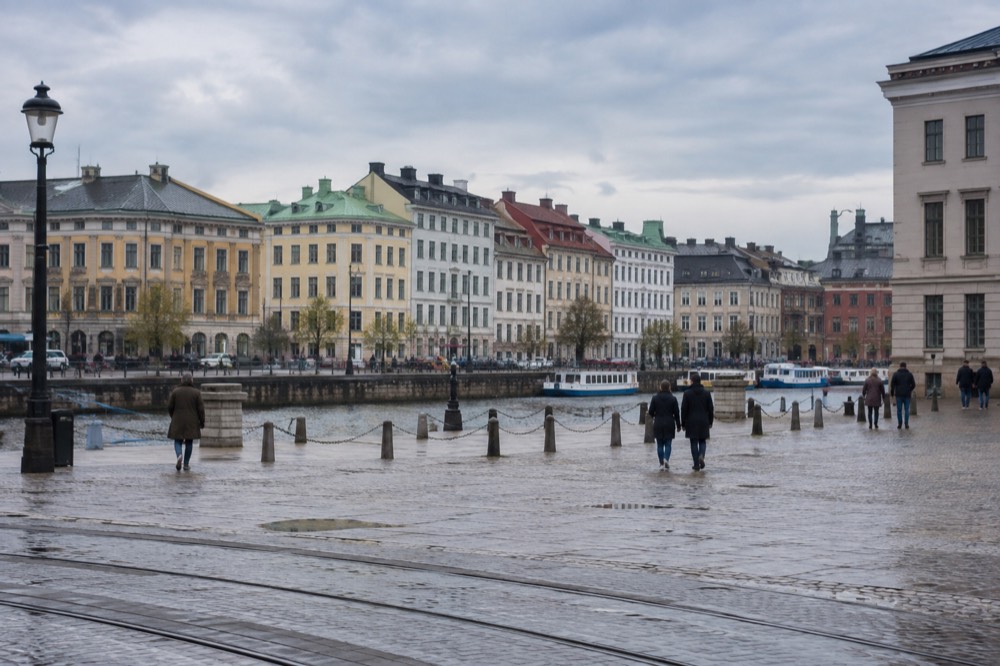
Choose Copenhagen for a big-capital hit of palaces, design museums and international dining. Choose Gothenburg for a smaller, cheaper, more manageable city where the car-free archipelago is inside the tram zone and a 125 kr day ticket covers trams and island ferries alike.
Gothenburg and Copenhagen are close enough that travellers regularly swap one for the other. A ferry, a bridge and a few hours of train track separate Sweden's second city from Denmark's capital, and both trade on the same Nordic harbour aesthetic: granite quays, bikes on every corner, seafood within walking distance of the water it came from. But the two cities reward different kinds of trips. Copenhagen is a capital, with everything that implies in scale, price and pace. Gothenburg is a working port city of 613,274 people, according to Göteborgs Stad's own population report, and much of what makes it good is what it lacks: crowds, capital-city prices and distances. This comparison lays out where each city actually wins, using verified figures for the Swedish side, so you can decide which one your trip really wants. For the broader context of what the city offers, start with Gothenburg Travel Guide and work outward from there.
Which City Is Better for a First-time Visitor, Gothenburg or Copenhagen?
For a first-time Nordic city break, Copenhagen offers more headline sights in a bigger, faster, more expensive capital, while Gothenburg delivers a compact, walkable city where the old town, the fish hall, the canals and the archipelago ferries all sit within a single tram zone, at noticeably lower cost and with far fewer visitors competing for the same tables.
The honest framing is that Copenhagen is a capital and Gothenburg is not, and that shapes everything. Copenhagen concentrates palaces, a famous amusement park of its own, national museums and a metro system designed for capital-scale movement. Gothenburg's equivalent list is shorter but denser: the moat-ringed old town of Inom Vallgraven, the Feskekôrka fish hall reopened in 2024 as a five-restaurant food market, the Liseberg amusement park, and a southern archipelago of car-free islands reachable on an ordinary tram-and-ferry ticket. Göteborg & Co reported over 6 million commercial guest nights in 2025, a record year, but that is still a fraction of what a capital absorbs.
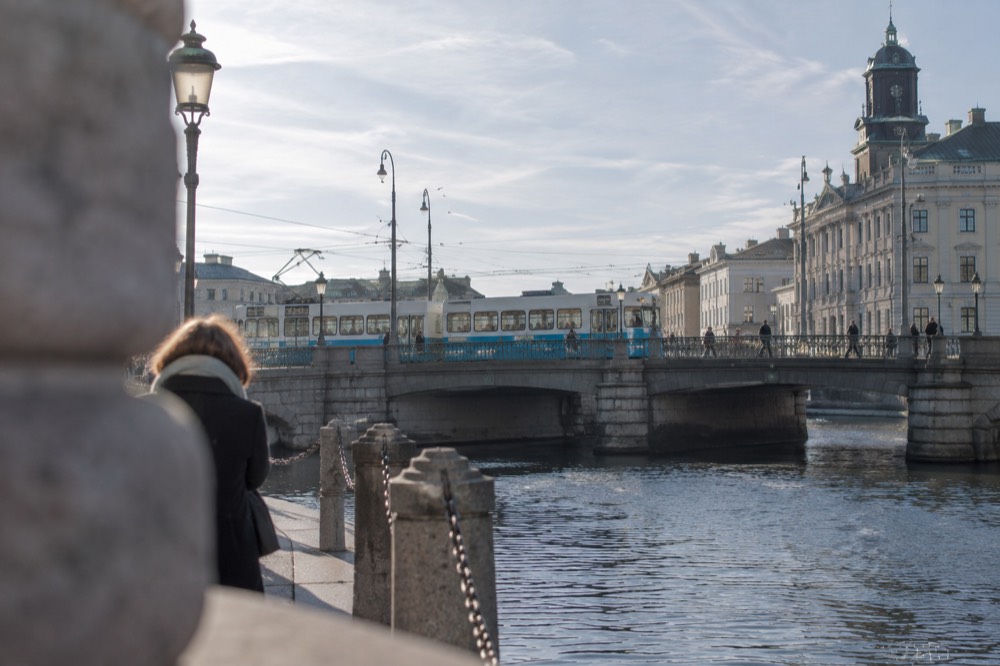
What Gothenburg does especially well for a first-timer is compress. You can walk the old town in the morning, eat shrimp sandwiches at the fish hall at lunch, ride a tram to Saltholmen in the afternoon and be on a car-free island in the sea by mid-afternoon, all before dinner. Copenhagen spreads its equivalents across a larger map and rewards a longer stay. If you have three days or fewer, the smaller city gives you more of itself per hour. If you have five or more, the capital has more layers to peel. Our one-day and two-day itineraries show how much of Gothenburg fits into a short visit.
How Do Prices Compare Between Gothenburg and Copenhagen?
Denmark's capital is generally the more expensive of the two: Copenhagen sits among Europe's priciest capitals for hotels and restaurant meals, while Gothenburg runs meaningfully cheaper on lodging, alcohol-free dining and public transport, with a verified Zone A 24-hour ticket at 125 kr covering trams, buses and the archipelago ferries, and single tram tickets at 38 kr.
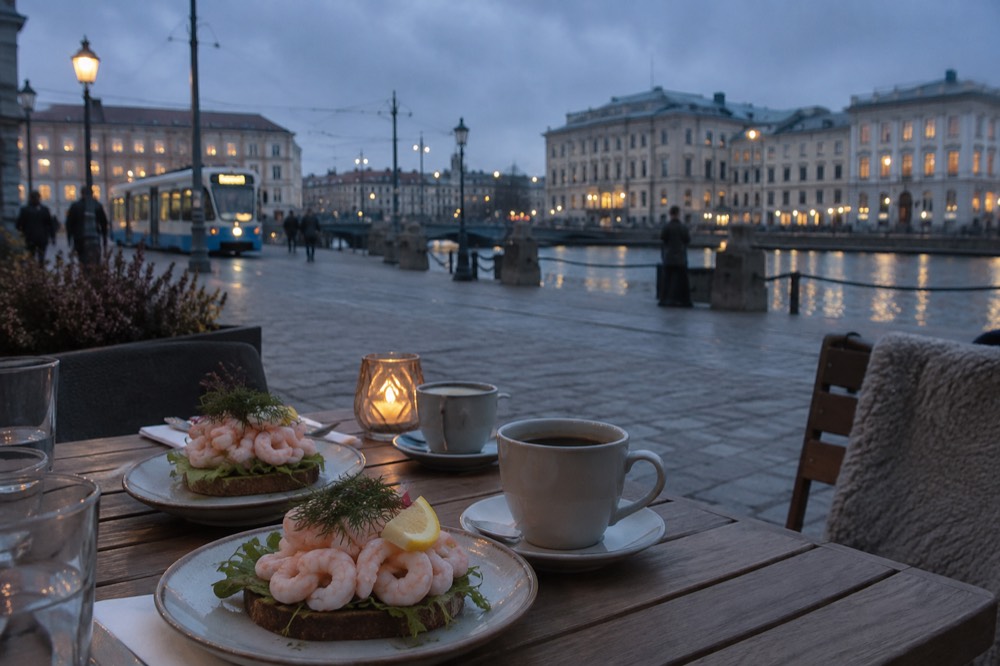
Both cities are Nordic-expensive by southern European standards, so this is a comparison of degrees rather than a bargain hunt. On the Gothenburg side the numbers are verifiable and specific. Västtrafik's fare pages list a single adult ticket at 38 kr for one zone and a 24-hour Zone A ticket at 125 kr, the same price whether bought in the app or at a shop, as the Zone A day-ticket page states. A single ticket to Göteborgs konstmuseum is 75 kr, free for anyone under 20. Liseberg entry starts at 95 kr online, though that ticket includes no rides, a detail the park's own price page states plainly. World of Volvo exhibition tickets start from 120 SEK online.
| Cost item | Gothenburg (verified) | Copenhagen (general) |
|---|---|---|
| Single public transport ticket | 38 kr, one zone | Higher, capital-zone fares |
| 24-hour transport ticket | 125 kr, Zone A, tram plus island ferries | Higher, metro and bus zones |
| Major museum entry | 75 kr, Göteborgs konstmuseum | Higher for national museums |
| Amusement park entry | Liseberg from 95 kr, rides sold separately | Tivoli comparably priced, rides separate |
| Coffee and a pastry (fika) | Modest, cafe-dependent | Higher, capital cafe prices |
One Gothenburg pricing quirk worth knowing before you budget: beer above 3.5% ABV is only sold through Systembolaget, the state monopoly, under Alkohollag (2010:1622), which pushes bar prices up and makes supermarket beer weaker than the label suggests. Copenhagen has no equivalent restriction, and its bar scene prices accordingly. For a fuller breakdown of what a Swedish west-coast trip actually costs, see is Gothenburg expensive and what a trip really costs.
If you plan to pack Gothenburg's attractions densely, a pass can change the arithmetic. The Go City All-Inclusive pass covers more than 20 attractions over one to five days and currently carries a 3.8 rating from 238 reviews on the operator's listing. Note that the old Göteborg City Card, which included public transport, no longer exists, and the Go City product does not claim to; our city card analysis covers what the replacement actually includes.
The pass question and the transport question are separate decisions, and mixing them up is the most common budgeting error on this route. A pass buys attractions; a Västtrafik day ticket buys movement, including the ferries. Neither substitutes for the other, and the old card that bundled both is gone.
Which City Has the Better Food Scene, Gothenburg or Copenhagen?
Copenhagen has the deeper fine-dining reputation, with a world-famous restaurant scene that has shaped global Nordic cuisine, but Gothenburg punches far above its size on seafood specifically: the reopened Feskekôrka food hall, shrimp sandwiches, oyster safaris on the Bohuslän coast and a west-coast tradition of simple, very fresh fish give it a claim neither capital can copy, at prices a notch below the Danish capital.
The reputational gap is real. Copenhagen's restaurant scene is internationally famous and internationally priced, and food-motivated travellers go there for exactly that. Gothenburg's case is narrower and more specific: it is a port city at the mouth of the Göta älv, with the Bohuslän coast and its oyster beds a day trip away, and the eating culture is built on what the boats bring in. The shrimp sandwich is the local signature, and Feskekôrka, the fish-church-shaped market hall on Rosenlundsgatan, reopened in 2024 as a food hall with two fish counters and five restaurants rather than the old counters-only setup, as Higab, the municipal property owner, confirms. Our Feskekôrka guide has the current detail.
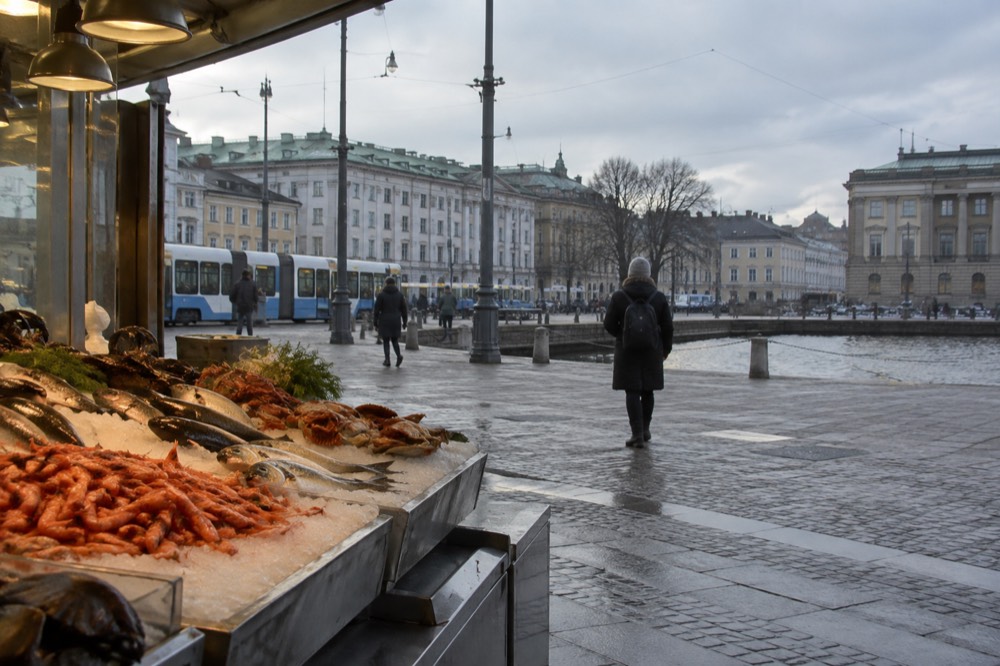
For everyday eating rather than destination dining, Gothenburg is the easier city. The fika tradition, a coffee and pastry break treated as a scheduled part of the day, is strong here, and the Haga district's wooden old quarter is dense with cafes. The where to eat in Gothenburg guide covers restaurants by neighbourhood and budget, and fika in Gothenburg explains the custom if the word is new to you. Copenhagen does coffee and pastries well too, but it does not do fika, which is a Swedish institution rather than a menu item.
How Easy Is It to Get Around Each City Without a Car?
Both cities are car-light and transit-friendly, but Gothenburg's system is unusually simple for a visitor: 12 tram lines and 134 stops across 188 km of single track form the backbone, a 125 kr 24-hour Zone A ticket covers trams, buses and the southern archipelago ferries on one ticket, and the car-free islands are inside the same fare zone as the city centre, which is a combination no other Nordic city offers.
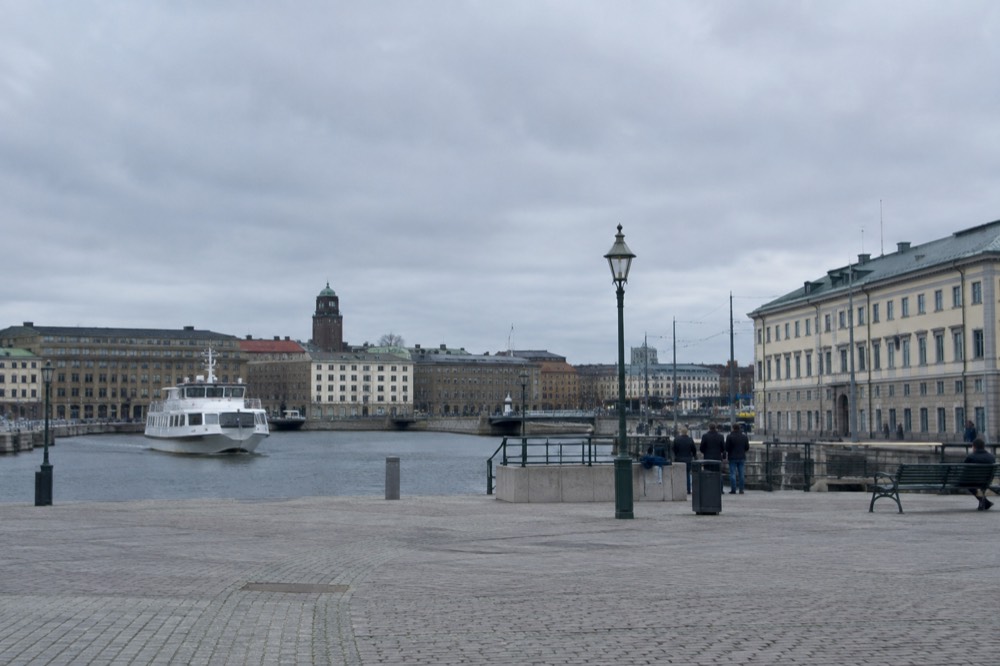
Copenhagen is one of the world's great cycling cities and its metro is modern and expanding, so getting around is genuinely easy there too. The difference is what the ticket buys you. In Gothenburg, Västtrafik's fare structure puts the southern archipelago islands, Styrsö, Brännö, Donsö, Vrångö, Asperö and Köpstadsö, in Zone A, the same zone as the city centre, and the ferries from Saltholmen carry ordinary Västtrafik tickets. The boats appear on Västtrafik's own tram, bus and boat network map, so the ferry lines are part of the network, not a tourist add-on. Private cars are banned on the islands under a city ordinance, so the ferry is not an option but the only way.
| Getting around | Gothenburg | Copenhagen |
|---|---|---|
| Backbone network | Trams, 12 lines, 188 km of track | Metro, S-train and extensive bike lanes |
| Bike culture | Present but tram-first | World-leading, bikes outnumber cars on some streets |
| Water access by transit | Archipelago ferries inside the city fare zone | Harbour buses on the city's own ticket |
| Visitor day ticket | 125 kr, 24 hours, Zone A, ferries included | Higher, zone-based |
| Airport connection | Vy flygbussarna coach, 20 minutes, no rail link | Metro to the airport, rail link exists |
One Gothenburg transport fact trips up visitors arriving in 2026: there is no train to Landvetter Airport. Swedavia's own airport pages list only coach and bus connections, and the airport coach is now branded Vy flygbussarna, running Landvetter to Korsvägen to Göteborg Centralstation in 20 minutes. Copenhagen's airport, by contrast, has a rail link. If a metro-to-plane connection matters to you, that is a genuine point for the Danish side. The getting around Gothenburg guide covers fares, zones and payment in full.
For a first-day orientation, the amphibious bus tour is a Gothenburg speciality: it drives the streets and then drives into the harbour, and the listing currently shows a 4.7 rating from 4,326 reviews, one of the largest review counts of any product in the city. It is a sensible way to see the canal layout before you explore on foot.
Which City Has Better Day Trips and Coastline?
Gothenburg wins this category outright: the car-free southern archipelago is administratively part of the city itself, the Bohuslän granite coast with Marstrand's island fortress is a short trip up the coast, and Alingsås, Trollhättan and Lake Vänern's Läckö Castle sit within day-trip range, while Copenhagen's day trips, though pleasant, head to smaller provincial towns rather than a wilderness of islands.
The archipelago point deserves emphasis because it is the single most underpriced fact about Gothenburg. The islands are not a day trip in the ordinary sense; they are areas of the municipality, reached by tram to Saltholmen and then ferry, on the same ticket you used to reach the tram. Göteborgs Stad's own planning documents state the islands are protected from car traffic, with only taxi and emergency vehicles allowed. That means a swim, a coastal walk and a ferry ride can be inserted into an ordinary city day for the price of a day ticket. Our southern archipelago guide covers the islands individually.
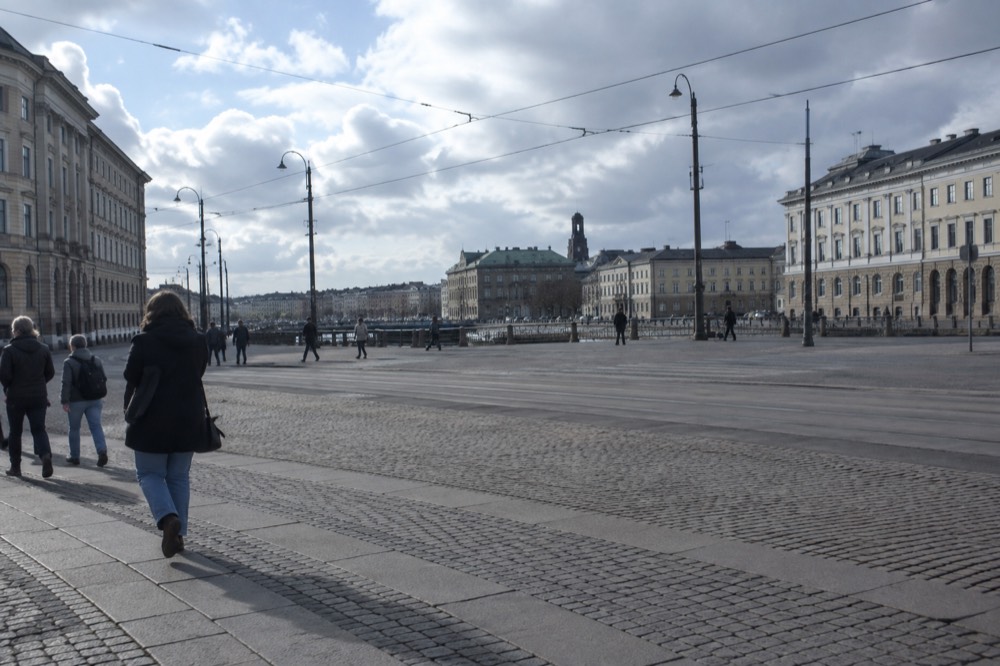
Beyond the islands, the Swedish west coast is the region's real asset. Bohuslän's fishing villages, Smögen and Fjällbacka among them, sit on polished granite skerries a couple of hours north. Marstrand, the island fortress town, is closer and reachable by public transport connections. Inland, Alingsås and Trollhättan offer canal and industrial history. Copenhagen's day-trip set, castles and university towns within Danish rail range, is pleasant but does not include anything like a car-free island world inside the city's own fare system. The day trips from Gothenburg guide ranks the options by travel time.
If you want the archipelago experience with commentary rather than self-navigation, the guided archipelago cruise is the high-volume option: 2.5 hours on the water, currently rated 4.4 from 1,488 reviews on the listing, from $44 per person. Lunch and fika variants also run.
When Is the Best Time of Year to Visit Each City?
Both cities share a northern European climate with a sharp seasonal swing, but Gothenburg has a verified edge in early autumn: its sea temperature peaks at 18.6 C in August rather than July, September water at 16.7 C is warmer than June water at 16.2 C, April is its driest month at 51.3 mm, and the biggest planning trap is that Liseberg, the city's headline attraction, closes entirely between late September and mid-April apart from seasonal openings.
The seasonal data for Gothenburg is unusually well documented. SMHI's 1991-2020 normals for station Göteborg A show 912 mm of rain across 127 wet days a year, with October the wettest month at 102.9 mm and April the driest at 51.3 mm. That makes spring, not summer, the dry window, and early autumn the warm-water window for swimming. Daylight swings from 18 hours 6 minutes on 21 June to 6 hours 32 minutes on 21 December, a difference of over 11 and a half hours between solstices.
| Season | Gothenburg | Copenhagen |
|---|---|---|
| Spring | Driest time of year, April at 51.3 mm | Mild, tulip season, popular |
| Summer | Peak season, sea warmest in August, Liseberg open | Peak season, longest days, most crowded |
| Autumn | Warm sea in September, Liseberg Halloween from 2 October | Cooler, fewer crowds |
| Winter | Liseberg Christmas market 14-23 December, short days | Christmas markets, hygge season |
One myth needs killing here because it distorts the comparison: Gothenburg is not Sweden's rainiest city, and SMHI's own data does not support the claim. The national precipitation maxima are in the western highlands and the mountains, and Gothenburg's 912 mm sits inside the wet western band without topping it. The city's reputation for permanent drizzle is exaggerated. The best time to visit Gothenburg guide works through the calendar month by month, and Gothenburg in winter covers the dark-season case.
Which City Is Better for Families with Kids?
Gothenburg is the easier family city: Liseberg runs a full summer season from 18 April to 20 September plus Halloween and Christmas openings, Universeum's science centre is open every day of the year from 10:00 to 18:00 with children under 3 free, Slottsskogen's zoo is free, and the archipelago ferries are an adventure that costs nothing beyond an ordinary tram ticket, while Copenhagen's family highlights, though excellent, are priced at capital levels.
Liseberg is the anchor. Sweden's biggest amusement park, with roughly 2.5 million park guests in 2025 according to Liseberg's own annual reporting, opens its summer season on 18 April and runs to 20 September, with a Halloween season from 2 October to 1 November and the Jul på Liseberg Christmas market from 14 to 23 December. Between those seasons it closes, which is the single most important planning fact for a family trip: check the calendar before booking flights. Entry from 95 kr gets you through the gate only, and ride passes are sold separately, so budget for the combined ticket from 365 kr if anyone in the party actually wants to ride.

Universeum is the rainy-day counterpart, and its own visit pages confirm it opens every single day of the year, with a rainforest, an aquarium hall and a reptile house under one roof. Admission is dynamically priced with a booked entry time, so there is no fixed adult price to quote, and buying on-site costs 30 kr more than booking online. Slottsskogen park, with its free animal enclosures, seals and moose among them, costs nothing at all. The Gothenburg with kids guide sequences a family trip around these, and free things to do in Gothenburg lists the no-cost options.
So, Which Should You Choose: Gothenburg or Copenhagen?
Choose Copenhagen if you want a capital: bigger museums, a world-famous restaurant scene, a metro-to-airport rail link and the density of sights a capital provides, and if the budget accommodates it. Choose Gothenburg if you want a compact, lower-cost Nordic city where the trams run to a car-free archipelago on one ticket, the seafood comes straight off the boats, Liseberg anchors the family calendar, and three days is genuinely enough to see the place rather than sample it.
The two decisions are not really in competition. Travellers with a week can do both, and the train connections through Malmö make the combination straightforward. Travellers choosing one should weigh what kind of trip they are booking. Copenhagen rewards a longer, more expensive, more ambitious city break. Gothenburg rewards the traveller who wants the Nordic harbour-city experience at second-city prices, with the sea built into the fare system rather than an excursion away from it. For the Swedish side of the decision, the Gothenburg or Stockholm comparison covers the domestic alternative, and where to stay in Gothenburg handles the neighbourhood question once you have decided.
Common Questions About Gothenburg or Copenhagen
Is Gothenburg cheaper than Copenhagen?
Generally yes. Gothenburg's verified transport prices, a 38 kr single and a 125 kr 24-hour ticket, sit below capital-zone fares, and lodging and everyday dining run cheaper in Sweden's second city than in the Danish capital. Both are expensive by wider European standards; the gap is one of degree.
Which city is smaller, Gothenburg or Copenhagen?
Copenhagen is the larger city by a wide margin. Gothenburg's municipal population is 613,274 according to Göteborgs Stad's end-of-2025 figure, with the wider region around 1.1 million. Copenhagen's capital-region population is substantially higher, and the city feels correspondingly bigger and faster.
Can you visit both Gothenburg and Copenhagen on one trip?
Yes, and many travellers do. The cities are linked by train connections through Malmö and the Öresund crossing, and direct trains and coaches run the route. A week split between the two works well, with Gothenburg usually the cheaper half of the itinerary.
Is Gothenburg's archipelago part of the city?
Yes. The southern archipelago islands, including Styrsö, Brännö, Donsö and Vrångö, are areas of the municipality of Göteborg, not separate towns. They sit inside Västtrafik fare Zone A, are served by ferries from Saltholmen on ordinary tickets, and private cars are banned on them.
Which city is better in winter, Gothenburg or Copenhagen?
Both are dark and cold in winter, with Gothenburg down to 6 hours 32 minutes of daylight on 21 December. Gothenburg's Liseberg Christmas market, running 14 to 23 December, is a strong seasonal draw, and the city's indoor options like Universeum open every day of the year. Copenhagen has its own Christmas markets and a slightly milder position. Neither is a warm-weather winter escape.
Do you need a car in Gothenburg or Copenhagen?
No in both cities, and in Gothenburg a car is actively unhelpful for the archipelago, since the islands ban private cars entirely. Trams, buses and ferries cover the Swedish city on one ticket system, and Copenhagen's metro and bike lanes do the same for the Danish side.