Swimming and Beaches in Gothenburg, Sweden: Where to Swim and When the Water Is Warmest
Gothenburg's water is warmer than most visitors expect, and it peaks in August, not July. Here is where to swim, what the sea actually feels like month by month, and how a single tram-and-ferry ticket reaches the best beaches.
Short answer
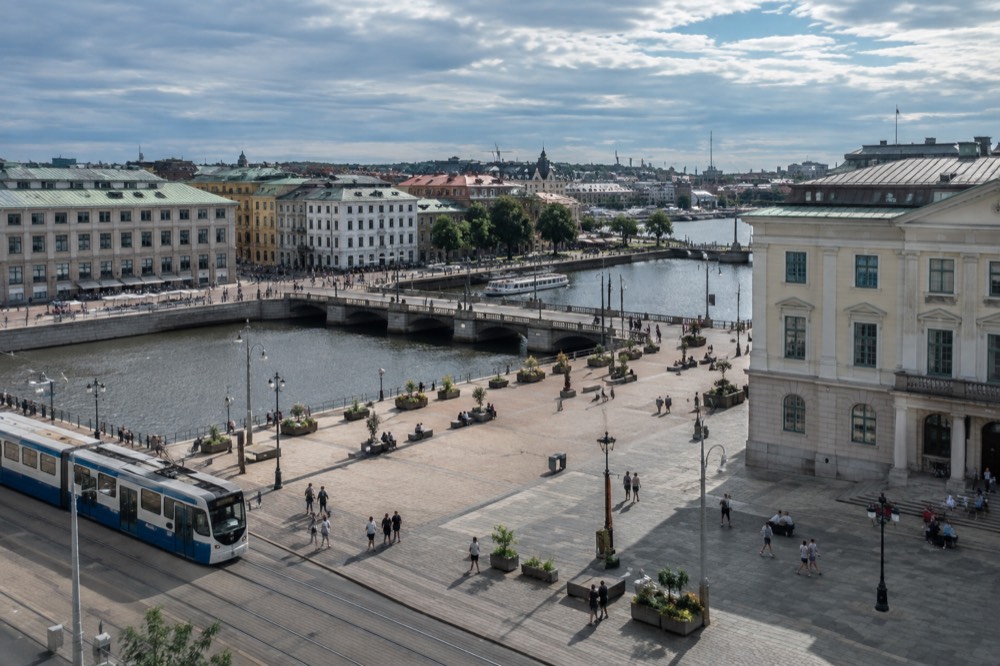
The sea around Gothenburg peaks at 18.6°C in August, and September water (16.7°C) is warmer than June (16.2°C). The best swimming is on the car-free southern archipelago islands, reached by tram to Saltholmen and then ferry on an ordinary Västtrafik Zone A ticket.
Gothenburg sits at the mouth of the Göta älv, where the river meets the Kattegat, and the city treats its water as furniture rather than scenery. Trams run to the ferry terminal at Saltholmen, the ferries run to car-free islands inside the city's own transit zone, and the sea temperature data, published by SMHI and measured at the Vinga lighthouse station out in the archipelago, tells a story that contradicts almost every visitor's booking pattern. The water is warmest in August. September is warmer than June. Most people plan their swim for exactly the wrong month.
This guide covers where to swim in and around Gothenburg, Sweden, what the sea actually does month by month, which beaches suit families and which suit cold-water regulars, and how the tram-and-ferry ticket that gets you there works. It draws on SMHI's quality-controlled sea temperature archive, Västtrafik's fare and zone pages, and the operators' own tour listings.
How Warm Is the Sea in Gothenburg, Really?
The sea around Gothenburg peaks at 18.6°C in August, not July, and September water at 16.7°C is measurably warmer than June water at 16.2°C. July averages 18.3°C, so the two peak months are close, but the coldest month is February at 2.7°C, not January. A September swim is warmer than a June one, which is the opposite of what most visitors book for.
Those figures come from SMHI's oceanographic archive at station 35144 Vinga, the lighthouse out at the edge of the archipelago, built from 61,749 quality-controlled hourly observations between July 2019 and September 2026. The sea runs roughly six weeks behind the air. Air temperature peaks in July at 18.3°C on the 1991-2020 normals, but the water keeps absorbing heat through August before it turns.
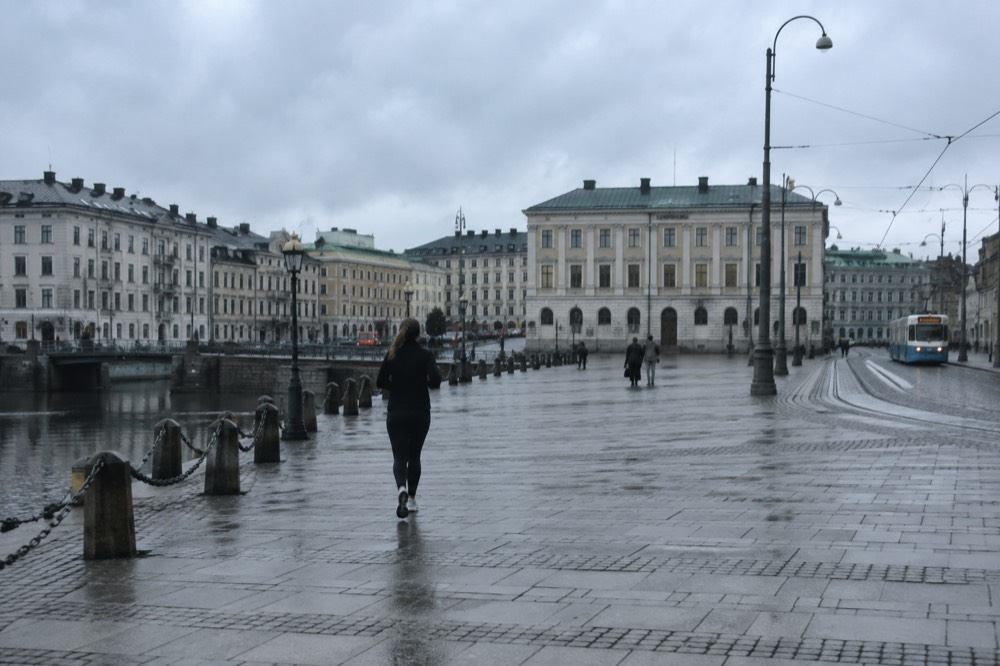
The record low at Vinga is -1.2°C, logged in February, which sounds impossible for water but is not: the Kattegat is brackish, and brackish water freezes below zero. That is the fact that makes winter swimming here a real sport rather than a stunt, and it is why the sauna-and-cold-bath scene has grown the way it has.
Here is the full monthly picture, straight from the SMHI data:
| Month | Mean sea temp (°C) | Record low (°C) | Record high (°C) |
|---|---|---|---|
| January | 3.9 | -0.1 | 7.1 |
| February | 2.7 | -1.2 | 6.7 |
| March | 4.1 | 1.3 | 6.1 |
| April | 7.1 | 3.5 | 11.4 |
| May | 11.6 | 7.9 | 18.1 |
| June | 16.2 | 12.9 | 21.5 |
| July | 18.3 | 13.5 | 23.6 |
| August | 18.6 | 15.6 | 22.2 |
| September | 16.7 | 13.6 | 19.5 |
| October | 12.8 | 8.6 | 16.5 |
| November | 9.3 | 3.7 | 13.0 |
| December | 5.5 | 1.5 | 9.0 |
Two practical readings fall out of that table. First, the shoulder seasons are underrated: May water at 11.6°C is cold but swimmable with a wetsuit, and the May record high of 18.1°C shows how variable the spring can be. Second, the record highs cluster in July and August, so a warm year can push the water past 22°C, which is genuinely pleasant by any standard.
If you would rather not plan the logistics yourself, the listing for the Hot Tub Escape, Secret Beach & Harbor Cruise covers a group of up to five people, hot tub included, with no reviews published yet since it is a new listing. The guided archipelago cruise, rated 4.4 from 1,488 reviews on the operator's listing, is the mass-market way to see the same water without swimming in it.
Where Can You Swim in Gothenburg Without Leaving the City?
The main in-city swimming spots are the beaches and lawns around Saltholmen and Långedrag on the western edge, the harbour baths in the city centre, and the bays and rocks of the southern archipelago islands, all of which are areas of Gothenburg rather than day trips. Styrsö, Brännö, Vrångö, Donsö, Asperö and Köpstadsö are reached by tram to Saltholmen and then ferry, on an ordinary Västtrafik ticket.
That last point is the single most valuable fact on this page and the one most guides underplay. Västtrafik's own network map shows the archipelago ferries as part of the Zone A network, and the islands sit inside Zone A, which covers Göteborg, Partille, Mölndal and Öckerö. A 24-hour Zone A ticket costs 125 kr, the same price in the app as in a shop, and it covers the tram to Saltholmen, the ferry to any island, and the ride home. One ticket, tram plus boat plus beach.
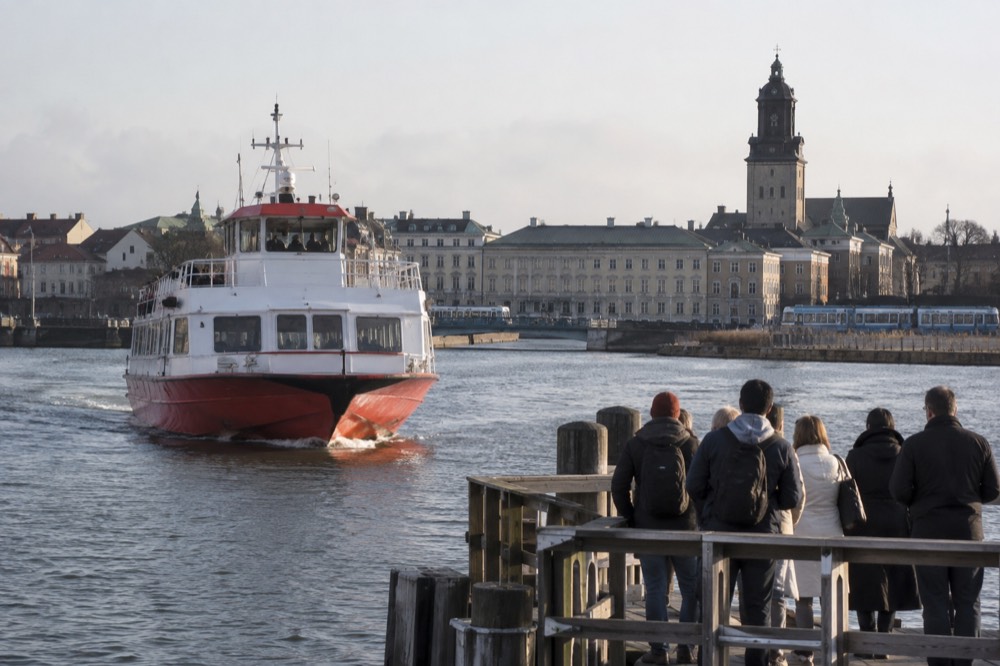
The islands are car-free. Göteborgs Stad's own study of the southern archipelago states that the islands are "fredade från biltrafik", protected from car traffic, with only taxi, accessibility transport and emergency services allowed on the roads. What that means for a swimmer is quiet, and it means the beaches stay as they are.
Within the islands, the character varies. Vrångö, the furthest south, has the longest stretches of sand and a genuine village feel. Brännö is flat, green and laced with footpaths, with bathing rocks on the western shore. Styrsö is the largest island and has a small taxi-serviceable road network for residents, plus several coves. Donsö and Asperö are quieter still, and Köpstadsö is tiny. The southern archipelago guide breaks the islands down one by one, and the island chooser helps if you only have one beach day.
Back on the mainland, the western edge of the city faces open water. The Saltholmen area and the coast towards Långedrag have the city's classic swimming rocks and small sandy bays, all on the tram line you would ride to the ferries anyway. Slottsskogen park has no swimming, but it is the green anchor of the free things to do list and sits on the tram route west.
A question worth asking before you commit a beach day: is the water the point, or is the coastline? If the answer is the coastline, the guided archipelago cruise runs 2.5 hours from $44 per person, rated 4.4 from 1,488 reviews, and the operator's live listing carries the current departure times and cancellation terms.
There is also a guided hot tub and sea dip tour at Stora Amundön, south of the city, which combines a heated tub with a proper sea swim. It is priced from $103 per person and has no reviews published yet, which is worth knowing before you book.
When Is the Best Month for Swimming in Gothenburg?
August is the best month for swimming in Gothenburg, with a mean sea temperature of 18.6°C, followed closely by July at 18.3°C, but September at 16.7°C beats June at 16.2°C and carries far fewer visitors. For a warm swim without peak-season crowds, late August through mid-September is the window the temperature data supports, and April is the driest month of the year at 51.3 mm of rain.
The rainfall picture matters as much as the water temperature, because a beach day in Gothenburg is a weather bet. SMHI's 1991-2020 normals for station Göteborg A show 912 mm of rain across 127 wet days a year, roughly one day in three. The wettest month is October at 102.9 mm, and the driest is April at 51.3 mm, on the fewest wet days, 8.2.
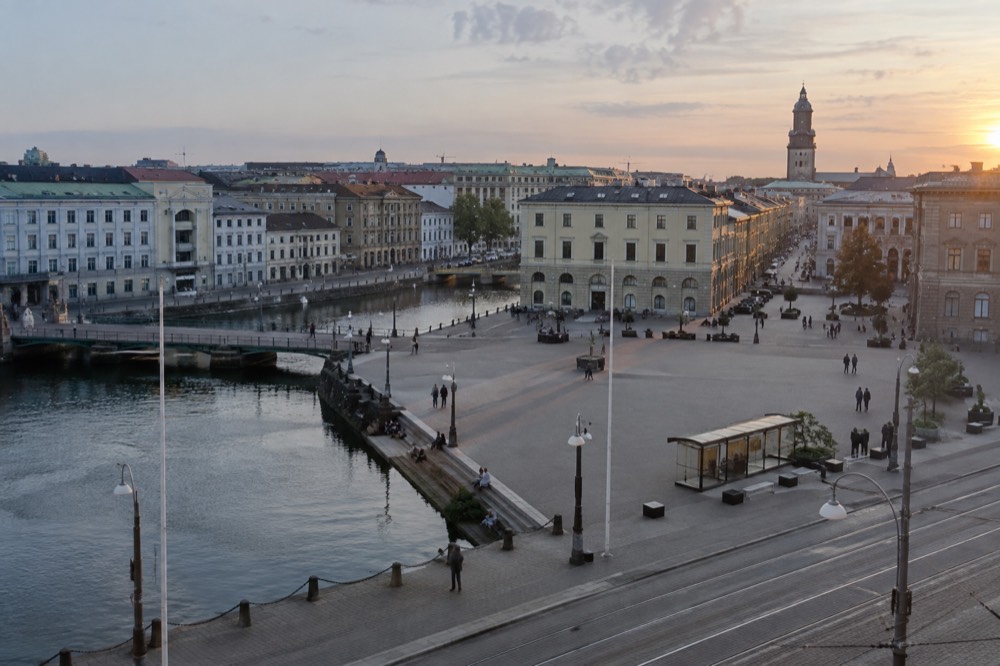
One myth to kill here, because this site is about Gothenburg, Sweden, and the city's reputation has been built on it: Gothenburg is not Sweden's rainiest city. SMHI's own text on the 1991-2020 normals puts the highest annual precipitation in the western highlands and the mountain regions, with eastern Götaland and Svealand at 400-600 mm. Gothenburg's 912 mm sits inside the wet western band, but the national maxima are inland and uphill, not in the city. The best time to visit guide carries the full seasonal breakdown.
| Month | Rain (mm) | Wet days (≥1 mm) | Sea temp (°C) | Verdict for swimming |
|---|---|---|---|---|
| May | 54.3 | 8.8 | 11.6 | Wetsuit water, low crowds |
| June | 73.7 | 10.0 | 16.2 | Swimmable, but colder than September |
| July | 81.3 | 9.8 | 18.3 | Peak season, peak crowds |
| August | 92.8 | 11.9 | 18.6 | Warmest water of the year |
| September | 80.0 | 10.8 | 16.7 | Warm water, thinning crowds |
| October | 102.9 | 12.6 | 12.8 | Wettest month, cold dip |
Daylight is the other variable. On 21 June the sun runs from 04:11 to 22:17 local time, 18 hours 6 minutes of day, with civil twilight from 02:58 to 23:30, leaving only about three and a half hours of true night. On 21 December it is 08:54 to 15:26, six hours 32 minutes. A September beach day still gets you twelve-plus hours of usable light; a February one gives you a narrow grey window, which is exactly why the winter swimming scene here is organised around sauna clubs and short dips rather than beach days.
What About Cold Water Swimming and Sauna in Gothenburg?
Cold-water swimming in Gothenburg is an organised scene rather than a fringe activity, with sauna boats, hot tub tours and winter bathers working the same archipelago water that reaches 2.7°C in February, its coldest month. The commercial options include a sauna boat cruise, a hot tub and sea dip tour at Stora Amundön, and a private hot tub beach and harbour cruise for groups of up to five.
The sauna boat cruise runs four hours from $344 per person and carries a 5 rating, though from a single review on the listing. The Stora Amundön hot tub and sea dip tour is from $103 per person with no reviews published yet. The Hot Tub Escape, Secret Beach & Harbor Cruise is priced per group, up to five people, from $536, also with no reviews published yet, and it is the one to look at if you are travelling as a family or a group of friends and want the water to yourself.
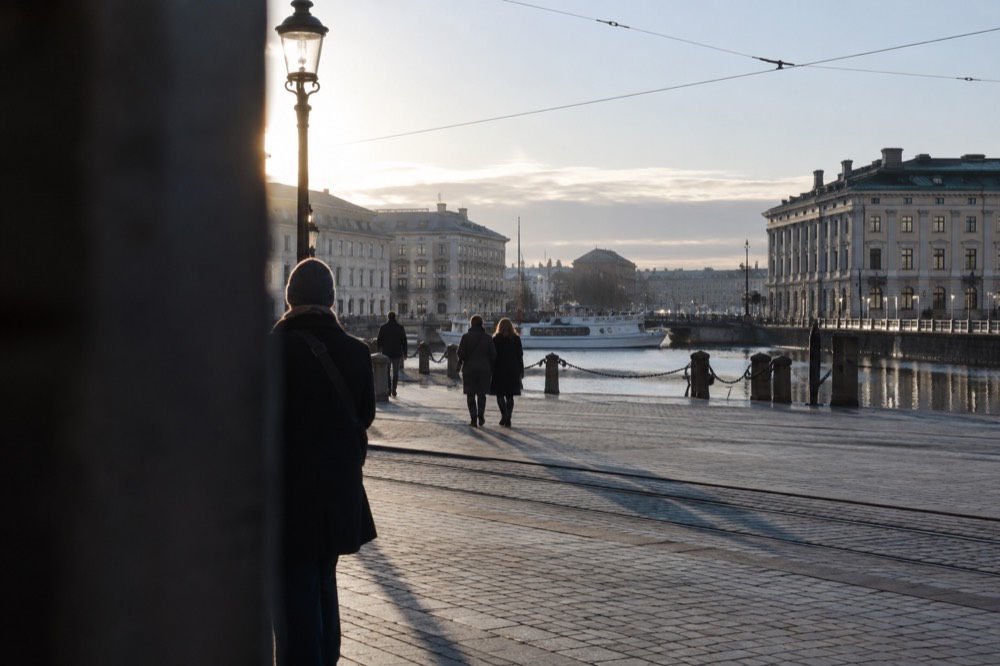
The physiology of the local water shapes the scene. Brackish Kattegat water at 2.7°C is a genuine cold shock, and the record low of -1.2°C at Vinga means the water can be colder than a fresh-water lake ever gets. Locals treat the February dip as a two-minute operation bracketed by a long warm-up, and the commercial tours exist precisely because doing that unprepared is a bad idea. The cold water swimming and sauna guide covers the year-round side in detail.
For everyone else, the same water in August at 18.6°C is a normal North Sea-adjacent swim, no drama attached. The same rocks, the same jetties, a completely different sport.
How Do You Get to the Beaches and Islands?
You get to Gothenburg's swimming beaches by tram to Saltholmen and then, for the islands, by ferry, all on one Västtrafik Zone A ticket, with a single adult fare at 38 kr and a 24-hour Zone A ticket at 125 kr. There is no need for a car, and on the southern islands cars are banned anyway, so the tram-and-ferry combination is not the budget option, it is the only option.
Saltholmen is the western terminus of the tram network, which Göteborgs Spårvägar's own reporting describes as twelve lines, 134 stops and 188 km of single track, running from Mölndal in the south to Angered in the north and out to Saltholmen in the west. The network carried 126 million journeys in 2025. You ride a tram to the end of the line, and the boat is waiting at the pier.
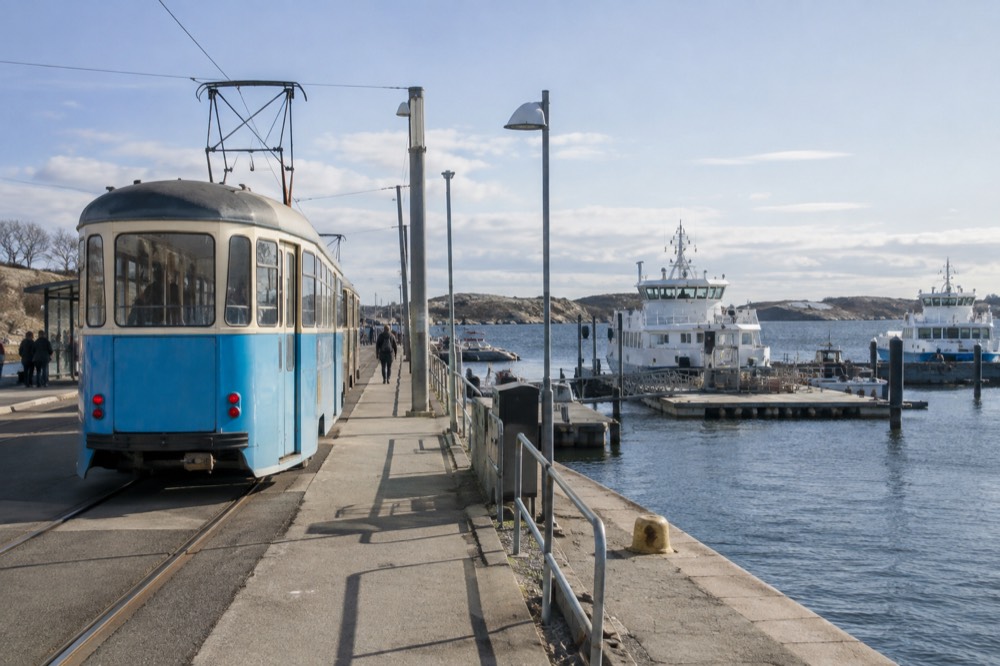
One fare nuance that is easy to get wrong: Västtrafik's 30-day period tickets are currently halved by a temporary state subsidy, Zone A adult falling from 890 kr to 445 kr, but that subsidy does not cover the 24-hour and 72-hour tickets a visitor actually buys. The 24-hour Zone A ticket is still 125 kr. Do not read a headline about half-price transport and assume it applies to your beach-day ticket, because it does not. The tram, ticket and zone guide has the full fare tables.
| Journey | What you need | Cost | Notes |
|---|---|---|---|
| Tram to Saltholmen | Single, Zone A | 38 kr adult, 29 kr youth | Buy in the Västtrafik To Go app |
| Tram + ferry + islands, one day | 24-hour Zone A ticket | 125 kr | Covers every southern island ferry |
| Parking at Saltholmen | n/a | n/a | Known pain point; arrive by tram instead |
| Car on the islands | n/a | n/a | Cars are banned, taxi excepted |
If you are arriving from further afield, the airport to city centre guide covers the Vy flygbussarna coach, and there is no rail link to Landvetter, only coach and bus. The day trips from Gothenburg guide covers the genuinely separate destinations, Marstrand and the Bohuslän coast, which sit outside the city and outside Zone A.
Which Beaches Suit Families and Nervous Swimmers?
For families, the sandy bays on Vrångö and the shallow bathing spots around Styrsö suit children best, while on the mainland the beaches near Saltholmen and Långedrag are closest to tram access and facilities, and the gothenburg with kids guide covers the full family itinerary. The car-free island environment means no traffic risk, which is the quiet advantage parents notice once they arrive.
The trade-off is facilities against beauty. The islands have outhouses, jetties and not much else, so pack food and water. The mainland spots have cafes and toilets within walking distance. September is the family sleeper pick: the water at 16.7°C is warmer than June's, the ferries are quieter, and the beaches are no longer full.
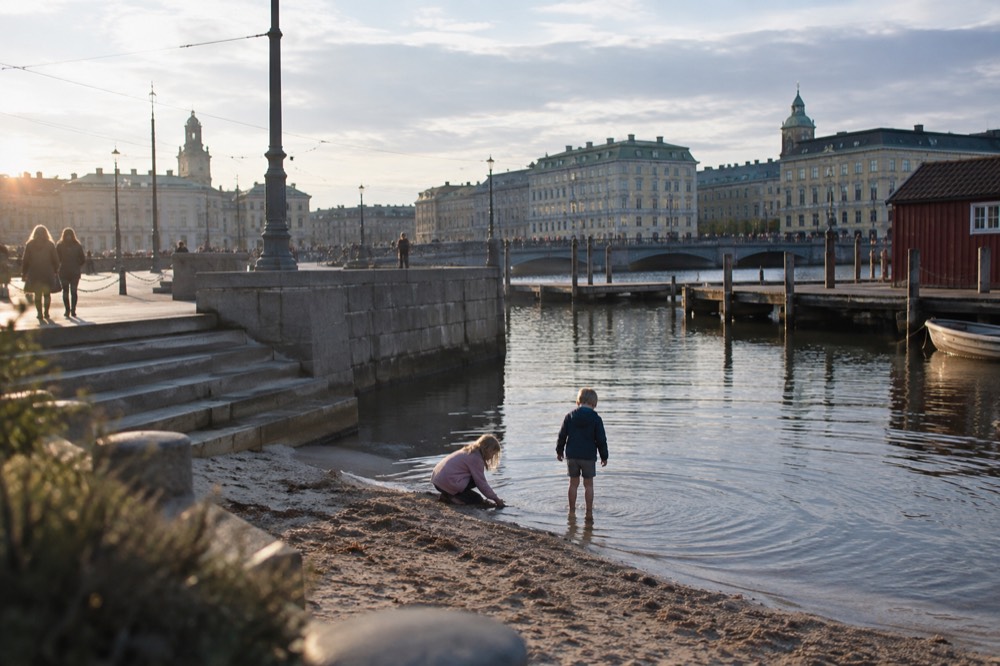
For nervous swimmers, the jetties on Brännö and the sheltered coves on Styrsö are the gentlest entries, and the guided kayak options give a life-jacketeted way to be on the water without committing to it. The City Kayak Tour runs two hours from $62 per person, rated 4.9 from 81 reviews, and self-guided kayak hire in central Gothenburg is from $31 per person, rated 4.8 from 41 reviews. The kayaking the archipelago guide covers the paddle side properly.
What Should You Know Before You Swim in Gothenburg?
Before swimming in Gothenburg, know three things: the water peaks in August at 18.6°C and September beats June, the archipelago islands are inside the city's Zone A transit ticket so a 125 kr day ticket covers tram and ferry, and there are no lifeguards on most island beaches, so you swim at your own judgement, which locals do everywhere and visitors should do with a bit more caution.
Add the practicalities. Bring a windproof layer even in August, because the sea breeze off the Kattegat is constant and the grey sea light that makes the coastline beautiful also cuts through wet skin. Water shoes help on the granite. The what to pack guide has the full seasonal packing list.
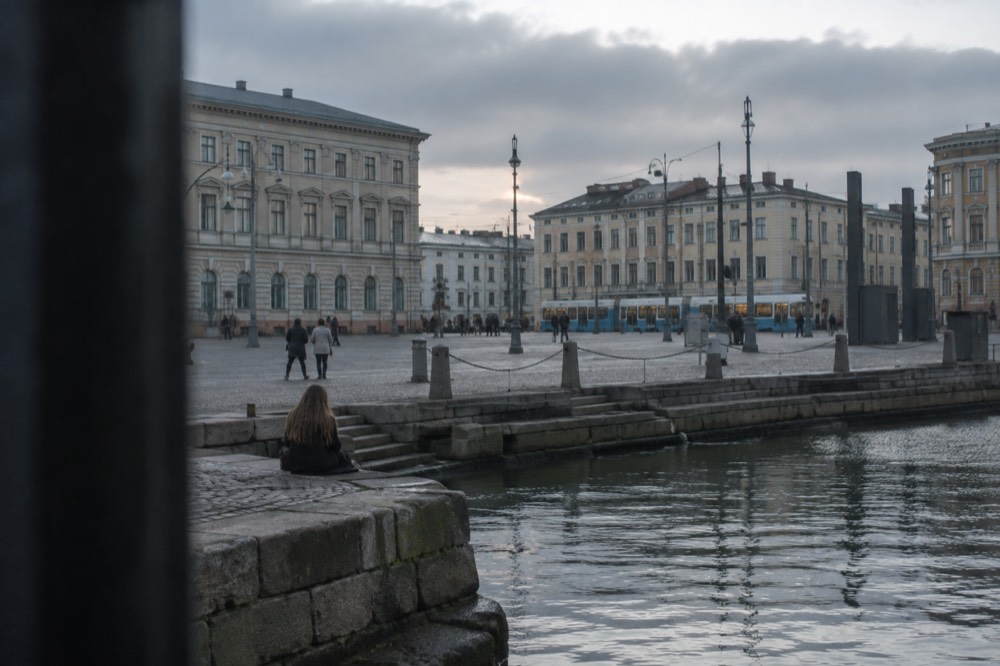
And a note on seasons for the rest of the year: the swimming season closes gradually rather than abruptly. October water at 12.8°C is a short dip, November at 9.3°C is a cold-water swimmer's temperature, and by February at 2.7°C you are in the sauna-club bracket. The gothenburg in winter and the archipelago in winter guides cover what the off-season version of this coastline looks like, and Gothenburg Travel Guide holds the rest of the city.
Common Questions About Swimming and Beaches in Gothenburg
How warm is the sea in Gothenburg?
The sea around Gothenburg peaks at a mean of 18.6°C in August, with July close behind at 18.3°C, according to SMHI's measurements at the Vinga lighthouse station. September averages 16.7°C, which is warmer than June at 16.2°C. The coldest month is February at 2.7°C.
Can you swim in the Gothenburg archipelago?
Yes, and the southern archipelago islands are part of the city of Gothenburg, not a day trip. The islands are car-free and reached by tram to Saltholmen and then ferry on an ordinary Västtrafik Zone A ticket.
When is the best month to swim in Gothenburg?
August, when the water averages 18.6°C. Late August through mid-September is the smart window: the water is at or near its warmest and the crowds have thinned, since September water is warmer than June water.
Is a September swim in Gothenburg warmer than June?
Yes. SMHI's data from Vinga shows September at a mean of 16.7°C against June's 16.2°C, so the sea is measurably warmer after the summer holidays than before them.
How do you get to Gothenburg's beaches without a car?
By tram. Saltholmen is the western tram terminus and the ferry terminal for the islands, and a 24-hour Zone A ticket at 125 kr covers the tram, the ferry and every island in the southern archipelago.
Is cold-water swimming popular in Gothenburg?
Yes, it is an organised scene with sauna boats, hot tub tours and winter bathers, supported by the fact that the brackish Kattegat water can drop below freezing, with a record low of -1.2°C at Vinga.