Gothenburg Spa Hotels and Bathhouses: Where to Swim, Sauna and Soak in Sweden's West Coast City
Gothenburg sits at the mouth of the Göta älv where the river meets the Kattegat, and its bathing culture runs from municipal bathhouses to sauna boats sailing out among the car-free islands. This guide sets out what exists, what it costs and when the water is warm enough to swim.
Short answer
Gothenburg's bathing scene has three layers: spa hotels with pools and saunas, historic public bathhouses, and the archipelago's sauna and cold-dip culture. The sea at Vinga peaks at 18.6 C in August, warmer than July, and September water is warmer than June. A sauna boat cruise runs from $344 per person, and a 24-hour Västtrafik ticket at 125 kr covers the tram and ferry to the islands.
Gothenburg was built by Dutch engineers inside a moat at the mouth of the Göta älv, and water has shaped the city ever since. The bathing culture here is Nordic in the way most visitors half expect and entirely local in the way they do not: granite shorelines instead of beaches, sauna cabins facing open sea, and a tram-and-ferry network that carries swimmers from the centre of town to car-free islands on an ordinary ticket. The Swedish word to know is bastu, the sauna, and the ritual around it is as ordinary to a Gothenburger as fika. This guide from Gothenburg Travel Guide covers the spa hotels, the bathhouses, the sauna boats and the cold-water swimming, with the verified sea temperatures that decide when any of it is pleasant.
What Is Bastu Culture and How Does Bathing Work in Gothenburg?
Bastu is the Swedish sauna tradition, and in Gothenburg it is tied directly to the sea: you heat up in a sauna, cool off in the Kattegat, and repeat the cycle as many times as the evening allows. The city supports this with public bathhouses, hotel spas and floating saunas, and because the southern archipelago is part of the city itself, the whole ritual is reachable by tram and ferry on a single 125 kr 24-hour Västtrafik ticket.
The word bastu is short for badstuga, a bath house, and the tradition long predates the spa industry. What surprises many first-time visitors is how uncommercial the core of it is. A municipal bathhouse charges a modest entry fee, hands you a towel if you have not brought one, and expects you to sit in the heat quietly. Swimming costumes are worn in mixed public sessions in Sweden, unlike in Finland or Germany where nudity norms differ, so the etiquette is simpler than many guidebooks suggest.
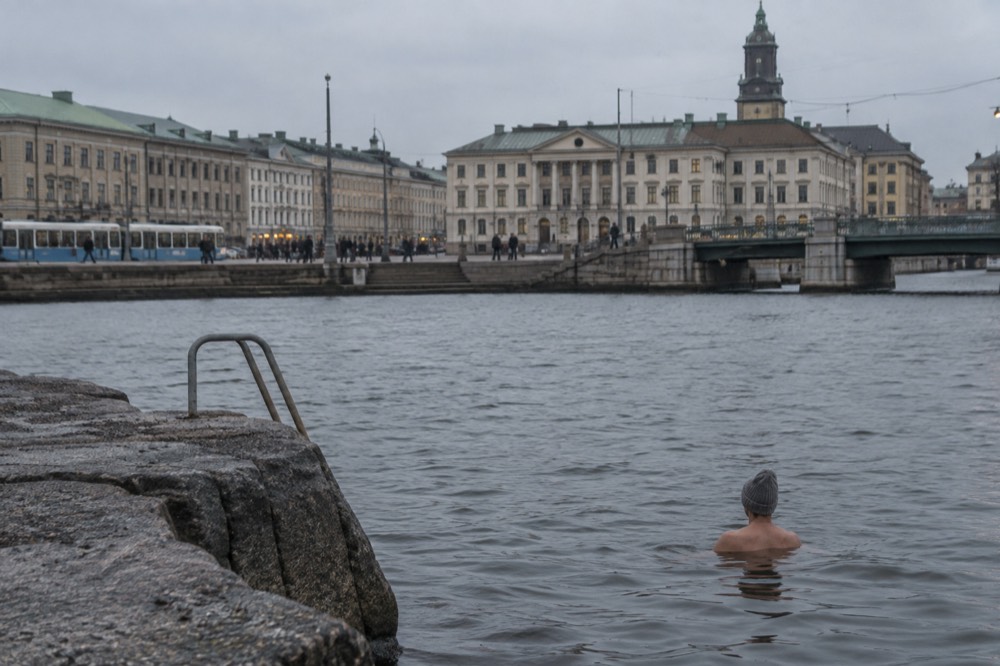
The other thing that surprises visitors is the water itself. The Kattegat is brackish, a mix of Baltic and North Sea water, and it is colder than its latitude suggests. The sea temperature at SMHI's Vinga station averages 18.6 C in August, the warmest month, and drops to 2.7 C in February, the coldest, according to SMHI's quality-controlled oceanographic observations. The swimming season is therefore short and specific, and the sauna season is effectively year-round. Locals swim through winter anyway, in wetsuits or briefly, which is why the sauna-and-dip pairing exists in the first place.
If you are planning the wider trip, our best time to visit Gothenburg guide covers the full seasonal picture, and cold-water swimming and sauna in Gothenburg goes deeper on the year-round cold-dip scene.
Where Can You Swim, Sauna and Soak in Gothenburg?
Gothenburg's bathing options divide into four kinds: hotel spas with pools and saunas, historic public bathhouses, floating sauna experiences on the harbour and archipelago, and free open-water swimming from the city's rocky shores and islands. The spa hotels cluster in the centre and at the waterfront, the bathhouses are municipal and inexpensive, and the floating options range from a sauna boat cruise at $344 per person to a hot-tub and sea-dip tour at Stora Amundön from $103 per person.
The hotel spas are the most straightforward option for a visitor who wants a pool, a sauna and a steam room without any planning. They are typically open to resident guests and, at many properties, to day visitors who book a time slot. Prices vary by property and season, so treat any figure a hotel quotes as the live one rather than a fixed tariff, and always check whether swimwear is required in the pool area, which in Sweden it normally is.
The public bathhouses are the historic layer. Gothenburg built several grand indoor baths in the early twentieth century, when municipal bathing was a public-health project, and some of those buildings still operate as working baths with lanes, saunas and steam rooms. They are the cheapest way to spend a rainy afternoon in the city, and Gothenburg has plenty of those, with SMHI's 1991-2020 normals recording 912 mm of rain across 127 wet days a year.
The floating saunas are the layer that is genuinely Gothenburg rather than generically Nordic. The operator's listing for the archipelago sauna boat cruise describes a four-hour trip with a sauna on board and dips in the sea along the way, priced from $344 per person and rated 5 from a single review so far. The Stora Amundön hot tub and sea dip tour runs three hours from $103 per person, with no reviews published yet, and Stora Amundön is a real swimming and picnic island inside the city's own zone A.
A fourth option, the free one, is easy to overlook. The southern archipelago islands of Styrsö, Brännö, Vrångö and Donsö are areas of Gothenburg, not day trips, and swimming from their granite shores costs nothing but the ferry fare, which is covered by the same Västtrafik ticket as the tram. Our swimming and beaches in Gothenburg guide lists the spots, and the Gothenburg archipelago covers the islands themselves.
Which Gothenburg Spa Hotels Have the Best Pools and Saunas?
The spa hotels in Gothenburg concentrate in three areas: the city centre around Nordstan and Avenyn, the waterfront around the harbour and Lindholmen, and the Liseberg and events district. Expect indoor pools, at least one sauna and often a steam room and hot tub as standard, and expect outdoor pools only at a handful of properties. Day access is bookable at many but not all of them, so confirm before you travel.
Choosing a spa hotel in Gothenburg is mostly about location, because the facilities themselves are broadly similar across the upper tier. A centre hotel puts you within walking distance of the baths, the restaurants and the tram, which matters because the tram is the backbone of the city, 12 lines and 188 km of single track as of the 2022 network report, carrying 126 million journeys in 2025. A waterfront hotel trades that for harbour views from the pool.
The honest planning advice is that Gothenburg's spa hotels are pleasant rather than spectacular, and the city's real bathing distinction lies outdoors. If a pool and sauna under one roof is what a winter or rainy trip needs, book it, and our where to stay in Gothenburg guide sorts the neighbourhoods. If the goal is the sauna-and-sea ritual, spend less on the hotel and more on the water.
| Spa hotel type | Where in Gothenburg | Typical facilities | Best for |
|---|---|---|---|
| City-centre spa hotels | Around Avenyn, Nordstan and Götaplatsen | Indoor pool, sauna, steam room | Rainy days, winter trips |
| Waterfront spa hotels | Harbour and Lindholmen | Pool with harbour or river view, sauna | Views from the waterline |
| Events-district hotels | Near Liseberg and Ullevi | Pool, sauna, gym access | Families and summer visits |
| Historic bathhouses | Municipal, central locations | Lanes, saunas, steam baths | Cheap, authentic bathing |
| Floating saunas | Harbour and archipelago | Wood-fired sauna, sea dips | The full Nordic ritual |
One practical note before booking anything: the old Göteborg City Card no longer exists, and the Go City pass that replaced it does not include public transport. If a spa day involves getting to the archipelago, budget the 125 kr 24-hour Zone A ticket separately, the price confirmed on Västtrafik's own tickets and prices page. Our the Göteborg City Card: is it worth it? analysis covers the maths.
Can You Take a Sauna Boat Onto the Gothenburg Archipelago?
Yes, and it is the most distinctive bathing experience the city sells: the archipelago sauna boat cruise runs four hours from $344 per person with a sauna on board and stops for sea dips among the islands, while a private hot-tub-and-beach option runs four hours from $536 per group of up to five people. Both are priced on the listing, both are new enough that reviews are thin or absent, and both depart from the city's own harbour rather than from anywhere requiring a transfer.
The sauna boat concept is simple and very Swedish: a vessel with a working sauna, a deck for cooling off, and a route that puts warm bathers next to cold water. The listing for the four-hour sauna boat cruise currently shows a single review at a 5 rating, which is real information about a new product rather than a red flag, but it means no pattern of customer experience exists yet to report. The hot-tub escape option, which combines a tub, a secluded beach stop and a harbour cruise, has no reviews published at all.
What makes these trips unusual is the water they sail on. The southern archipelago is inside the city's own transport zone, car-free, and served by ordinary ferries, so a sauna boat is doing something a visitor could partly replicate for the price of a tram ticket, minus the sauna. The private hot-tub trip is priced per group rather than per person, which changes the arithmetic entirely for families: at $536 for up to five people it is cheaper per head than the sauna boat, if you have five people.
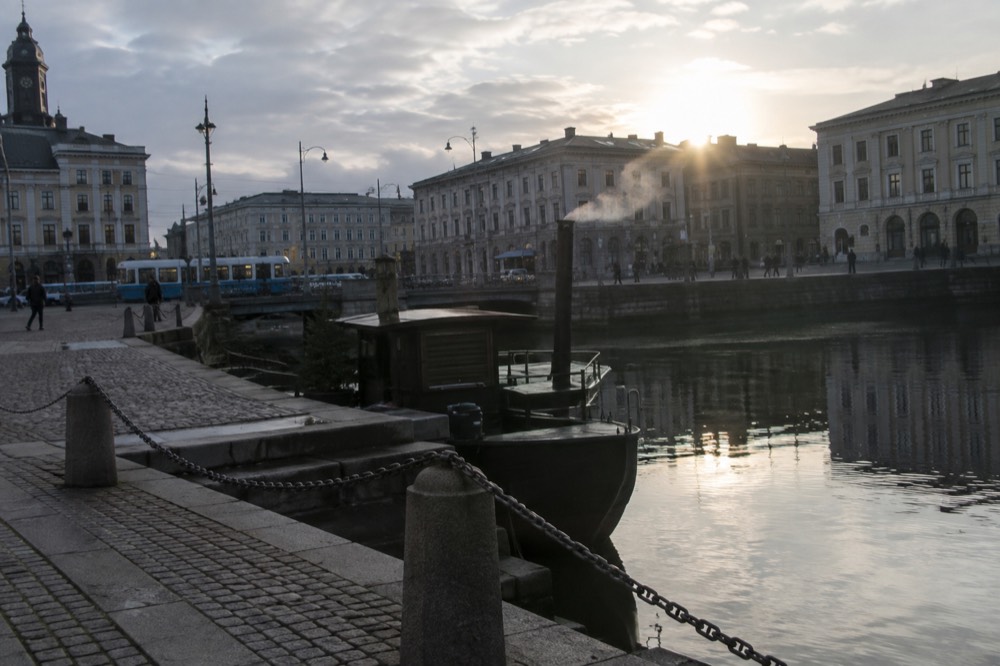
For the independent version of the same day, how to get to the Gothenburg archipelago explains the tram-to-ferry route from Saltholmen, and the southern archipelago: Styrsö, Brännö, Vrångö and Donsö covers the islands you would sail past.
How Cold Is the Water and When Can You Actually Swim in Gothenburg?
The sea at the Vinga lighthouse station peaks at 18.6 C in August, not July, and September water at 16.7 C is warmer than June water at 16.2 C, according to SMHI's quality-controlled hourly observations. February is the coldest month at 2.7 C, with a record low of -1.2 C, and the brackish Kattegat water does not freeze at zero. The practical swimming window is late June through early September, with August the warmest and the sauna season running all year.
These figures come from SMHI's oceanographic archive, station 35144 at Vinga, built from 61,749 quality-controlled hourly observations, so they are measured rather than folklore. The counterintuitive part is worth repeating because almost every visitor gets it backwards: the air temperature peaks in July at 18.3 C, but the sea runs about six weeks behind and peaks in August. A September swim in the archipelago is warmer than a June one, which is the opposite of what most people book.
| Month | Mean sea temp at Vinga | What it means for swimming |
|---|---|---|
| January | 3.9 C | Cold-dip territory, sauna mandatory |
| February | 2.7 C | Coldest month, brief dips only |
| March | 4.1 C | Still winter bathing |
| April | 7.1 C | Bracing, short swims |
| May | 11.6 C | Possible with effort |
| June | 16.2 C | First genuinely swimmable weeks |
| July | 18.3 C | Comfortable swimming |
| August | 18.6 C | Warmest month of the year |
| September | 16.7 C | Warmer than June, often calm |
| October | 12.8 C | Wetsuit weather for most |
| November | 9.3 C | Cold, short season over |
| December | 5.5 C | Winter bathing begins again |
The winter side of this is not a joke or an extreme sport in Sweden. Winter bathing, vinterbad, is a mainstream habit, usually a sauna followed by a very short dip, and Gothenburg has the infrastructure for it. Our Gothenburg in winter guide places the bathing in the context of a full cold-season visit, and daylight and darkness in Gothenburg, month by month explains the 6 h 32 m of daylight on 21 December against 18 h 06 m on 21 June, which matters when planning a swim.
How Much Does a Spa or Bathing Day in Gothenburg Cost?
A bathing day in Gothenburg can cost almost nothing or several hundred dollars: open-water swimming from the archipelago islands costs only the 125 kr 24-hour Zone A ticket covering tram and ferry, municipal bathhouse entry is inexpensive, hotel spa day access is priced per property, and the commercial experiences run from $103 per person for the Stora Amundön hot-tub tour to $344 per person for the sauna boat cruise or $536 per group for a private hot-tub charter.
The spread is wide enough that the honest answer depends entirely on what kind of bathing day you want. The table below sets out the verified price points from the tour roster and the transport authority, with the caveat that hotel spa access is genuinely variable and no fixed figure can be responsibly printed.
| Bathing experience | Verified price | Basis | Reviews |
|---|---|---|---|
| Archipelago sauna boat cruise | from $344 | per person, 4 hours | rated 5, 1 review |
| Stora Amundön hot tub and sea dip tour | from $103 | per person, 3 hours | no reviews yet |
| Hot tub escape, secret beach and harbour cruise | from $536 | per group up to 5, 4 hours | no reviews yet |
| Independent archipelago swim | 125 kr | 24-hour Zone A ticket, tram and ferry | n/a |
| Hotel spa day access | priced per property | check with the hotel | n/a |
| Municipal bathhouse | inexpensive municipal entry | check the venue | n/a |
Two honesty notes on those figures. The three commercial experiences are new listings with few or no reviews, which is real information rather than a defect, and the $536 option is per group, not per person, so it is quoted on a different basis from the others. Meanwhile, a temporary state subsidy currently halves Västtrafik's 30-day tickets, but it does not apply to the 24-hour and 72-hour tickets a visitor buys, so do not read the headline discount as cheap transport for a short stay. Our is Gothenburg expensive? What a trip really costs guide puts the bathing spend into a full trip budget.
When Is the Best Season for a Bathing Trip to Gothenburg?
August is the best month for warm-water swimming, with the sea at its annual peak of 18.6 C, and September is the sleeper pick, with water warmer than June and thinner crowds. Winter, from November through March, is the best season for the sauna-and-cold-dip ritual and for spa hotels, while late April and May are the driest months for walking but too cold for swimming, with sea temperatures of 7.1 C and 11.6 C respectively.
The seasonal logic of a bathing trip to Gothenburg is really two different trips. The summer version is about islands, ferries and swimming from granite ledges, and it works from late June to early September. The winter version is about heat: saunas, hot tubs, steam rooms and a very brief plunge, and it works from November right through to April, which is exactly when Liseberg is closed between seasons and the city needs indoor answers.
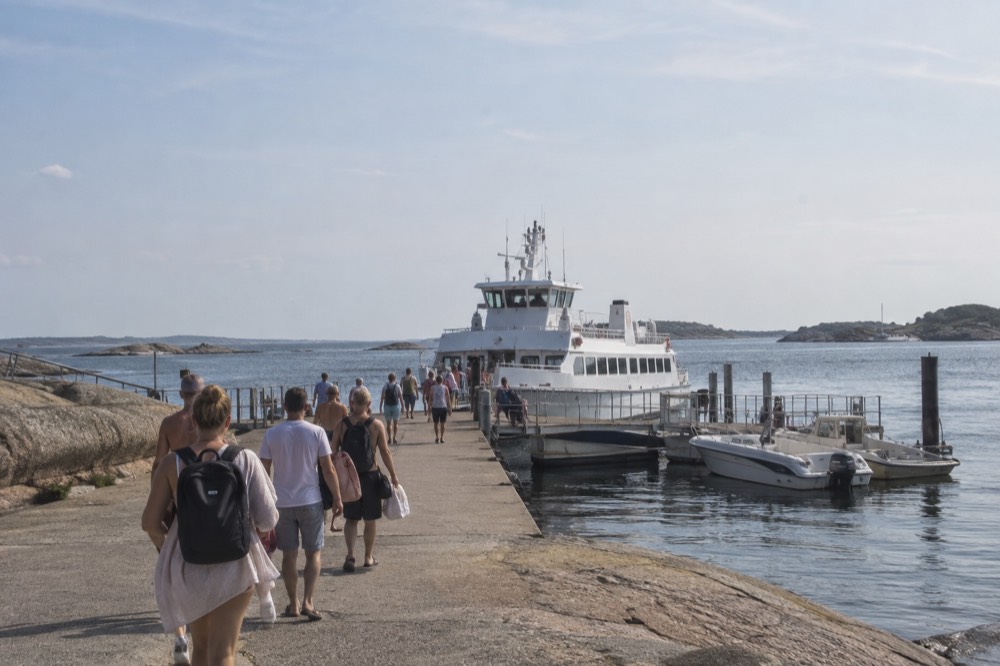
One timing trap deserves a flag. Visitors arriving in late September or early November for a bathing-focused trip land in the dead zone: the sea is cooling fast, from 16.7 C in September to 12.8 C in October and 9.3 C in November, and the summer ferry rhythm has slowed. The sauna boats and hotel spas still run, but the open-water season is effectively over. If warmth is the point, book August; if the ritual is the point, book deep winter and let the cold do its job.
For combining a bathing day with the rest of the city, three days in Gothenburg works well with an archipelago bathing day as one of the three, and Gothenburg with kids covers the family-friendly pool and spa angle.
What Should You Know Before Your First Swedish Sauna in Gothenburg?
Swedish sauna etiquette in Gothenburg is simple: swimwear is worn in mixed public sessions, silence or quiet conversation is normal, you sit on a towel, and the cooling-off step, whether a shower, a plunge pool or the sea, is part of the ritual rather than optional. Bring your own towel and flip-flops to a bathhouse, book hotel spa slots in advance, and expect alcohol to be absent from the bathing areas because Swedish licensing treats a sauna and a bar as separate things.
The towel rule is the one that catches people. Sitting directly on the bench is poor form in a Swedish bastu, so a towel to sit on is the single most important thing to pack. Flip-flops matter in shared bathhouses for the wet walkways. And the cooling-off is not a dash to the shower but a proper pause, which in the archipelago version means standing on the rocks or getting into the sea between sauna rounds.
The alcohol point has a legal backbone worth knowing. Under Alkohollag (2010:1622), as published in the Swedish statute book, anything above 3.5% ABV is sold only by Systembolaget, the state monopoly, which shapes how Swedish bathing venues operate: a sauna boat may serve fika or a light meal, but the drinking culture around a bath is nothing like a German thermal spa. Treat the bastu as the event itself rather than a warm-up for a bar, and it will make sense.
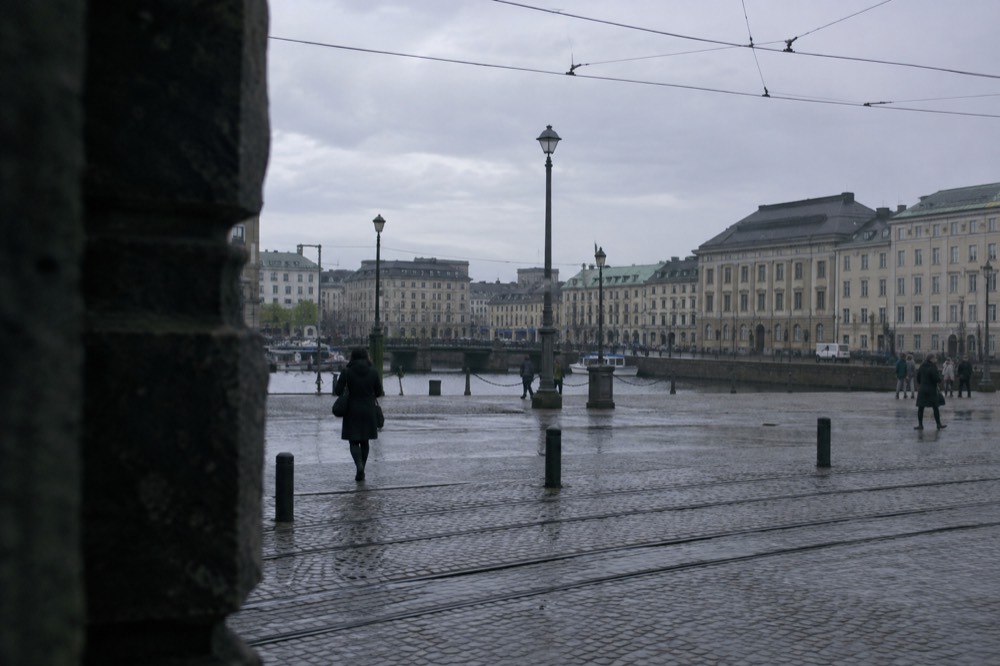
If the trip is a first visit to the city generally, Gothenburg for first-time visitors is the place to start, and getting around Gothenburg: trams, tickets and zones covers the ticket you will need to reach the water.
Common Questions About Gothenburg Spa Hotels and Bathhouses
Is swimming in the Gothenburg archipelago included in a normal tram ticket?
Yes. The southern archipelago ferries from Saltholmen are part of the Västtrafik network and the islands are in zone A, so a 24-hour Zone A ticket at 125 kr covers the tram to Saltholmen and the ferry out to the islands, including swimming spots.
Can you visit a Gothenburg spa hotel without staying there?
Often yes, but it depends on the property. Many Gothenburg hotel spas sell day access or time slots to non-guests, while others are residents-only. There is no fixed price to quote, so check with the specific hotel before travelling.
When is the sea warm enough to swim in Gothenburg?
August is the warmest month with a mean sea temperature of 18.6 C at the Vinga station, and September at 16.7 C is warmer than June at 16.2 C. Late June through early September is the comfortable window; outside it, swimming is a cold-dip activity.
Do you wear a swimsuit in a Swedish sauna?
In mixed public sessions in Sweden, yes, swimwear is worn. You also sit on a towel, and the cooling-off step between sauna rounds is part of the ritual. Bring your own towel and flip-flops to a bathhouse.
Is winter bathing in Gothenburg safe?
Winter bathing, a sauna followed by a very brief dip, is a mainstream Swedish habit, but the February sea averages 2.7 C and has a recorded low of -1.2 C. Keep dips short, go with others, and warm up properly afterwards. Anyone with heart conditions should take medical advice first.
How much does a sauna boat cruise in Gothenburg cost?
The archipelago sauna boat cruise is listed from $344 per person for four hours, rated 5 from a single review so far. A hot-tub and sea-dip tour at Stora Amundön runs from $103 per person, and a private hot-tub harbour cruise is from $536 per group of up to five.